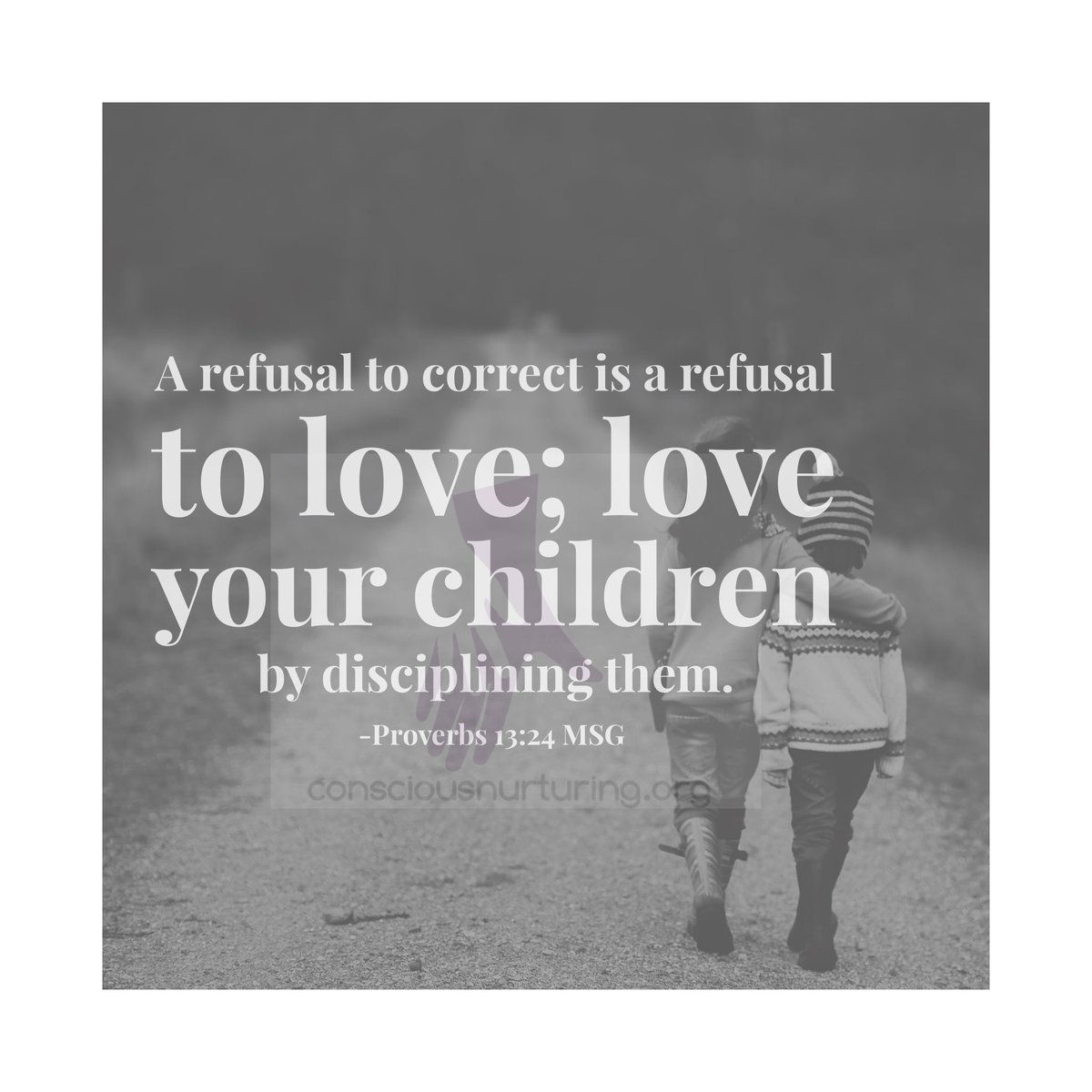
Every now and and then, I find gold nuggets in the Good Book! This is apt but I would substitute ‘creating boundaries’ in place of the word, discipline.
I am a community worker. My clients are mostly women with toddler children. I’m reading The Book You Wish Your Parents Had Read by Philippa Perry with one woman. She chose this book as part of our #Covid weekly reading activity. I just❤️her thirst for knowledge/to be a better mom
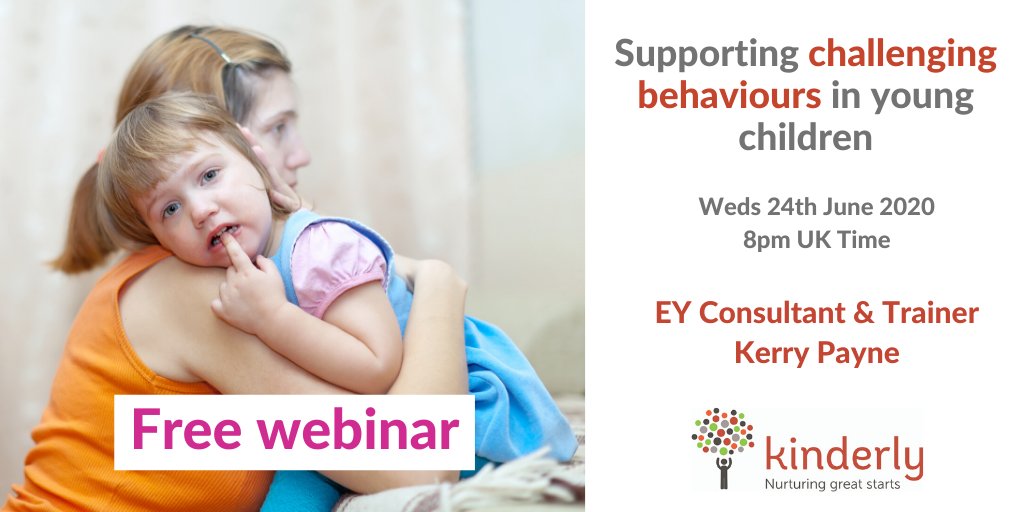
Don't miss our next evening webinar with #earlychildhood expert Kerry Payne & learn strategies to help children resolve difficult and reoccurring behaviours 💙Register: https://t.co/Jfb5hel9YQ
-
#sen#eyfs#eymatters#autism#nursery#earlyyears
My toddler god daughter’s dad lost his mother earlier this year. It was like my god daughter could feel everything her dad felt. It was like she knew something was not right and would cry when she saw dad cry. She wanted to be with dad all the time as if to comfort him.
An 18 months old developing cognitively understands at this stage that objects and people have a place. They can understand when people are out of place emotionally.
“My mother did a great job, the best job she could do to raise a single boy trying to become a man but she couldn’t teach me how to be a man...” Listen to how Brandon Hay, the founder of Black Daddies Club in Toronto redefines fatherhood today.
https://t.co/lEcbTZ0C73
Fatherless children have more difficulties with social adjustment; are more likely to report problems with friendships; manifest behavioural problems; many develop a swaggering, intimidating persona in an attempt to disguise their underlying fears & resentments- All for kids org
One of the key milestones of social and emotional development in children: at 6 or 7, children tend not to question a father or male authority figure giving rise to disciplined training and setting of boundaries.
Some issues surrounding absent fathers in my opinion could include being unable to reach a decision regarding the children with an ex; men in prison, teenage fathers, work culture, negative media etc. What other issues can we think of?
Father-child relationships, positive, negative or absent, have wide-ranging effects on children going into adulthood, with father involvement having a big impact on children’s physical, emotional, social, cognitive and academic development. - Huffington Post
An inquiry on parental support conducted in the UK parliament in 2015 found that ‘Fathers are important resource in early years’ development, which is conducive to bringing about social mobility.” Read more here: https://t.co/2sHf6vJqD3
A child’s “handedness” is generally categorised as right, left or mixed and tends to settle around the same time they acquire language - about 3 to 4 years-old. The type of handedness is as a result of how a child’s brain is organised and functions. - https://t.co/KG6BCg3gI4
Learning is one of the most important aspects of development of a child. Caregivers should learn how to spot issues affecting this like learning disabilities or difficulties, delayed speech, poor attention span and late development of motor skills.
Traumatic events like divorce, death, abuse, neglect etc. can sometimes cause misbehaviour, mood changes or anxiety in children. These changes do not mean a child has an abnormal development.