I spent 3 days testing out the MoversMap V2 platform
And, this is my review report.
This report covers functionality, UX, on-chain mechanics, and improvement recommendations.
Let's dive in:
Announcing Private Blockspace: built for high-performance onchain markets where confidentiality is a requirement, not a feature.
Positions, balances, and execution logic can remain private, while data availability and protocol commitments are designed to remain publicly verifiable.
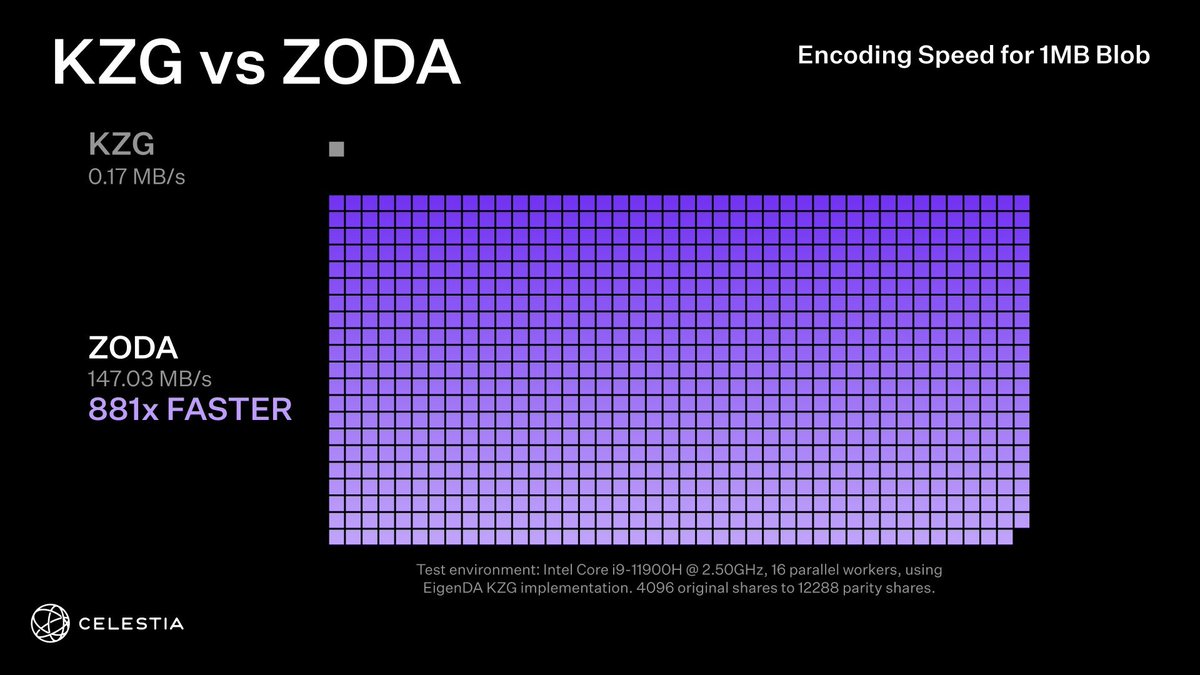
At the core of Fibre is a new ultra-fast data availability (DA) encoding protocol, based on ZODA. The encoding protocol provides an alternative to KZG commitments (used by existing DA protocols).
Compared to KZG-based protocols, Fibre processes data up to 881x faster.
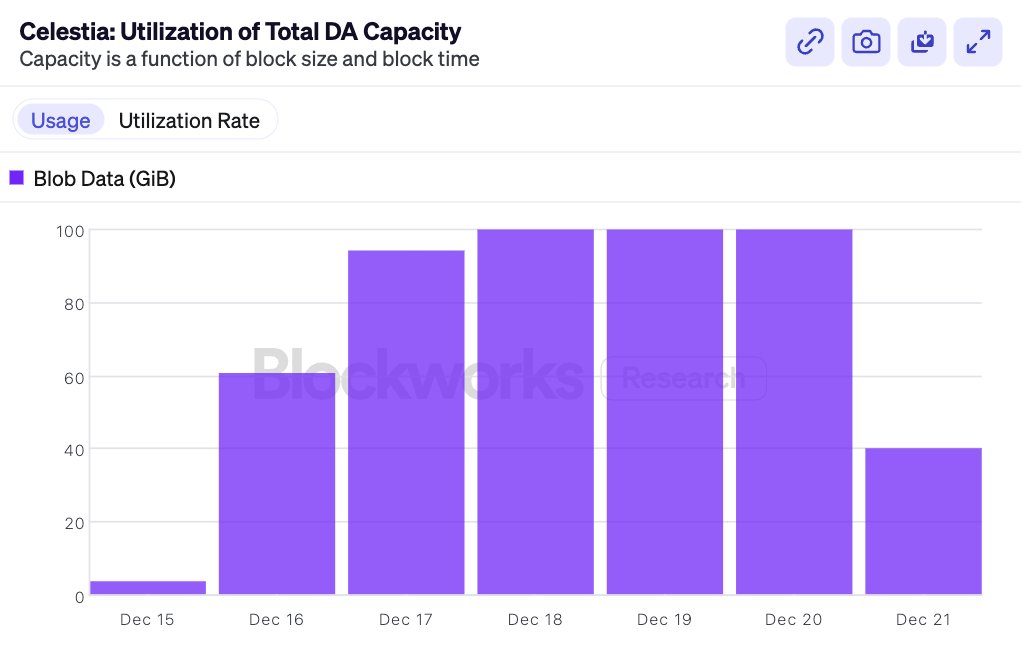
Something notable happened on Celestia this week: 4 consecutive days of ~𝟭𝟬𝟬𝗚𝗶𝗕 𝘁𝗵𝗿𝗼𝘂𝗴𝗵𝗽𝘂𝘁 which mainnet handled smoothly with a 𝟵𝟵.𝟵𝟳% 𝗯𝗹𝗼𝗯 𝘁𝗿𝗮𝗻𝘀𝗮𝗰𝘁𝗶𝗼𝗻 𝗶𝗻𝗰𝗹𝘂𝘀𝗶𝗼𝗻 𝘀𝘂𝗰𝗰𝗲𝘀𝘀 𝗿𝗮𝘁𝗲.
This surge in activity came from a team executing a sustained load test to validate their ~𝟭.𝟯𝗠𝗕/𝘀 (~𝟰.𝟱𝗸 𝗧𝗣𝗦) estimated possible throughput demand ahead of launch.
Thanks to improvements in the Matcha upgrade, like faster block propagation and more robust transaction inclusion, the network achieved a near-perfect blob inclusion rate over a 7-day testing window.
Results like these show that Celestia is ready to power the next wave of high throughput onchain applications. We look forward to welcoming this team, which continues to push the boundaries of performance, along with others like it, to mainnet next year.
𝗧𝗵𝗲 𝗠𝗮𝘁𝗰𝗵𝗮 𝘂𝗽𝗴𝗿𝗮𝗱𝗲 𝗶𝘀 𝗻𝗼𝘄 𝗹𝗶𝘃𝗲 𝗼𝗻 𝗠𝗮𝗶𝗻𝗻𝗲𝘁 - halving inflation, allowing assets from anywhere to be bridged to Celestia, and enabling up to 128MB blocks
.@celestia is now available in Gateway Apps.
Teams can plug in modular blockspace via DAS + erasure coding, publish NMT-structured blobs, and verify on Ethereum with Blobstream—without running bespoke DA infra.
Explore Celestia in Gateway Apps 👇
https://t.co/z3HqjzUVA0