Meet Kolkata’s Alpona Didi.
Every year before Diwali, 74YO Ratnabali steps out at 5 AM to draw intricate alponas on the doorsteps of strangers.
In a city where many young people have moved away and aging parents are often left to fend for themselves, her little lines of joy mean more than you’d think.
Watch the full story on YouTube ➡️ https://t.co/D3AuwdWtDK
#AlponaArt #BengaliCulture #IndianArt
[Traditional Alpona Art Of West Bengal, 74-Year-Old Rantabali Ghosh Reviving Bengali Cultural Heritage]
Every Day, This Couple Travels 54 KM To Water The Saplings They Planted!
Ramesh Kharmane, a forest guard from Dhamankhel village in Junnar taluka, Maharashtra, and his wife are setting an inspiring example of environmental conservation.
In 2012, Ramesh left his job in the Army and returned home to care for his mother during her treatment. It was during this time that he made a commitment to protect the environment, with his wife supporting him at every step.
Together, they spent 60 consecutive days carrying out around 300 hours of voluntary labour on a hilltop, digging 70 pits by hand to conserve rainwater.
Their work covered an area of approximately 412 metres and aimed to help rainwater seep into the ground and ease the village’s water crisis. Their efforts also earned them a place in the Indian Book of Records.
Even today, the couple continues to plant native saplings, preserve seeds and care for the trees they have planted. Through scorching heat and difficult terrain, they travel 54 KM every day to keep their mission alive.
For them, protecting the environment isn’t a one-day activity. It’s a lifelong commitments.
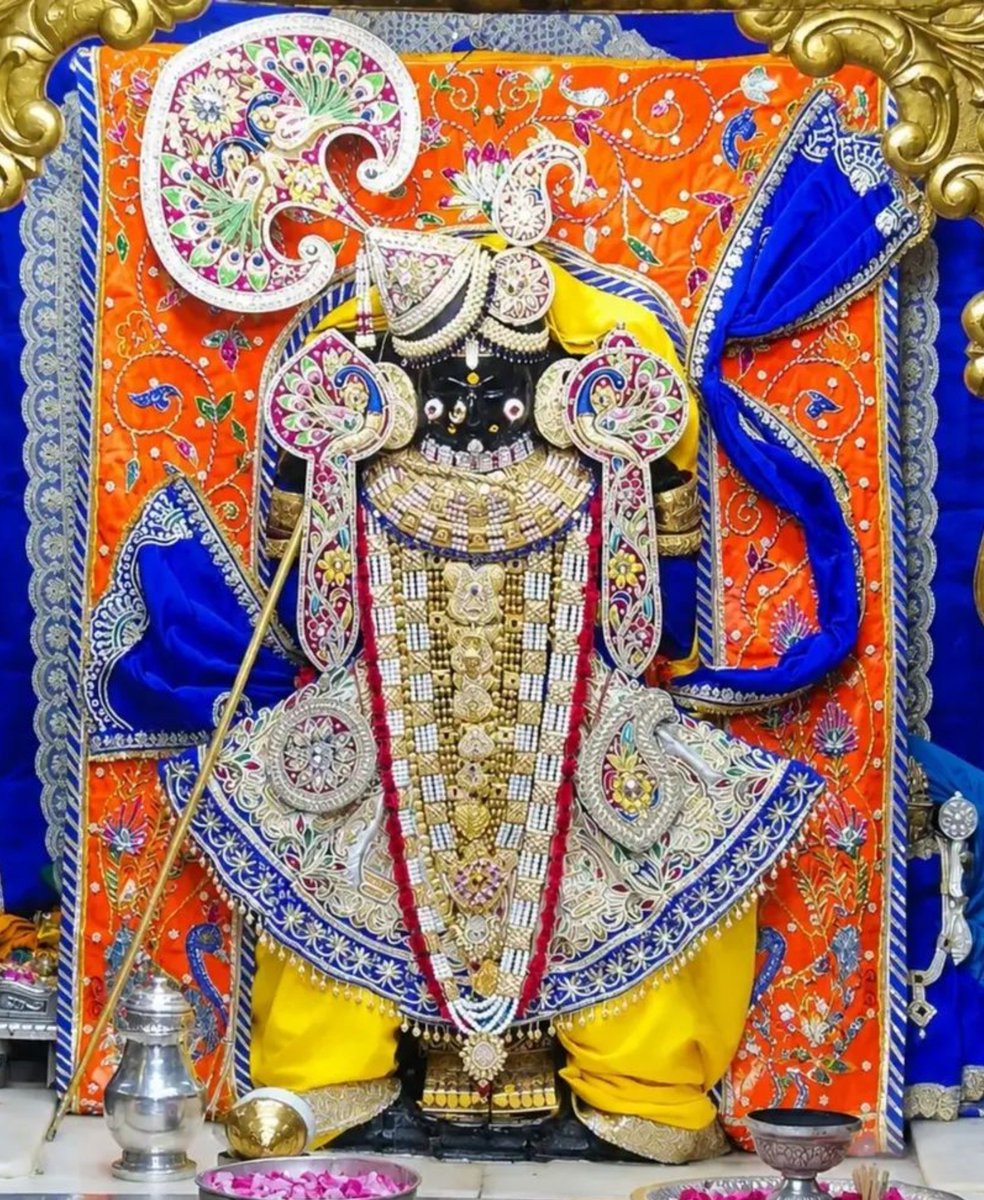
Pāpāṅkuśā Ekādaśī falls tomorrow, 22 October, on the Śukla Pakṣa Ekādaśī of Āśvina. Dedicated to Bhagavān Viṣṇu in His Padmanābha form, the vrata is traditionally associated with the destruction of sins, the welfare of ancestors and the attainment of mokṣa.
According to the Padma Purāṇa, King Yudhiṣṭhira asks Bhagavān Śrī Kṛṣṇa about the Ekādaśī of Āśvina’s bright fortnight. Śrī Kṛṣṇa names it Pāpāṅkuśā and describes the merit of worshipping Bhagavān Viṣṇu and observing its vrata with devotion.
Krodhana, a hunter in the Vindhya mountains, had spent his life harming living beings. Cruelty, violence and sinful deeds marked his conduct, with little kindness towards others. As old age approached, he feared death and the suffering his actions might bring after it.
Seeking redemption, he approached the sage Aṅgirā, confessed his fears and asked how he could be freed from the burden of his past deeds. The compassionate sage instructed him to observe Pāpāṅkuśā Ekādaśī, explained its significance and guided him through the observance.
Krodhana sincerely followed these instructions, kept the fast and performed the prescribed rituals. Through the vrata’s merit and Bhagavān Viṣṇu’s grace, he received an opportunity for spiritual redemption.
The Purāṇa also describes the vrata’s benefits for one’s ancestors and emphasises devotion and righteous conduct.
Rituals and Observances
Worship Bhagavān Viṣṇu as Padmanābha with flowers, Tulasī leaves, incense, a lamp and naivedya. Fast according to capacity, recite the Viṣṇu Sahasranāma and listen to the vrata’s story. Offer food and other necessities to those in need.
Above all, Śrī Sītārāma Nāma Japa is itself one of the greatest forms of prayer. Sincere repetition of the Divine Name gradually purifies the mind, strengthens the heart and sustains us through difficulties that may seem impossible to overcome.
Pāpāṅkuśā Ekādaśī reminds us that devotion can transform our lives. Restraint, prayer, charity and remembrance of Śrī Hari help us overcome harmful tendencies and walk the path of Dharma.
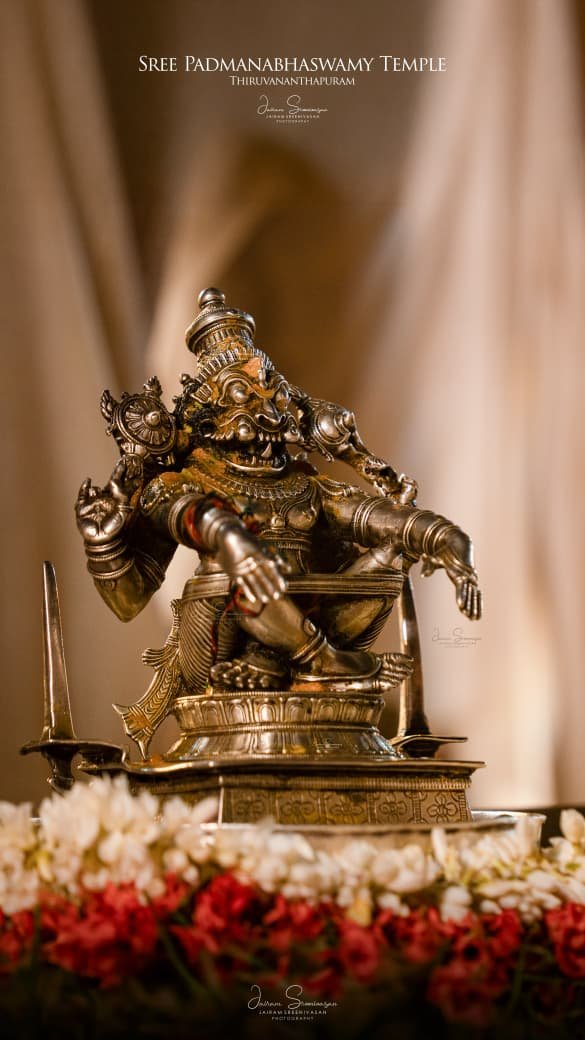
The Ugra Narasimha of Thiruvananthapuram
Fold your hands before Him and beg for help, protection, and forgiveness. Those familiar with the temple know how quickly He answers prayers.
He is the protector of devotees and the destroyer of evil.
I speak from personal experience.
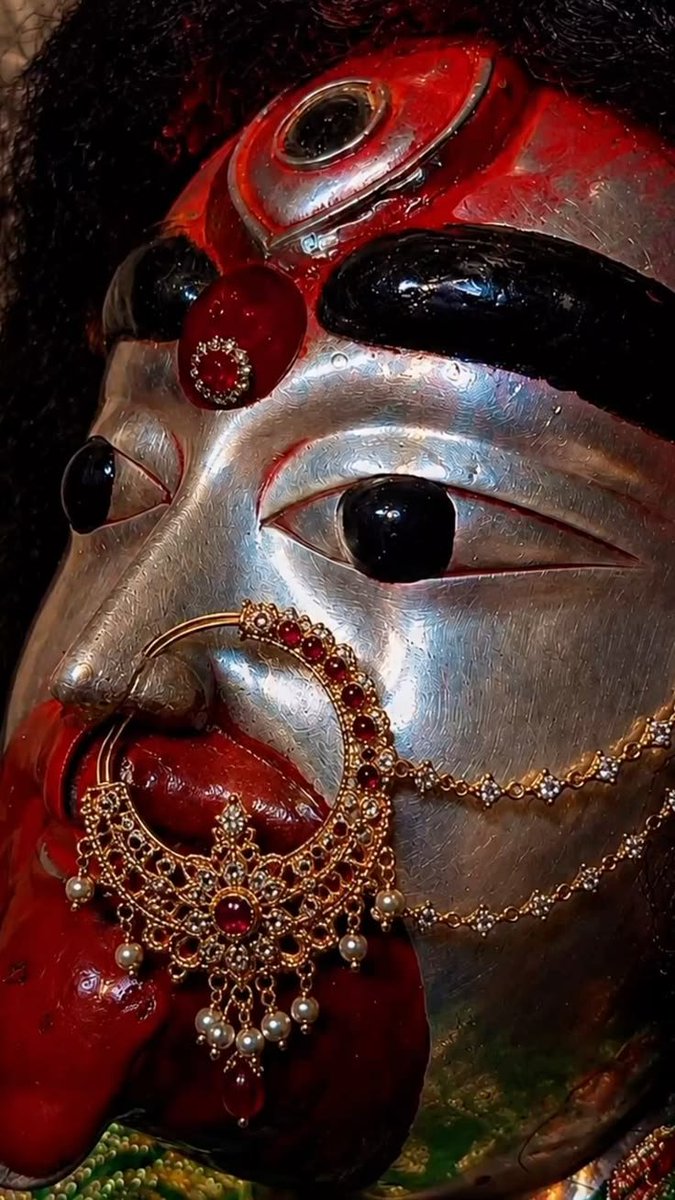
Nimajjan Majjīvaḥ… 🙏
The murti is immersed in water,
but Adi Shankara asks
that the jīva remain immersed
at Devi Maa feet like a bee
that has found its nectar.
Visarjan is not the end of her presence.
The form leaves our sight
Shakti remains within.
Jaya Jaya Shakti 🙏🪷
#PoliceCommemorationDay#LestWeForgetIndia🇮🇳 the TEN gallant #IndianBraves of Central Reserve Police Force @crpfindia who made the supreme sacrifice defending India against a Chinese attack at Hot Springs, #AksaiChin, Ladakh, #OnThisDay 21 October in 1959.
The day commemorates the sacrifices of ten Braves at Hot Springs in Ladakh while defending our borders with China.
On 20 October 1959, three reconnaissance parties were launched from Hot Springs in North Eastern Ladakh. While members of two parties returned to Hot Springs, the third one comprising of two Police Constables and a Porter did not return.
To search for the missing unit, CRPF created a new unit. As the unit approached a small hill, Chinese troops started firing. Ten policemen died in the firing, while the Chinese captured seven.
A month later, the Chinese soldiers returned the bodies of the Indian police officers.
After this incident a resolution was passed at the Annual Conference of Inspectors General of Police of States and Union Territories in January 1960, recognising 21 October as the Police Commemoration Day.
Today, sixty-seven years on, we remember and honour the service and supreme sacrifice of the TEN #IndianBraves and salute all the men and women in Khakhi who serve. 🏵️
Padma Vibhushan Dr. Umayalpuram Sivaraman at 80+ navigates complex tala structures (rhythmic cycles) with absolute ease.
Thats the iconic "Umayalpuram sound" that mathematical precision of sub-second accuracy where every solkattu lands with crystalline clarity.
Even at blazing speeds, every single stroke (Tha, Dhi, Thom, Nam) retains its individual character without any distortion. That’s pure Umayalpuram Nadham for you, a bell-like timbre on the right head balanced by a deep, vocal bass on the left. This man is a true genius.
3 ways of being of the Mother
— Transcendent, the supreme Shakti
— Universal, the cosmic Mahashakti
— Individual, the divine Nature
#SriAurobindo#IntegralYoga#Consciousness