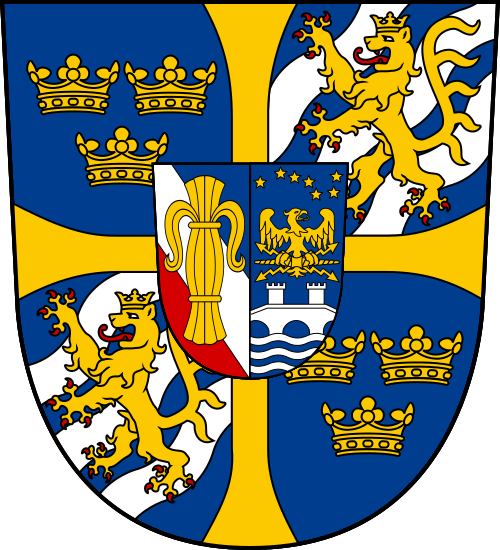
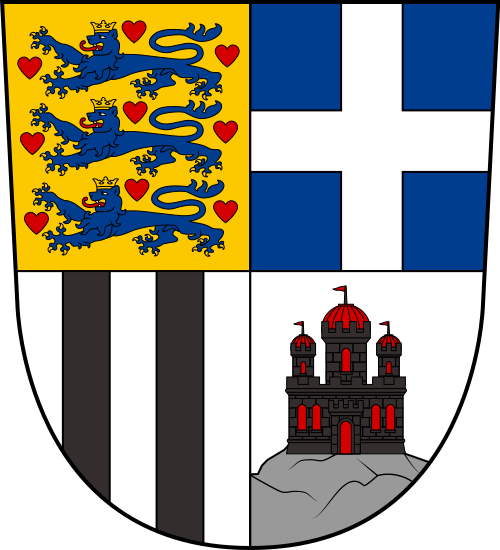
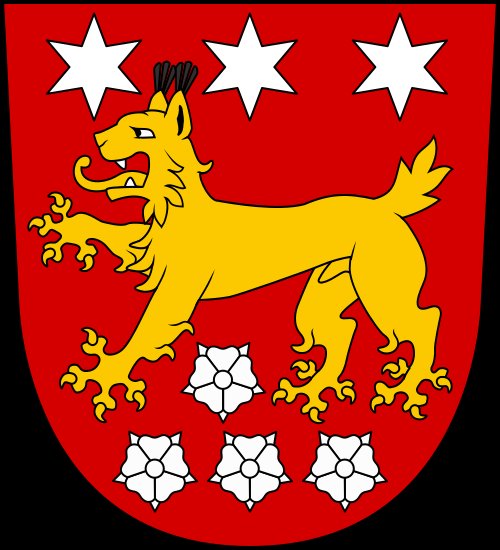
#heraldry#sweden The Swedish three crowns (tre kronor) symbol was first used on the seal of King Magnus Ladulås, who ruled between 1275 and 1290. The symbol was later put onto the royal coat of arms in the 14th century. While the original symbolism (if any) is unknown, (1/2)
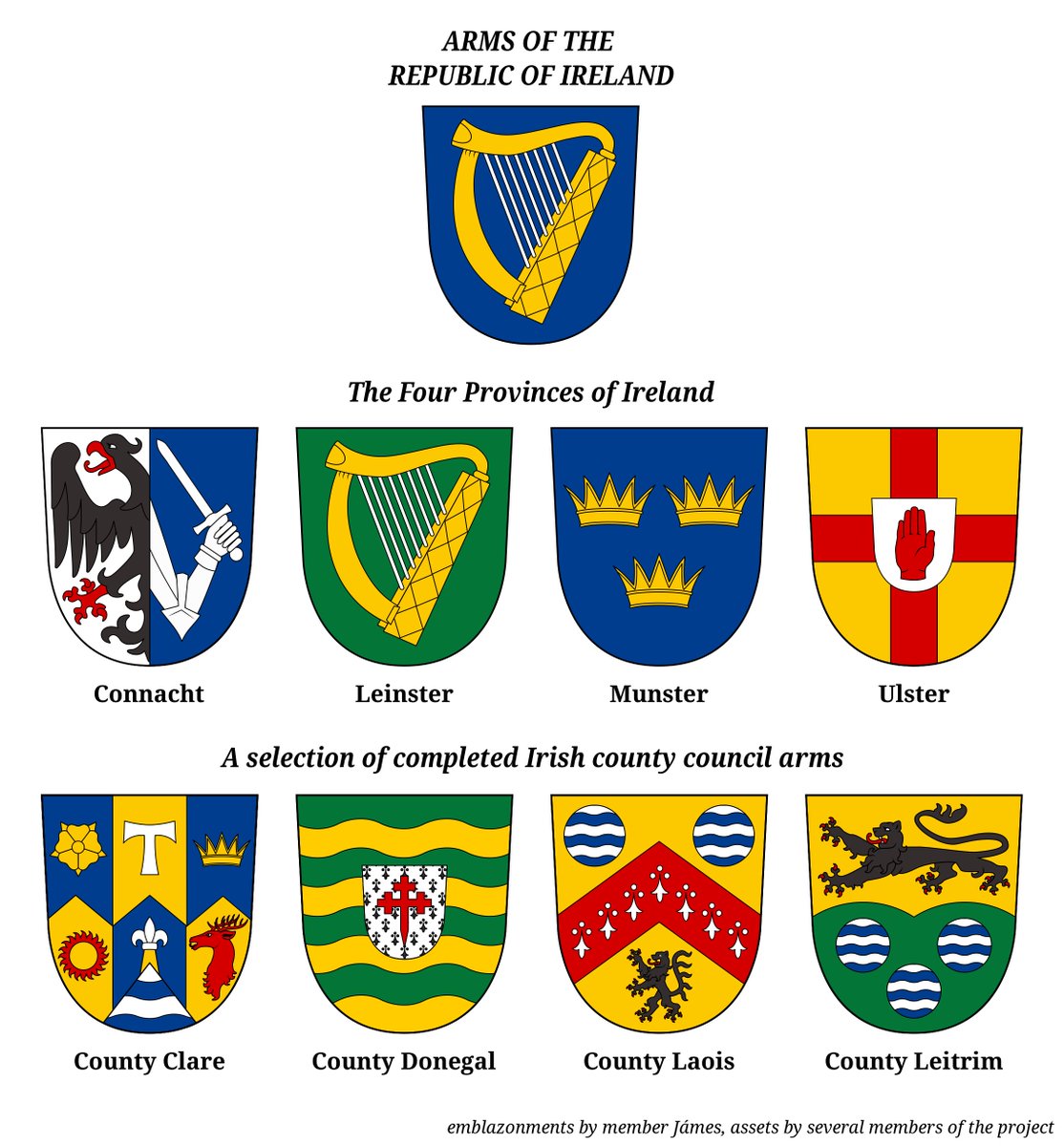
To mark St. Patrick's Day, here are the arms of Ireland, its four historical provinces, and a selection of the few county council arms which have been completed so far.
#heraldry#StPatricksDay#Ireland
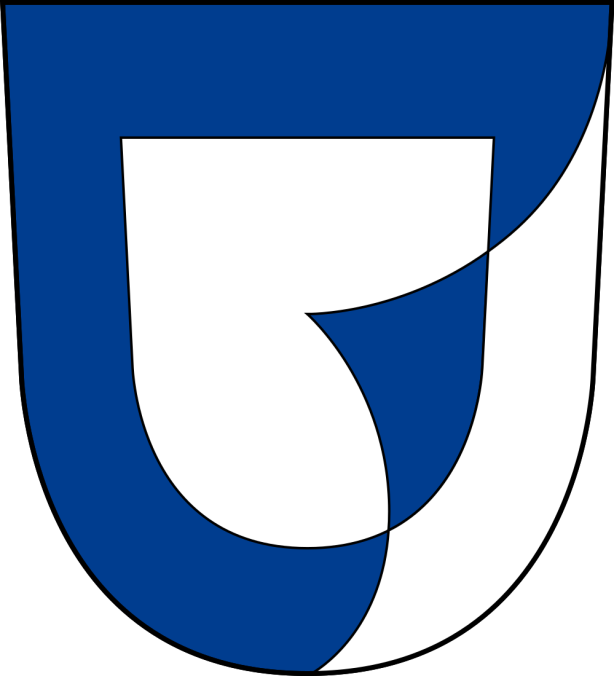
Our newly adopted coat of arms, designed by Loggail and emblazoned by Bongo. These arms are blazoned as: "Azure, a gore sinister argent, overall an escutcheon counterchanged."
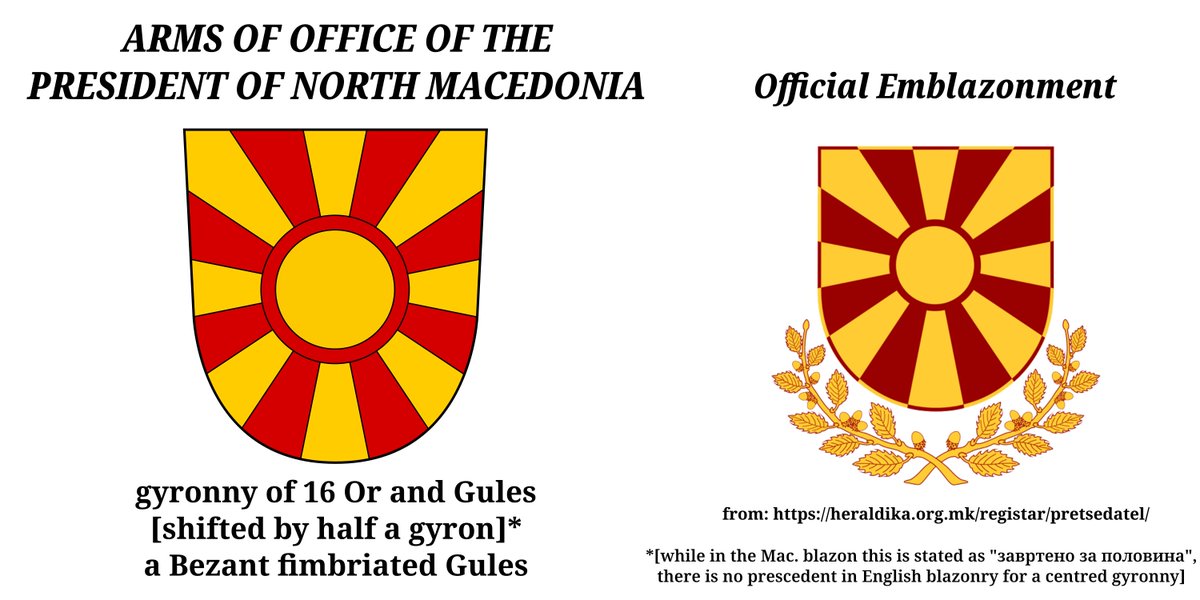
While the Republic of North Macedonia does not have a heraldic national coat of arms, in 2009 arms of office of the President of North Macedonia were adopted, designed by members of the Macedonian Heraldic Society.
https://t.co/yXfXHc7mEb
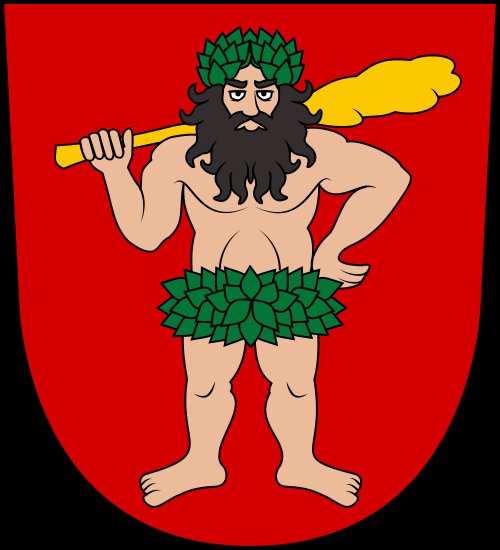
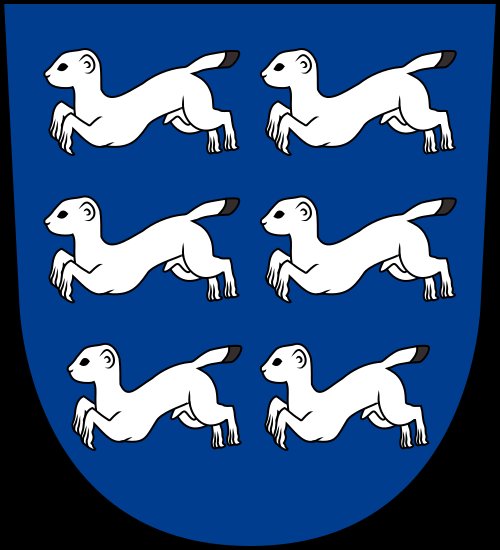
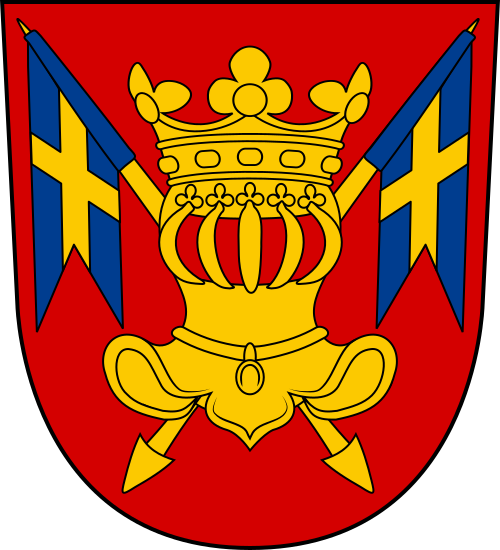
Today, 6 December, is Finland's Independence Day. Here are all of the Finnish national and subdivisional arms emblazoned as a part of the EH project so far.
realized there havent been posts here in a while, here's some recently finished arms from the project (all finnish subdivisions, files by loggail)
Finland Proper
South Ostrobothnia
Lappland
Tavastia Proper
@Mich_GDL (or maybe they only started depicting the lion and sun on a shield when they were admitted to the Order of the Garter? not sure, but it continued after the Shahs of Iran no longer were members)
Knights of the Order of the Garter have their heraldic devices displayed in St. George's Chapel. When the knight is a monarch from a country without traditional heraldry, their emblem is adapted into a coat of arms - with mixed results. One of the better examples is the arms<ctd>
@Mich_GDL Abdul Medjid I and Abdul Aziz of the Ottoman Empire, Haile Selassie of Ethiopia, Naser al-Din and Muzaffir al-Din of Persia (already had arms)
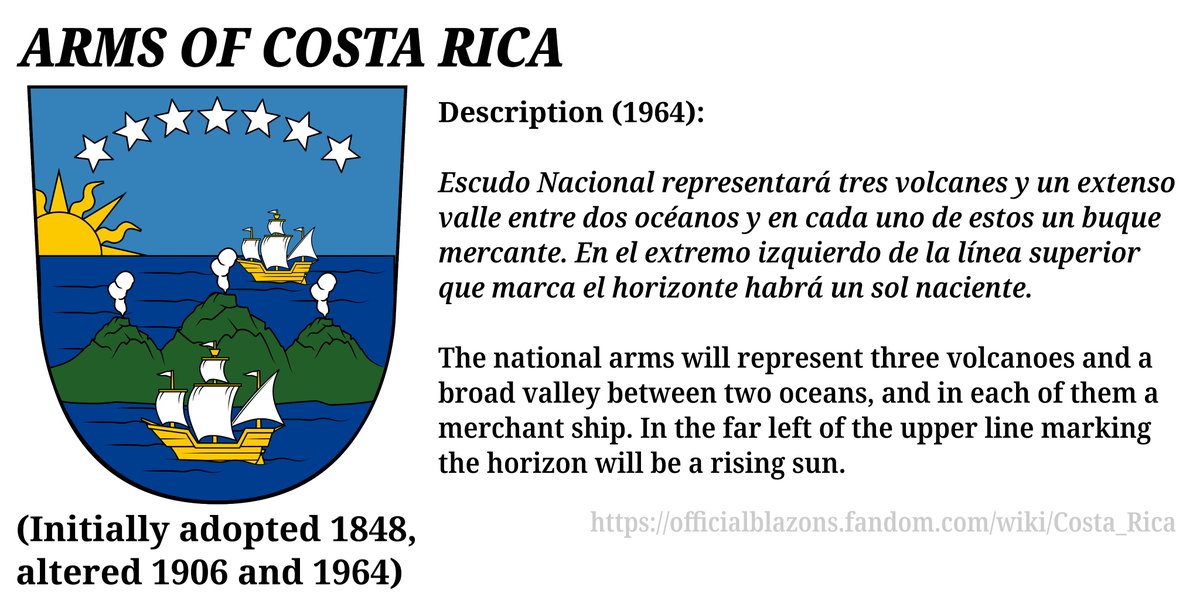
Correction: the 1906 alteration removed some external ornaments, the 1964 alteration increased the number of stars, and the alteration that added the smoke was in 1998.
Today is the #DiaDeLaIndependencia of five Central American republics; Guatemala, Nicaragua, Costa Rica, El Salvador, and Honduras. The focus of this post, Costa Rica, adopted its own national coat of arms in 1848, following the dissolution of the initial Central American state.
and the seven stars represent Costa Rica's seven provinces.
After its initial adoption, the coat of arms was altered twice: in 1906, the stars representing the provinces were increased from five to seven, and in 1964 the volcanoes were given smoke.
#heraldry