This diversity is more than a geographical curiosity. These ecosystems support thousands of species, regulate water systems, store carbon, protect coastlines, and sustain millions of people.
West Bengal reminds us that nature does not exist in isolated pieces. Mountains, rivers, wetlands, forests, and coastlines are all connected.
Swipe through and explore one of India's most fascinating ecological journeys.
📍 Which ecosystem surprised you the most?
#WestBengal #Sundarbans #Darjeeling #Dooars #Biodiversity #IndianWildlife #NatureEducation #Conservation #Environment #Ecology #WildlifeIndia #NatureLovers #IncredibleIndia
Most people know West Bengal for its cities, tea gardens, or the Sundarbans.
What many don't realize is that this single state contains an extraordinary range of ecosystems.
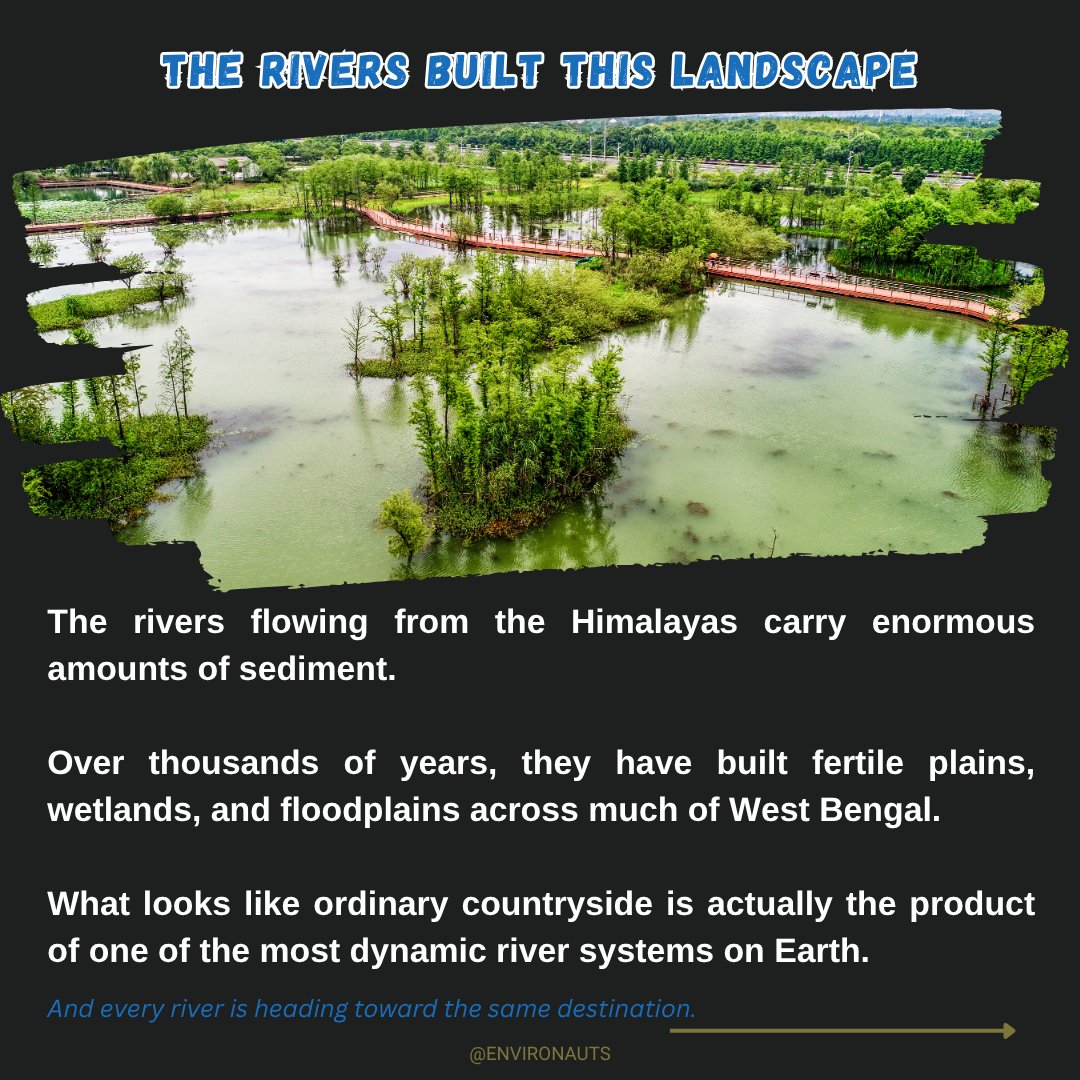
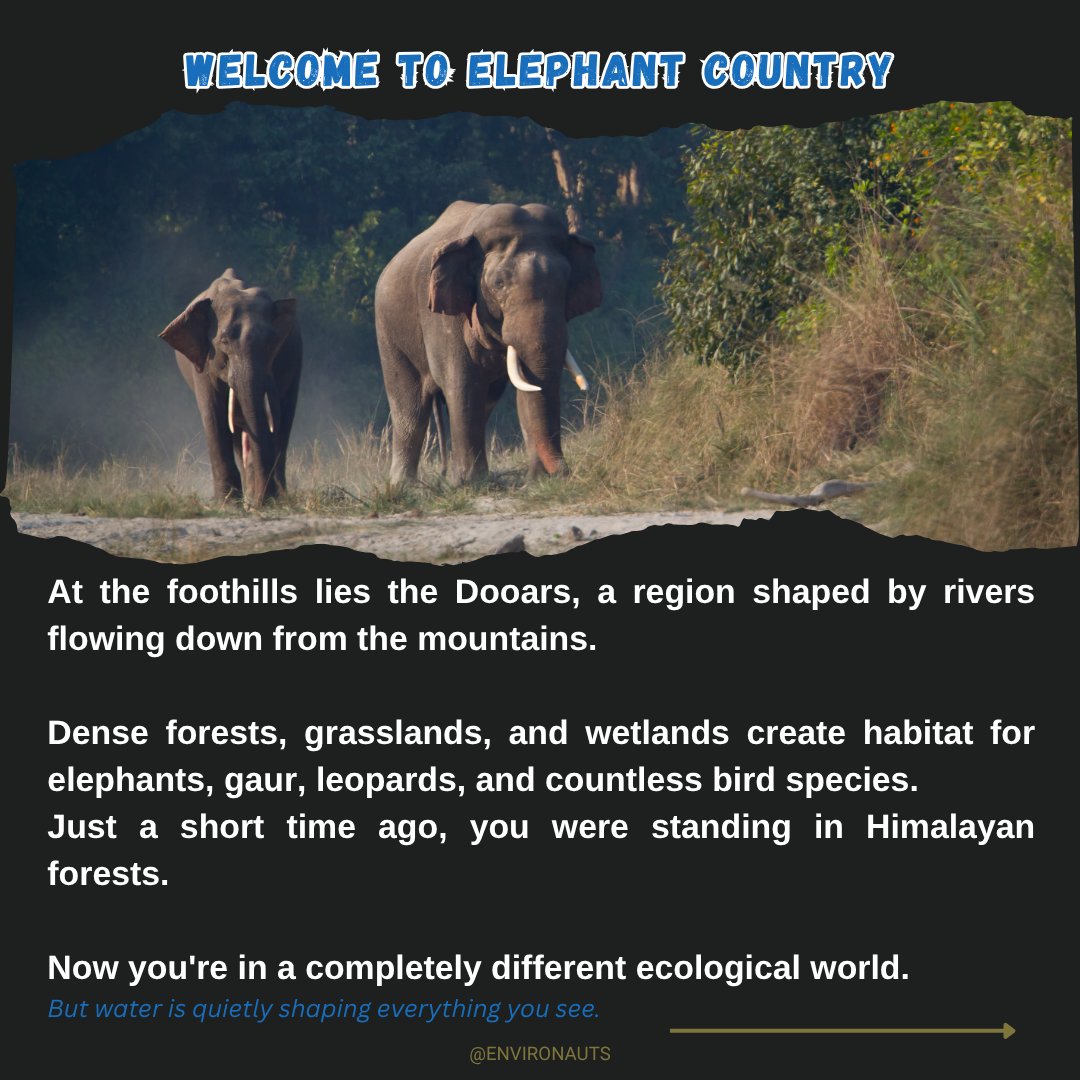
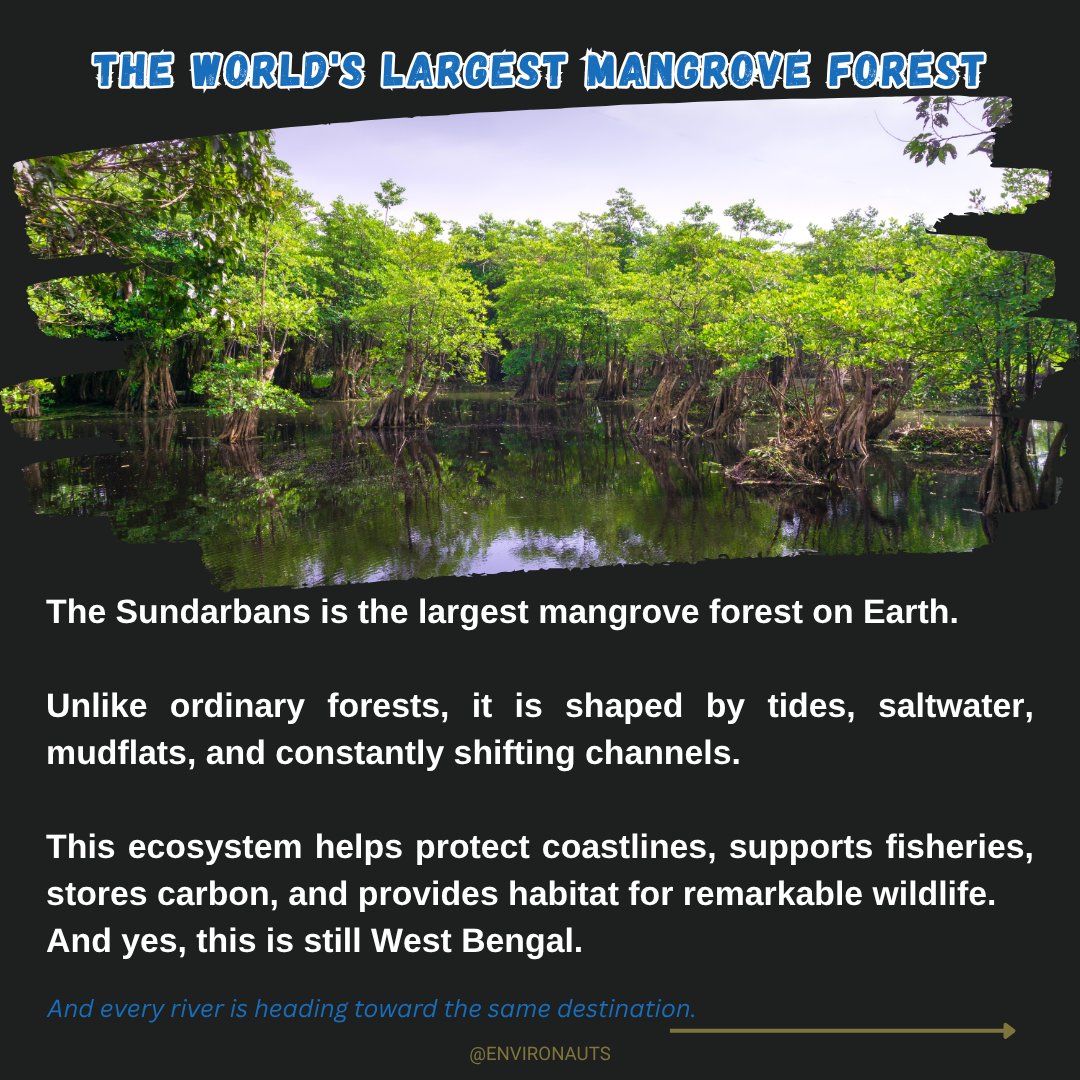
The journey begins in the Eastern Himalayas, passes through the forests and grasslands of the Dooars, crosses vast river plains and wetlands, and ends in the Sundarbans—the largest mangrove forest on Earth.
Few places in India allow you to travel through such dramatically different landscapes without ever leaving the same state.
Cheetah are returnjng to Gujarat after decades but their Legacy is still alive and welll.
Rabari and Maldari of Kutch still Mention cheetah in their songs and stories.
Full Video : https://t.co/E0L9g1O8bB
#CHEETAH#RABARI#KUTCH#BANNI#kuno
A tiger that looks almost black should feel like a miracle of evolution.
But inside Similipal’s forests, scientists see something more complicated.
These rare black tigers exist because of a genetic mutation one that became increasingly common as the tiger population grew isolated from other forests.
#BlackTiger #Similipal #TigerConservation #WildlifeIndia #NatureDocumentary #BengalTiger #Conservation #IndianWildlife #BigCats #WildlifePhotography #Environment #Ecology #NatureEducation #WildlifeFacts #ForestConservation #WildlifeStory #IndiaWildlife #PseudoMelanism #Nature
3/4
What surprised me while researching this topic was realizing that India also has underwater grasslands.
Some of the most important seagrass ecosystems in India exist in:
• Gulf of Mannar
• Palk Bay
• Andaman & Nicobar Islands
• Lakshadweep
• parts of Gujarat near the Gulf of Kutch
That part honestly felt personal to me.
Kutch is usually associated with deserts, salt flats, mangroves, and flamingos.
But hidden underwater grasslands also exist near the same coastline.
1/4
When people hear “grassland,” they imagine places on land.
The Serengeti.
Prairies.
Maybe Banni in Kutch.
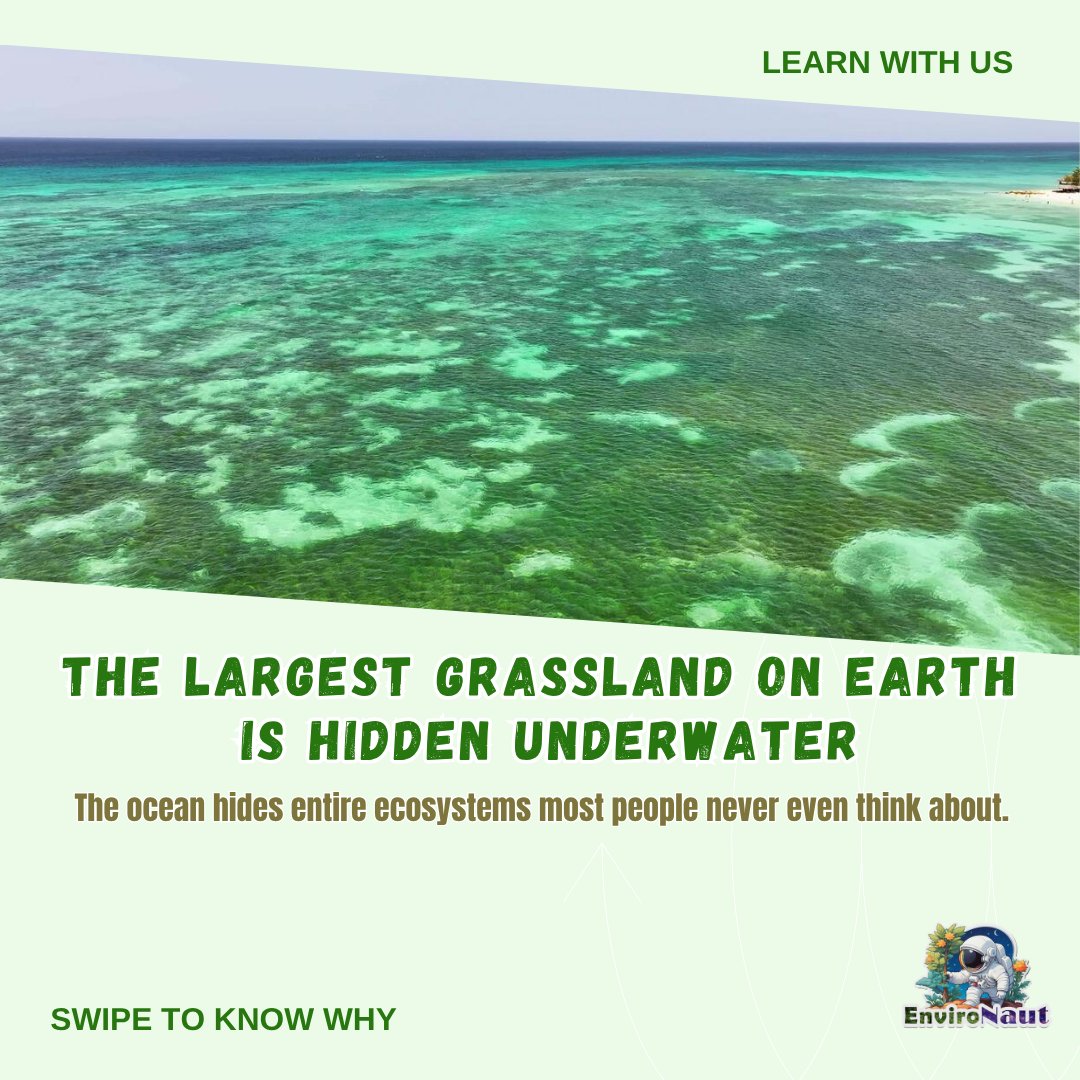
But Earth’s largest grasslands are actually underwater.
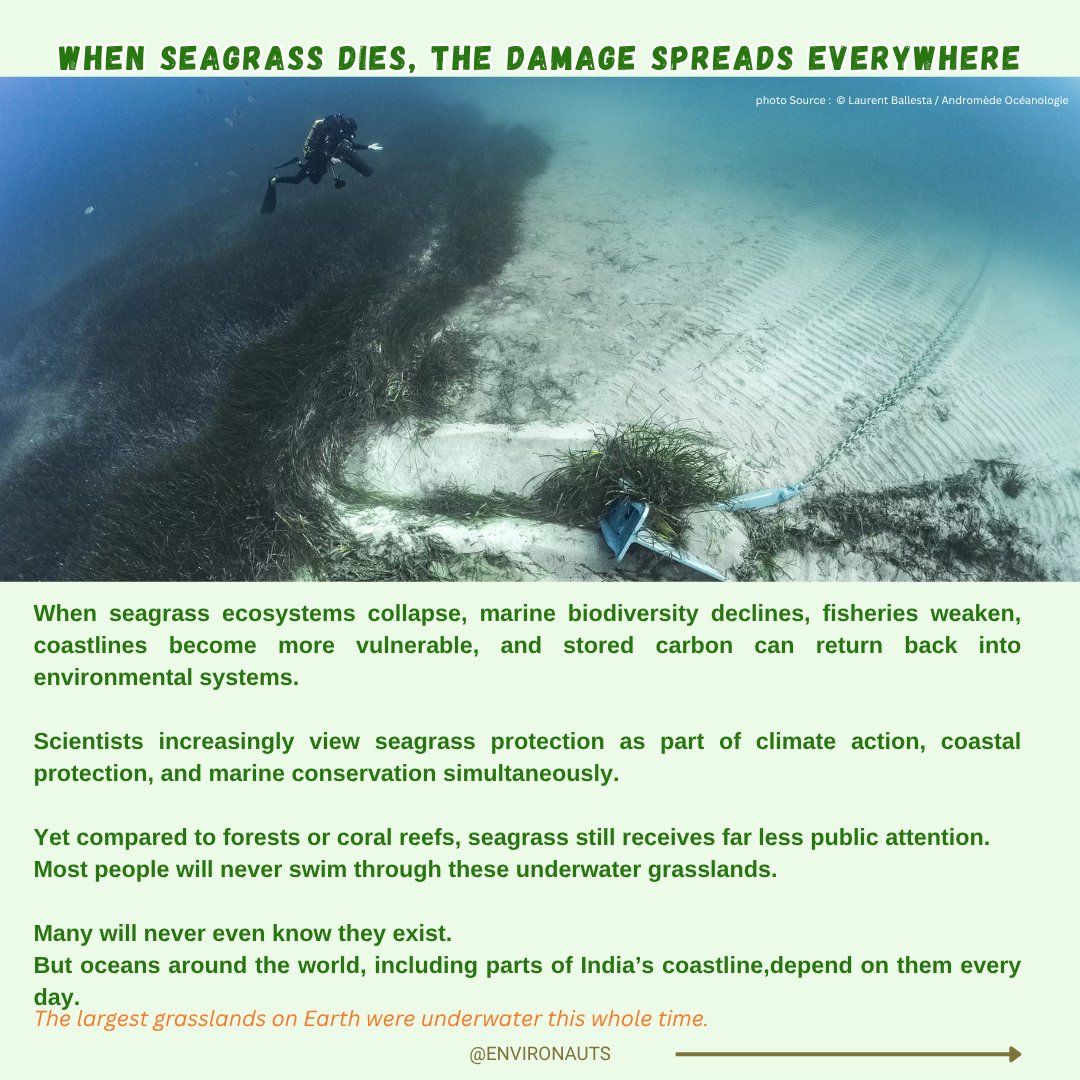
Beneath shallow coastal seas, massive meadows of seagrass stretch across the ocean floor — supporting marine life, protecting coastlines, and storing huge amounts of carbon.
Most people never even hear about them.
2/4
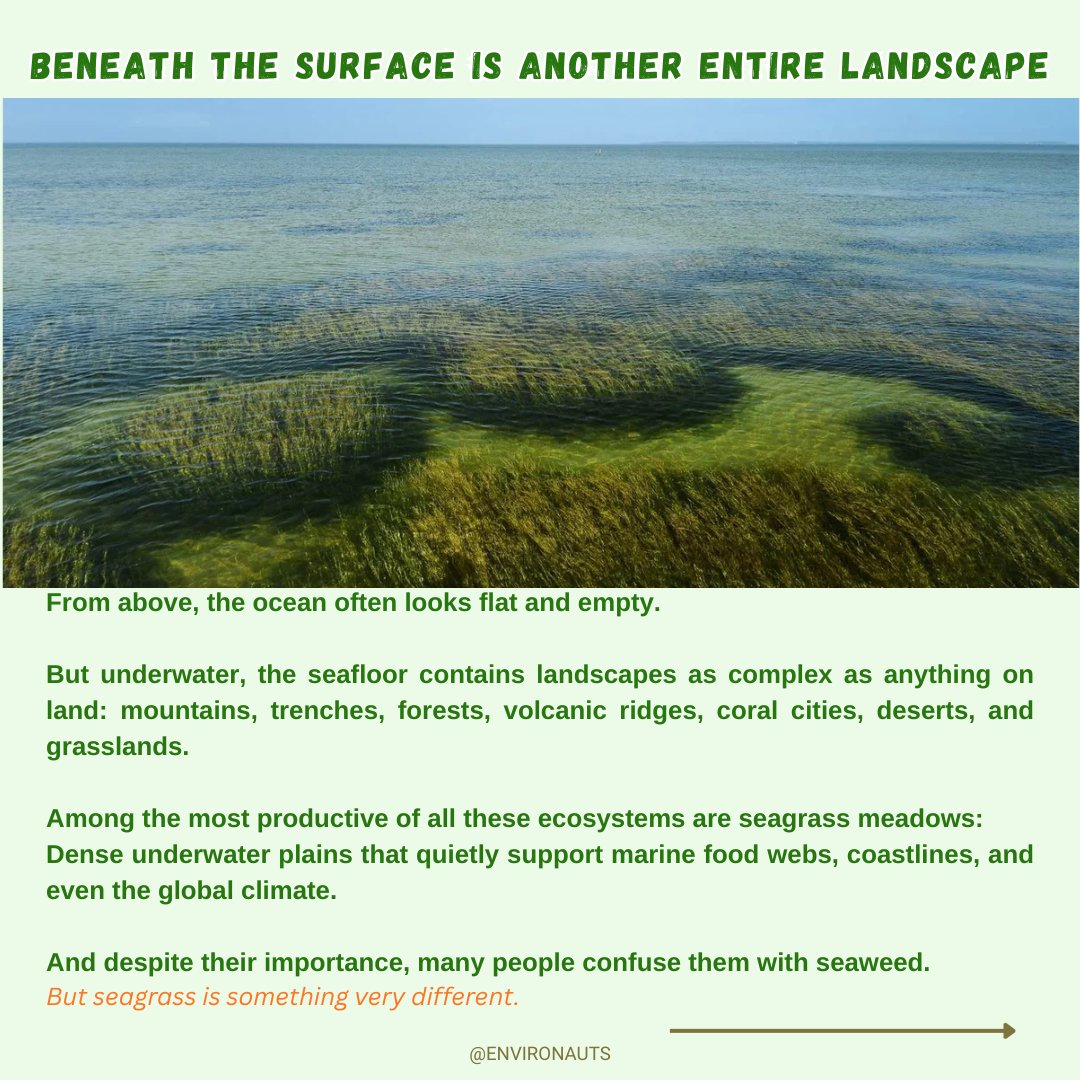
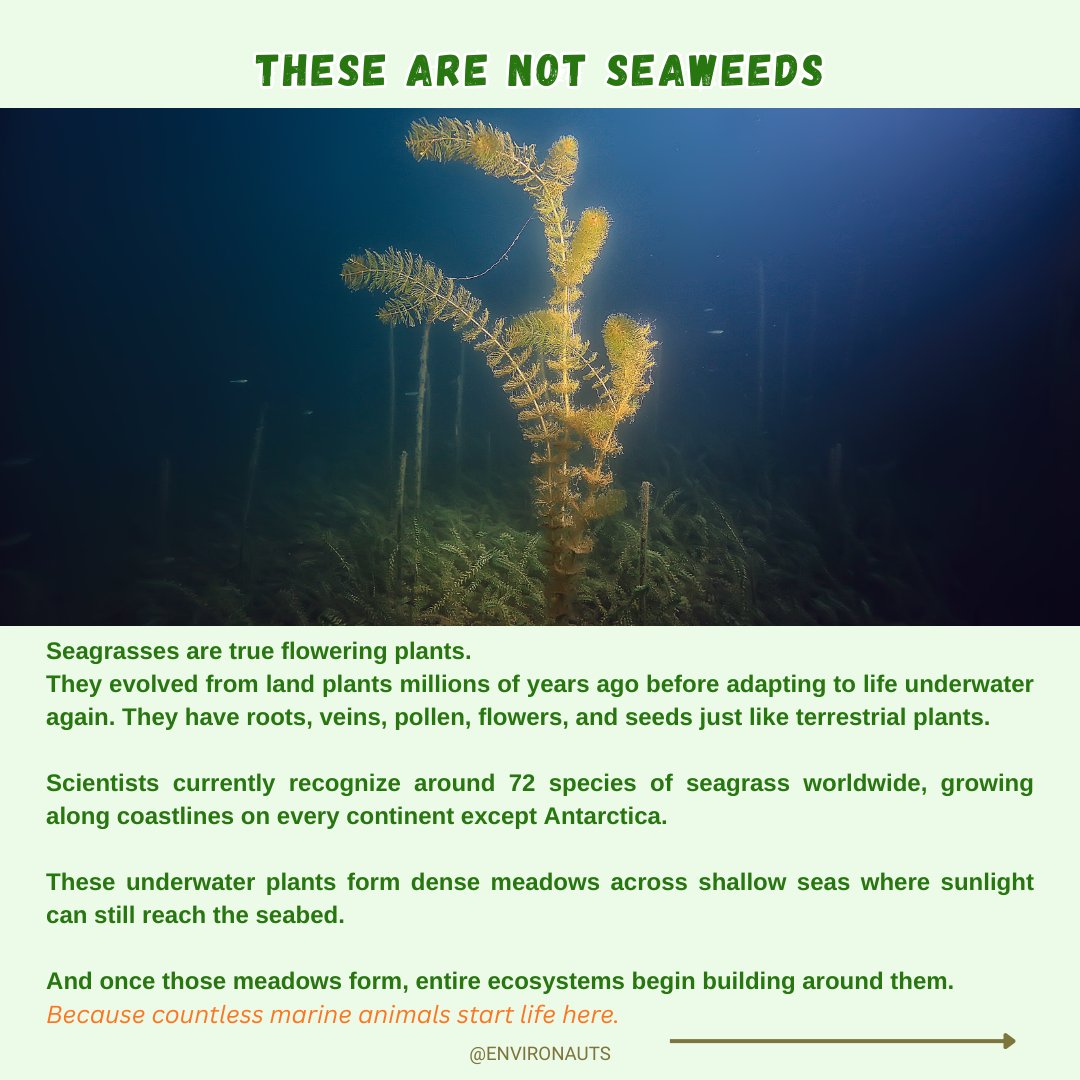
Seagrass is not seaweed.
These are actual flowering plants with roots, veins, pollen, flowers, and seeds.
They form underwater meadows where young fish, crabs, shrimp, turtles, seahorses, and dugongs grow, feed, and survive.
Scientists also consider them one of the planet’s most important “Blue Carbon” ecosystems because they trap carbon beneath ocean sediments for centuries.
Ever notice how cranes and seagulls suddenly appear in India every winter? 🐦 It’s all because of the way Earth is tilted!
This video breaks it down beautifully – why we have seasons, how animals migrate or hibernate, and why our planet’s tilt is just perfect for life. The footage is gorgeous!
If you love nature or science, don’t miss it 🌍
#BirdMigration #Seasons #EarthTilt #IndiaWildlife #NatureLovers
Cities like Pune and Chennai have started redesigning streets:
• better footpaths
• safer crossings
• slower traffic
• space for trees
Not perfect—but a shift.
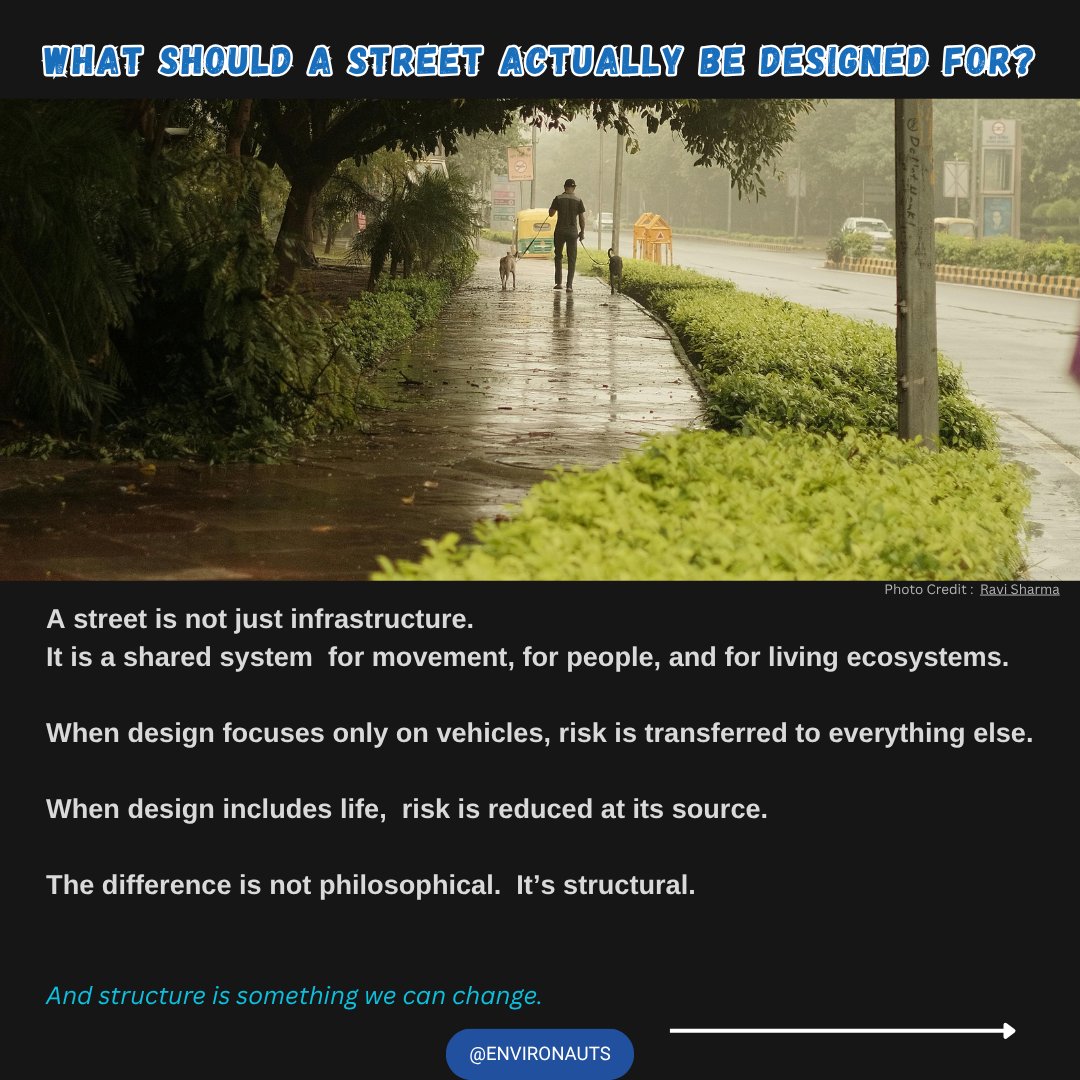
Because streets aren’t just for movement.
They’re shared spaces.
And how we design them decides
who feels safe… and who doesn’t.
Next time you step out, just observe.
Here’s the part we don’t think about:
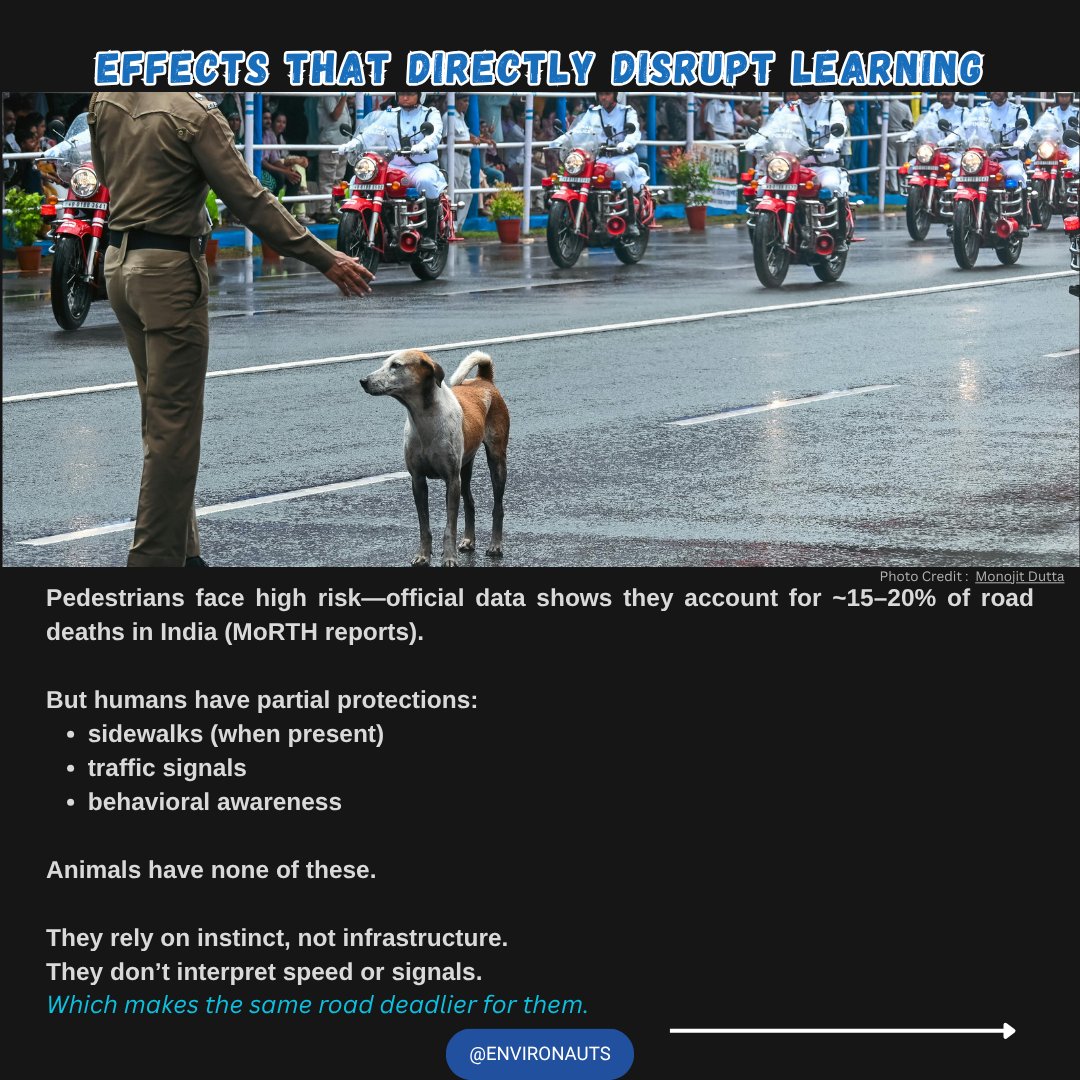
Humans at least have some protection
signals, footpaths (sometimes), and awareness.
Animals have none.
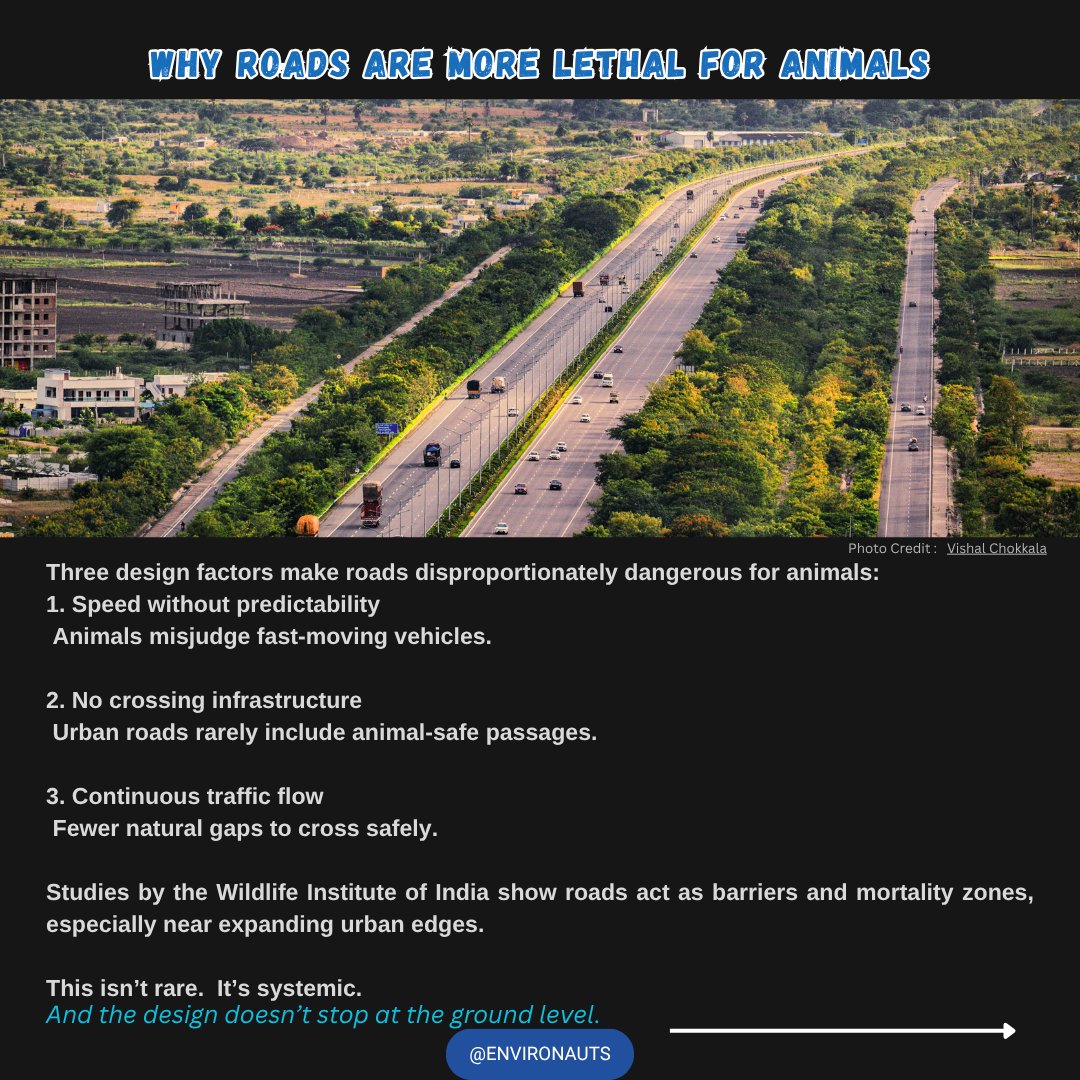
They don’t understand speed.
They don’t read traffic.
So the same road becomes far more dangerous for them.
And when trees disappear for wider roads,
birds lose space too.
But some cities are trying to fix this.
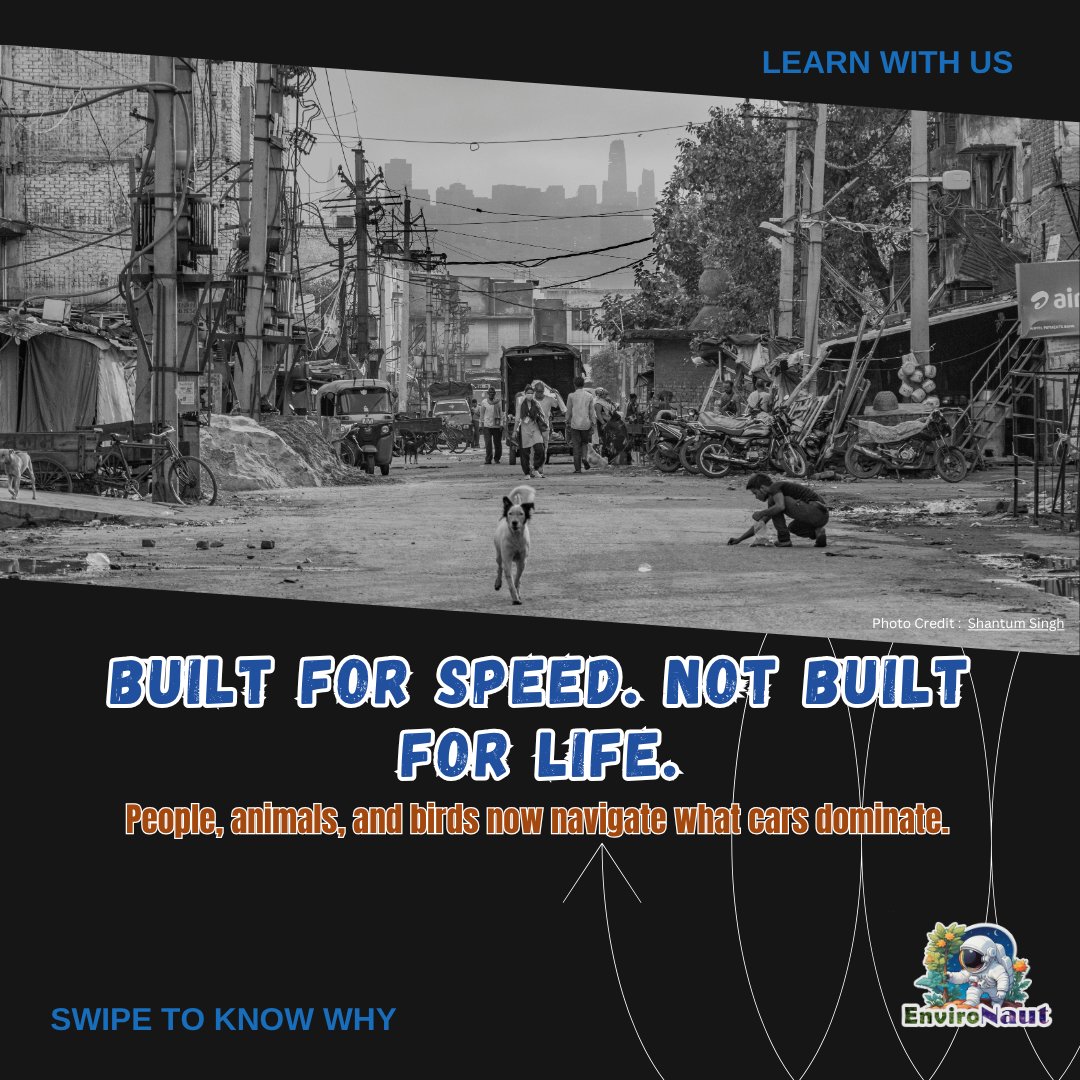
I didn’t think much about streets before.
It was just… normal.
Traffic, noise, people crossing however they can. Dogs sitting in the middle like they belong there (they kind of do).
But recently I started noticing small things.
A man waiting way too long just to cross.
A dog confused in the middle of moving traffic.
A road that feels wide… but still not safe.
And then it hit me this space isn’t really designed for most of the life that uses it.
It’s designed for vehicles.
Everything else is adjusting.
People learn to time their steps.
Animals learn to survive somehow.
Trees just… disappear.
I went down a bit of a rabbit hole after that, reading about urban planning in India, street design, pedestrian safety… and it started making sense.
We didn’t plan it this way intentionally.
But as cars increased, streets slowly changed to keep up with them.
Wider roads. Faster movement.
Less room for anything that slows it down.
And maybe that’s why walking feels harder now.
Why cities feel hotter.
Why you don’t see as many birds on busy roads anymore. At the same time, I also came across what Pune and Chennai are trying with “Complete Streets.”
Not perfect, but at least it shows things can be different.
This post isn’t a solution.
It’s more like a thought that stayed with me.
Because once you notice how a street actually works…
you can’t really unsee it.
Next time you’re out, just pause for a moment.
Look at the road.
And ask yourself, who is this really built for?
#urbanplanning #indiancities #streets #pedestriansafety #wildlifeindia #citylife #sustainablecities #roaddesign
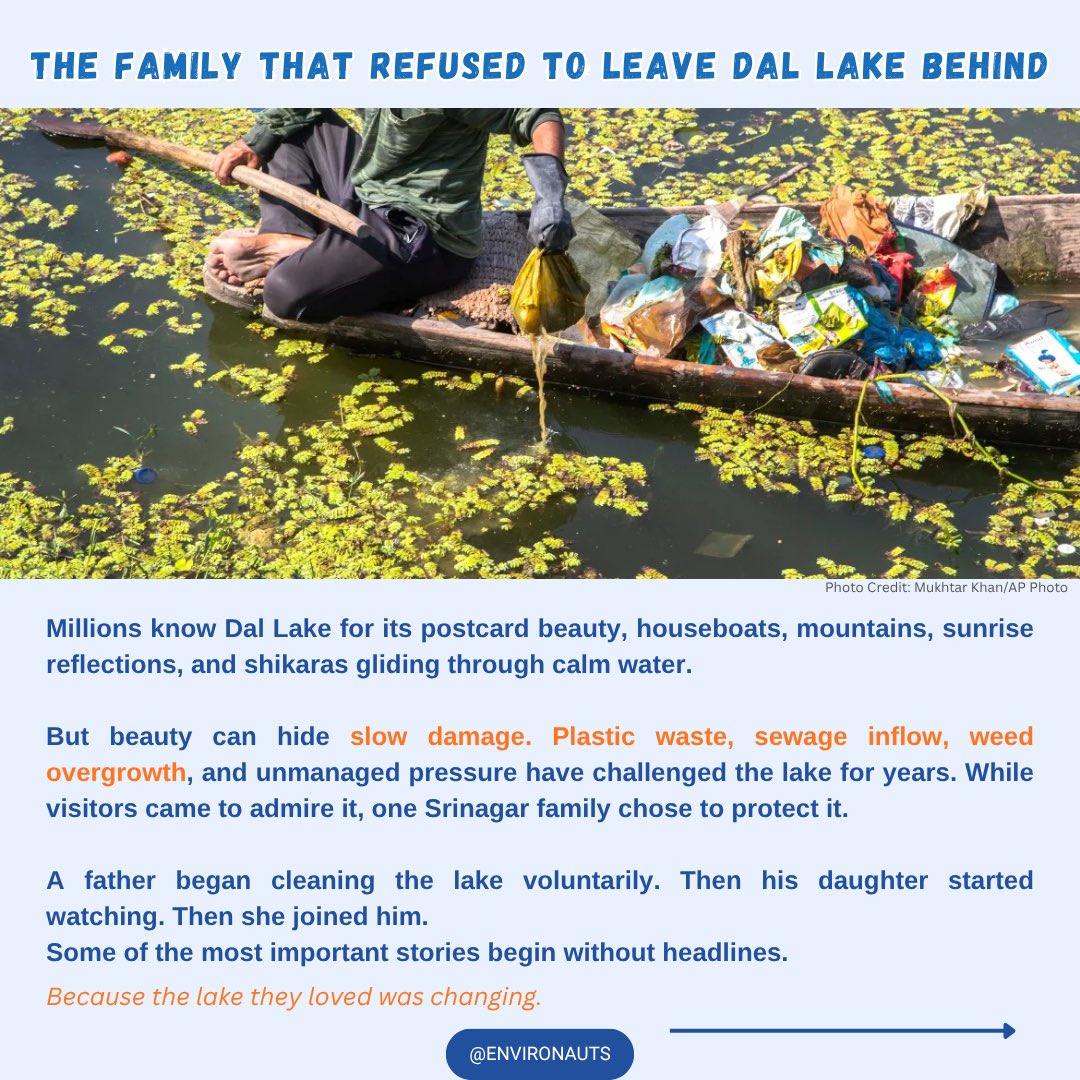
Most people know Dal Lake for its beauty.
Few know the family that kept showing up when no one was watching.
For years, Tariq Ahmad Patloo helped clean parts of Dal Lake, removing floating waste and debris from one of Kashmir’s most iconic lakes.
Then his daughter Jannat joined him. 🧵👇 #j&k #kashmir #dallake