We have entered the era of MedEd hyperabundance.
I spent the last two weeks exploring and reviewing new medical education sites and resources. There is now more great content than any of us could possibly read, watch, listen to, think about, and digest.
Finding good content is no longer the problem. Finding the time to actually consume it is.
I think the Frank-Starling curve of medical education is approaching its flat part. The content keeps coming. Our time and cognitive bandwidth don’t.
At some point, more content raises the filling pressure, not the stroke volume.
(Yes, I’m part of the problem.)
MedEd hyperabundance → study paralysis?
#MedEd #FOAMed
@IM_Crit_ I think we definitely should reconsider the idea of ketamine always enhancing sympathetic tone. I've found it to be useful in ICU sedation of hemodynamic unstable patients but less useful on induction.
📚 Exam Tips:
• Penicillin anaphylaxis? → Type I
• Hemolytic anemia post-drug? → Type II
• SLE nephritis? → Type III
• PPD test + rash after 3 days? → Type IV
💡 Save this thread + infographic
🔁 Retweet if you wish you had this during MBBS!
#MedEd#USMLE#NEETPG#AIIMS #FMGE #Immunology #Autoimmune #ClinicalPearls
If you’ve been curious like me about what these 'interfaces' the hemodynamic wizards keep mentioning on X actually mean, the must-read paper is finally out, featuring @ThinkingCC@khaycock2@edu_kattan@icmteaching and the whole crew of hemodynamic pros.
#POCUS#VeXUS#Nephpearls
🔗https://t.co/r0ZJco6I7n
@JEGAYTAN90 My question is… why would you cannulate a vein with a thrombus in it? Also, do you have any protocol for anticoagulation in this situations?
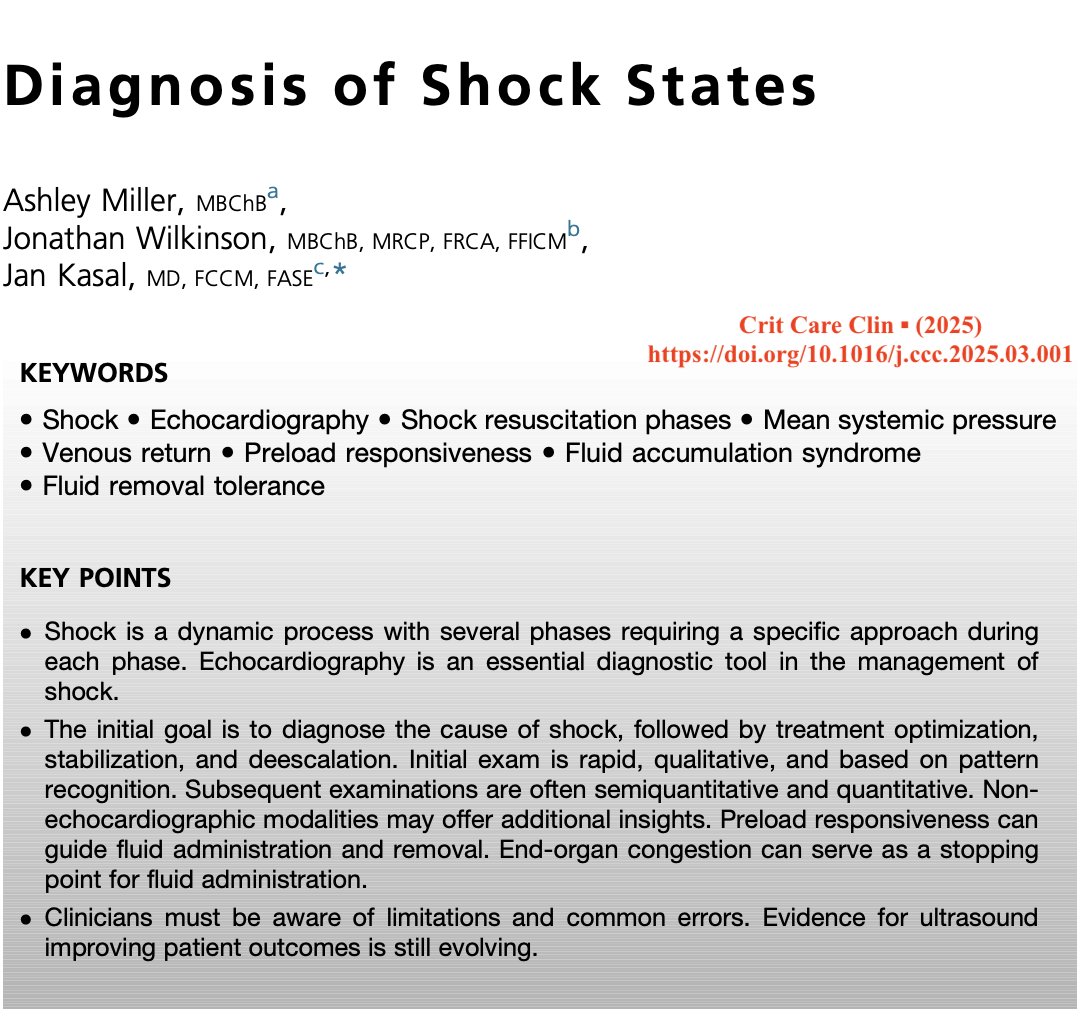
A great review by @icmteaching, @Wilkinsonjonny and Dr Kasal discussing the use of #POCUS in the four phases of shock
BTW, nice blend of (patho-)physiology references & bedside applications!
Venous excess ultrasound: A mini-review and practical guide for its application in critically ill patients
CCR Journal Watch - tracking the critical care literature daily
https://t.co/Sp06oA6IDG
ICU Mechanical Ventilation Secrets:
You can call me lazy but if a patient is admitted to the ICU with pneumonia (& this CXR), is diaphoretic, breathing 50/min, has HR 150/min & O2 Sat 88% on "FiO2 100%", I don't calculate the ROX index or the HACOR score. I just intubate...
Death by p‑value: 5 critical care interventions which demonstrated meaningful treatment effects, high posterior probabilities of real benefit, yet missed conventional statistical significance:
💉 etomidate vs ketamine for RSI
🧫 beta-blockade in septic shock
⏱️ early vs late tracheotomy
🧠 hydrocortisone in severe traumatic brain injury
🚑 continuous vs interrupted chest compressions
#FOAMcc @Crit_Care
🔓 https://t.co/fKS7iaA5J3
Rigidly/solely (over)relying on p-value thresholds may obscure beneficial findings, leading to underestimation of therapies that hold substantial promise in critical care. Using hybrid approaches (eg frequentist/Bayesian methodologies), focusing on probability of exceeding relevant benchmarks, and remaining open-minded about borderline findings, may provide a more comprehensive understanding of clinical data, leading to better-informed decisions, align statistical practice with patient-centered outcomes.
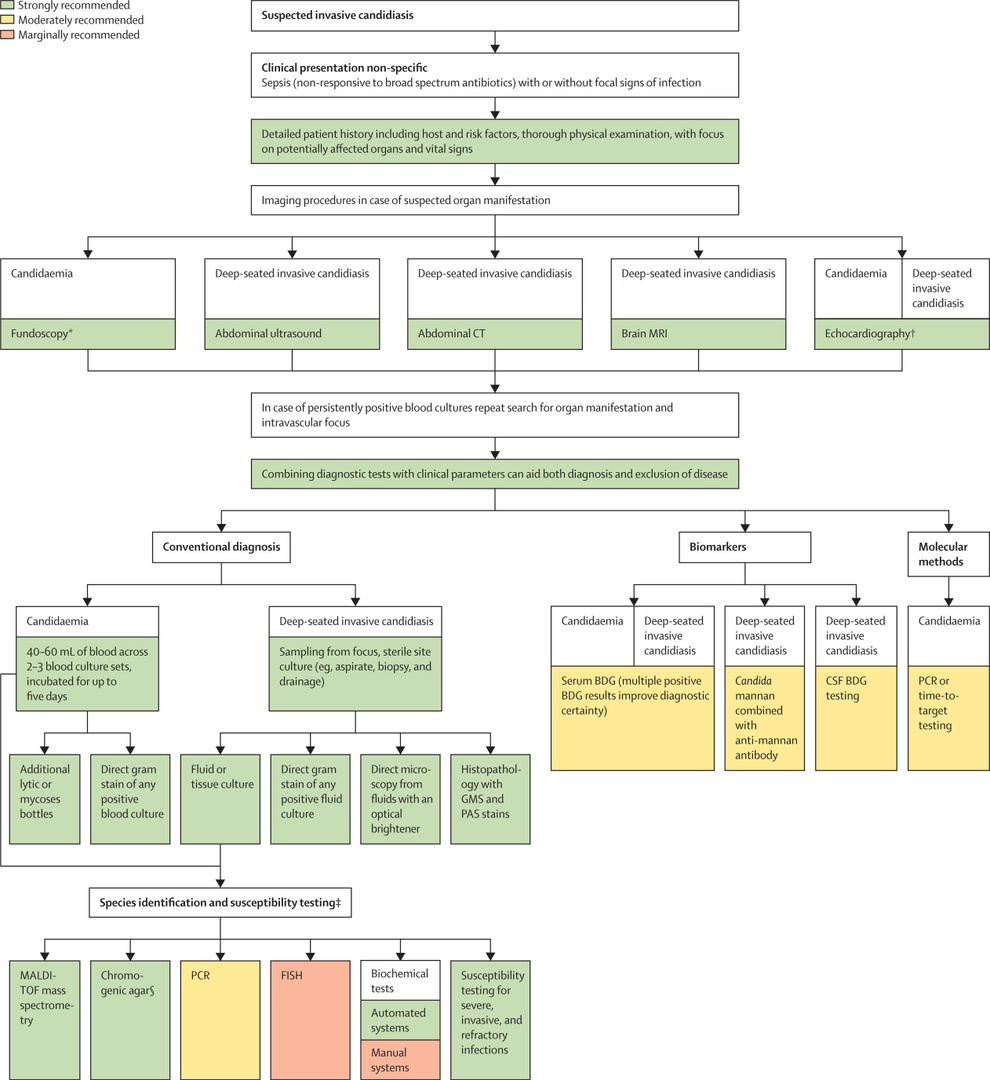
Global guideline for the diagnosis and management of candidiasis
CCR Journal Watch
https://t.co/Sp06oA6IDG
Get the latest critical care literature every weekend via the CCR Newsletter - subscribe at https://t.co/nitMzacLrj
ICU Mechanical Ventilation (MV):
There are many books & articles on the topic but this 8 years' old review has nice graphs/tables & a good discussion of the specific ventilatory approaches in ARDS and COPD:
ICU Physiology Secrets:
Nerdy intensivists like talking about the waterfall phenomenon in order to explain the effect of external PEEP ("down-stream pressure") on auto-PEEP ("upstream pressure") during expiration of COPD/asthmatic pts
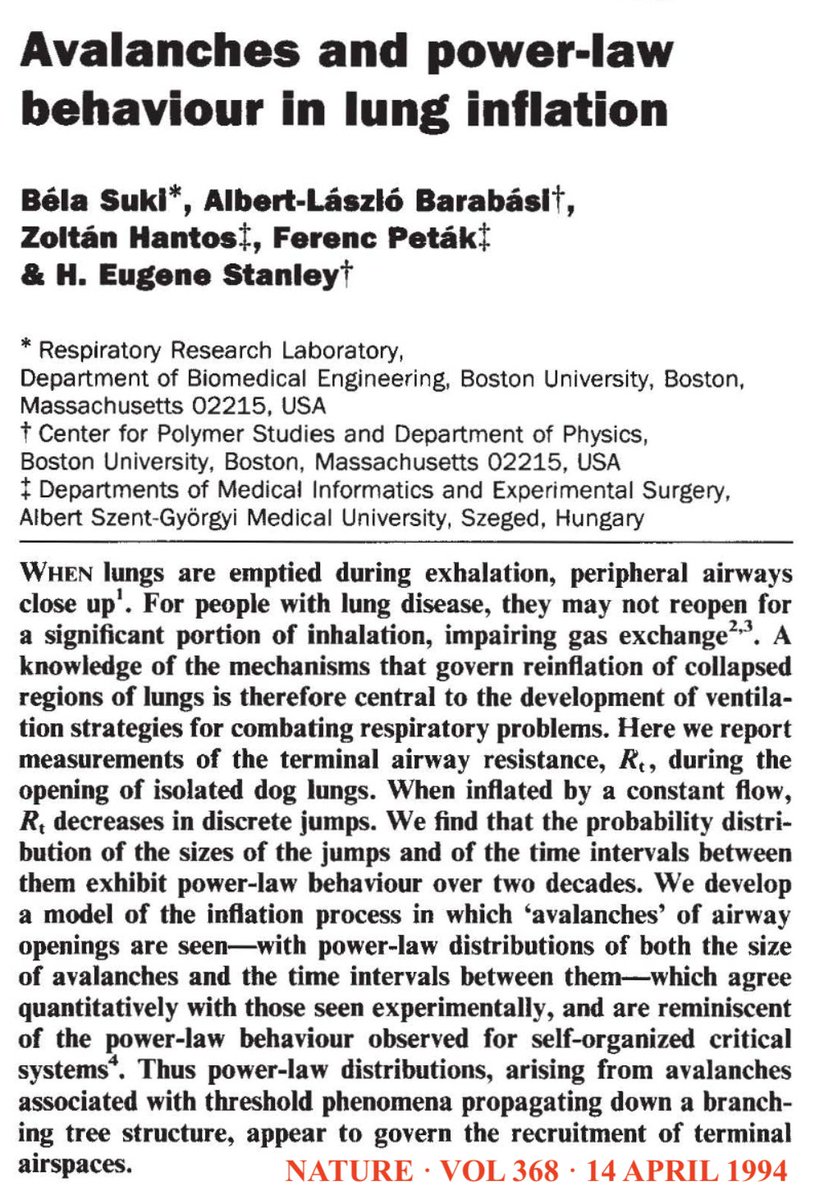
I hope they will appreciate the "avalanche"
Shots fired: steroids of no help to people with alcohol-associated hepatitis in this national, VA cohort from Durkin and Bitterman
https://t.co/Eso4raajQY
#livertwitter@AmerGastroAssn
pEEG and ketamine
If youve spent any time around TIVA and EEG
You'll know that ketamine can increase the BIS number - Perhaps you never use ketamine because every time you do your processed EEG keeps telling you the patient's 'awake'
1/12