Understanding internal controls is at the heart of effective risk assessment under ISA 315.
Helping auditors identify risks and design the right audit procedures.
Strong risk assessment leads to stronger audits.
ISA 315: https://t.co/NiJiHNrz3M
#ISA315#Audit#InternalControls
Audit efficiency is knowing where to focus.
Audit quality is obtaining sufficient appropriate evidence to support the opinion.
An effective audit is finding the balance between working efficiently and maintaining quality where it matters most.
#Auditquality#RiskManagement
We’ve found that audits run far smoother when communication is proactive, not reactive.
A quick call or conversation upfront often prevents days of follow-ups, delays, and unnecessary back-and-forth later on.
The small things make the biggest difference.
#Audit#Communication
Cloud accounting systems have reduced paperwork in audits, but they've also shifted audit focus towards access controls, system permissions and cybersecurity.
The audit trail may now be digital, but that doesn't automatically make it lower risk.
#Auditing#Data
A new era of reporting is coming for regulated industries.
IFRS 20 will enhance transparency by requiring entities to recognise regulatory assets and liabilities linked to future tariff recoveries and obligations.
Learn more: https://t.co/jBuNLgK6qa
#IFRS20#Accounting#Audit
Key Considerations: 8 of 8
A strong client acceptance process includes understanding the legal environment.
Compliance with industry regulations, anti-money laundering requirements, and broader legislation plays a key role in risk assessment.
#Audit#IRBA#Clients
Key Considerations: 7 of 8
High-quality audits begin with strong teams.
The right expertise, effective methodologies, and adequate resources enable firms to manage risk, exercise sound professional judgment, and deliver audit quality with confidence.
#Audit#IRBA#Clients
Key Considerations: 6 of 8
Strong audits begin with understanding the control environment.
Reliable financial reporting, effective internal controls, and consistent management oversight are critical indicators of audit quality.
#Audit#IRBA#Clients
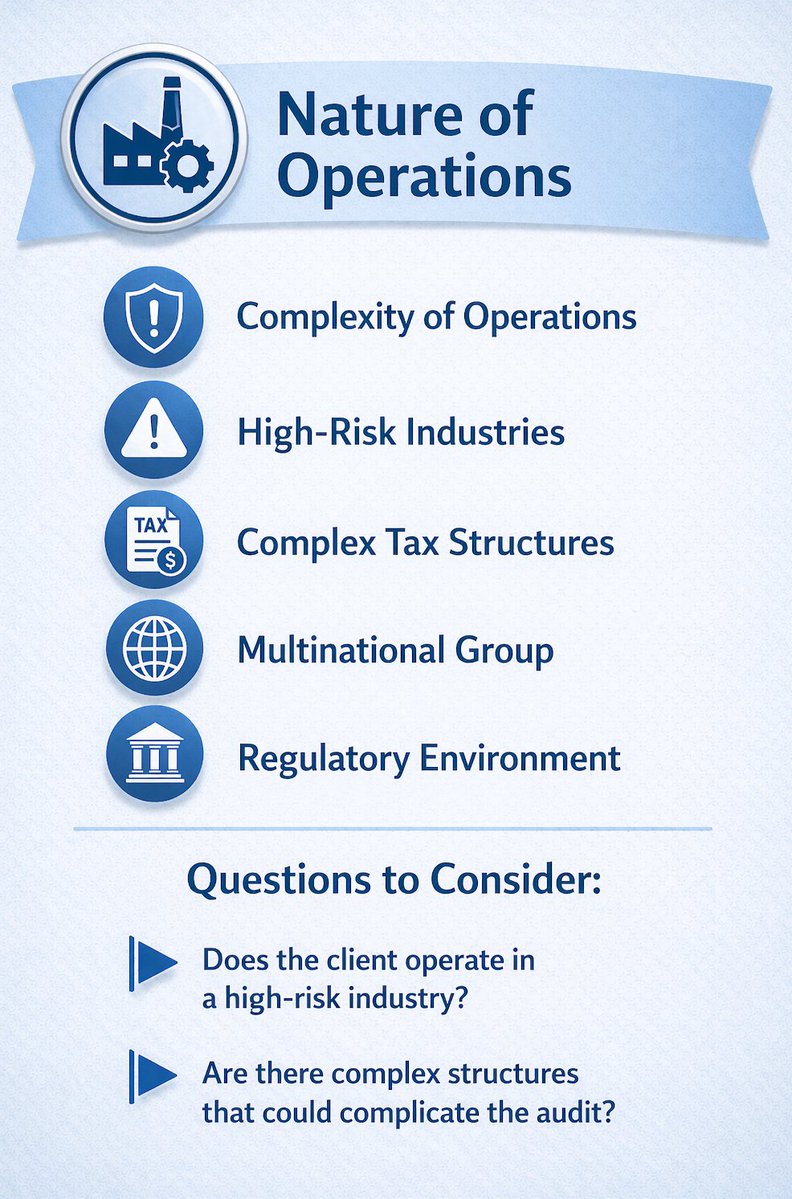
Key Considerations: 5 of 8
Understanding the nature of a client’s operations is critical.
Industry risk, complex structures, and regulatory environments all shape audit risk and influence acceptance decisions.
#Audit#IRBA#Clients
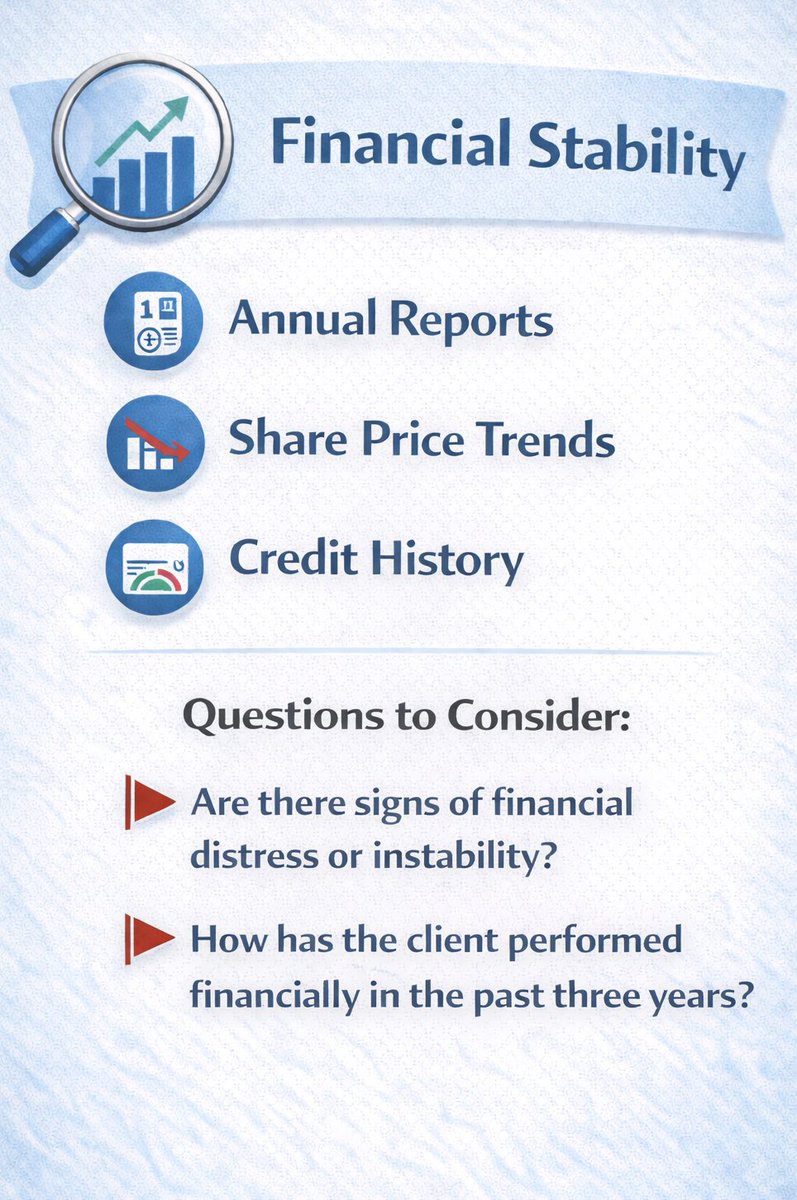
Key Considerations: 4 of 8
Financial stability is a key pillar of audit risk assessment.
Reviewing trends, performance, and signs of distress helps auditors identify risks early and make informed engagement decisions.
#Audit#IRBA#Clients
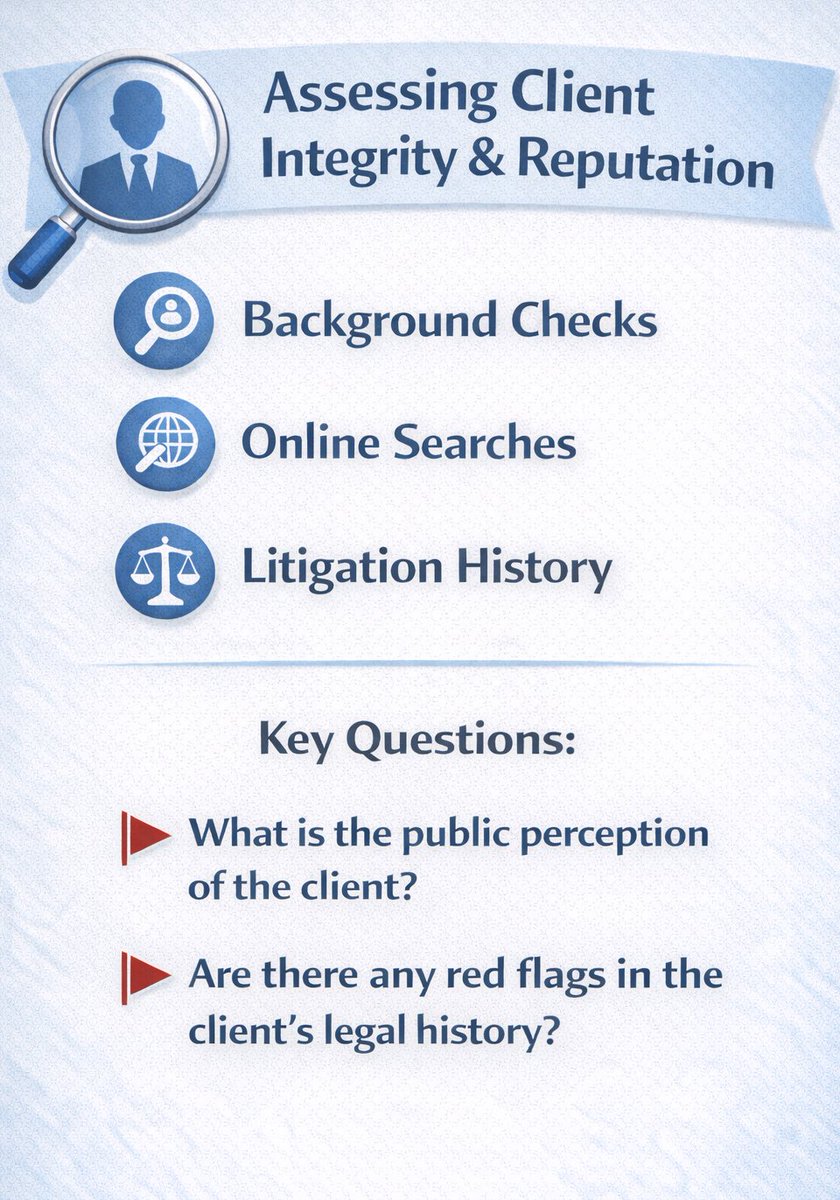
Key Considerations: 3 of 8
Assessing client integrity goes beyond the numbers.
Looking at reputation, legal history, and public perception helps uncover red flags early, ensuring that risks are identified before they affect the audit.
#Audit#IRBA#Clients
Key considerations: 2 of 8
Client knowledge is a cornerstone of auditing.
Deep insights into operations, governance, and transparency don’t just inform the audit, they also help ensure alignment with the firm’s standards and values.
Stay tuned for more!!
#Audit#IRBA#Clients
Key considerations: 1 of 8
Audit quality begins long before fieldwork.
Thoughtful client acceptance and continuance decisions lay the groundwork for integrity, trust, and effective risk management.
Stay tuned for more!!
#Audit#IRBA#Clients
Audits are shifting from sampling to full-population analysis, driven by structured data.
• Identify risks earlier, test smarter, and deliver more reliable conclusions with data-led procedures
#Auditing#Data#Finance
Process automations handles repetitive tasks so auditors can prioritise:
• Professional skepticism
• Complex judgments
• High-risk areas
Technology doesn’t replace auditors, it sharpens them.
Learn more: https://t.co/7BbX6NM5ev
Technology is transforming audits, from sampling to analysing full datasets using artificial intelligence.
Artificial Intelligence is shifting the auditor’s role toward risk analysis and insight.
#Auditing#AI#Finance
Financial transparency isn’t just about numbers, it’s about trust.
When companies report financials clearly and accurately, it builds trust among investors, employees, and the public.
How important is transparency to you when engaging with a business?
#Finance#Trust#Audit
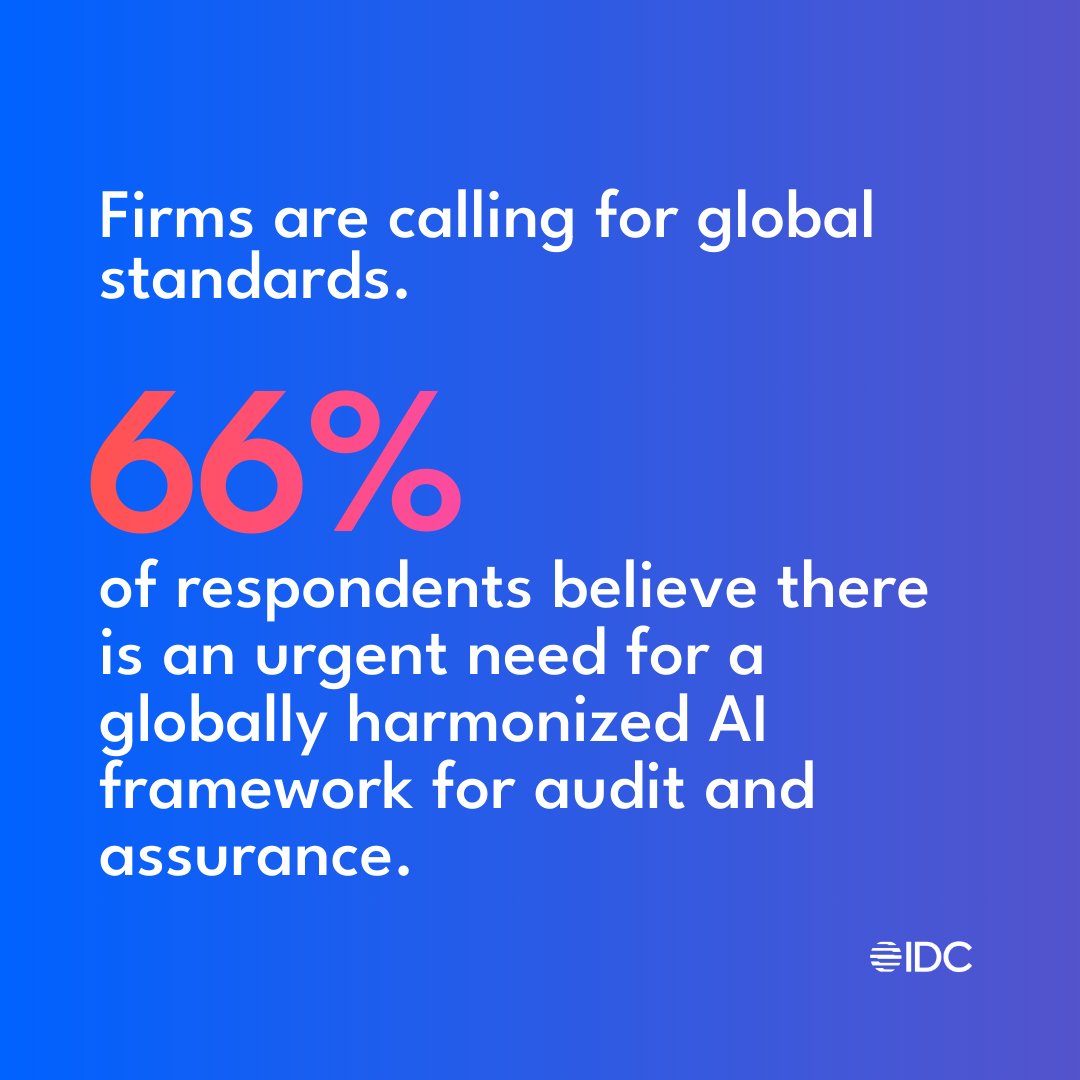
New global research from @IDC, sponsored by Caseware, explores how firms are approaching AI as it becomes embedded in firm strategy and day-to-day workflows. As adoption moves from experimentation to implementation, many leaders are also calling for stronger governance, clearer frameworks and global standards to help manage risk.
Download the study:
https://t.co/tJtIZXtBVD
#Audit #Accounting #AI #FutureofAudit #ResponsibleAI