Not only does a warming climate induce biodiversity loss, but public health concerns also rise. Fijians have seen increases in illnesses such as dengue fever and malnutrition because of climate change. Without mitigation, these issues are only going to grow; change must happen.
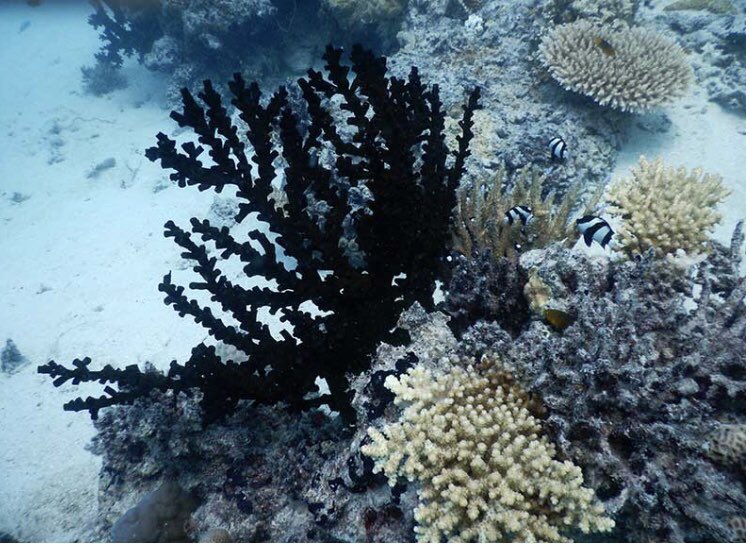
This image, from https://t.co/XgjZf6HGXX, shows Fiji’s coral after severe damage. This is a result of our changing climate and human encroachment on natural resources. This induced food instability to greatly increase in countries. #CUinThelab#climatechange
Biodiversity is also at risk with climate change. In Fiji, the rising sea levels have destroyed much of the coastal habitat, displacing many endemic species. Also, increased sea temperature and more frequent storms threaten sea life.
Levels of phosphorus increased by 19% in areas downstream from farms than those upstream. These levels vary throughout the year and peak around mid-summer. This data can hold similar results across the Midwest, which can lead to poor environmental outcomes from algal blooms.
Agricultural practices are under strict regulation to stop runoff from polluting nearby areas. However, this mostly applies to point sources of pollution. Places like Wisconsin can have large phosphorus runoff, this is a limiting nutrient for many harmful organisms. #CUinTheLab
Waller et al., https://t.co/TIJFoWJn53, collected data from Sugar River to test for total pollution and phosphorus content. They took water smokes over and extended period of time where water ran past multiple agricultural farms.
One of the major genes found was a multi drug resistance gene, Qac. Some of the abilities acquired by these microorganisms is the complete shut down of antibiotics which could be a result of waste from hospitals or farms. These are only some of the many abilities found in biofilm
Antibiotic resistance has been steadily increasing over time and microplastics in the ocean only make the situation worse. In a study, https://t.co/5kNqgTM5sT, the effect of bio films and resistance is explored. #CUinTheLab
Meta genomic data was collected from Pinnell and Turner (2019) where conditions similar to the ocean for microorganisms were created. Then, statistical analysis for resistance genes was applied through the program application R. One of the methods being Shannon-Weiner diversity.
Oliveira & Feitosa surveyed the arboreal and ground-dwelling ants of the Cerrado biome of Southern Brazil, one of the most threatened biomes in the world. Their results indicate that this biome is one of the most diverse savanna in Brazil.
Link:
https://t.co/qGvxyaftdG