The Cornell Center for Materials Research , devoted to fundamental research, analytical facilities, K-16 educational outreach, industry outreach, and more.
CCMR users are impressed with our new XPS (x-ray photoelectron spectroscopy) system, a Thermo Scientific Nexsa G2. The automation, speed, & integration of the Nexsa G2 makes XPS characterization easy & fast, & Nexsa's versatility is popular amongst researchers from many fields.
Grad students and post docs:
Apply now for the 2nd Annual Material Innovators Workshop at Columbia University on June 1-2, 2023!
The two-day workshop includes research talks, career mentoring, and networking.
Hosts: Howard U, NCA&T, CCMR, Columbia MRSEC
https://t.co/nAH3Po7uiB
Interdisciplinary Materials Science Summer Program at Cornell University in Ithaca, NY.
June 5–August 11, 2023
CCMR REU students work directly with faculty on interdisciplinary materials research projects involving STEM disciplines.
Apply now for 2023! https://t.co/nfK46U79r2
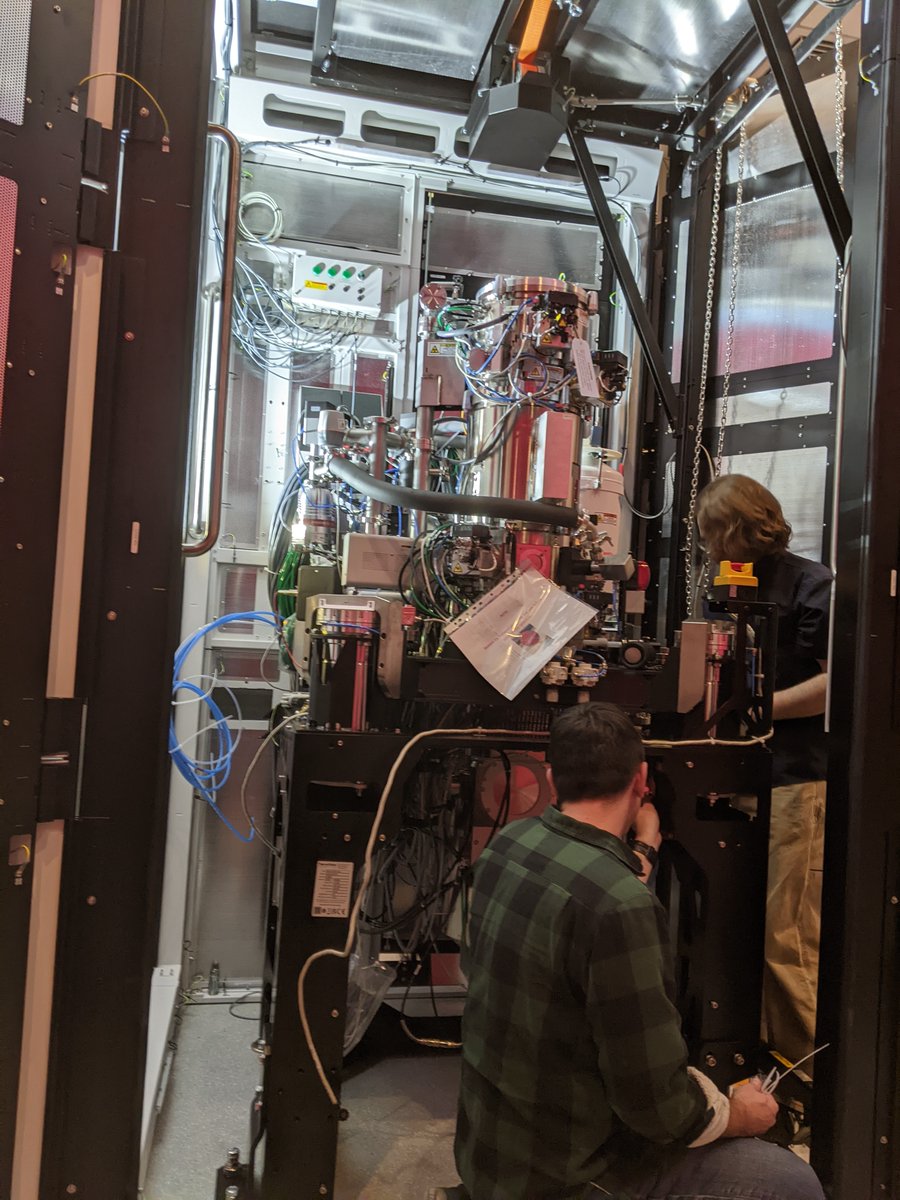
On Monday January 9th, Andromeda, our new aberration-corrected, cold field emission, Scanning Transmission Electron Microscope (STEM) arrived on campus! The installation process is now underway and we are very excited to be adding this scope to the CCMR’s shared facilities.
Applications for Cornell University Research Excellence Scholars (CURES) are now open! These are prestigious postdoctoral research positions with significant independence and resources within the Research Division on Cornell’s campuses, with an initial pilot with CCMR.
PARADIM is hiring! We are looking for an Electron Microscopy Scientist to join our National user facility. This is an opportunity to work with an internationally renowned team and collaborate with researchers from around the nation!
Link to application in thread.
We've been busy! Want to stay up to date on the construction of our New Experimental Hall? See the latest here: https://t.co/OJ6fEYBKKe
#xray#synchrotronscience#magnets
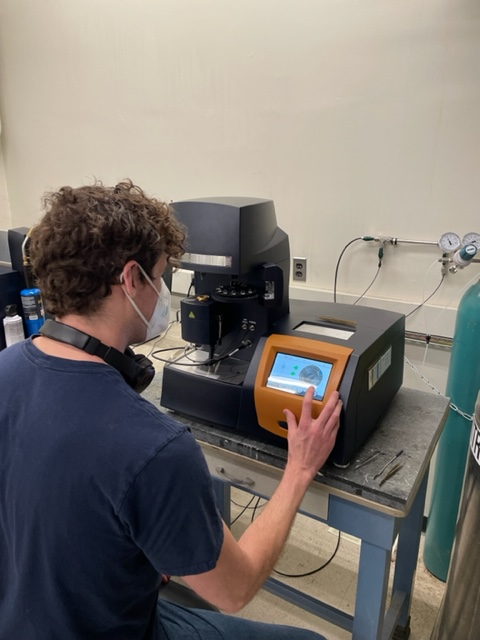
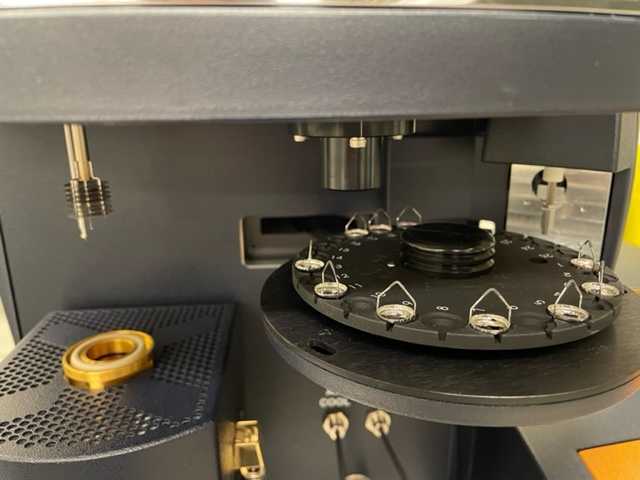
The installation of the new TGA 5500 instrument, used for measuring thermal resistance, has been successfully completed! It's is able to test samples at up to 1000° C, and makes multi-sample analyses easy with its auto-sampling platform.
#MaterialsScience#Cornell
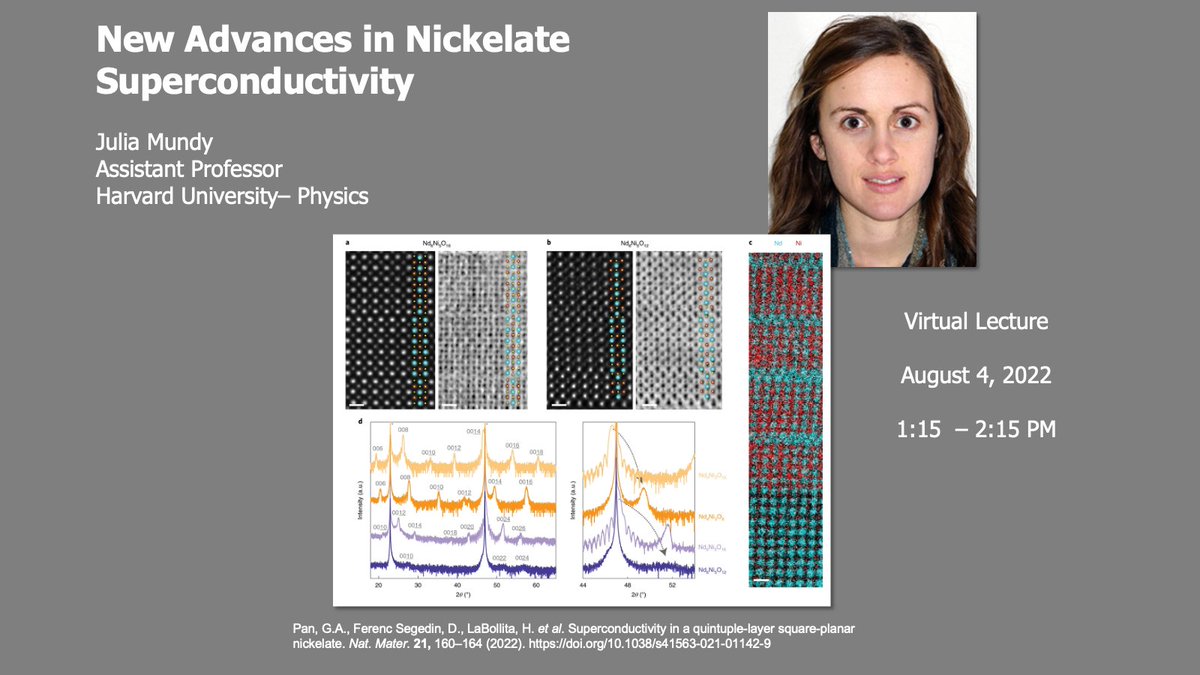
Join us August 4,2022 at 1:15 PM eastern for lecture "New Advances in Nickelate Superconductivity" with Julia Mundy @harvardphysics
https://t.co/5B2jao1BM2
TBT: At the end of last semester, CCMR hosted the Materials Innovators workshop to help teach graduate students and postdocs valuable career development skills for academia.
Cornell researchers supported by a CCMR seed grant have made advancements in the production of synthetic tissue, combining collagen and synthetic zwitterionic hydrogel into a new material which is much more durable than hydrogel alone!
Read more: https://t.co/KPt9vHP0KJ
ICYMI: a CCMR member helped identify a climate-friendly process which breaks down polystyrene, a significant contributor to landfill waste, into benzoic acid. The NSF featured this work in The Discovery Files, distributed to 177 countries nationally.
https://t.co/bdLbsh152L
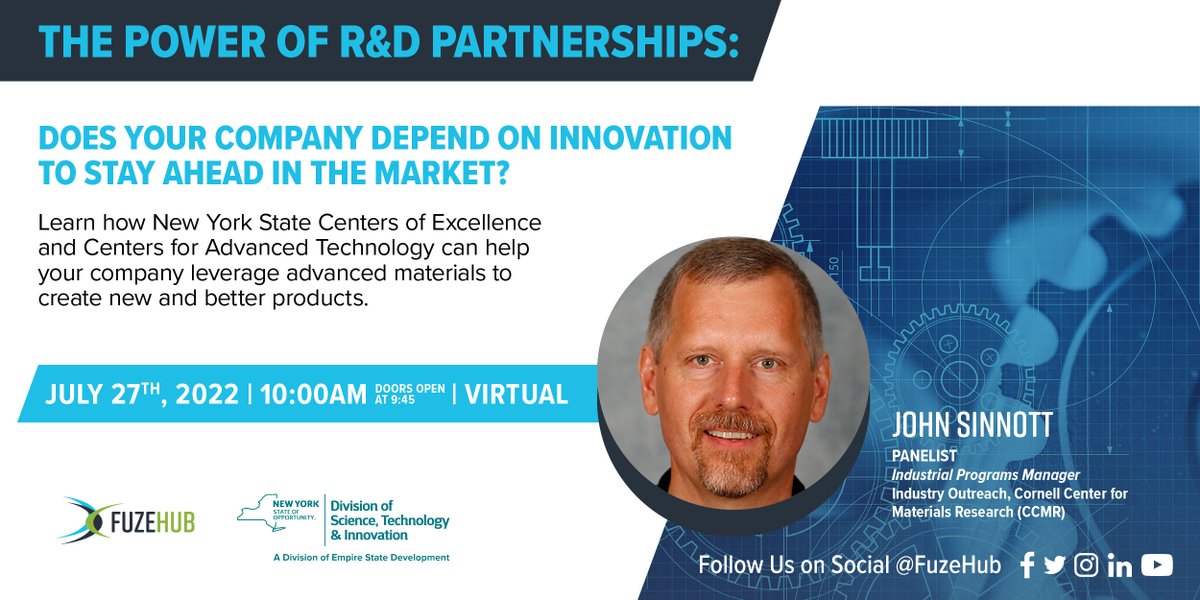
Introducing John Sinnott from the Cornell Center for Materials Research (@cornellccmr), our 4th panelist for the upcoming Power of R&D Partnerships: Advanced Materials webinar on 7/27. https://t.co/Psspq21igC
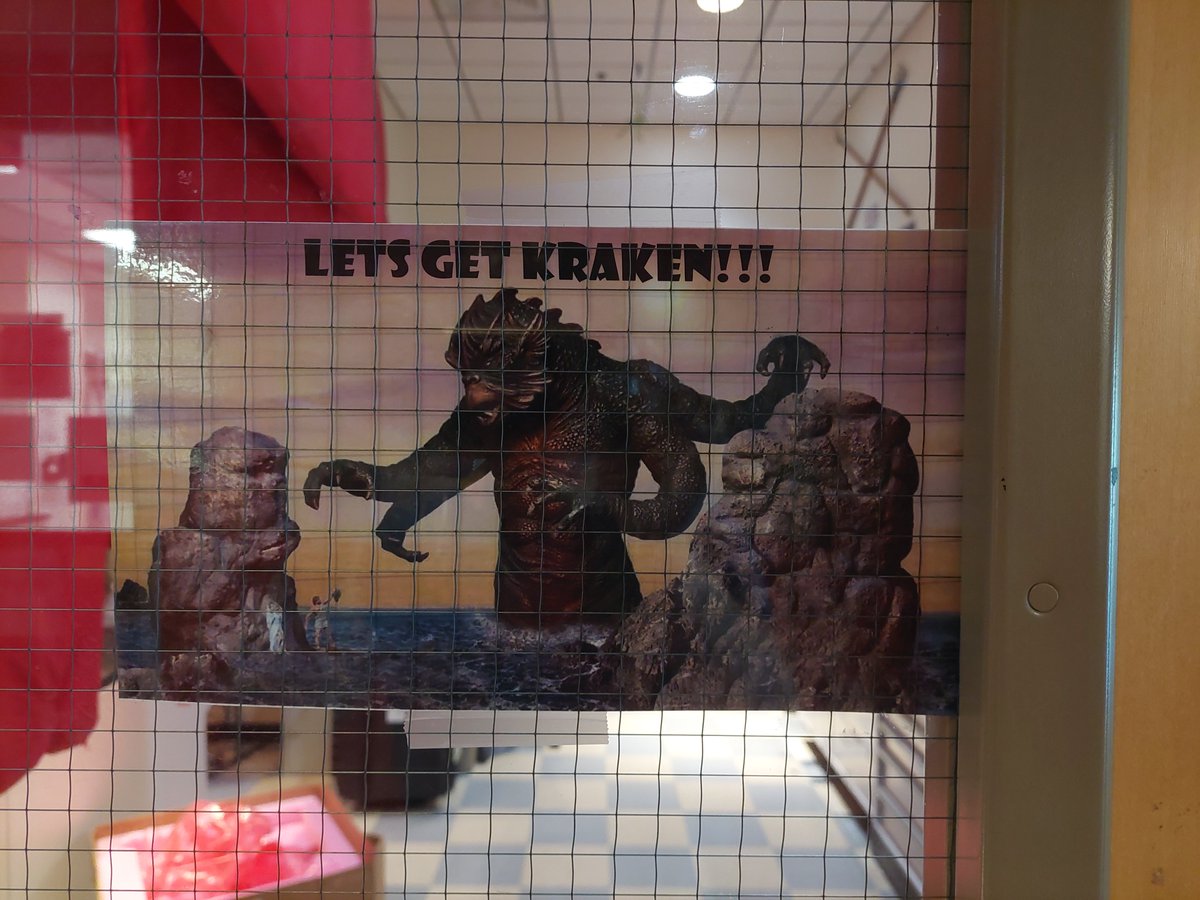
In the coming weeks, CCMR's Kraken scope will be getting a cousin! No spoilers til the equipment arrives, but... it's gonna be a big deal 😉
#cornell#microscopy#LetsGetKraken
Fantastic work from @3dbiocorp and co-founder @BonassarLab !!! Cornellian-founded company implants 3D-bioprinted ear | Cornell Chronicle https://t.co/XReJcb2YBi
Kudos to @David_A_Muller whose paper, "Cilia metasurfaces for electronically programmable microfluidic manipulation," made the cover of Nature! https://t.co/3rxnkCXUOi
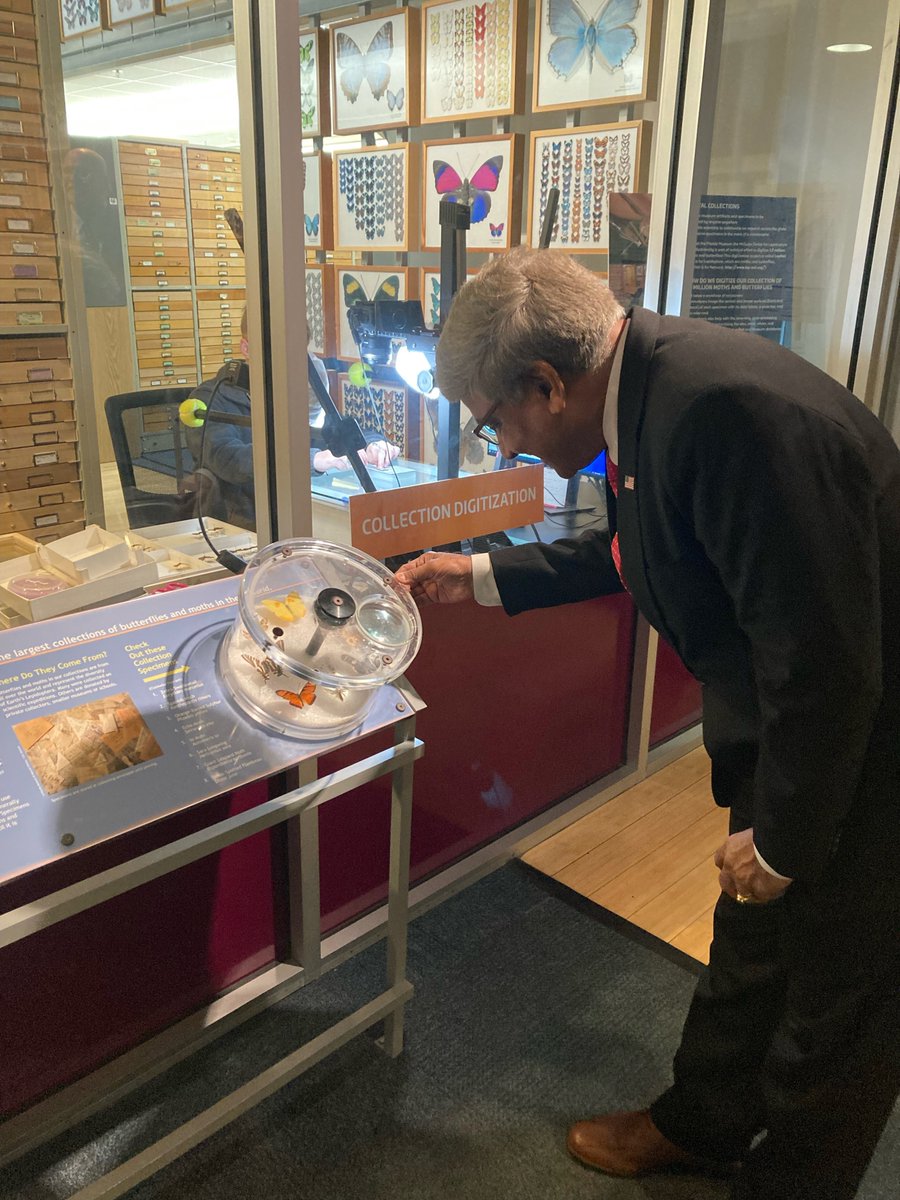
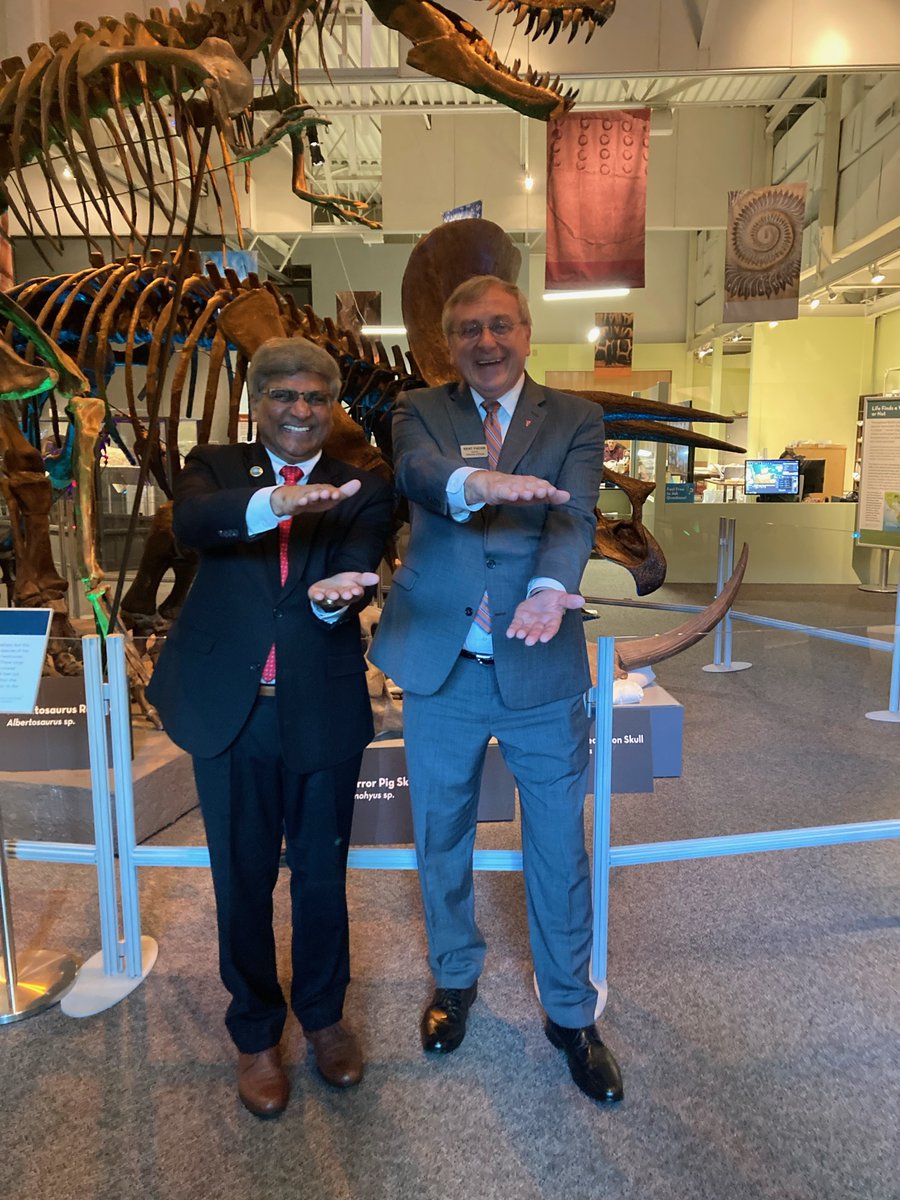
By digitizing collections, museums share them with the world. The #NSFfunded@IDigBio (led by @UF@floridastate & @ASU ) has led the effort to digitize over 1.3 million specimens. Today, NSF Director Sethuraman Panchanathan visited @FloridaMuseum to see some of this work.
Check out this report of doctoral student Wei Wang's paper on artificial cilial surfaces! "The technology could someday enable low-cost, portable diagnostic devices for testing blood samples, manipulating cells or assisting in microfabrication processes."
https://t.co/rPEMyKIuKE