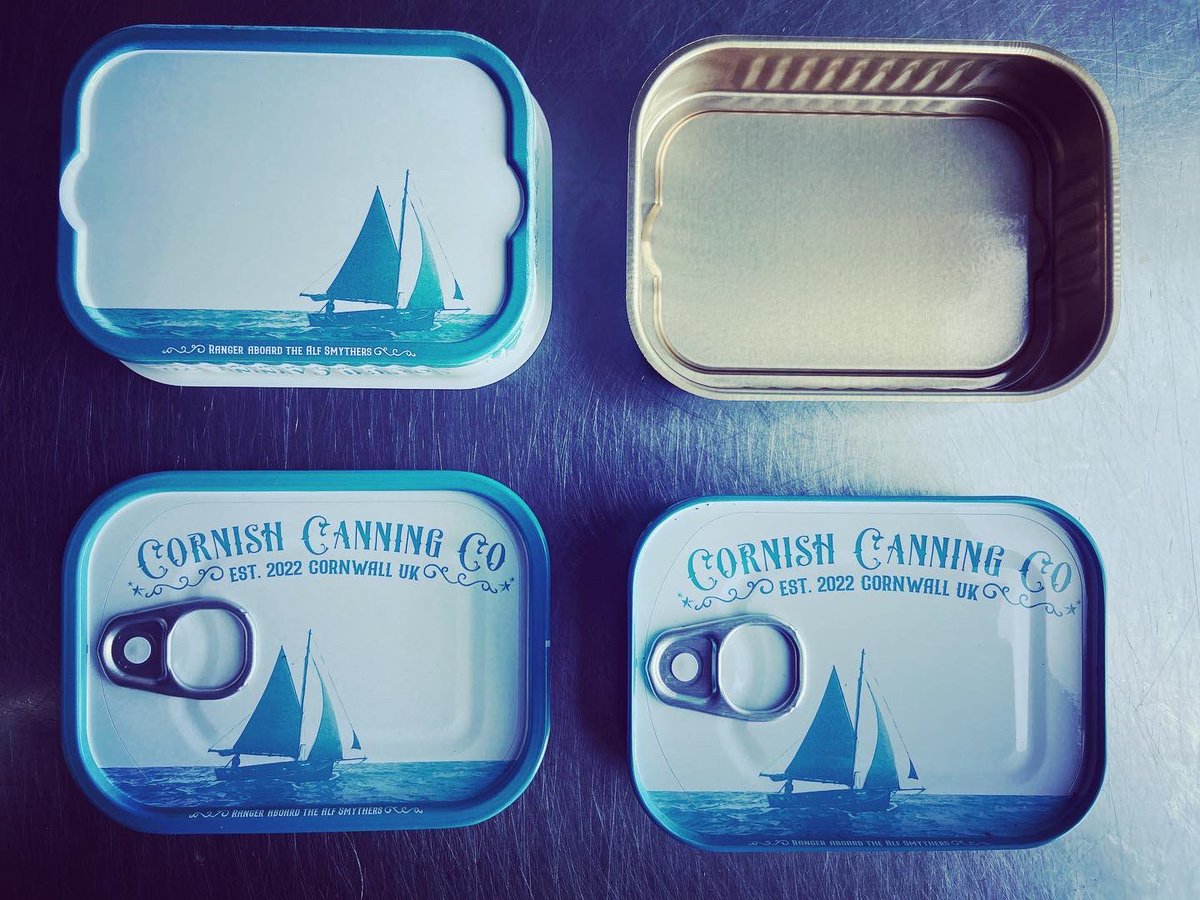
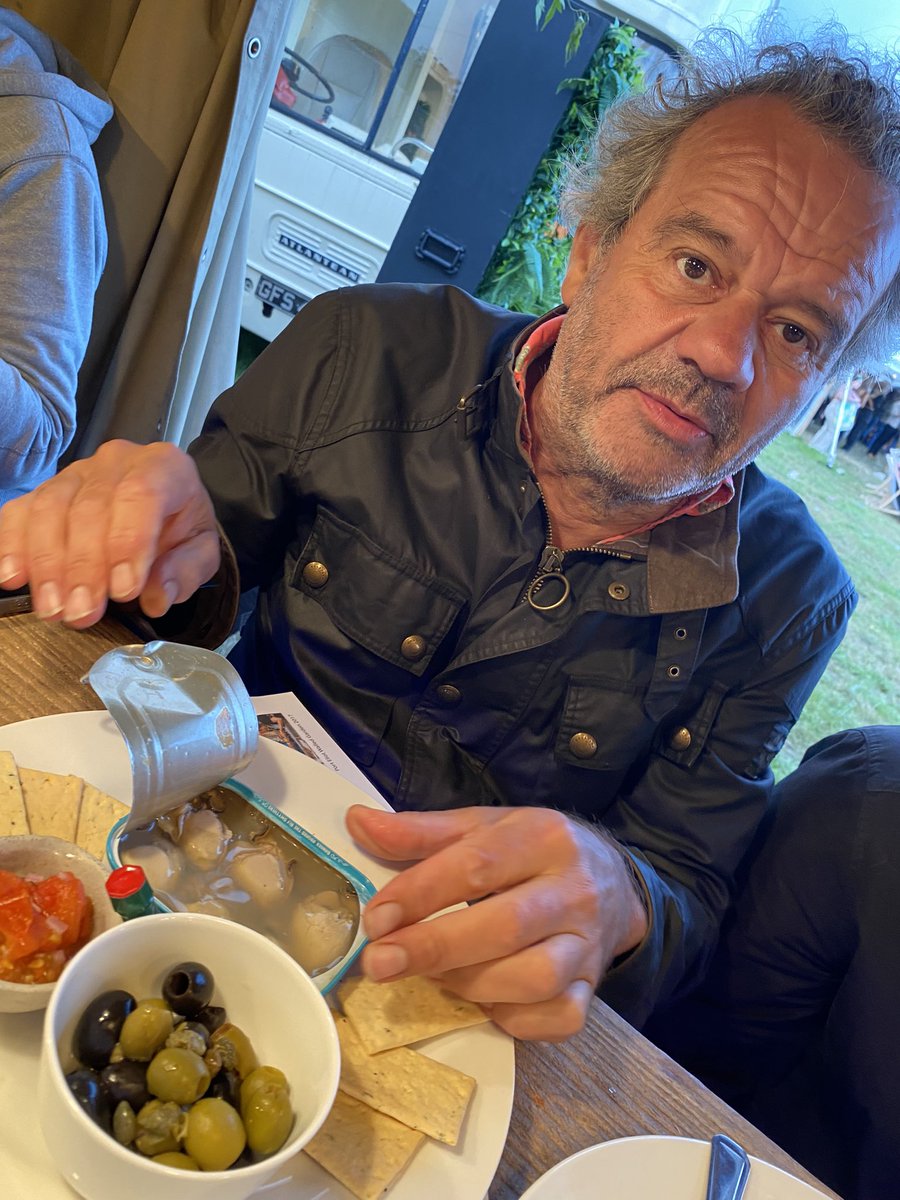
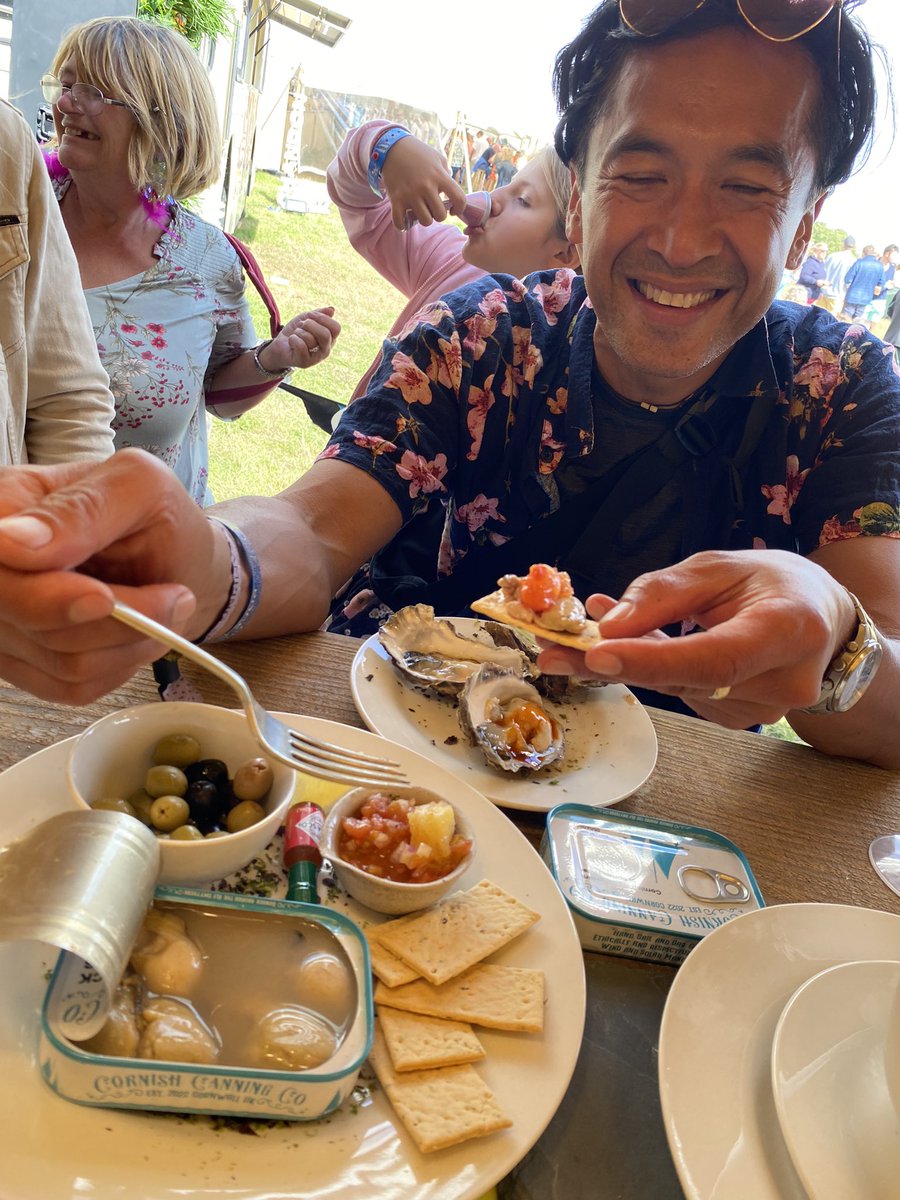
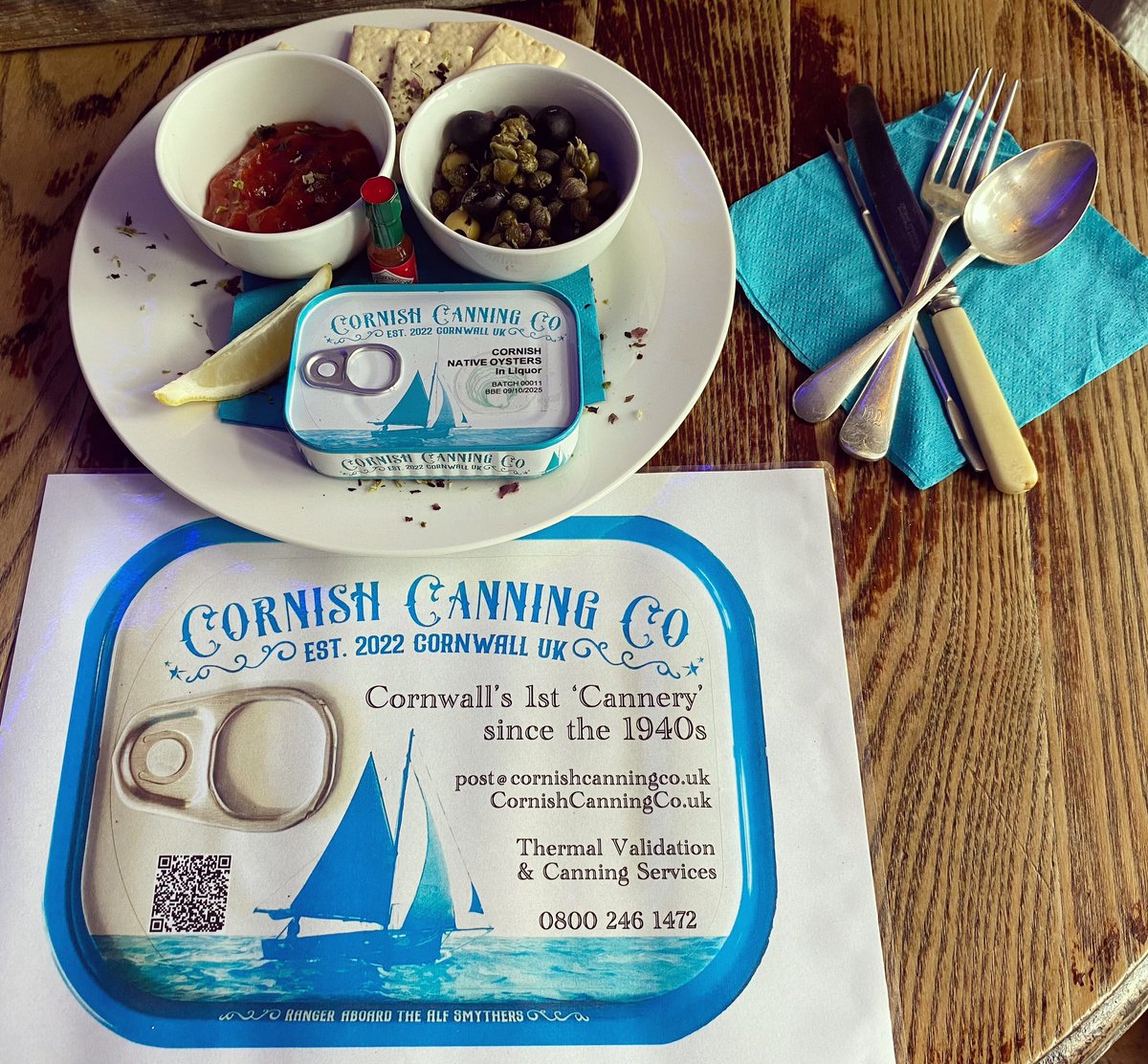
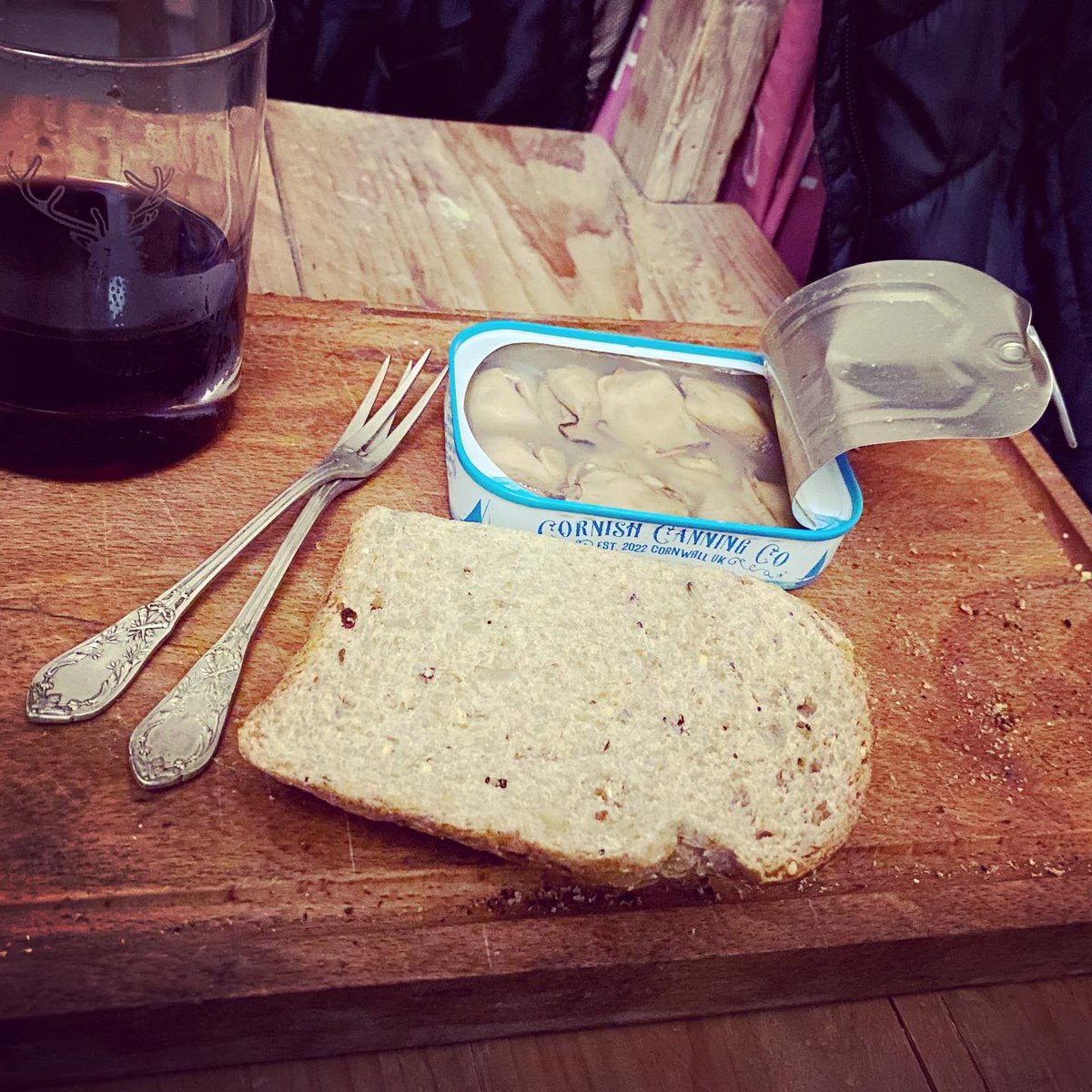
A very exciting 'canquet' from @CornishCanning
The box contained Cornish Sardines in extra virgin olive oil, Cornish Bombay Aloo potatoes, a snack pack, chocolate shellfish and a can of Cornish sparkling apple juice.
Im very full now. It would have made a great picnic.
NEWS BLOG ALERT: Our not-for-profit community interest company is seeking a new Board of Trustees in 2024, are you free to give some time, either working from home or afloat in our stunning marine environment…?
https://t.co/K23CIvNxde
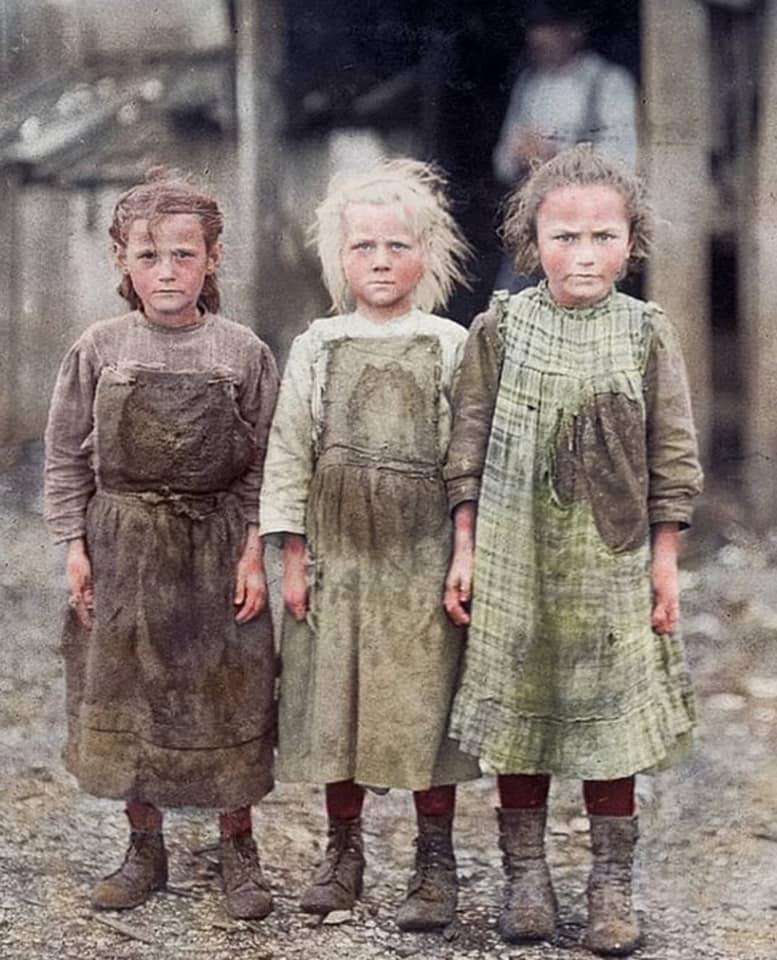
Josie (6 years old), Bertha (6 years old) and Sophie (10 years old) worked regularly at the Maggioni Canning Company.
Work began at 4 AM, and the three would make from $9 to $15 a week.
Sophie would do six pots of oyster a day, and her mother, who also worked with her, said, "She don't go to school. Works all the time."
Through such photos, Lewis Hine documented the harsh working conditions borne by thousands of children, who were sent to work soon after they could walk and were paid based on how many buckets of oysters they shucked daily.
Mr Hines wrote of one photograph: ‘All but the very smallest babies work. Begin work at 3:30am and expected to work until 5pm.’ He covered around 50,000 miles a year, photographing children from Chicago to Florida working in coal mines and factories.
These photos helped to raise an outcry against child labor and made the American public widely aware of the scope of the problem.
We love making the most of nature, which is why we’ve partnered with @coopuk to fund @WWF_UK’s seaweed bio stimulant 🙌
🌊 Find out more about how we’re funding through our Carbon Innovation Fund! 👉 https://t.co/tPnS8BhSwX
#FutureCommunities#SustainableCommunities#WWF
📣 CROWDFUNDER APPEAL NOW LIVE 📣
We need your help to fund our next film about the climate impacts of our broken food system and the amazing people in Cornwall working to tackle it.
AMAZING rewards available! Find out more and donate here 👉 https://t.co/OyutsaJoEN
Thank you!💚
Today is #ZeroWasteDay, encouraging citizens around the globe to prevent & minimize waste. Metal packaging can help! The fruit & vegetables destined for food cans are packaged, on average, 4 hours after harvesting ⏳. This avoids food waste & preserves nutritional value 🍅🥫🛡!
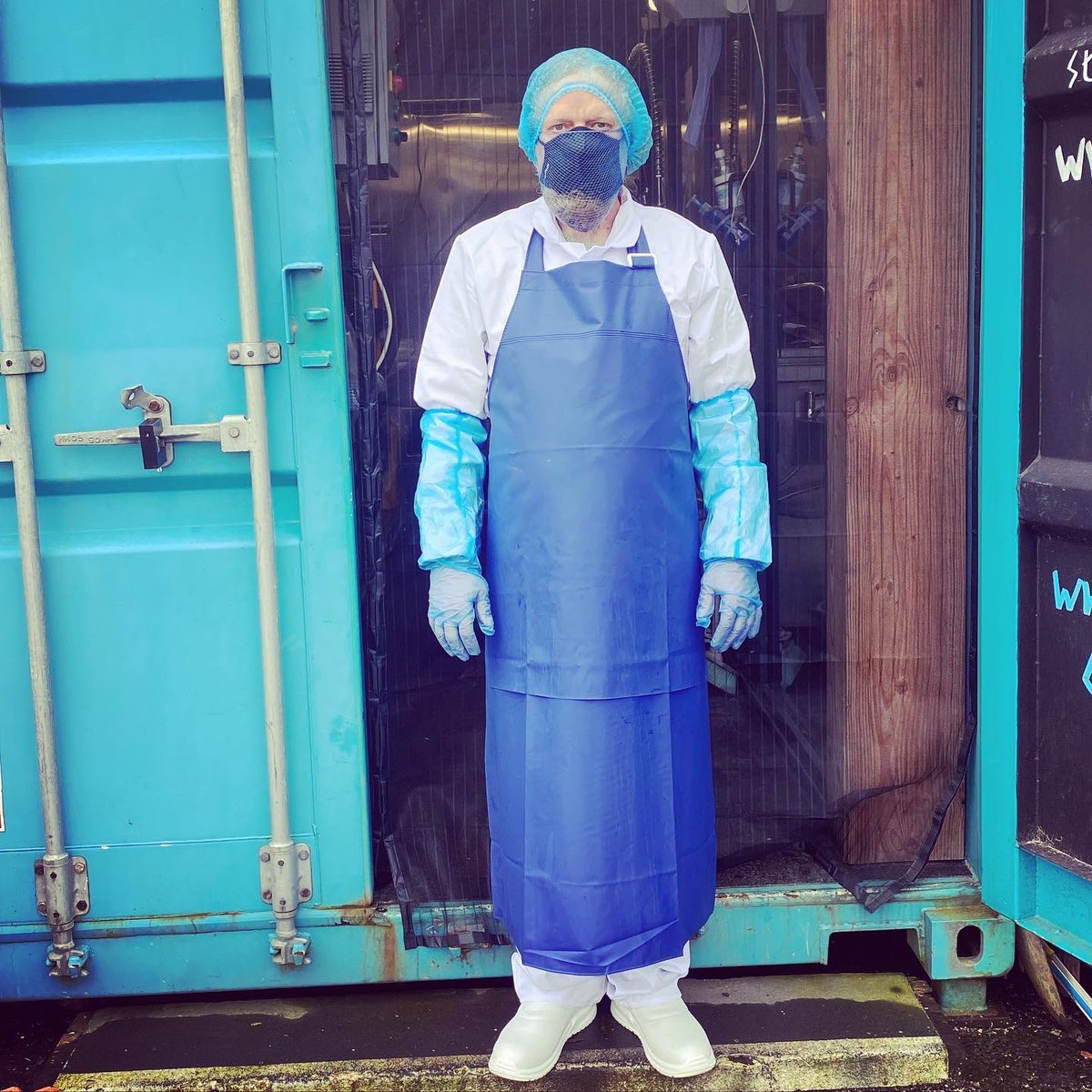
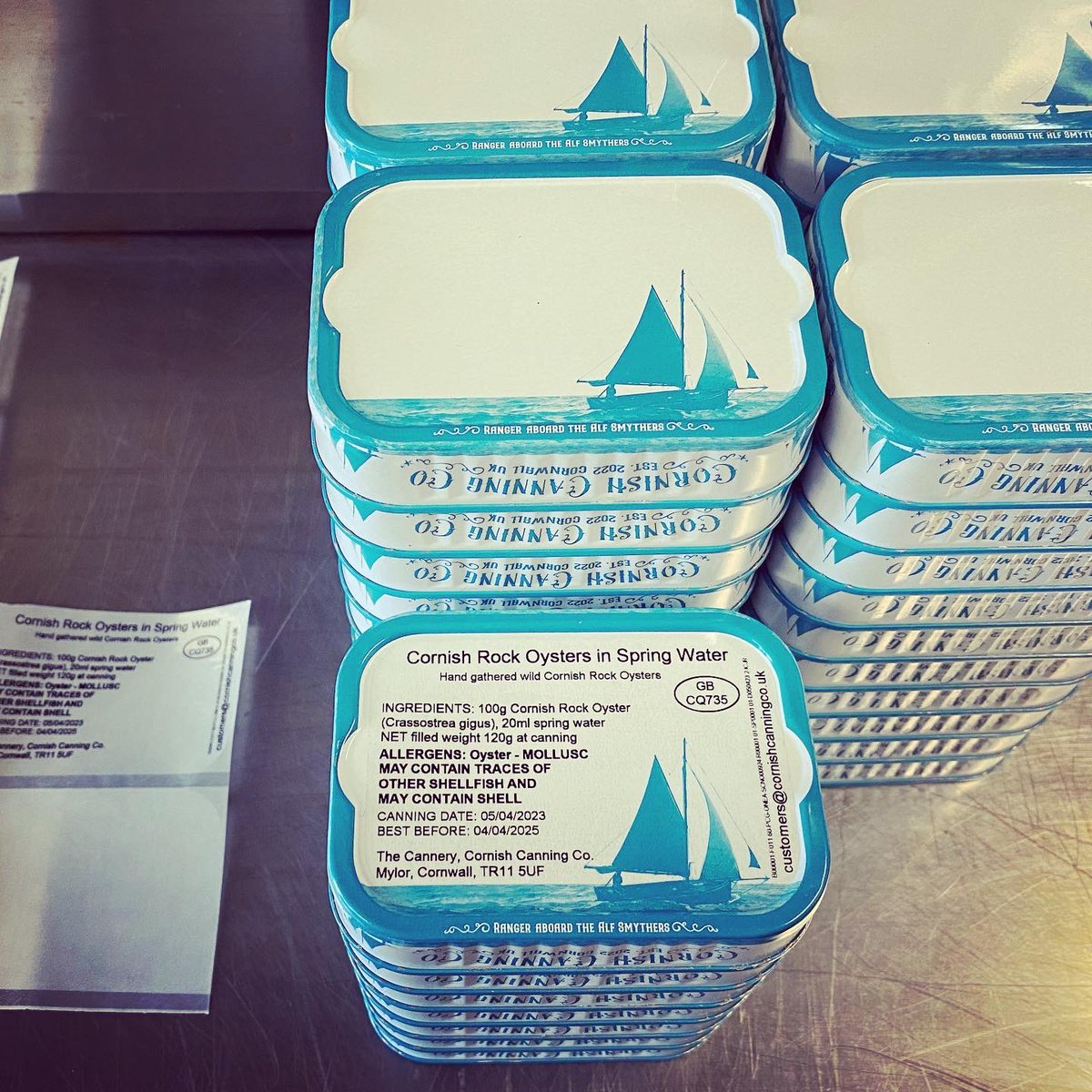
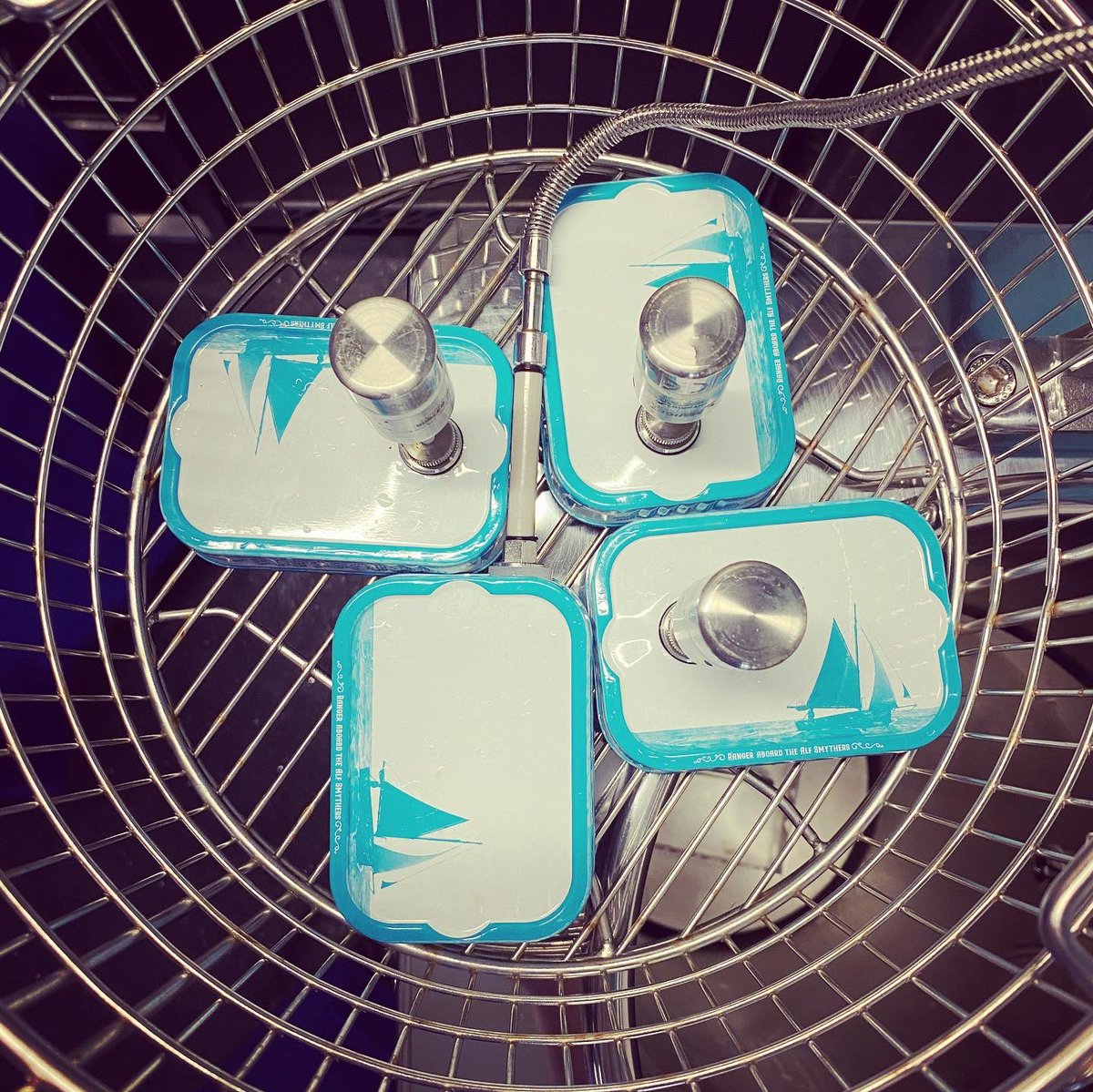
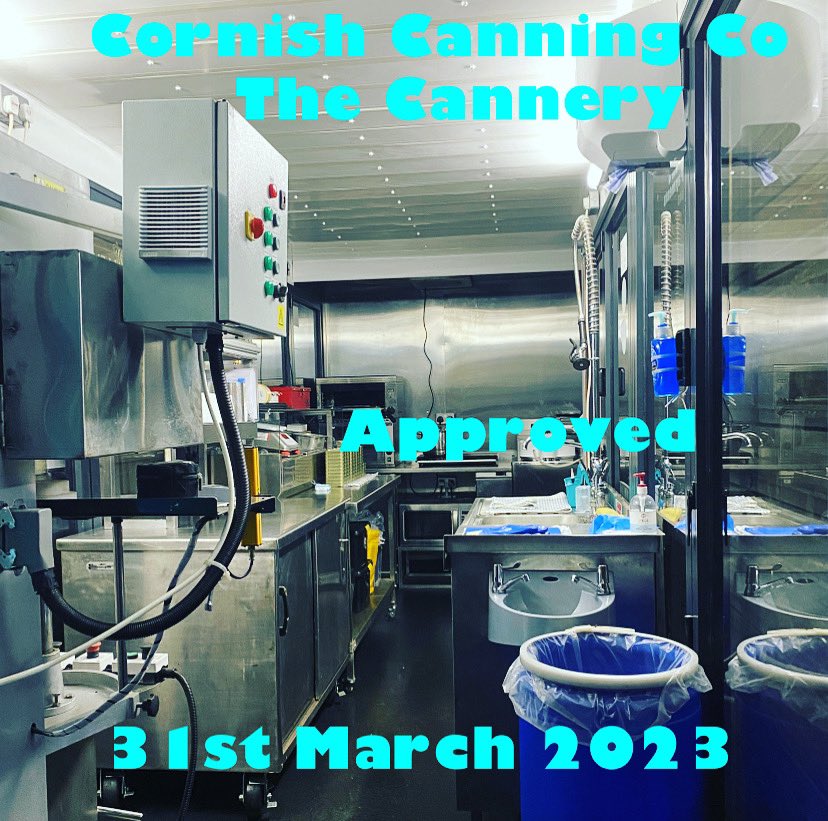
Finally, today ‘I CAN’ announce that I can finally start #canning our #shellfish, bit more conditional development, validation & end product testing, but we have an approval number so #OFFICIALLY 1st in-house #tinnedfish manufacturing establishment in #Cornwall, probably #Britain
A well-functioning #CircularEconomy relies on achieving high recycling rates & ensuring high-quality recycling - that no matter how many times a material is #recycled, it maintains the same inherent properties.
Choose #MetalPackaging, a perfect example of #circularity in action!