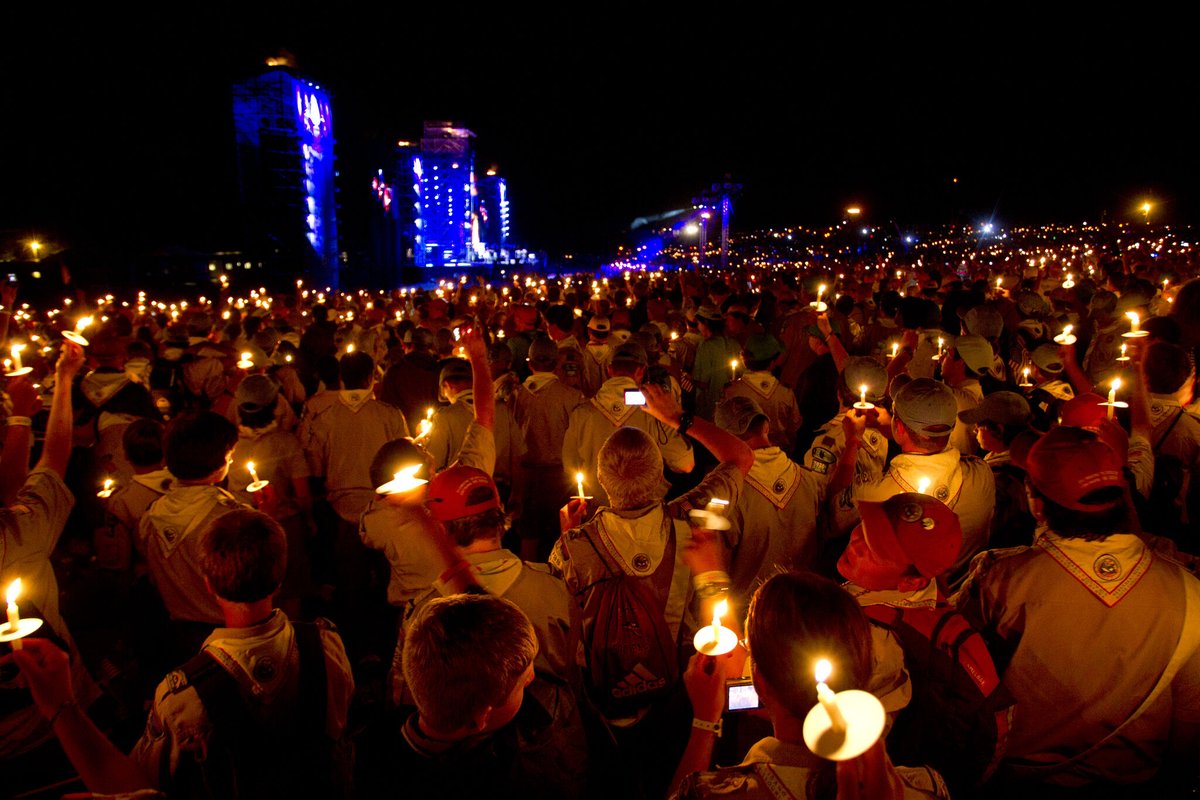
We are incredibly honored to receive 12 Telly Awards for our work on the National Medal of Honor Museum "Mission to Inspire Spectacular”, including three People’s Telly Gold awards.
The recognition included:
• People’s Telly Gold — General Branded Content
• People’s Telly Gold — General Non-Broadcast
• People’s Telly Gold — Specialty Best Directing
• Gold — Craft Lighting
• Silver — General Event Opener
• Silver — Craft Use of Livestream
• Silver — Craft Use of Music
• Silver — Craft Writing
• Silver — General Not-for-profit
• Bronze — General Entertainment
• Bronze — Craft Drone & Aerial Cinematography
• Bronze — Craft Directing
This project was never just about production. It was about helping introduce a museum built to preserve and share the stories of Medal of Honor recipients and the values they represent: courage, sacrifice, integrity, commitment, patriotism, and citizenship.
Working alongside the National Medal of Honor Museum Foundation on such an important moment was a privilege for our entire team. We are deeply thankful for the trust they placed in us and grateful to have played a role in helping bring this historic opening celebration to life.
The production brought together live performance, cinematic storytelling, original music, large-scale projection, lighting design, broadcast elements, drone cinematography, and immersive visual environments as part of the museum’s opening events in Arlington, Texas.
We also want to recognize Writer & Director Stephen Dahlem, Producer Christopher Laue, and Project Lead Brian Greenway for their leadership and dedication throughout the project.
Most importantly, we extend our deepest respect and gratitude to the Medal of Honor recipients, service members, and families whose stories continue to inspire generations across our country.
Thank you to the Telly Awards for this recognition, and thank you to everyone who helped make this meaningful project possible.
Some of the best creative ideas do not arrive during brainstorms, strategy meetings, or while staring at a blank screen trying to force inspiration to appear.
They show up unexpectedly.
In airports. Hotels. Conversations. Small observations most people move past without noticing. Sometimes they arrive the moment we stop trying so hard to find them in the first place.
In his latest article for The Art of What You Do Not See, Jeffrey Kirk explores curiosity, attention, engineering, creativity, and why inspiration often appears sideways instead of directly.
https://t.co/FiQHpXmSkW
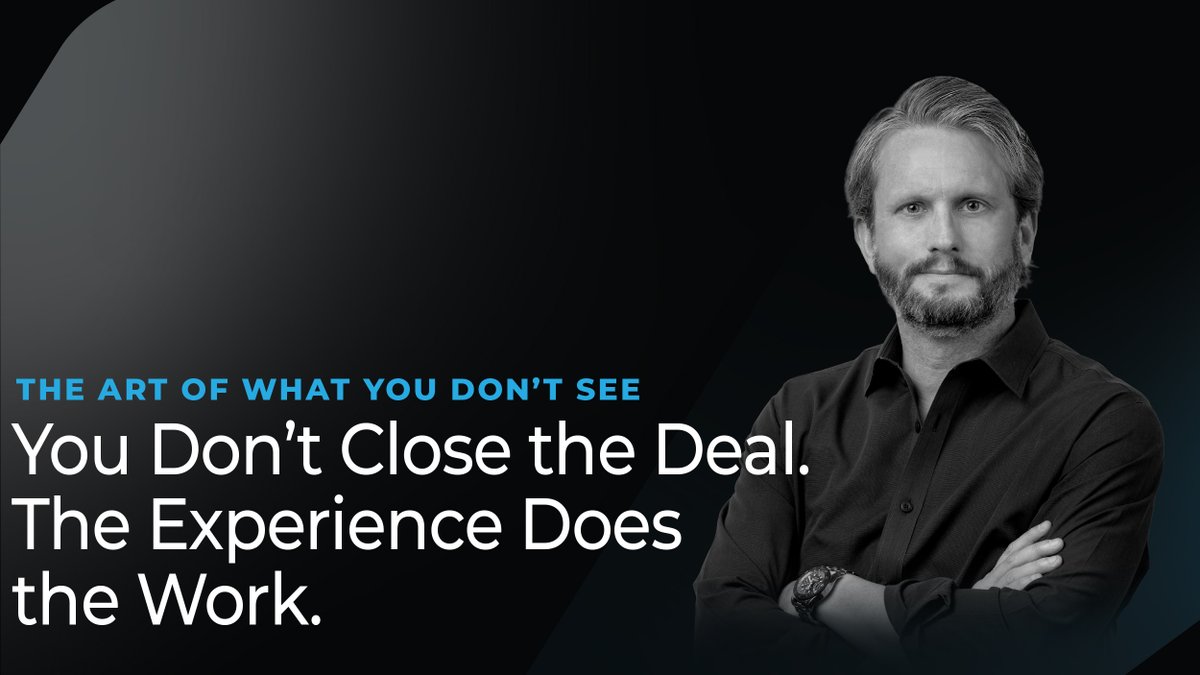
Most teams think they’re closing deals.
In reality, the decision is often made much earlier.
It happens when someone experiences something that quietly raises their expectations. From that point on, everything else gets measured against it.
That moment rarely shows up in the presentation or the pitch, but it has more influence than anything that follows.
Corporate Magic's COO, Jeffrey Kirk, wrote about how experience shapes preference and why explanation alone is rarely enough to move a decision.
https://t.co/oV5xMRgF67
The most dangerous place for a brand is not the market. It is the conference room.
A room full of intelligent people can slowly remove every idea customers might have noticed while convincing themselves they are making responsible decisions.
https://t.co/qHQHgXqWEr
The marketing industry spent years believing that attention was the scarce resource.
In reality, cognitive energy is far more limited.
The brain is not trying to give you attention; it is trying to conserve effort. As a result, more content rarely produces more influence.
When something requires little interpretation, the brain processes it quickly and moves on. When something connects to identity, the brain stores it because it helps explain the world.
Most strategies are designed to increase visibility. The brain, meanwhile, is trying to decrease it.
That reality explains why speed alone rarely produces belief. Meaning does.
Some companies are so focused on eliminating embarrassment that they accidentally eliminate belief.
Authority is not built when everything works perfectly; it is built when leaders are seen carrying real weight without a safety net.
https://t.co/DzXRlFQhEe
The sentence that quietly kills more growth than bad products ever will is, “Our core audience loves this.” The future rarely belongs to the people who are already applauding.
https://t.co/zcutyoNMT6
Happy Birthday to Corporate Magic’s founder, Jim Kirk.
Long before live events became the powerful business platform they are now, Jim was shaping how audiences felt through radio. He created and produced music and commercials heard across the country and contributed to programs like American Top 40 and American Country Countdown, helping stations sound distinctive and giving brands a voice people could recognize instantly. Even then, his instinct was never just about airtime or production value; it was about how something landed with the person listening on the other side of the speaker.
That instinct carried forward into Corporate Magic and continues to shape the standard here. Jim has always cared deeply about the audience, about the responsibility that comes with holding attention, and about doing the kind of work that earns its reaction rather than demanding it. The scale has changed over the years, but the care behind it has remained steady.
What makes that legacy even more meaningful is the man behind it. Jim is a wonderful father and a deeply grounded human being whose steadiness, generosity, and quiet confidence have influenced far more than projects or productions. The way he leads, listens, and shows up for people has shaped this company and everyone fortunate enough to work alongside him.
Happy Birthday, Jim.
The most valuable part of the work often isn’t what was intended. It’s what happens once people are free to use it without asking permission.
https://t.co/I4FLu78FTW
Creative work isn’t hired to behave. It’s hired to do something the room can’t do on its own. This piece explores what happens when comfort gets mistaken for responsibility.
https://t.co/Bn90BVMFIe
Scott Adams passed away today, and with his passing comes a moment to reflect on the work that shaped how millions of people understood their working lives.
He had a way of noticing the quiet truths of office life that most of us sensed but rarely knew how to explain, and then expressing them so simply that they felt obvious once you saw them. Dilbert didn’t invent those moments. It surfaced them, again and again, until they became part of how people understood their own working lives.
For years, his strips captured the everyday oddities of modern organizations, not the big disasters, but the slow build of habits that made work feel irrational. Meetings that multiplied without purpose. Incentives that nudged behavior in the wrong direction. Managers who spoke fluently without ever quite saying anything. These weren’t exaggerations meant to score laughs. They were careful observations of how systems behave when well-intended people follow rules that no longer help.
That kind of creativity takes a particular kind of intelligence. It requires seeing patterns where others see routine, and then communicating those patterns with enough clarity and restraint that people recognize themselves immediately. Adams understood that humor could do something most corporate language cannot. It could lower defenses, create recognition, and make people feel understood without asking them to confess anything out loud.
Most of us encountered Dilbert somewhere along the arc of our careers and felt a quiet sense of relief. Not because the joke fixed the situation, but because it named it. It reminded us that the confusion, the contradictions, and the small daily frustrations weren’t individual failings. They were shared experiences, shaped by systems that touched everyone in similar ways.
At its best, Dilbert gave people more than a laugh. It gave them language. It gave them a moment of recognition during the workday that said, “You’re not imagining this, and you’re not alone in it.” That ability to unite people around common experience is a rare creative gift, and it’s one that will continue to be felt long after the strips themselves stop appearing.
https://t.co/yDDlI2r6Pi
Marketing has a habit of becoming very efficient right around the moment it forgets what it’s trying to make people feel.
Good marketing starts by deciding how we want people to feel, because feelings travel faster than explanations and tend to stick around longer. That feeling should guide the message well before anyone opens a deck, tweaks a headline, or starts working through a task list. When the feeling is clear, the work has a better sense of direction, and fewer “smart people” end up solving the wrong problem very efficiently.
The task stops being something to get through and starts becoming a way to take care of the message. That’s when marketing feels connected rather than busy, and when effort adds up instead of canceling itself out.
Marketing works when people trust each other enough to protect that message as it moves from one set of hands to the next, because when the feeling is right and the message stays clear, the people it’s meant for can feel it.
Live experiences end quickly.
What people remember forms more slowly.
This piece looks at why memory, not reaction, is often the real measure of what held once the moment passed.
https://t.co/BQaodzbYXh
#events#eventprofs
We’re proud to unveil the new Corporate Magic logo! It reflects our 40+ years of experience and captures the energy and upward momentum driving us into our next chapter, filled with new types of events, bigger audiences and higher stakes.
Our refreshed brand will guide us into 2026 with a stellar team, expanded services and a clear representation of the value we bring to our clients’ most important moments.
Every event has a moment right before the doors open when everything goes still. The gear is in place, the operators are focused, and the room feels like it is waiting for its first breath. That quiet moment tells you a lot about how ready the show really is.
If you have ever wondered how disciplined a production team can be, just stand in that room for a second. You can feel the intention in the quiet. It is the calm that comes from people who know exactly what they are doing.
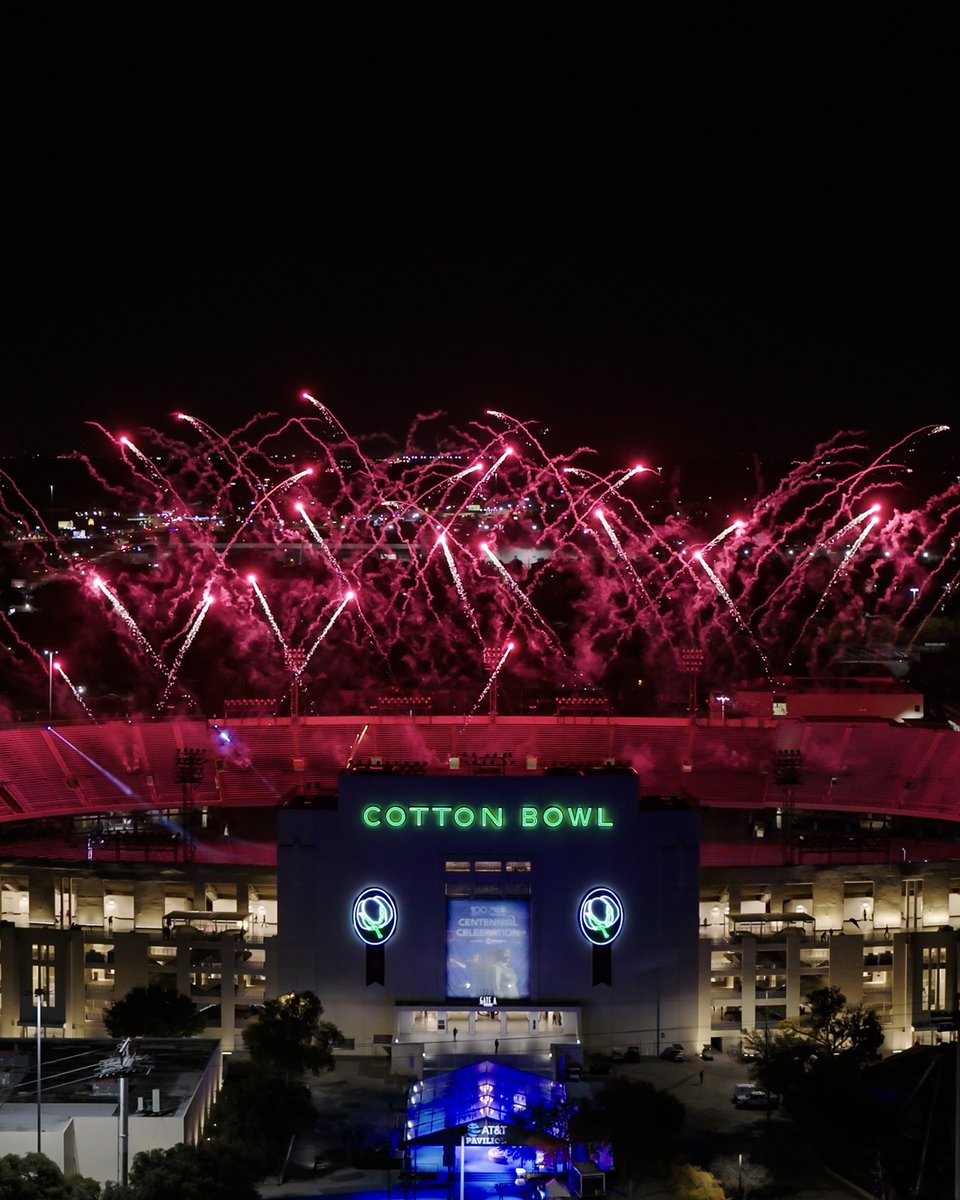
That was the feeling at the start of the Centennial Celebration of the United Way of Metropolitan Dallas. It was a quiet moment right before a very big celebration, a moment shaped by the people who built it. Corporate Magic stood alongside partners, crew members, specialists, and teammates who brought real skill and commitment to this show. We are grateful for every one of them, grateful to the United Way of Metropolitan Dallas for trusting us with such an important milestone, and grateful to Tony Fay Public Relations for the trust they place in us and for the thoughtful way they lead major organizations through moments that matter.
Our team at Corporate Magic is honored to partner with United Way of Metropolitan Dallas on the Centennial Celebration.
This marks a century of service, community impact, and the kind of work that strengthens North Texas in lasting ways.
Producing this event at the historic Cotton Bowl is a privilege, and we’re grateful for the trust placed in us as we help shape an evening that brings people together through purpose and performance. With Janet Jackson and Blake Sheltonheadlining, the celebration reflects both the legacy of the organization and the energy of the next hundred years.
Blue Carpet coverage airs on WFAA+ on Saturday, November 15 at 6:30 p.m.
We’re proud to stand alongside partners who are dedicated to improving lives and building a stronger community—one milestone at a time.
Learn more: https://t.co/saSEBTiS37