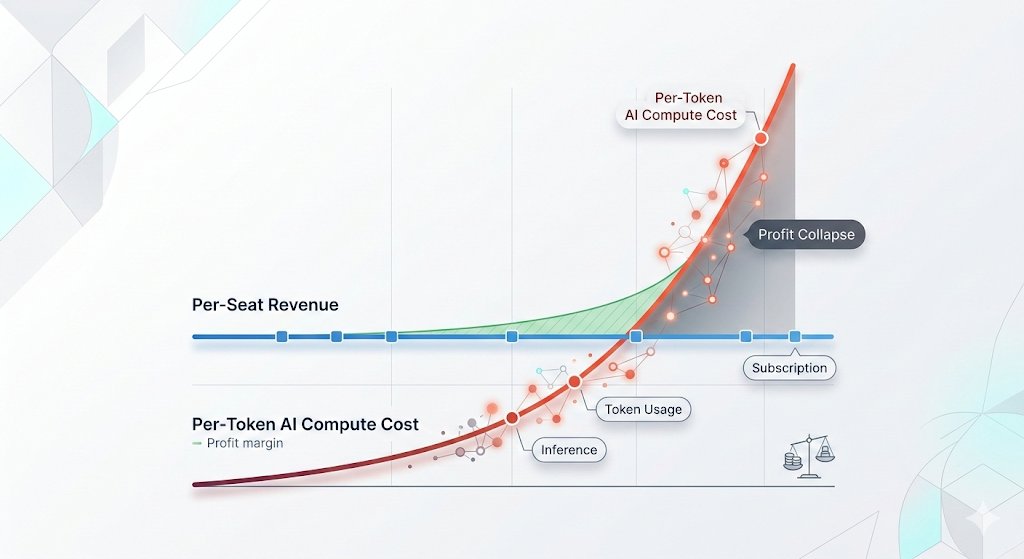
The AI bubble math doesn't add up.
Anthropic spends $3 to make $1 and that’s before you include any and all other costs like staff or electricity.
Microsoft dumped $300B in capex, made ~$18B in AI revenue. OpenAI and Anthropic alone make up 43-54% of Microsoft, Google, Amazon and Oracle's entire revenue backlogs.
Enterprises are burning through annual AI budgets in 4 months with zero measurable ROI.
This is the most expensive science experiment in history, funded by your SaaS subscriptions.
Musings on the OG internet: "Like picking up trash where you walk, even if the rest of the world is full of litter. You keep doing what you can to make things better."
https://t.co/PZzDRkNivm
🦔Microsoft canceled its internal Claude Code licenses this week after token-based billing made the cost untenable, even for a company with effectively infinite cloud resources. Uber's CTO sent an internal memo warning the company burned through its entire 2026 AI budget in just four months. American AI software prices have jumped 20% to 37%, and GitHub (owned by Microsoft) is dropping flat-rate plans for usage-based billing across its products.
My Take
The AI subsidy era is ending in real time. The same company that put $13 billion into OpenAI and built the Azure infrastructure powering most of Anthropic's compute just looked at the bill from a competitor's coding tool and decided it was not worth paying. That is not a productivity failure on Anthropic's end. Token-based pricing is forcing every enterprise customer to confront the actual cost of running these models at scale, and the number turns out to be far higher than the flat-rate experiments suggested.
This ties directly to my Gemini Flash post yesterday. Anthropic, OpenAI, and Google all raised effective prices in the last six months. Enterprises that built workflows assuming AI costs would keep falling are now watching annual budgets evaporate in months. Two outcomes look likely from here. Either enterprises scale back AI usage to fit budgets, which slows the revenue ramp the labs need to justify their valuations ahead of IPOs, or the labs cut prices and absorb the losses, which makes the unit economics worse at exactly the wrong moment. Both paths land in the same place, the numbers stop working, and somebody has to take the writedown.
Hedgie🤗
It's so easy to corrupt AI search results -- but are people willing to do the verification required to stop the AI slop cycle? Can they?
https://t.co/u7rOwZ2KFk
"The companies that structure their data for agents now, rather than locking it inside app interfaces, will be better positioned as that transition accelerates." https://t.co/D1wb7izwbQ
"Bryan Catanzaro, vice president of applied deep learning at Nvidia, recently told Axios that for his team, the “cost of compute is far beyond the costs of the employees.”" https://t.co/lFN0oJOiNl
"The $0.99 first month model doesn’t just improve conversion — it fundamentally changes what signal you’re feeding the algorithm. You’re no longer training the network on “users who clicked a free button”.
https://t.co/0p4QI1EWDd
Khaby Lame sold his brand to a company that "plans to create an AI version that will include his face, voice and behaviors to create multilingual social media content, as well as increase his output and posting capabilities across multiple time zones."
https://t.co/m7T4AC190K
New: Reddit once dominated AI search citations. Now YouTube is gaining ground. LLMs like ChatGPT are increasingly pointing to high-information-density videos with captions and transcripts—reshaping the social platform hierarchy in AI search.
https://t.co/Mj6aNdlP1G
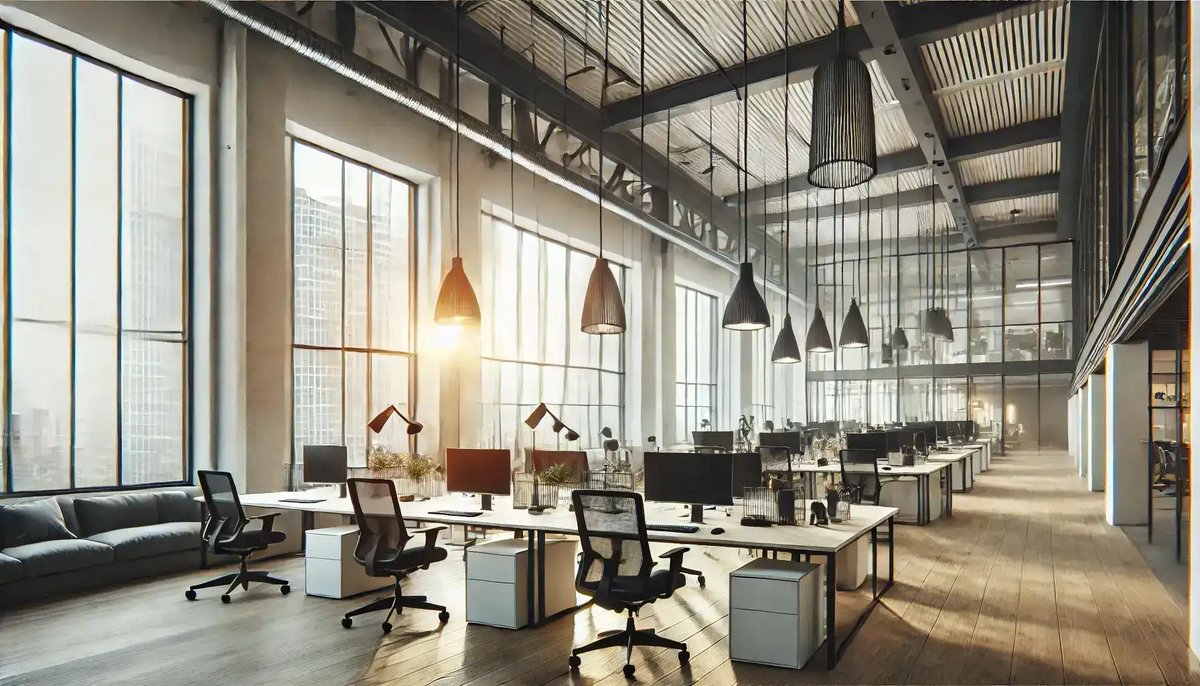
This is fascinating... the HEIGHT of the ceiling in the room you're working in has a DIRECT impact on how creative you are
It's called the Cathedral Effect
How it works: Your brain borrows metaphors from the physical world (space is one of the strongest)
When a room feels tall and open, your mind unconsciously associates that with freedom and possibility - you zoom OUT
When a room feels tight or enclosed, your mind goes into precision mode… attention narrows. You notice typos, spot mistakes, and hone in on details - you zoom IN
Researchers found that people in high-ceiling rooms perform better on creativity. People in low-ceiling rooms perform better on detail orientation and error detection
Churches and museums have soaring ceilings - meant to inspire awe. Libraries and war rooms are tighter - meant for concentration
Startup brainstorms love lofts, and accounting teams love small rooms with doors
Even coffee shops do this. The ones designed for deep work tend to be lower and quieter. The ones designed for conversation tend to feel more open
So if you’re doing creative stuff - writing, designing, brainstorming - do it in a LARGE room with high ceilings. Then move to a smaller room to edit and proofread.
👀 TikTok is quietly opening its walled garden. Sources and platform docs show TikTok is rolling out a pixel tool linking ads, organic posts, TikTok Shop, and Live videos to off-site sales—giving brands visibility beyond the app for the first time.
https://t.co/lejvpcwHfI
Creating with purpose. Telling real stories. The inaugural Shutterstock Impact Awards celebrated visual storytellers from around the world whose work highlights diverse, timely topics. Explore the winning collections: https://t.co/q10DxkLond
"OpenAI may be considering making a move on Pinterest to lock up more human-generated data insights, particularly around product searches. That could then help build out ChatGPT as a shopping tool, and provide it with more ad revenue opportunities."
https://t.co/kpzfaNObZf