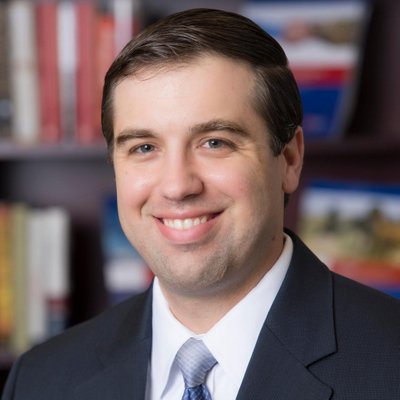
When word spread that RAND researchers were studying neurodiversity in the national security workforce, @cortney_dc's phone started ringing. Individual employees and military service members wanted to be interviewed about their own experiences. https://t.co/2iNC4UNPPp
"Archaic U.S. military and federal policies, combined with decades-old understandings about autism spectrum disorder, create an environment where people hide their autism and other cognitive diagnoses." — @cortney_dc https://t.co/Gif50qRKjo
My team set out to examine whether neurodiversity...would offer benefits to US national security. We found archaic US military & federal policies...create an environment where people hide their autism.
– Cortney Weinbaum
@RANDCorporation
https://t.co/zNpaN5Cmik
"Autistic soldiers, and soldiers with other neurodivergent diagnoses, are already serving on active duty, in many cases in secret—hiding their diagnoses from the Army—and I know this because they called to tell me."
Insights from RAND's @cortney_dc: https://t.co/qjzjGjJy96
@stevesilberman@RANDCorporation Thank you so much, Steve. And thank you for serving as an external peer reviewer for this study. My co-authors and I are honored to have had your feedback in this study.
@Bosenibamwe3@RANDCorporation Our maps only show weapons purchased between 2018-2021. Rather than showing a country's entire inventory, we were tracking new transactions. Did Uganda receive an Su-30 during those years? According to this article, their Su-30s are much older: https://t.co/sZMvihVc3u