🌟Producer/Director/Writer/Cinematographer/Editor/Actor. MONOLOGUE (2027). In development: THE MEN WHO CAN DANCE, epic thriller. The New Cinematic Renaissance.🌟
Creating the VFX for MONOLOGUE (2027) required a different, sui generis approach.
The film takes place in one Miami apartment. After being targeted by an invisible gang of treacherous romance scammers who used crypto as bait and left him near bankruptcy, the Painter decides to fight back with the same digital tools they used against him. He makes a film—an epic of the human face—in which he recounts the entire intense ordeal.
The visual effects had to match that premise. Not explosions, car crashes, or spaceships. Not dragons. The effects needed to externalize the worlds of the mind, the spirit, and cinema itself: lighting, colour, and digital paintings that turn each scene into a shifting canvas.
One recurring motif is the grid. It appears throughout the film in different colours and at key moments, never gratuitously. Each appearance intensifies the psychological pressure of the scene and carries symbolic weight. Like everything else in the film, it is there for a precise reason.
Using neo-noir and expressionist language, we built galaxies of stars, reflections, and colour fields in the form of digital works of art that transform the monologue into a continuously metamorphosing visual event. The process was long and extremely demanding—every element had to earn its place—but the result, after nearly a year of meticulous work, is a set of methodically designed and crafted VFX that are both beautiful and unique to an avant-garde production with no direct cinematic precedents, and I'm grateful to have been able to produce them.
Happy #ThanksgivingDay 2026!
#VFX #SpecialEffects #AvantGarde #Filmmaking #postproduction #NewCinematicRenaissance
Keep in mind that everything is in constant motion:
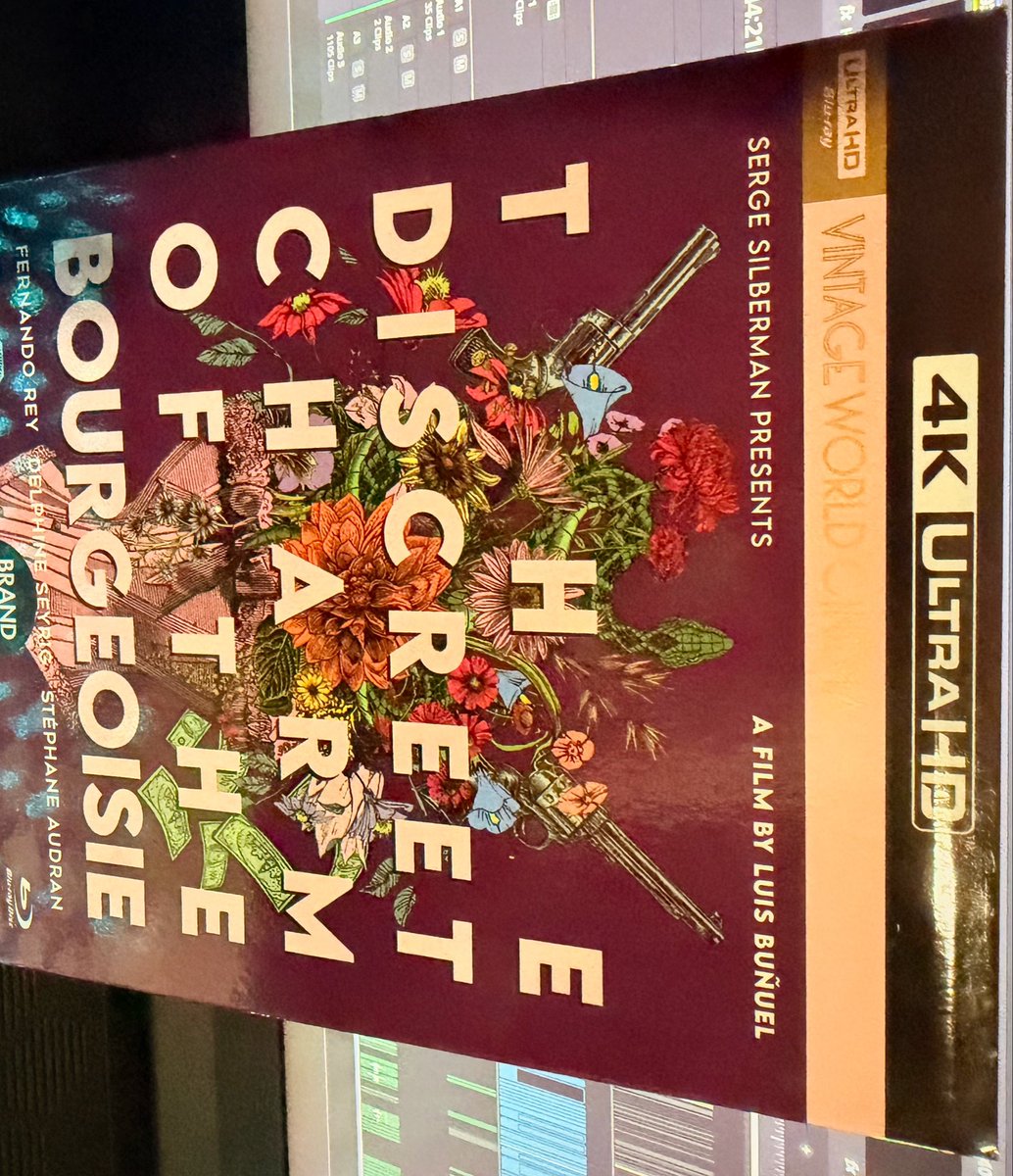
Excellent things arrive unexpectedly. I wasn't expecting the 4K UHD edition of THE DISCREET CHARM OF THE BOURGEOISIE (1972), Oscar winner for Best Foreign Language Film, today. Directed by Luis Buñuel in French, it's surreal that a film with so much satirical ado about… "dining"—no pun or spoilers intended—arrived on #Thanksgiving2026, but c'est la vie. I'm humorously grateful; it's one of Buñuel's greatest and a personal favourite. A masterpiece of surrealistic irony and… "looping." Film aficionados who haven't seen it will enjoy a cinematic banquet that only Buñuel could have concocted. Bon appétit!
@PopcornPost_ Quantum of Solace because it's the film I interviewed him about in Miami when I was a journalist at a major daily newspaper—a front-page story.
You are entering a season of Open Doors and Open Heavens.
This season shall be marked by strategic exchanges and divine connections. You will be blessed by sudden windfalls and victorious success. Pray and expect the best! God is with us. He is helping us now. Hallelujah!
The Cinematic Importance of Distance
Professional digital filmmaking teaches that you cannot properly judge a shot from 12 inches from the monitor. What looks like a blizzard of glitches and double edges up close often becomes the intended effect—a vibrating shockwave, a state of mind, part of the design and thematic scaffolding—once you step back 10–12 feet. As with the airplane scene in Out of Africa, some images are meant to be seen only from the right distance. In experimental film, knowing where to draw that line is half the craft. Perfectionism is good; realism is necessary.
Recently, during post-production of the Director’s Cut of MONOLOGUE: THE CRYPTO SOLILOQUY OF AN OIL PASTEL PAINTER (2027), I received an unexpected compliment. Humbled by ethereal words revealing the film possesses the beauty of an Ingmar Bergman masterpiece, I was startled. Having admired Bergman all my life and interviewed Liv Ullmann as a journalist, I never thought in those idealistic terms while making it. It remains a mystery when the “universe” transmits such references—it makes you feel part of the art of cinema in the most profound sense.
#affirmations #NewCinematicRenaissance
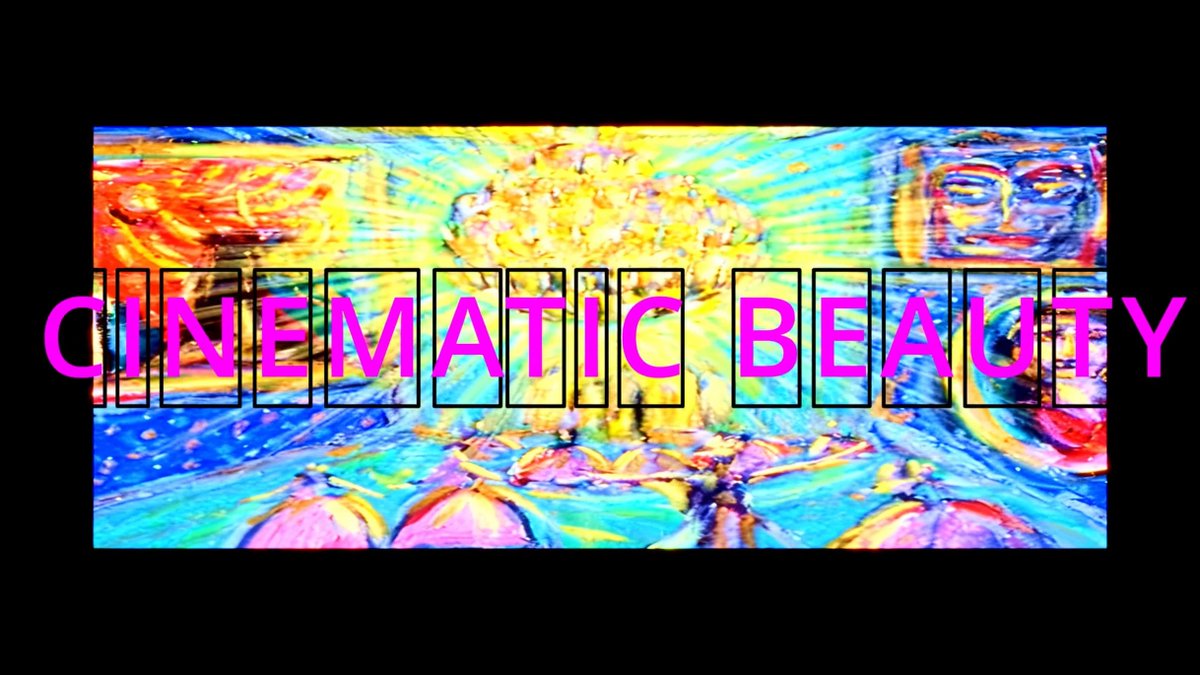
This still from MONOLOGUE is an animation in progress from Part 1, with the words “CINEMATIC BEAUTY XX” sliding across the screen as the Painter sets up a key plot point: how his passion for cinema ultimately leads to his ensnarement by a syndicate of invisible digital-age scammers (they remain completely offscreen throughout the movie) who prey on their targets’ vulnerabilities.
"S-l-o-w” movies move at the rhythm of human existence. You can’t rush real moments, so unhurried cinema is the most realistic art form. Decades of clock-watching tropes and artificial urgency have become clichés. Cinema must transcend cheap adrenaline for pure visual expression matching our advancement as a species.
#time #film #art #cinema
Most movies give you a plot to follow. Films like Ingmar Bergman’s Persona (1966), with Bibi Anderson and Liv Ullmann, give you a frequency to tune into. When a film strips away default Hollywood formulas, silence becomes deafening, a close-up feels like a thriller, and pure visual beauty carries the entire weight of the story.
#arthouse #modernistfilms #avantgarde #Persona #Bergman
CAA’s Bryan Lourd Urges Congress to Pass NO FAKES Act to Combat AI Deepfakes: ‘Every One of Us Should Have the Right to Say No’ https://t.co/VLqDYSR2Jc via @variety
I've interviewed celebrities as a journalist for many years as part of my job. Celebrity fantasy has two sides: pure PR and the human level. The people I've interviewed worked hard to succeed in a difficult, unpredictable, cold-blooded industry. The celebrity side is brief and overexploited. I've been exposed to it daily for years and am not impressed. What interests me is excellence in work; anything else is a game I don't play.
💿 Weekend rewatch #4K choices:
THE DIRTY DOZEN (1967)
12 ANGRY MEN (1957)
HAROLD AND MAUDE (1971)
SHOOT THE PIANO PLAYER (1960)
MARIE ANTOINETTE (2006)
SLEEPERS (1996)
THE SILENCE OF THE LAMBS (1991)
THE NIGHT OF THE HUNTER (1955)
A FISTFUL OF DOLLARS (1964)
FOR A FEW DOLLARS MORE (1965)
Guess what classic movie the GIF is from? Clue: a French masterpiece directed by François Truffaut, starring Charles Aznavour.