A man spends 50 years teaching at MIT.
He knows his time is running out.
So he records one last lecture — everything he knows, distilled into a single hour.
He died 5 months later.
This is that lecture.
The most important hour you'll watch this week. 👇
Bookmark it for later
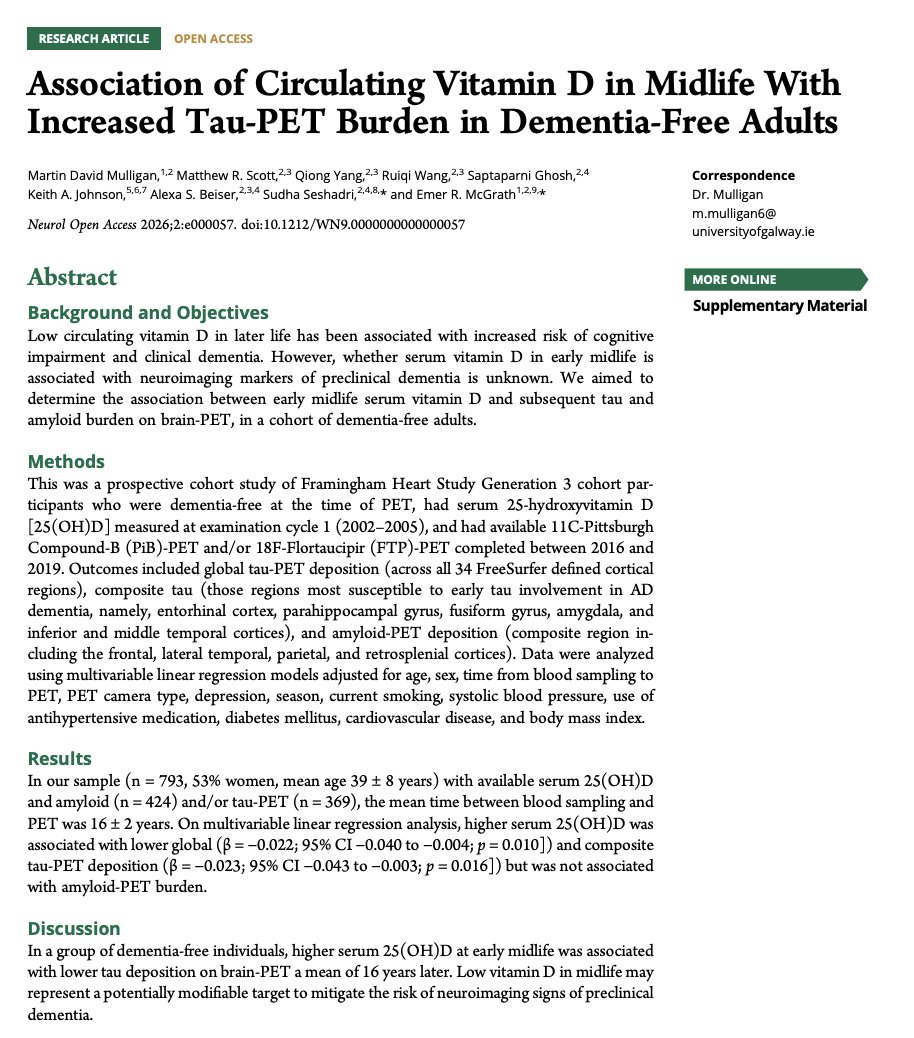
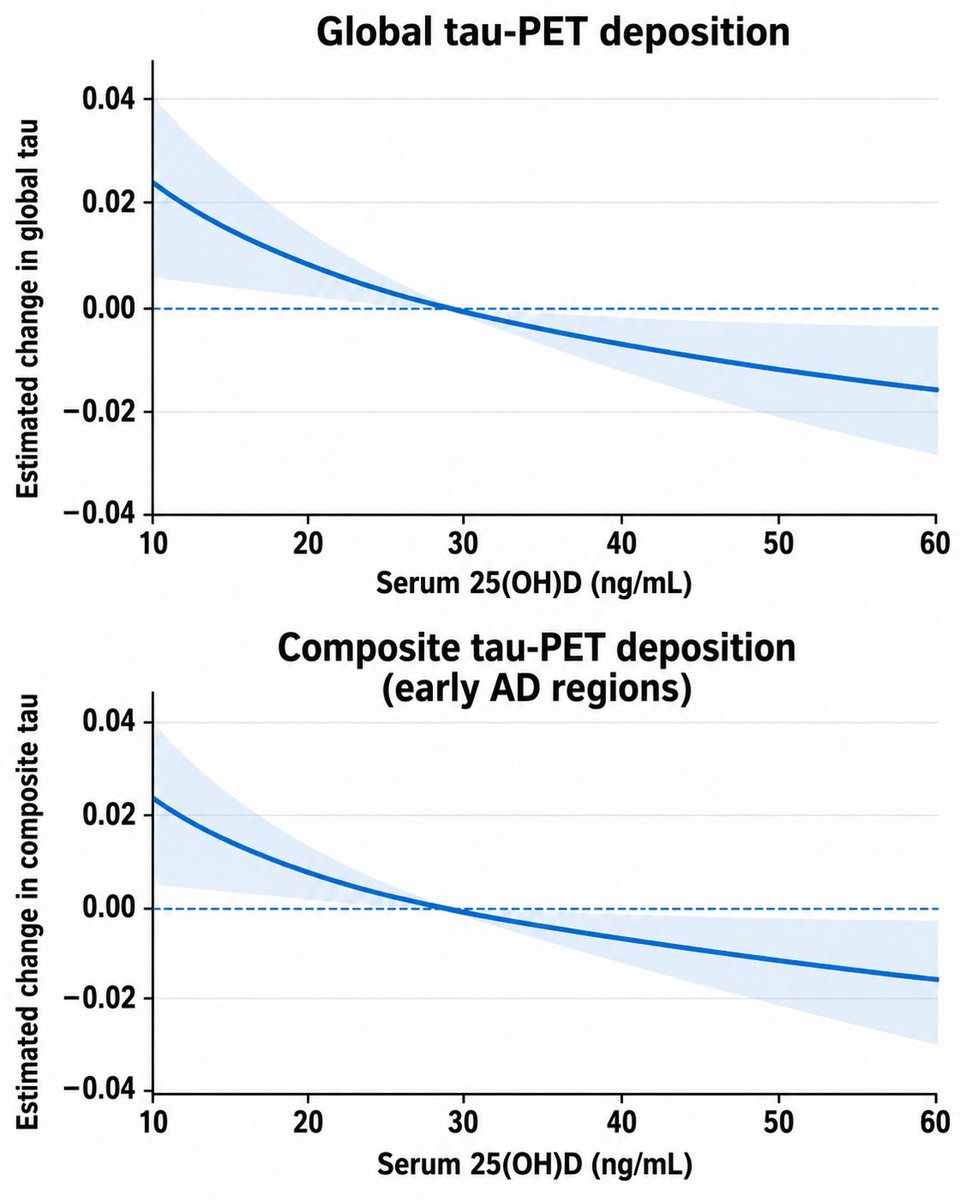
Higher vitamin D levels in middle age are associated with less accumulation of tau, one of the pathological hallmarks of Alzheimer's disease.
The strongest protection showed up among those with vitamin D levels at the higher end of the cohort (around 50 to 57 ng/mL), not just those avoiding deficiency.
Interestingly, there was no association between vitamin D levels and amyloid burden.
This doesn't mean vitamin D is a dementia-prevention drug, or that everyone should start chasing high levels. But it does reinforce that vitamin D status in midlife (and any age) is something worth paying attention to.
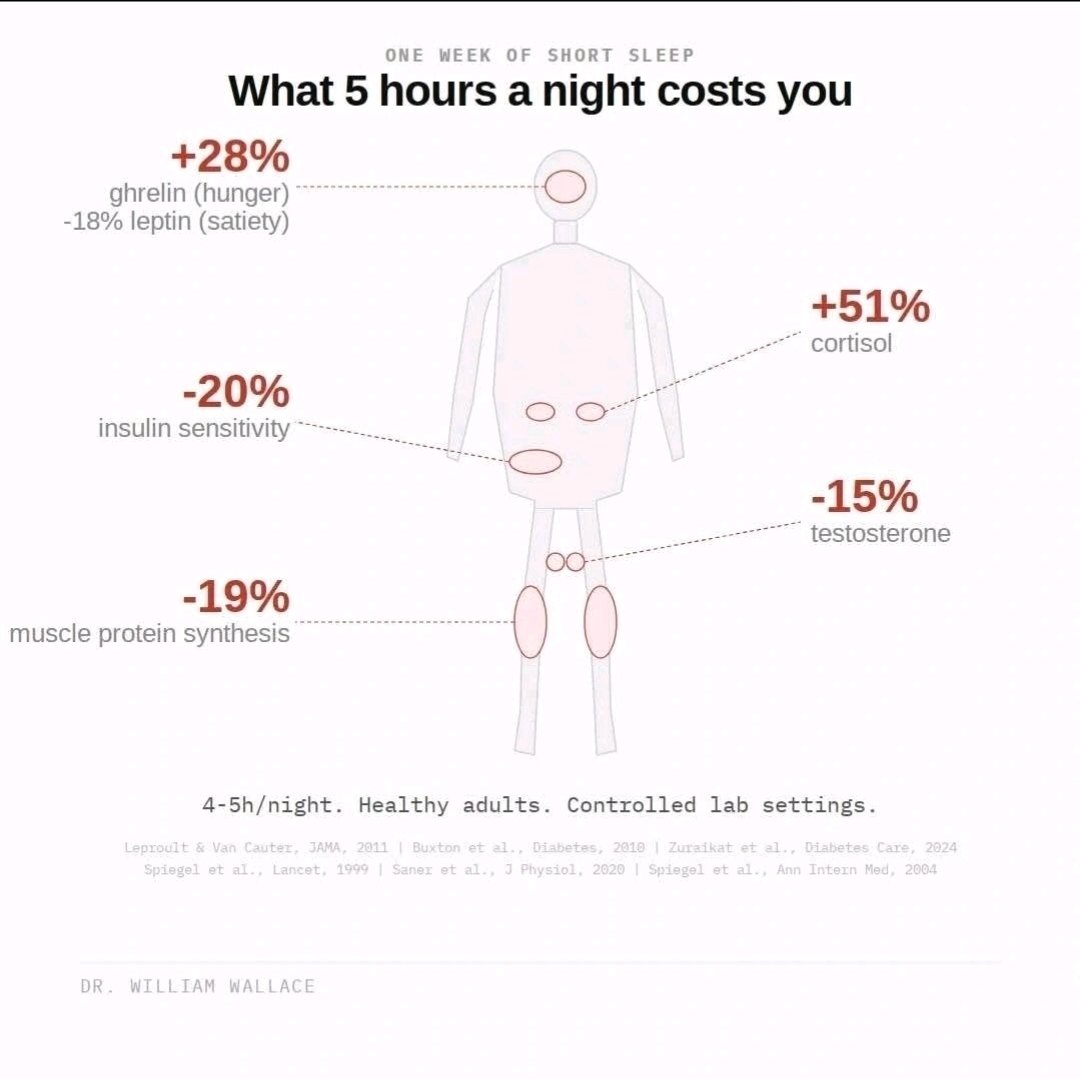
One week of short sleep in otherwise healthy adults. Not "sleep deprived" by strict definition. Just 4-5 hours a night. Testosterone dropped 15%. Insulin sensitivity dropped 20%. Muscle protein synthesis dropped 19%. Hunger hormones rose 28%. Cortisol rose 51%. These aren't the only systems affected. They're just some of the ones that have been measured in controlled settings. No supplement, no diet hack, no training program (crazy claim, I know, but you can't outrain poor sleep...) outperforms sleep at keeping systems "online".
References:
Leproult & Van Cauter, JAMA, 2011. Buxton et al., Diabetes, 2010. Zuraikat et al., Diabetes Care, 2024. Spiegel et al., Lancet, 1999. Saner et al., J Physiol, 2020. Spiegel et al., Ann Intern Med, 2004.
🏎️💨FAST FRIDAY 🏎️💨
⬇️LCM SPEED SET⬇️
1️⃣-4️⃣Rounds:
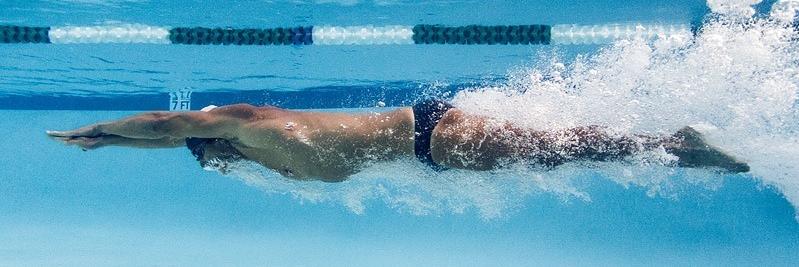
1x DIVE 50 Stroke (Fly) on 3:00
1x100/50 Stroke (Bk) Max Push on 1:00
~10mins recovery
1x DIVE 50 Stroke (BK) on 3:00
1x100/50 Stroke (Brst) Max Push on 1:00
~10mins recovery
1x DIVE 50 Stroke (Brst) on 3:00
1x100/50 Stroke (Free) Max Push on 1:00
~10mins recovery
1x DIVE 50 Stroke (Free) on 3:00
1x100/50 Stroke (Free) Max Push on 1:00
🚨 1 Round = 50 +50/100
🚨 Stroke or IMO
🚨 50 or 100 is dependent on what event the athlete is preparing for. Not based on subjective “toughness”.
Always look to address the demands of the ��Final PERFORMANCE” Requires 🧬
🏎️💨FAST FRIDAY 🏎️💨
🌎Break a World Record w/ this set 🌍
100m SCM World Record 🌍 (55.28) 🇧🇾 @ilyashymanovich
1st 50 ➡️25.85
2nd 50 ➡️ 29.43
⬇️ SPEED RESERVE TEST SET ⬇️
⏱️1st 50 Focus⏱️
8 x 25 from dive (full rest / 3-5 minutes)
Goal: all ≤12.6
1–2 reps ≤12.3
⬇️Performance Standards ⬇️
DIVE 25s (Front-End Speed)
These must be faster than race speed, not equal.
Minimum Standard🟰12.7–12.9
🌎WR Level
Consistently 🟰12.4–12.6
Best Reps 🟰12.2–12.3
You need a speed reserve so 25.6 opening 50 feels controlled, not maxed
⭐️If you can’t do this → you don’t have front-half ceiling yet.
You’re projecting:
1st 50 capability: 25.5–25.7
Replacing "I'm overwhelmed" with "I need to focus on what matters most and go slow" calms the brain by shifting it from a survival-based "alarm" state to a logic-driver "executive" state.
This simple change in self-talk functions as a neural "off-switch" for panic. Labeling yourself as "overwhelmed" signals danger to the amygdala, the brain's fear center. This triggers a fight-or-flight response, increasina cortisol and heart rate.
The new phrase acts as a directive for the prefrontal cortex - the part of the brain responsible for decision-making and planning. It sianals that the situation is manageable, allowing this "rational" brain to regain control from the emotional one.
By telling yourself to "focus on what matters most", you give the brain a specific sorting task. This filters out "mental noise" and reduces cognitive load, making it easier for the brain to process information systematically.
The instruction to "go slow" helps the nervous system settle. This creates the mental space needed to respond thoughtfully rather than reacting impulsively to perceived chaos.
One week of short sleep in otherwise healthy adults. Not "sleep deprived" by strict definition. Just 4-5 hours a night. Testosterone dropped 15%. Insulin sensitivity dropped 20%. Muscle protein synthesis dropped 19%. Hunger hormones rose 28%. Cortisol rose 51%. These aren't the only systems affected. They're just some of the ones that have been measured in controlled settings. No supplement, no diet hack, no training program (crazy claim, I know, but you can't outrain poor sleep...) outperforms sleep at keeping systems "online".
References:
Leproult & Van Cauter, JAMA, 2011. Buxton et al., Diabetes, 2010. Zuraikat et al., Diabetes Care, 2024. Spiegel et al., Lancet, 1999. Saner et al., J Physiol, 2020. Spiegel et al., Ann Intern Med, 2004.
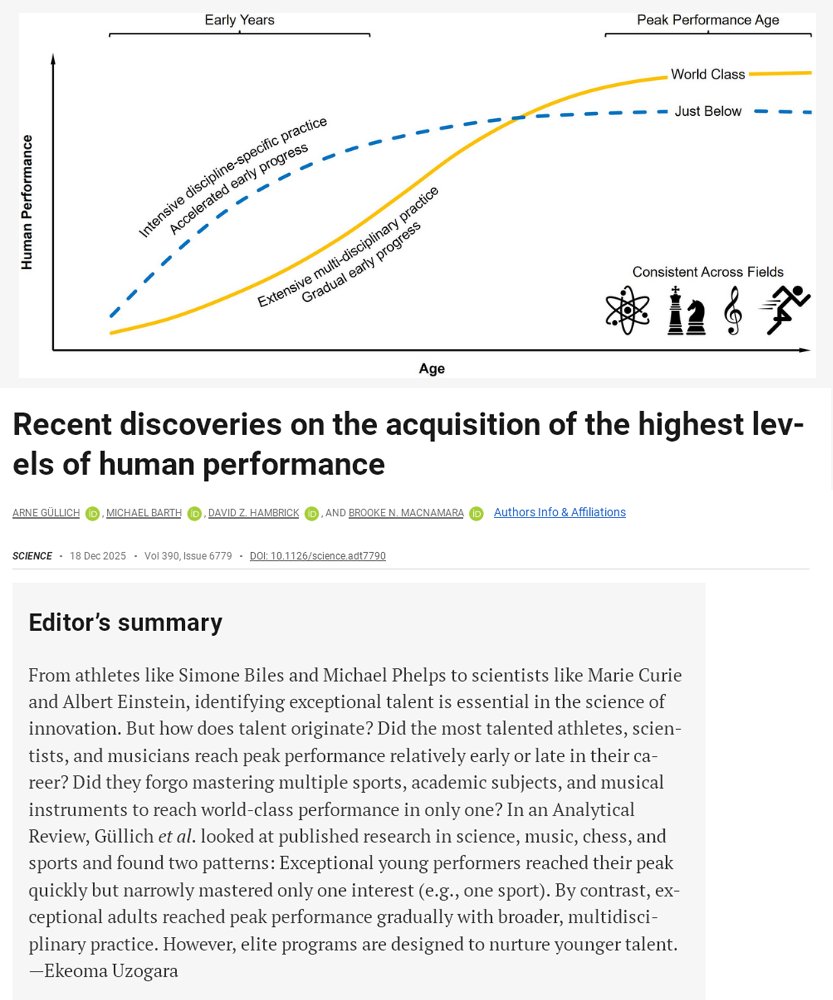
Really Interesting Study on the Highest Level of Human Performance
What if being the “best early” actually doesn’t predict greatness?
Here’s what this science-backed review found across Nobel laureates, Olympic champions, elite musicians, and chess masters:
1. Different people dominate at different stages
Early prodigies and adult world-class performers are ~90% not the same individuals
2. Slow starters often win big
Many top performers were not exceptional early on
3. Early specialization ≠ long-term excellence
Early stars: narrow focus + intense single-domain practice
Future elites: broader exploration + multidisciplinary learning
4. Gradual growth beats fast progress
World-class adults improved more slowly early, but built greater skill over time
5. Breadth builds greatness
Diverse early experiences create stronger learning, adaptability, and long-term success
Bottom line:
Greatness isn’t about starting ahead. It’s about exploring widely, learning deeply, and growing over time.
Sergey Bubka is one of the best examples of what complete preparation looks like.
Physical-Technical-Tactical-Psychological.
He wasn’t chasing isolated numbers. He understood that the weight room, the runway, the technical work…all of it existed to serve the event.
Every
Using the sauna after aerobic exercise improves VO₂ max more than training alone.
People who performed 30 minutes of cycling and then sat in a sauna for ~15 minutes afterward saw greater gains in their VO₂ max after 8 weeks of training compared to those who did the workout without sauna.
There’s also emerging evidence for strength training, with studies showing greater increases in markers of anabolic signaling associated with muscle growth with post-exercise heat exposure.
The sauna has several health benefits. But it's also a powerful tool to amplify the body's adaptations to both endurance and strength training.
Clip from my recent appearance on @ThomasDeLauer
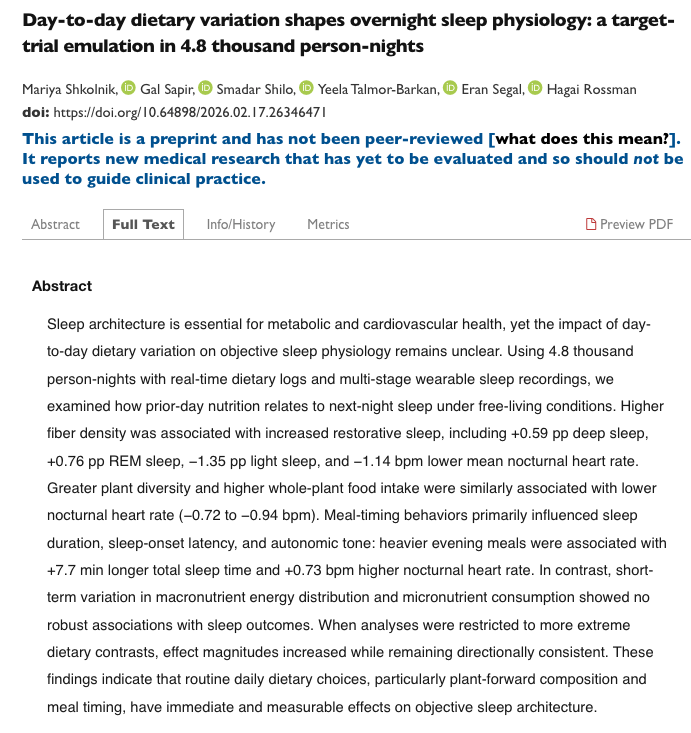
What you eat today shapes your sleep tonight.
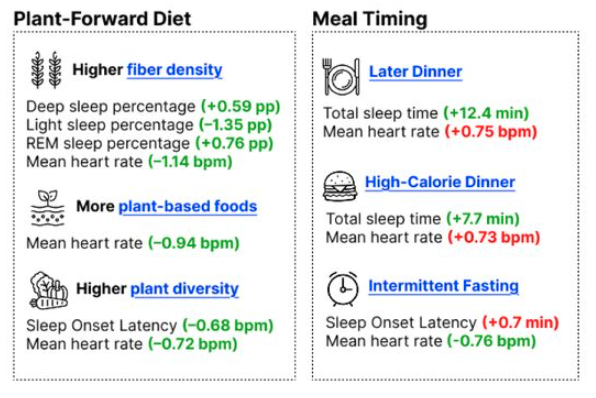
On higher-fiber, more plant-diverse days, people experience more deep and REM sleep, less light and fragmented sleep, and have a lower overnight heart rate.
On days with more processed foods and saturated fat, nighttime wakefulness tends to be higher with a less restorative sleep pattern (less deep/REM sleep).
And when dinner makes up a larger share of daily calories, people sleep longer with a higher overnight heart rate. A longer interval between one's last meal and bed time (about 4 vs. 2 hours) is associated with a lower overnight heart rate.
Long-term healthy eating patterns are essential for good sleep, but this new study argues that even day-to-day dietary variations affect how well or how poorly we sleep.
Pregnant women with higher BPA levels in their urine are six times more likely to have a child diagnosed with autism by age 11
And this isn't an isolated finding
Multiple studies link BPA exposure to disrupted hormonal signaling critical for proper brain development
Perhaps even more concerning, children with autism also have up to 15x higher urinary BPA levels, suggesting impaired BPA excretion could amplify the risk
Taken together, the evidence strongly suggests BPA exposure is a major neurodevelopmental concern