For all those who have asked about an audio version of Conversational Capacity, it is now available on https://t.co/9dVXrUwGEr. You can check it out here: https://t.co/vDCUydAeMe
We all want to make a difference, to leave the world a better place than we found it. One foundational way to do this is by improving how we engage with others. But doing so in a consistent and competent way requires more than just good intentions. https://t.co/D4drHSI1YL
Horrible situation in Canyon homes on fire Animals fleeing on livestream as the fire Jumped highway 27 in Canyon Texas
Explosive fire. Fire headed towards Palo Duro Canyon #texas#txwx#wxtwitter
Thanks to Ted Neitzke IV for another invitation to join him on the Smart Thinking Podcast. He's a great host and I enjoyed our conversation – again! I love how the topic of "leaning into difference" kept popping up! https://t.co/T4vMBVA97i
Dear readers, sources, leaders and friends who have reached out in droves today asking me to quit the @washingtonpost :
1/ I too worry about the timing and odd explanation for The Post's change in endorsement policy.
2/ My fear is that this signals a tip-toeing deference to a candidate. And that spells trouble what I care deeply about: revelatory reporting without fear or favor, no matter who is upset by the truth we reveal.
https://t.co/A5TU77qUqc
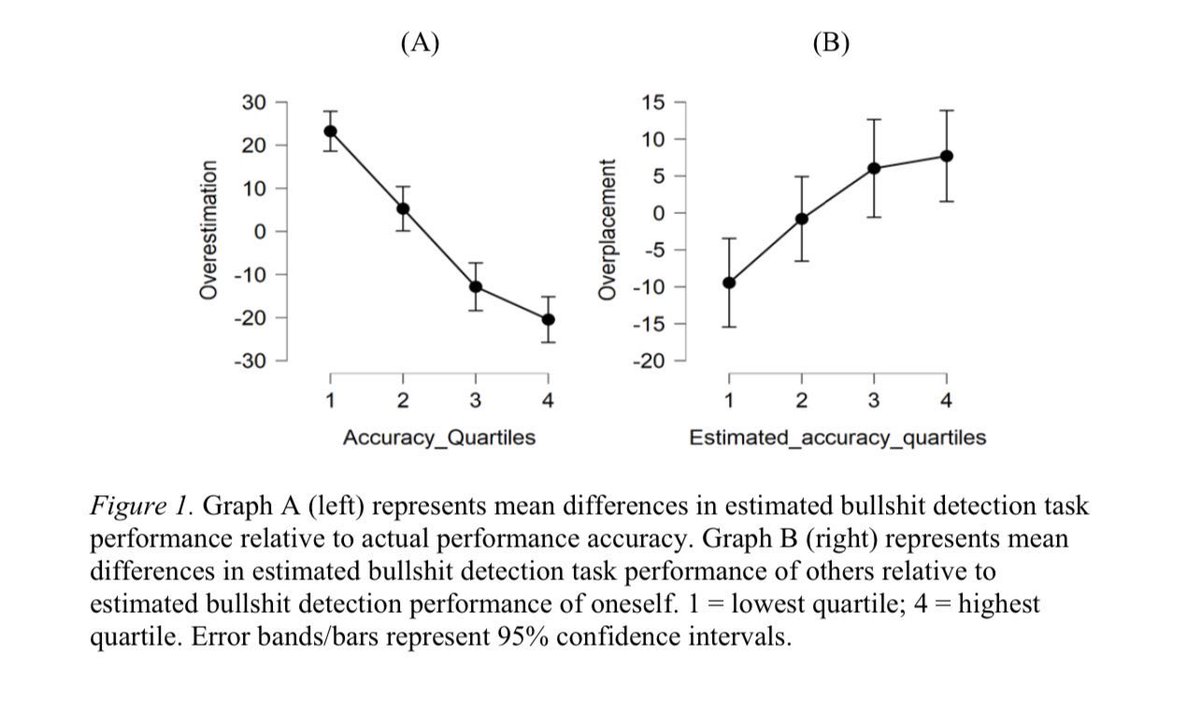
A study that matches experience on this site: The people who think they are best at detecting bullshit (the term for information designed to convince without regard to truth or accuracy) are actually worst at it, and are most susceptible to misinformation! https://t.co/f0COdY4HEa
The merit of one of the most popular ideas in education has been thrown into confusion with the publication of two conflicting studies in the same highly respected journal.
https://t.co/ltePoBdkgF
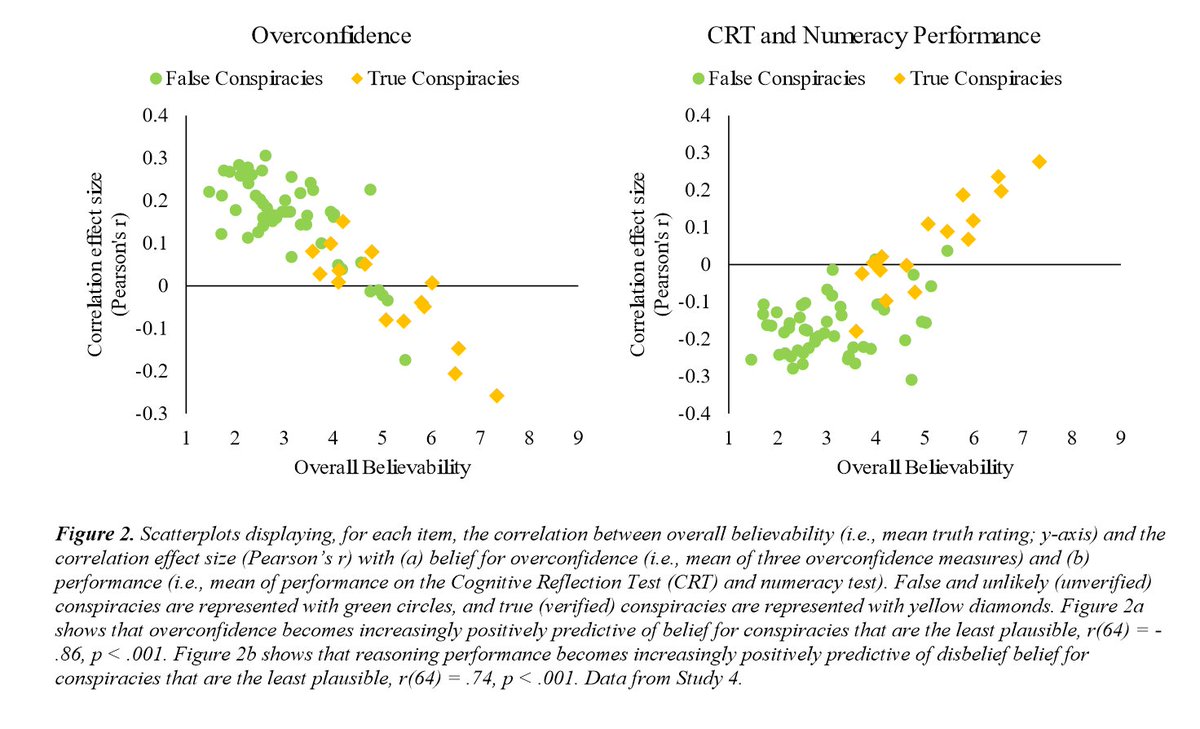
People who fall for false information tend to be overconfident in how they think—not just what they think.
Data: those who overestimate their math & reasoning skills are more susceptible to conspiracy theories.
Critical thinking requires a healthy diet of intellectual humility.
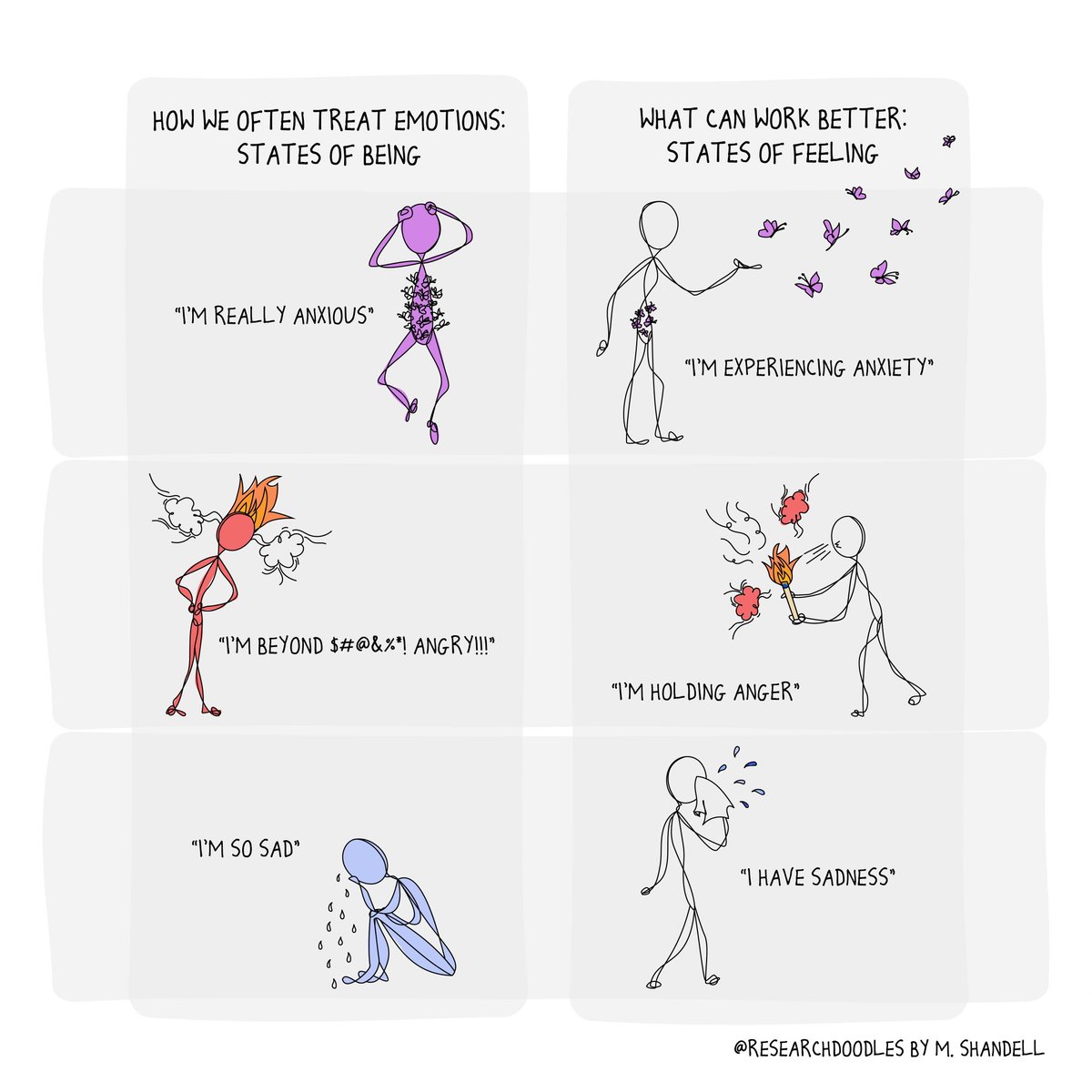
A key to regulating emotions is to treat them like visitors in your home.
"I'm angry" lets a feeling take permanent residence. "I'm hosting some anger today" is a reminder that not all guests are welcome.
Emotions may drop in unannounced, but we decide which ones get to stay.
This video created by psychological professor Richard Wiseman demonstrates the power of perspective in creating illusions.
It’s titled, Assumptions
[source, read more: https://t.co/NzDWEktlkh]
We can play a far more constructive role at work by improving how we engage with others. But it’s harder than it sounds. It takes more than just good intentions – it takes discipline. https://t.co/Py9iMAACnz
A bad thing about the algorithmic Twitter feed is that it makes us particularly susceptible to the Illusory Truth Effect👇
You can go from a completely normal set of beliefs to starting to see something crazy as plausible, just because you keep seeing the crazy thing repeated.
This is a 300-year-old book wheel kept in the Biblioteca Palafoxiana, Puebla, Mexico: it allowed 18th century researchers to have up to seven books open at once
[source, read more: https://t.co/vAudDC2xmz]
Relatedly, this meta-analysis shows "People quit bosses, not jobs." Toxic supervisors & a bad work climate have a large impact on turnover. (Salary only had a small-to-moderate effect, with non-monetary compensation, like training, having a bigger role for retaining talent)
Useful summary of research showing how toxic leaders spread problems through entire organizations, both because their abusive standards get copied, but also because they influence the environment to increase toxicity, with giant negative costs for all. https://t.co/4eL6RjPSw9