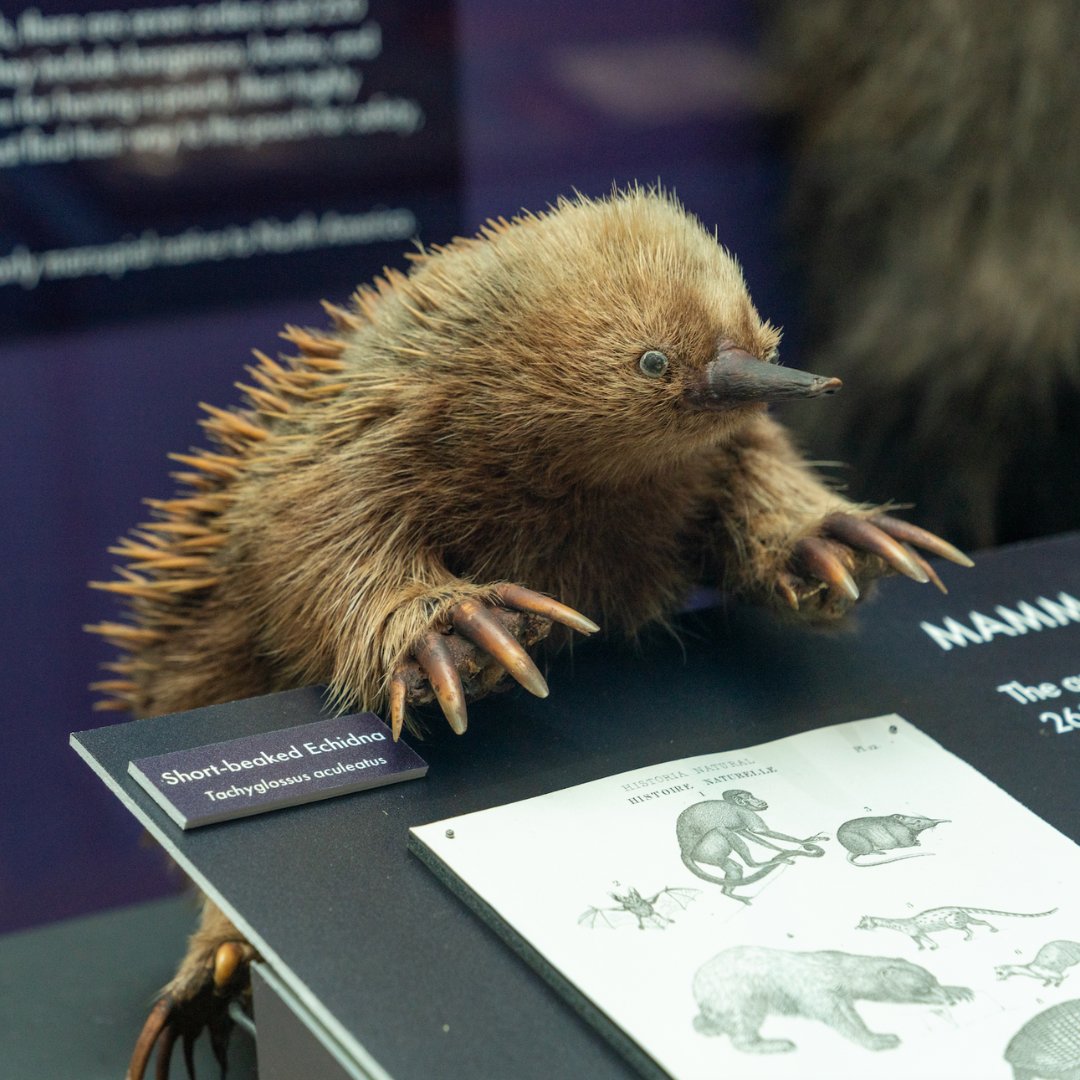
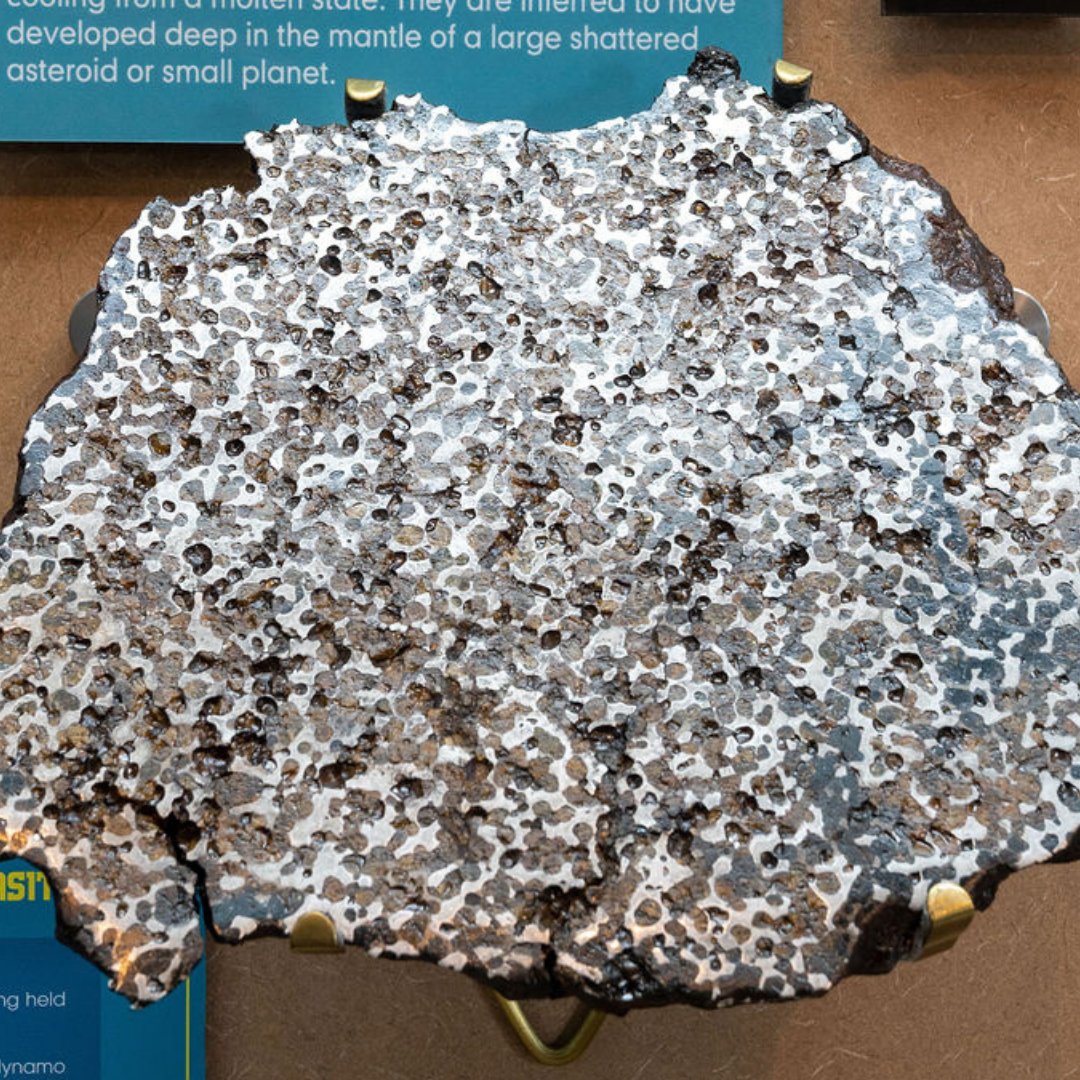
The echidna is named after the “Mother of Monsters” - a creature in Greek mythology believed to be half woman, half snake. Early on the animal was thought to possess both reptile and mammal features - hence the name!
#Cranbrook#CranbrookScience#Science#Museum#Echidna
A Super Moon occurs when the Moon's orbit is closest to Earth at the same time the Moon is full. Tonight will be the first of two Super Moons in 2022. This Moon is also known as the Rose Moon and the Honey Moon.
#Cranbrook#CranbrookScience#Science#Museum#SuperMoon
It's Great Lakes and Fresh Water Week. This week, we encourage Michiganders to learn more about the wonders of our most significant natural resource, our beautiful lakes.
https://t.co/RdtRPstNlb
#Cranbrook#CranbrookScience#GreatLakes#Michigan
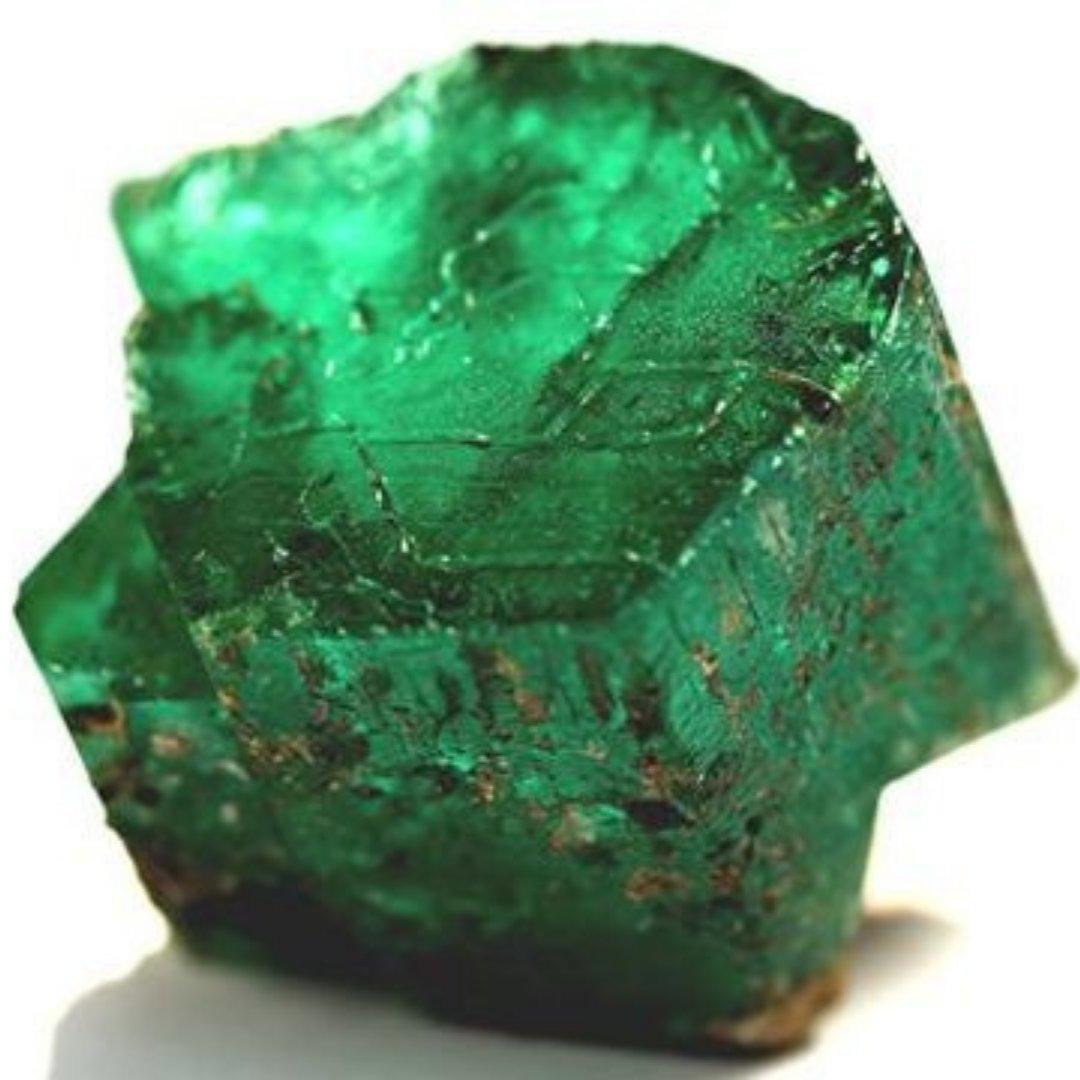
Hiddenite, also known as the Carolina Gemstone, is extremely rare. This stone is a lithium aluminum mineral, which means it appears to be different colors depending on the UV rays. Most often green, it has also been discovered in a dark royal blue.
#Cranbrook#CranbrookScience
Though they’re small, Tardigrades, otherwise known as the water bear, may be the toughest animal on Earth. Typically, they’re about 0.5 mm long and can go decades without food and water - along with being the first known animal to survive in outer space. 🤯
#CranbrookScience
Did you know there are more than 16,000 species on the endangered species list? Commemorate #EndangeredSpeciesDay by spending the day at the museum to learn more about different endangered species and habitats in Michigan and how to protect them from extinction.
Today we celebrate 150 years of Arbor Day. Some of the benefits of planting a tree are:
🌳 Help clean the air we breathe
🌳 Filter the water we drink
🌳 Providing habitat to over 80% of the world's terrestrial biodiversity
To learn more click below: https://t.co/WiYSyyvMqA
Scientists have just identified a mysterious new species of extinct mammal. Unlike most other mammals of its time, it was built to eat meat and little else. These predators were hypercarnivores. Read more:
https://t.co/CKZJAdAgxt
#Cranbrook#CranbrookScience#Science
Today is Earth Hour Day 🌎. Every year, at 8:30pm (local time), on the last Saturday of March, supporters around the world take action and raise awareness of the issues facing our one home. Learn more ⬇️
https://t.co/NRUeys9qJ1
#Cranbrook#CranbrookScience#EarthHour
Like other aspects, intricate, challenging handiwork — comparable to weaving — was just as essential to the Apollo moon missions. Read more about how Navajo women made the missions possible:
https://t.co/5GpfZASVzy
#CranbrookScience#Science#Apollo#Moon#InternationalWomensDay
Being prepared for winter observing starts with the right equipment — for your optics and for yourself. Click below for tips on preparation and safety.
https://t.co/qywuPFPJri
#Cranbrook#CranbrookScience#NighSky#Astronomy
Scientists are curious about what goes on in the Great Lakes during the frigid winter months. Read more about how they are racing to research during a time period that is usually ignored. ⬇️
https://t.co/UKHUXufKGq
#Cranbrook#GreatLakes#Science