ATP—All Things Psychology brings bite-sized research pieces from Psychology & Neuroscience straight to your inbox, with one goal: To help you leverage science to improve your life.
Subscribe here: https://t.co/Ypw7sSffRX
Yesterday's newsletter covered how to use technology in a way that reduces procrastination.
The secret is controlled use, not digital detoxes.
Subscribe so you don’t miss the next edition!
(Link in the post below)
ATP—All Things Psychology brings bite-sized research pieces from Psychology & Neuroscience straight to your inbox, with one goal: To help you leverage science to improve your life.
Subscribe here: https://t.co/Ypw7sSffRX
Procrastination isn’t laziness or a lack of willpower.
But the "hustle harder" crowd won’t tell you what actually helps.
Tomorrow’s newsletter reveals how to reduce procrastination, backed by science.
Subscribe so you don’t miss it! (Link in the post below)
The logic of “I’m tired, I should rest” can fail.
An analysis of 8,223 people found that walking, rather than sitting, significantly increased subjective energy levels.
So if you feel low energy for no clear reason, movement may help you feel more energized than watching Netflix or scrolling.
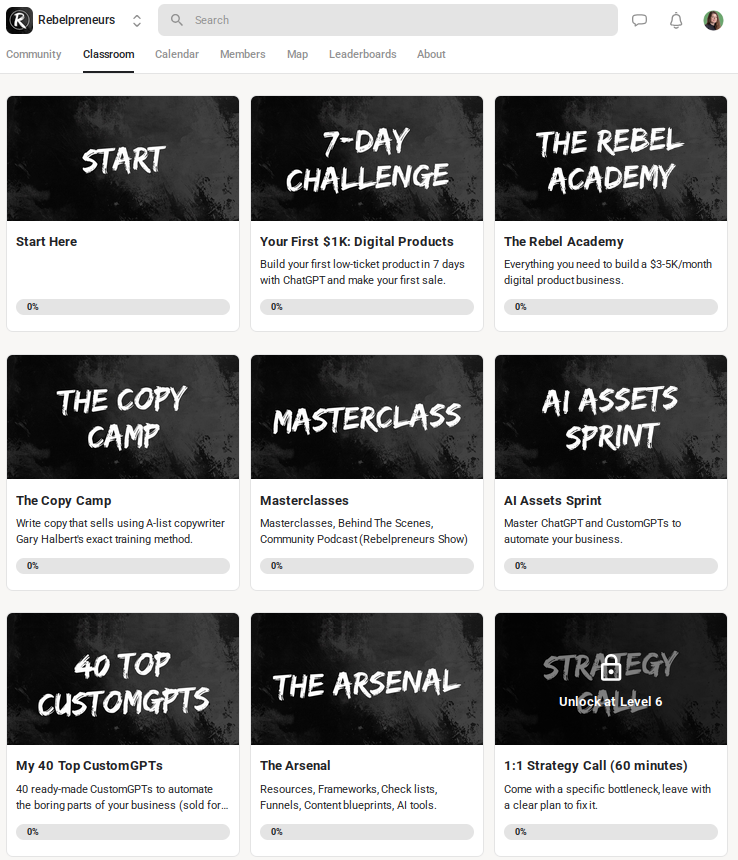
I don’t recommend communities often.
But Rebelpreneurs is the best one I’ve been in so far.
If you’re building digital products, writing online, or still figuring things out, you’ll love this community.
Sign up here before the price goes up tomorrow: https://t.co/Hbuk7WA2Nl (affiliate)
ATP—All Things Psychology brings bite-sized research pieces from Psychology & Neuroscience straight to your inbox, with one goal: To help you leverage science to improve your life.
Subscribe here: https://t.co/Ypw7sSffRX
Yesterday's newsletter challenged the myth that taking more time to think always leads to better decisions.
Under certain circumstances, fast decisions can outperform slow ones.
Subscribe so you don’t miss the next edition!
(Link in the post below)
ATP—All Things Psychology brings bite-sized research pieces from Psychology & Neuroscience straight to your inbox, with one goal: To help you leverage science to improve your life.
Subscribe here: https://t.co/Ypw7sSffRX
Plot twist: Thinking longer doesn’t always lead to better decisions.
Tomorrow’s newsletter shares research that could change how you think about decision-making.
Subscribe so you don’t miss it! (Link in the post below)
The brain has no pain receptors but it processes pain signals from the rest of the body.
Wild that the organ that makes you feel pain can’t feel pain itself.
ATP—All Things Psychology brings bite-sized research pieces from Psychology & Neuroscience straight to your inbox, with one goal: To help you leverage science to improve your life.
Subscribe here: https://t.co/Ypw7sSffRX
Yesterday's newsletter covered the science of reframing: how changing the meaning of a task can make you enjoy it more and even perform better.
Subscribe so you don't miss the next edition! (Link in the post below)
I used to hate doing my monthly business finances. Now I look forward to it.
The difference? One science-backed technique.
Tomorrow's newsletter has the details.
Subscribe so you don't miss it! (Link in the post below)
ATP—All Things Psychology brings bite-sized research pieces from Psychology & Neuroscience straight to your inbox, with one goal: To help you leverage science to improve your life.
Subscribe here: https://t.co/NSR62fq0PR
A recent study shows:
You can reduce your brain age with simple and free behavioral tools. The average decrease in brain age after 1 year was 0.6 years in this study.
Want to learn how they did it?
Read it in my latest article on Medium: https://t.co/pEZ4CYQK9S
We've all switched to digital note-taking because it's convenient.
But research shows that handwritten notes are remembered better.
The trade-off:
- Digital is faster.
- Handwriting helps you think.
Choose wisely.