My latest op-ed in Business Recorder on why government communication in Pakistan is built for whoever approves it, not whoever it's meant to reach.
This isn't about trust, that's a separate and harder problem. This one's smaller. And it's fixable.
https://t.co/hOTVA6ptmB
Different symptoms, same root problem. These institutions know exactly how to talk about themselves. Almost none of them know how to talk to anyone else.
In my latest Substack piece, what that costs, and the one thing that would actually fix it. 👇
https://t.co/vp1nyMV0e4
The more I looked, the more I realized this isn't one authority's problem. Some government institutions barely have a presence at all. Others post constantly and still miss the point, because everything they put out is written for whoever approved it, never for the reader.
So I checked the platforms directly. X, Facebook. Nothing official on either.
At that point I genuinely started doubting my own search skills. A social media regulator with no social media presence isn't a small gap. It's almost a contradiction in the name.
A few days ago, I went looking for basic information about Pakistan's new Social Media Protection and Regulatory Authority.
I searched Google first. No website. Fair enough, I thought, it's only been a few months since launch, maybe the site's there but not indexed yet.
🧵
Sky Sports Cricket skipped the photo-as-content thing entirely. They just filmed their own commentators reacting to their AI portraits for the first time and posted that.
The photo was the setup. The reaction was the actual post.
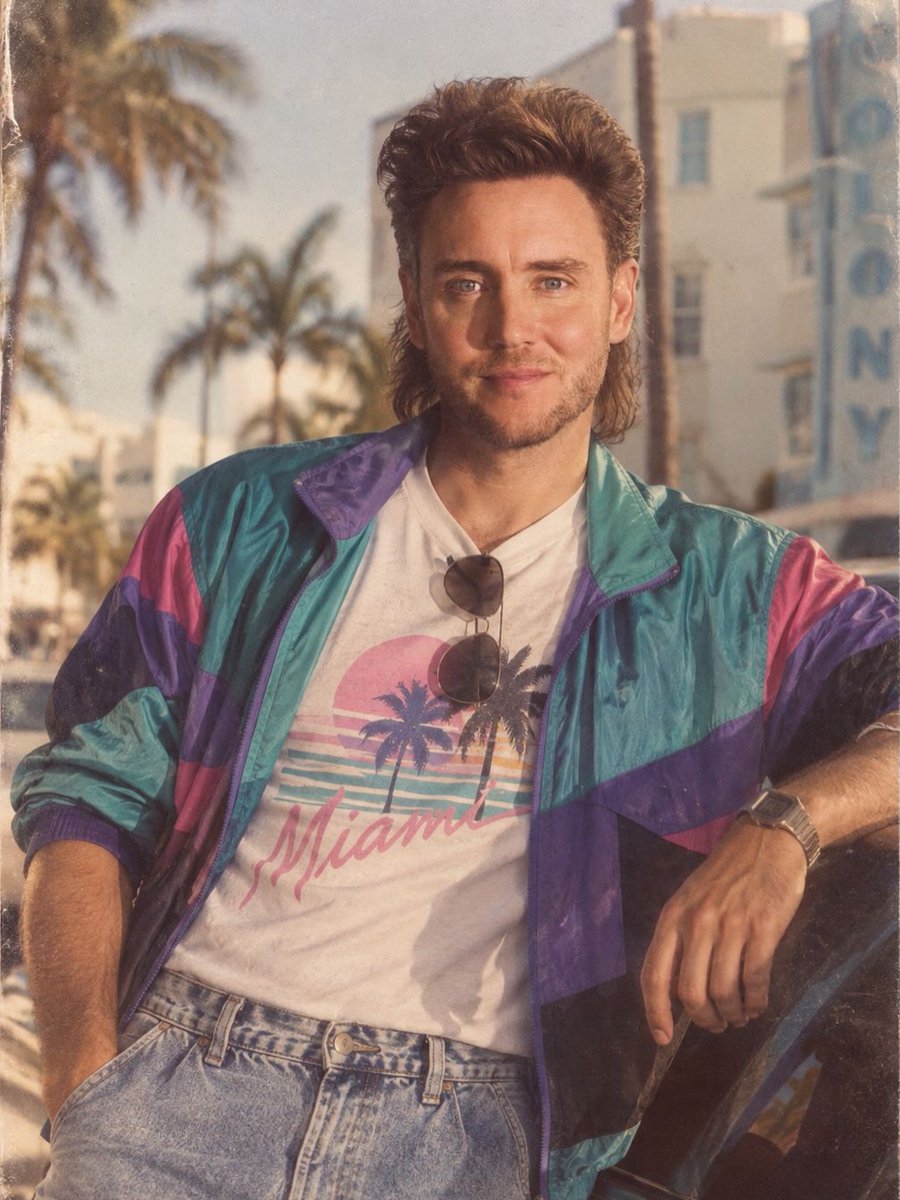
Be honest, has literally everyone you know done the AI '80s photo trend by now? If you can name a friend who hasn't, you have rare friends.
Brands jumped in too. Most of it looks the same because it basically is.
Wrote about the one exception 👇
https://t.co/Q8PTAbNsbc
A good retro portrait used to need a stylist, a studio, a shoot day. Now it's a prompt. Ten seconds and you're done.
So posting one doesn't really prove anything anymore. It just proves you have wifi.
#80s
We wrote about what the brands getting this right actually do differently, why disabling comments during a crisis is the worst thing you can do, and the most interesting example of comment section strategy we have come across this year.
https://t.co/biGD0pxjdh
Brands winning on social right now are not the ones with the best content.
They are the ones who figured out that the post is just the reason to show up. What happens after someone comments is where the relationship actually gets built.
Most brands have nobody assigned to that.
There is a difference between content that informs people you exist and content that gives people something to do.
The algorithm only rewards the second kind. It has no opinion about the first.
I wrote about what this actually means for people and what it means for brands in my latest Substack piece. Most marketing strategy today is built for an audience that no longer quite exists.
Link: https://t.co/msybHjFZTE
That may be just a pixel or a YouTube search that got stuck. But the same logic runs through everything now. Your feed, your recommendations, your entire experience of the internet is being shaped by conclusions these systems drew about you and never revised.
But every single time I open YouTube, the first ad waiting for me is GoDaddy. The Arabic version. Still. Every day.
A system watched me search once in 2024 and has never updated its conclusion. Two years of ignoring them completely and it still thinks I am about to buy a domain.
In July 2024 I needed a domain and hosting. I checked GoDaddy's packages, compared them with Hostinger, decided to go with Hostinger. Decision made, moved on.
That was almost 2 years ago. I never went back to GoDaddy, never visited their site again, never thought about them.
🧵