CrimSL welcomes Julia Rose Warren as Cataloguing, Research and Resource Services Library Assistant @CrimLib as of May 1, 2025! Read about Julia's journey from BC to U of T and join us in welcoming her to CrimSL at
https://t.co/SxDnlfliBj
3/3 Bulldozer, the magazine of the Toronto-based Prison Solidarity Collective, centrally focused on the first-hand experiences of incarcerated Indigenous Activists, including Leonard Peltier, and is a rich primary source account of activism in the 1980s.
1/3 Extradited from Canada, Leonard Peltier's conviction in 1977, struck a chord with Canadian Indigenous activists and the incarcerated, and stories about him and his letters were often printed in prison and activist newsletters.
2/3 A member of the American Indian Movement (AIM), Peltier’s prison letters focus on Indigenous activism, including education of traditional ways as well as scathing rebukes of the treatment of Indigenous communities and their experiences with the justice system.
The first reports from 2020-2021 on the uneven and inconsistent implementation of Structured Intervention Units by @CrimSL_TO's Anthony Doob, and alumni, Jane Sprott are now available on the @Crimlib website, https://t.co/FuaC2T3TlJ
The Law and Mental Disorder was published in 3 parts in 1964 by the Committee on Legislation and Psychiatric Disorder to consider the Mental Health Act. They provided the requirements and rules for diminished responsibility, indeterminate detention and issues of mental fitness
This month at #crimlib, come learn about the history of forensic mental health care in Canada. Displayed government doc, annual reports & accounts written by patients aim to demonstrate the development, flaws and changes at the intersection of mental health and criminalization.
Patients frequently wrote about their interactions with the mental health system in prison newsletters. In 1989, a woman incarcerated at the Prison for Women wrote about her experience at the St Thomas Psychiatric Hospital, which is currently the subject of a class action lawsuit
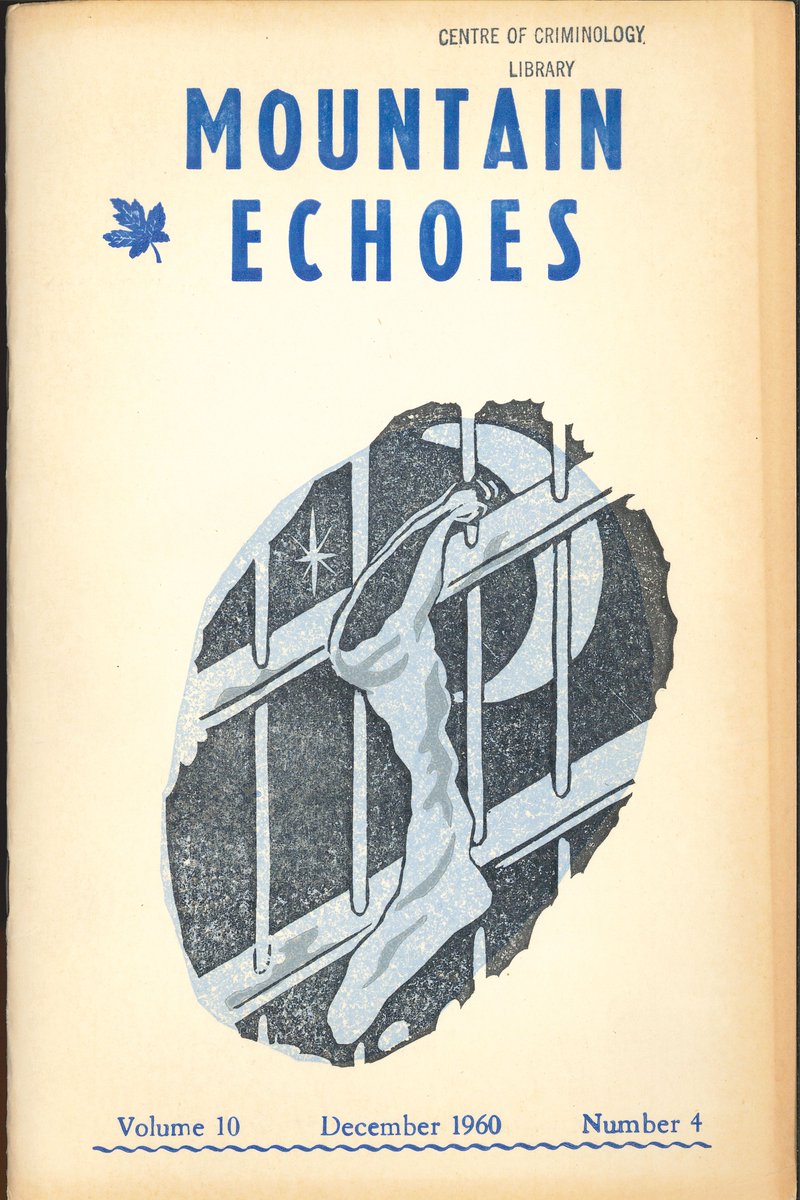
1/3 In Canada, incarcerated men and women celebrated Christmas in their newsletter issues with colourful and nostalgic cover images, but the text often dealt with themes of missing family, nostalgia, the difficulty of being in prison for Christmas, and a desire for freedom.
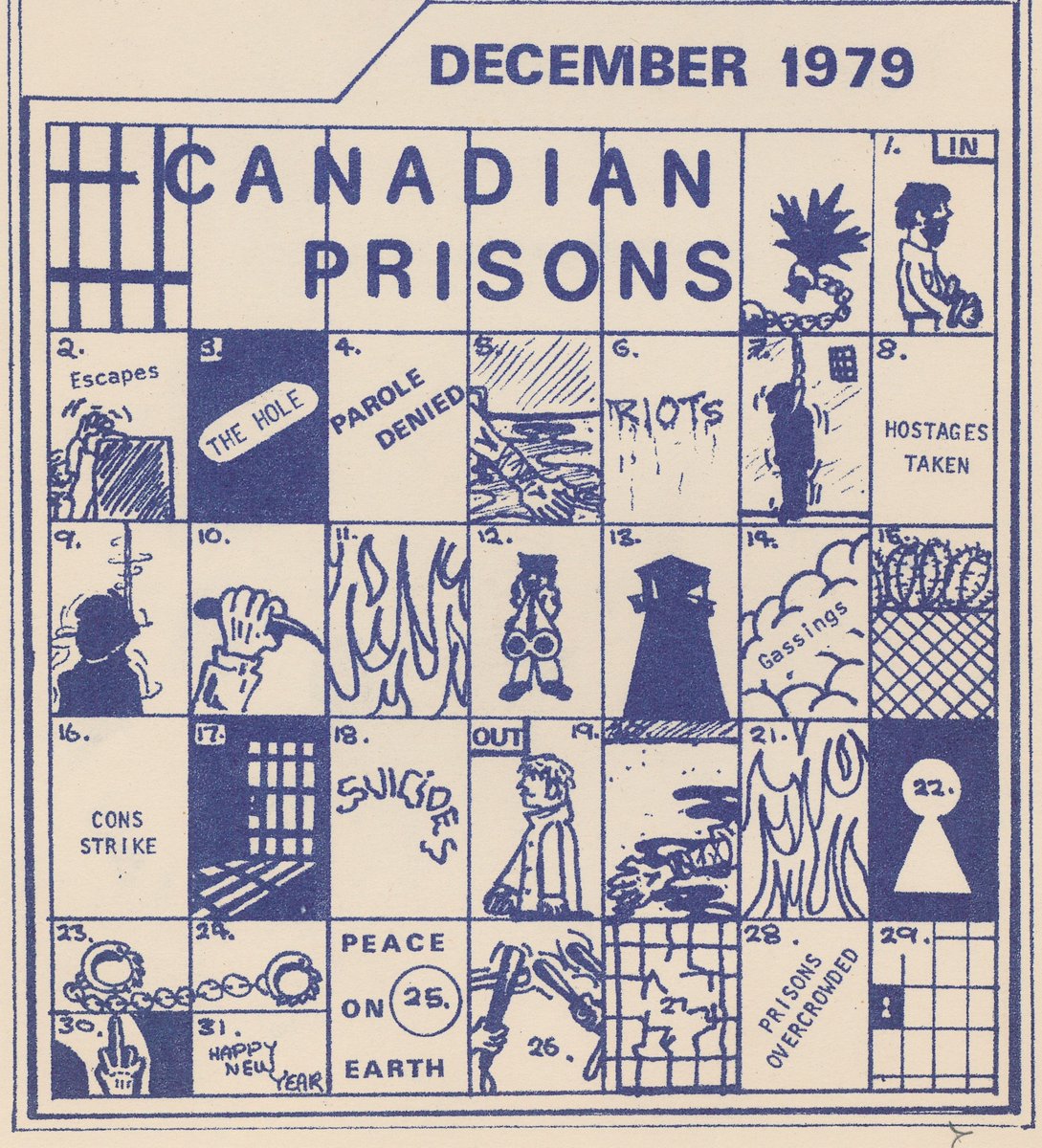
The Communicator, produced by Springhill Institution, avoided the Christmas tropes in 1979, December was no different than any other month. Their cover calendar focused attention on issues of violence, solitary confinement, mental health and suicide and prison overcrowding.
Sometimes finding the right sources comes down to using the right search terms. Interested in gangs and organized crime inside correctional institutions? The term you need is Security Threat Group. Corrections Canada publishes on this topic here: https://t.co/nfeRsnGZBY
Produced by the Prisoner Solidarity Collective in Toronto, this title was given the name Bulldozer as it was the "only vehicle for prison reform." With articles written by activists and prisoners, it ran from 1980 until at least 1984.
Come see our July display! This month, the @crimlib is highlighting our material on the development of the #prisonabolition movement in Canada and the US. We hold rare material on this topic including conference proceedings, newsletters and handbooks.
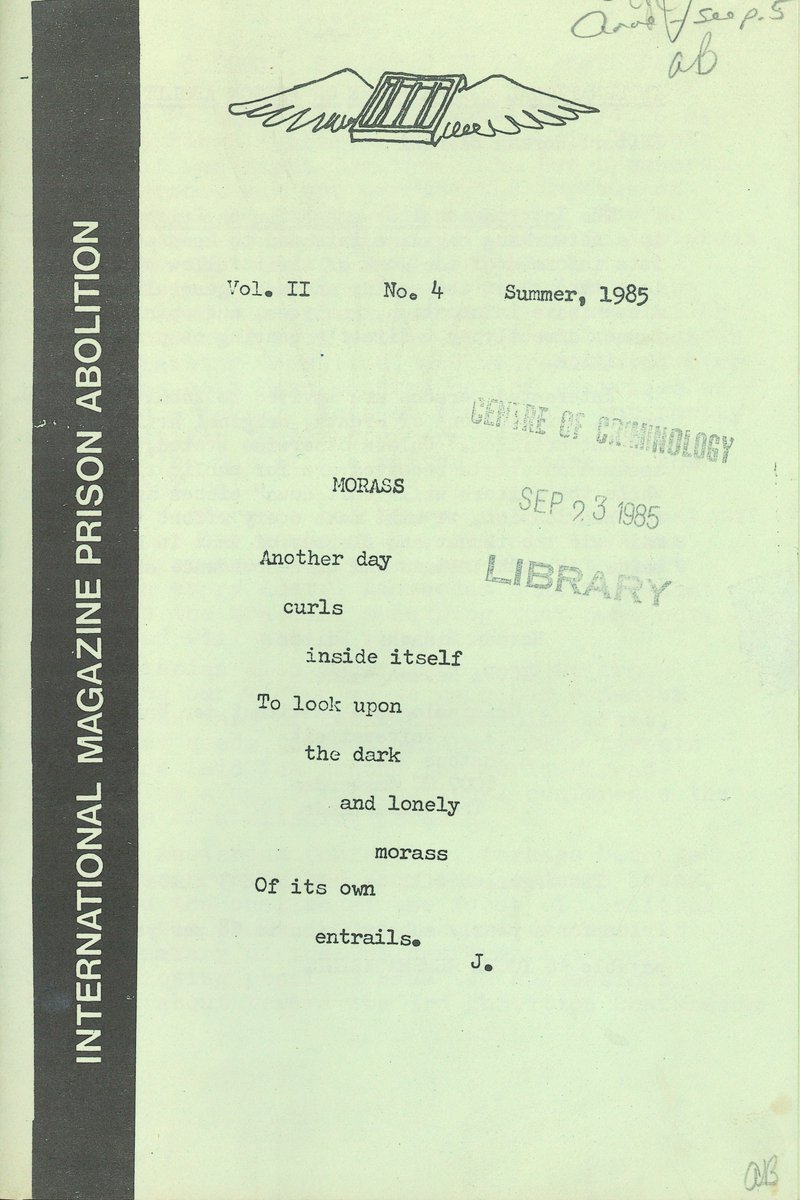
The International Magazine Prison Abolition edited by Ruth Morris was a "networking magazine intended to keep abolitionists informed of the work of their fellow abolitionists throughout the world."
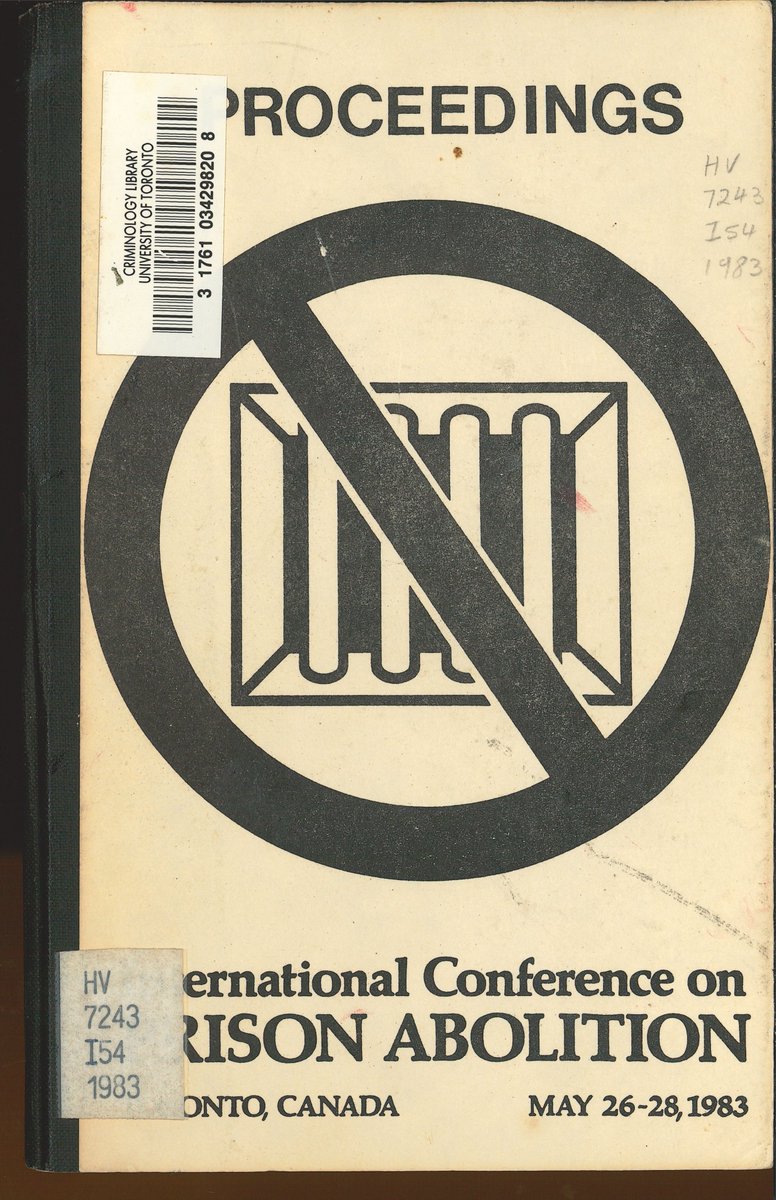
The first International Conference on Prison Abolition was held in Toronto in 1983, and these proceedings detail the attendees, roundtables and talks. We were recently told by a researcher that our copy is the only known institutional holding of this title.