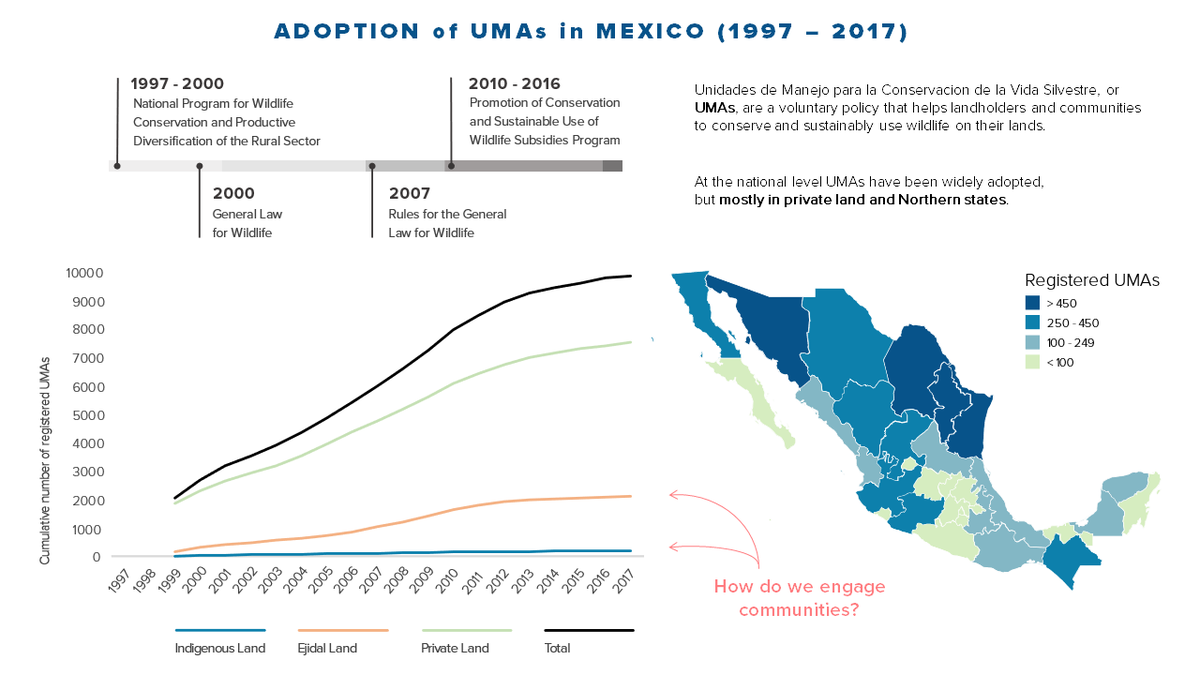
1/6- A sustainable community project starts by acknowledging that communities know what they need and can lead and curate the future they want. External players can only be enablers of community aspirations
@SCB_SSWG
#SSWGTC21
1/6
#GeorgeClooney sells us Nespresso pods ☕️, @KimKardashian sells us makeup💄… there is no doubt that famous and attractive people are effective at selling 💵
But who can we use to 'sell' the plight of #threatenedspecies? 🦧
#SSWGTC21 @OTEConservation @SCB_SSWG
1/6 #SSWGTC21
Without immediate action on climate change, the future of the #GreatBarrierReef is grim😭This includes action at individual and community levels…
BUT, most Aussies are not engaging with climate related behaviours for the reef! https://t.co/SL0S8DKiAF
@AngelaSocSci
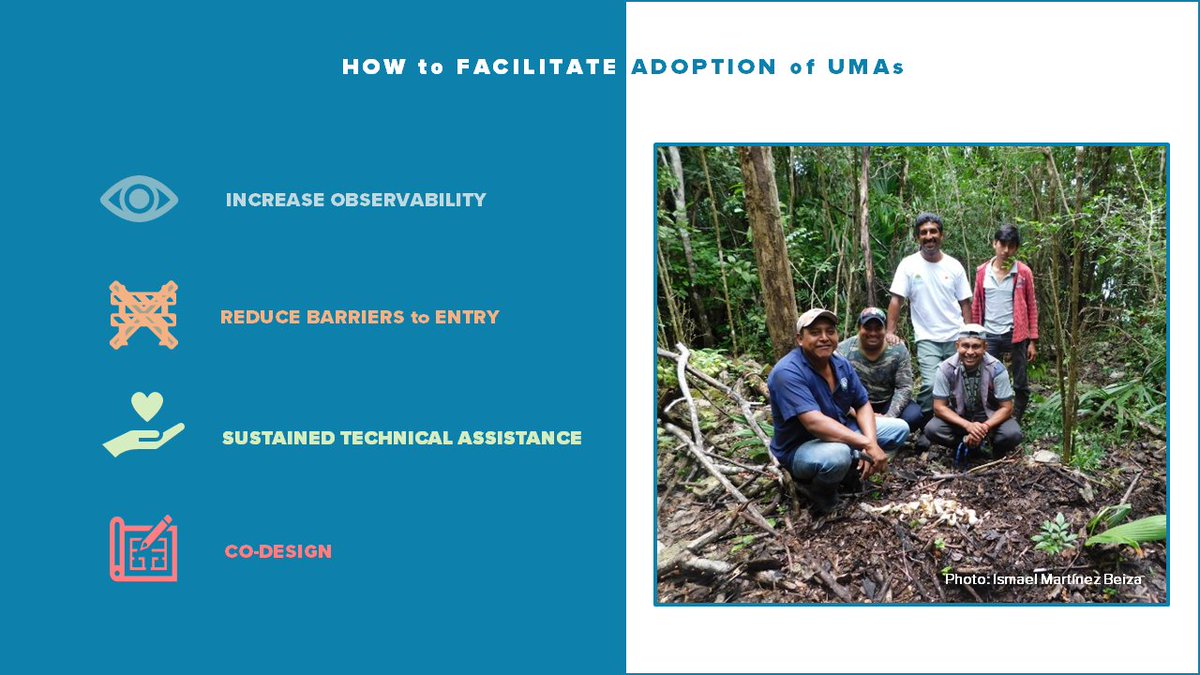
@MarcoGtez @MorenaMills@AngelaSocSci@Mike_Mascia We found extension support is crucial all along the process, from learning, adopting, implementing and managing
@MarcoGtez @MorenaMills@AngelaSocSci@Mike_Mascia#SSWGTC21 Thanks @MarcoGtez!
Main barriers were bureaucracy, lack of resources and technical/financial advice, and some governance arrangements.
6/6 #SSWGTC21: Developing shared narratives explaining key drivers of adoption can be a useful tool for other complex conservation initiatives.
Read more in our open access paper 👉 https://t.co/dDh43a1rWV @MorenaMills@AngelaSocSci@Mike_Mascia Arundhati Jagadish Bradd Witt
5/6 #SSWGTC21: We identified key messages for widespread adoption of UMAs by communities.
In general, relationships played an enormous role as they influenced observability, advice’s credibility, willingness to cooperate and trust.