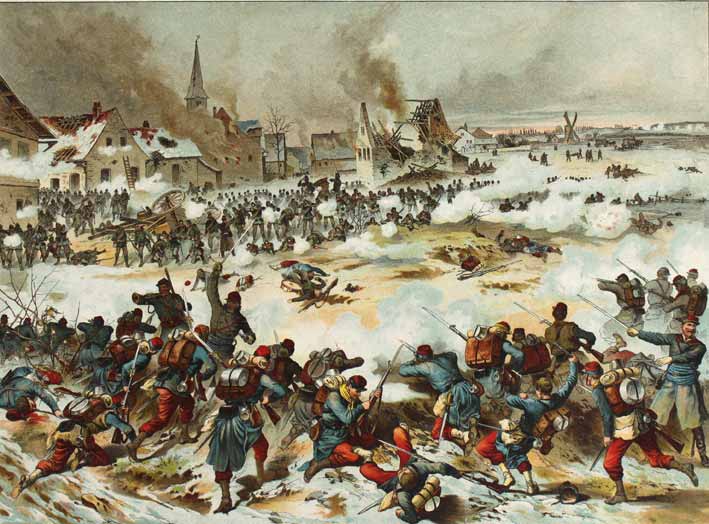
1/ #OTD - 3 Jan 1871 - The Battle of Bapaume:
On this bitterly cold (-18°c) morning général Louis Faidherbe ordered the main attack of the armée du Nord (attempting to relieve Péronne & secure a major #Somme crossing) on von Manteuffel's 1.Armee around Bapaume to begin...
#OTD 3 Jan 1915:
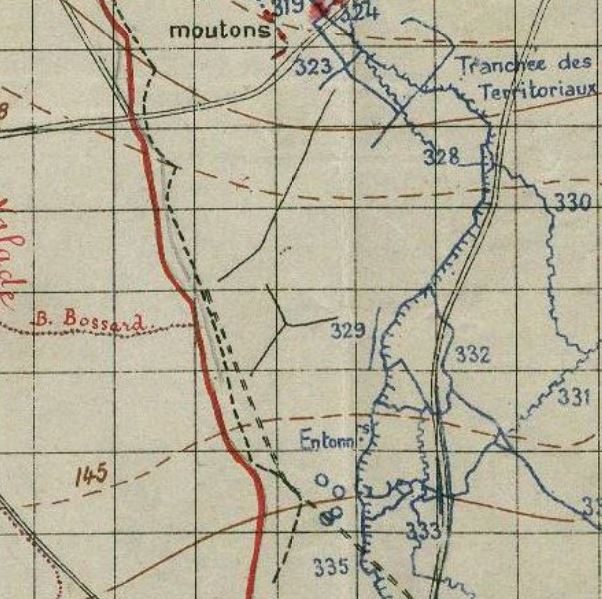
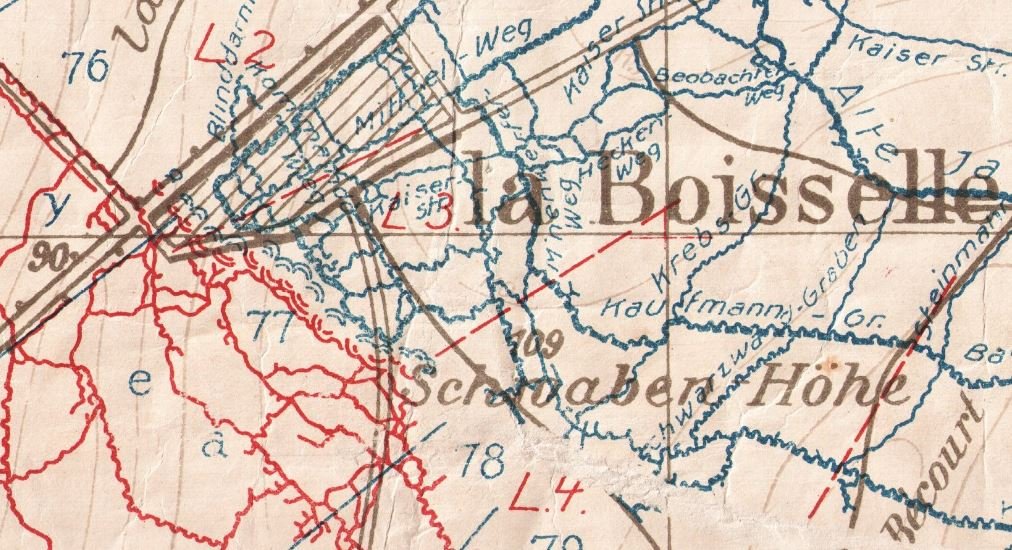
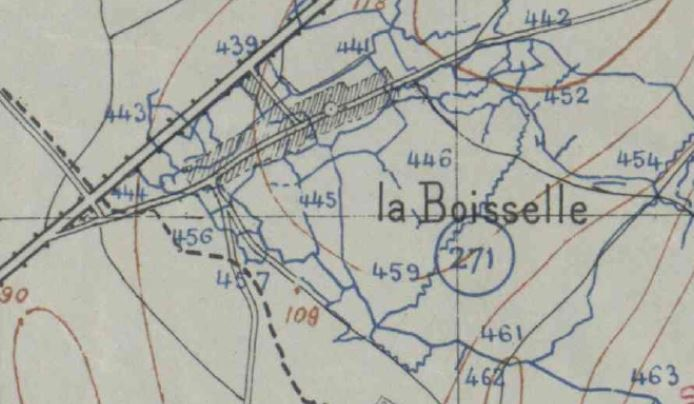
The Germans detonated their 1st 'successful' mine in the #Somme sector, destroying a section of FR wire & frontline on Cote 143 ( later known as 'Redan Ridge') .. ... Unlike their La Boisselle mine of 2 Jan, it would appear that they measured this one correctly!
#OTD 2 Jan 1915: The 1st mine to be detonated by the Germans on the #Somme front was blown. Intended to have detonated under the (French held) " Îlot de la Boisselle ", it was laid too short and detonated under their own trenches, which they had evacuated prior to detonation
1/ #OTD, 2 Jan 1871: In an attempt to relieve the siege of Péronne & secure a major #Somme crossing in order to keep a path open for a potential siege-breaking advance on Paris, in freezing conditions, the preliminary actions of the Battle of Bapaume - began:
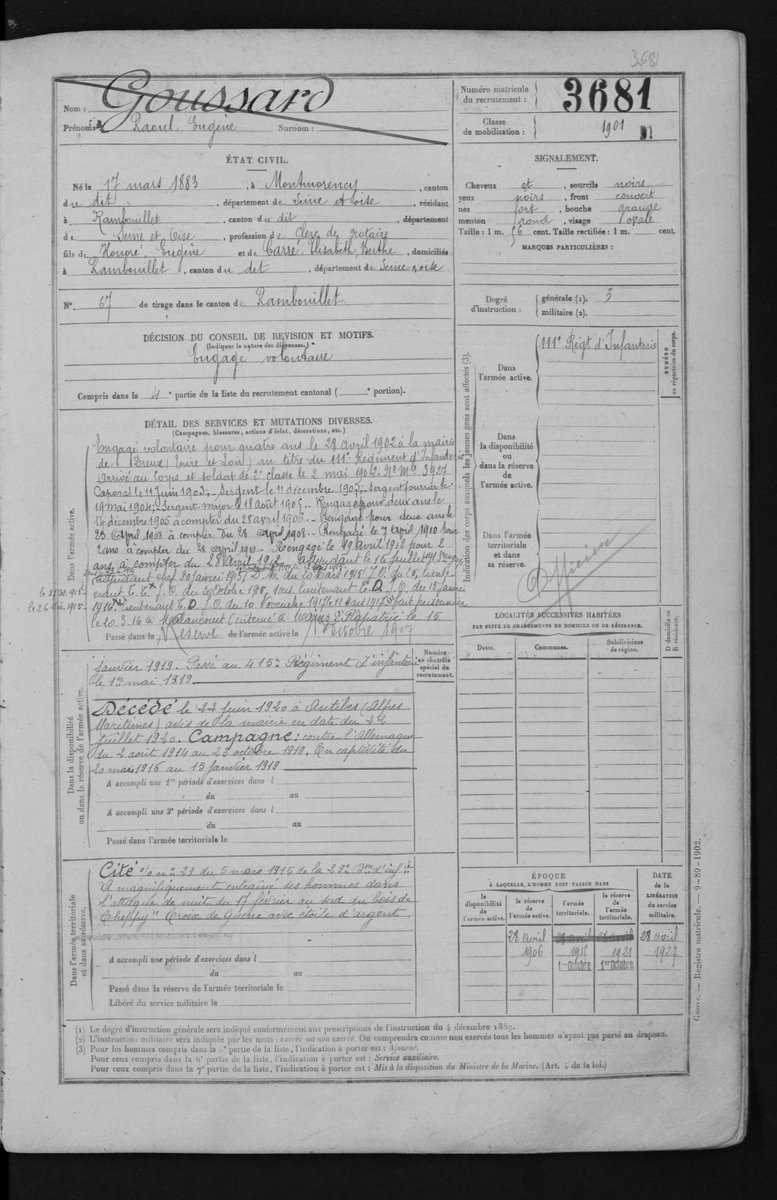
@JSW556@Ri315e@TrenchTrotter Yes, that's right. Possible Antibes reasoning may be because he was with the 111e for so long (serving as an adjudant with them by the war's outbreak), I wonder whether he actually lived there and simply died at home?
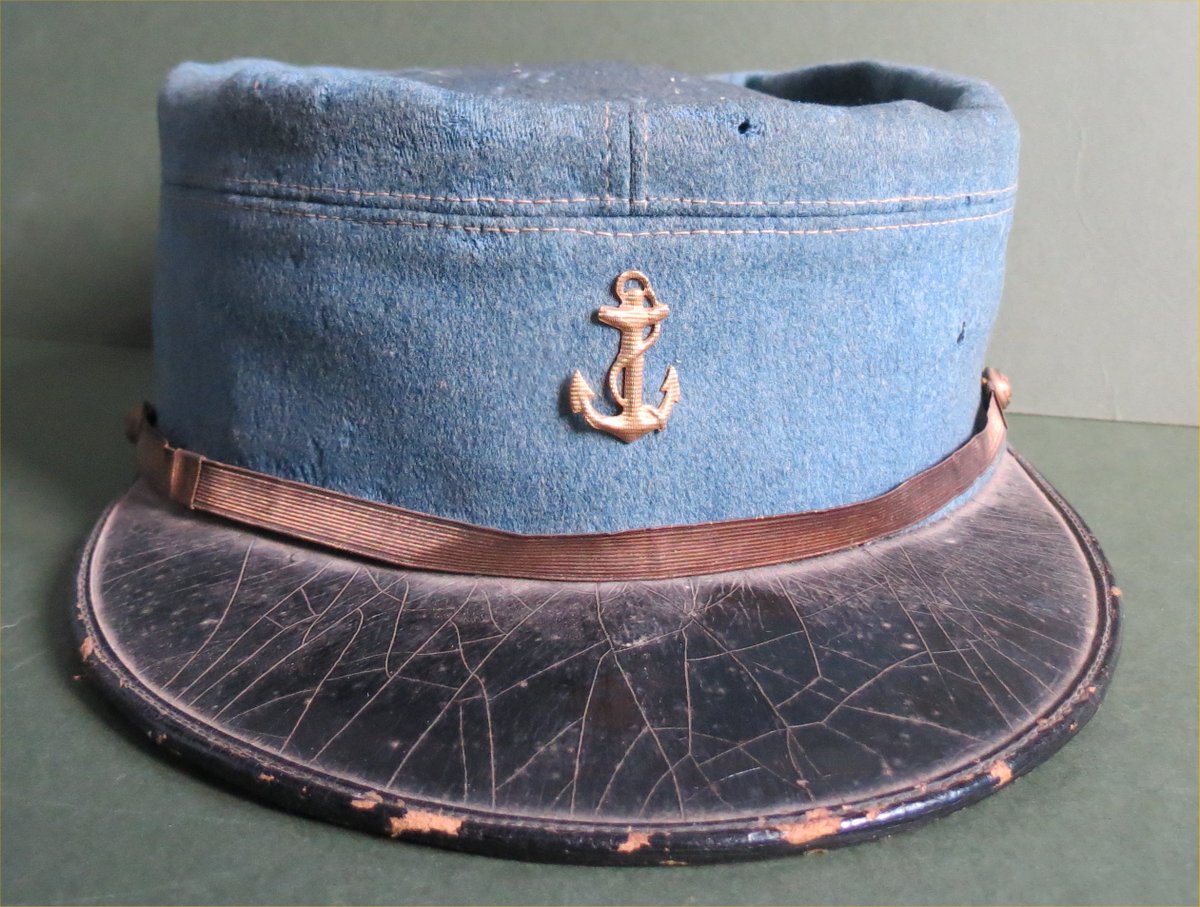
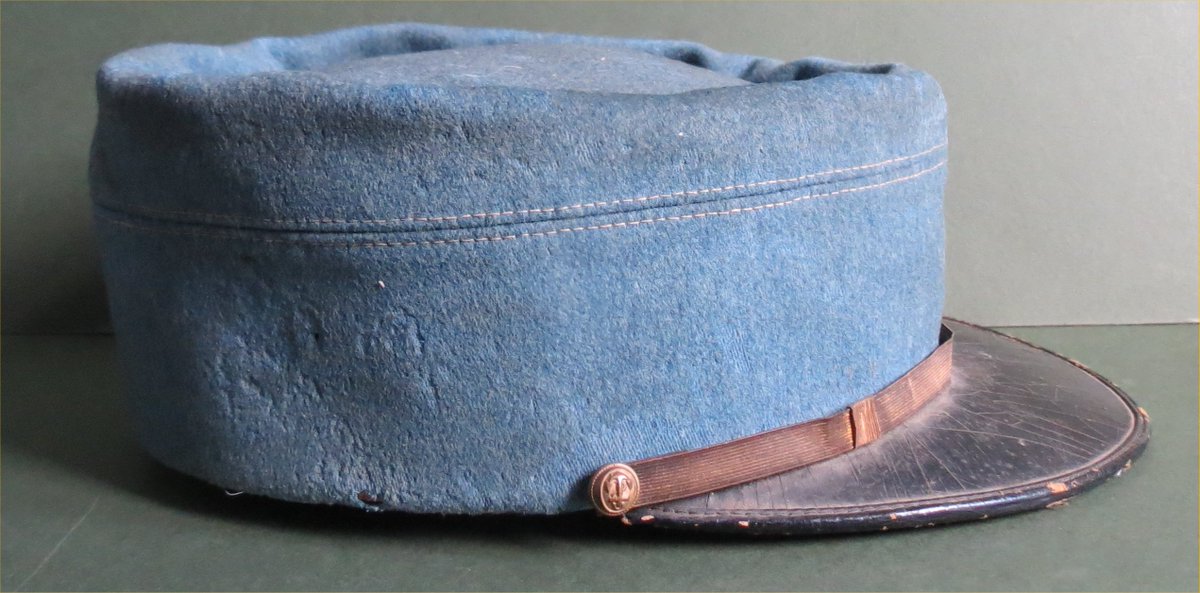
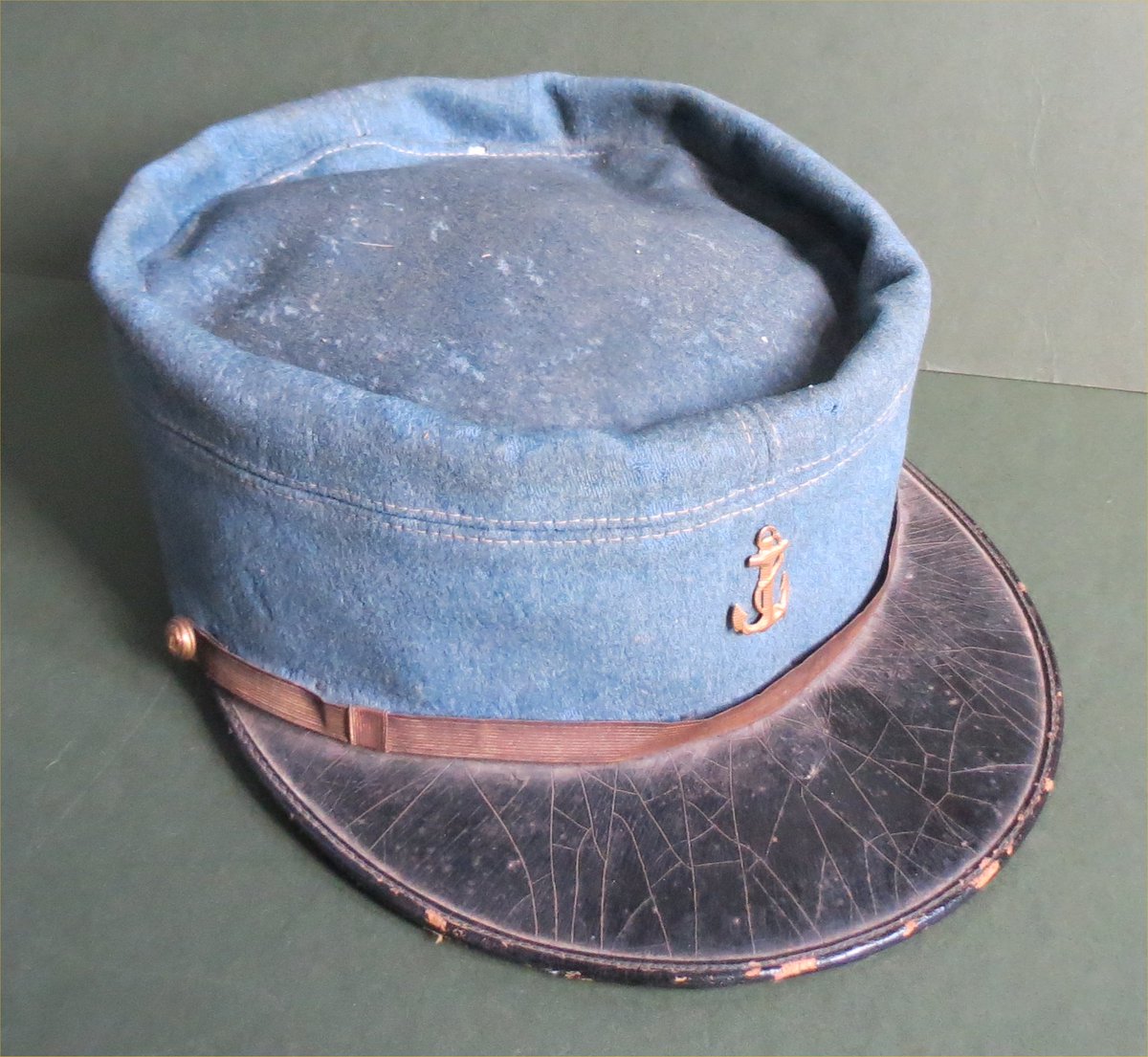
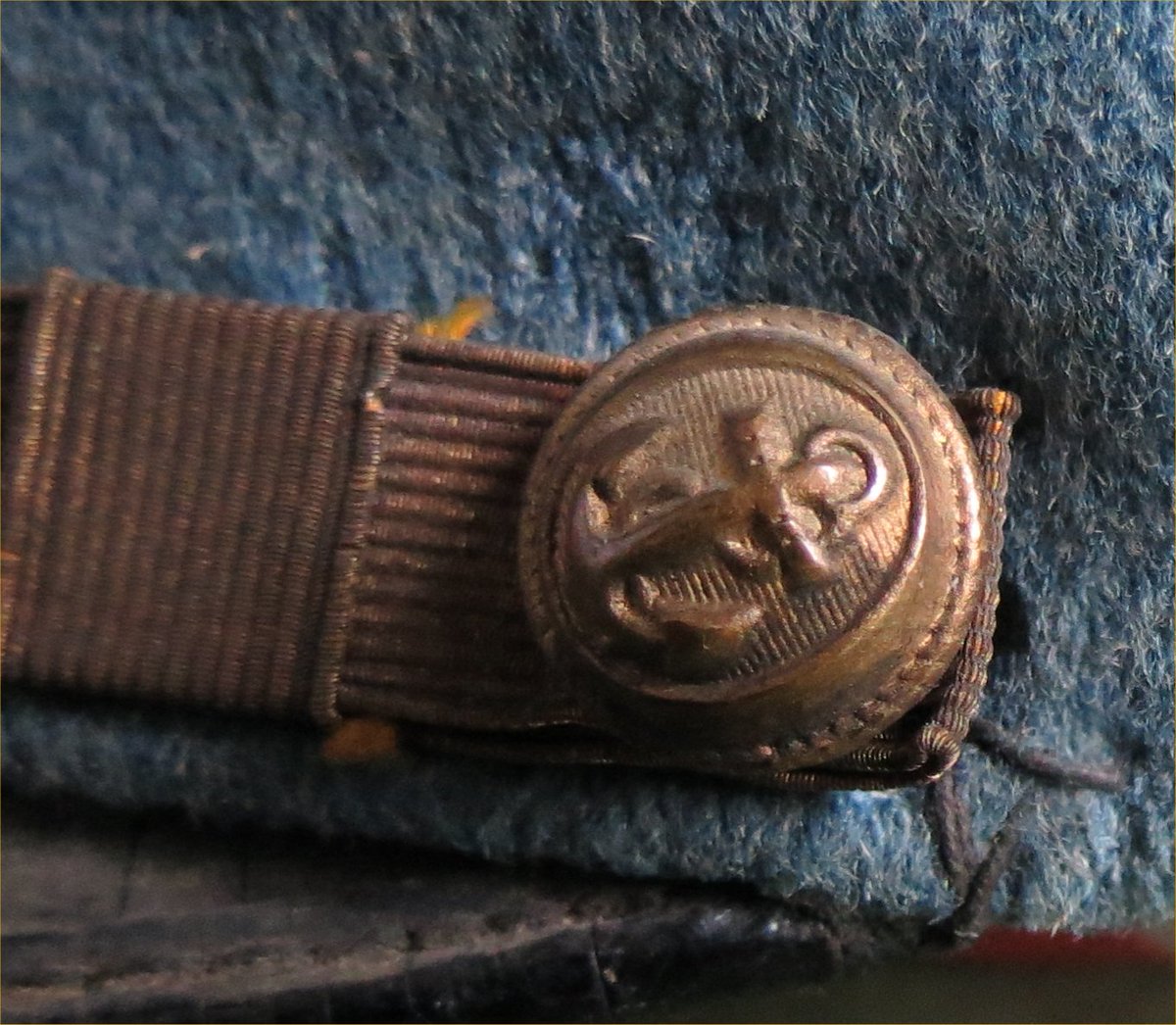
Late Xmas present ( ... to myself!🙄) :
Bleu clair (popularly known as 'Horizon Blue') mle.1915 képi of a 'marsouin' sous-officier or officier subalterne (NCO - sergent or above - or junior officer of a régiment d'infanterie coloniale):
@Ri315e Actually , I have, yes - but it's not specifically a military term (from 1910 - & partly due to its use in radio telegraphy broadcasting a time signal - the tower became part of the International Time Service)
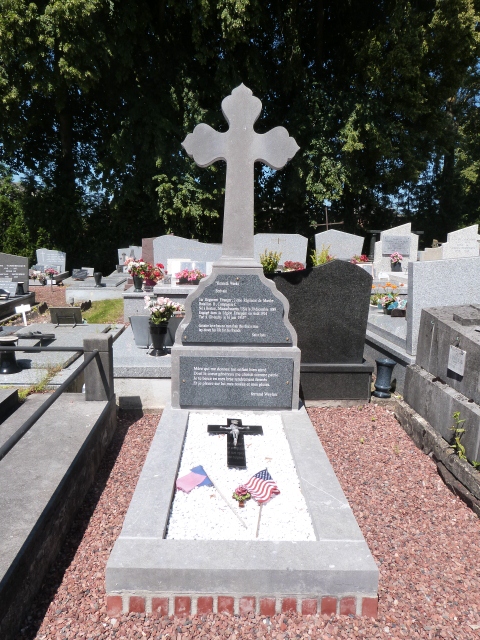
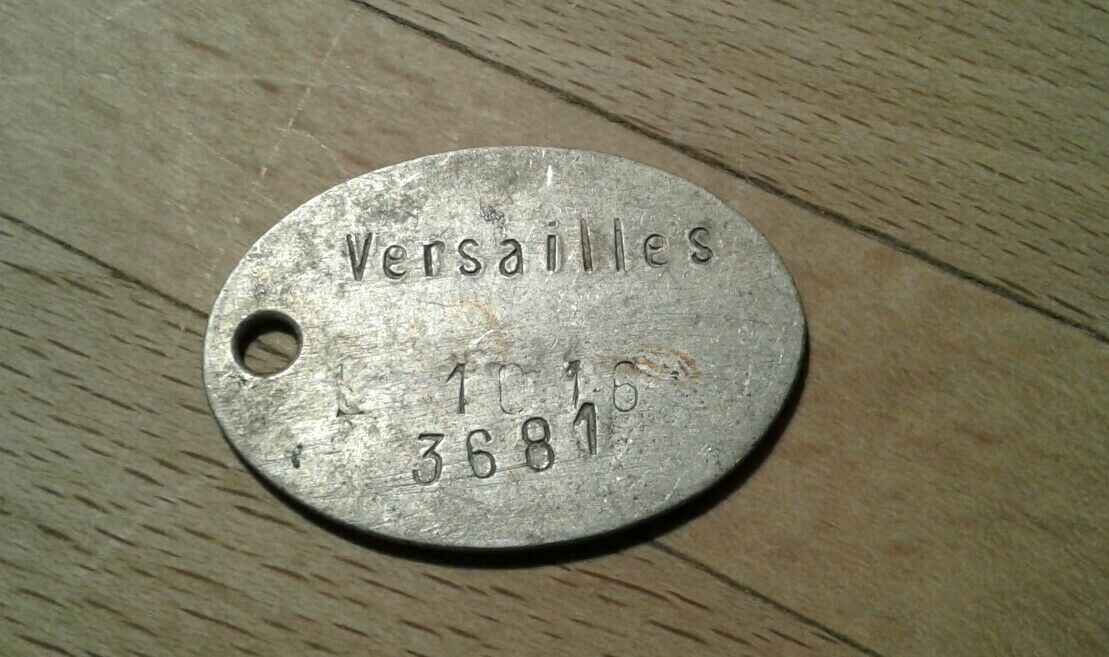
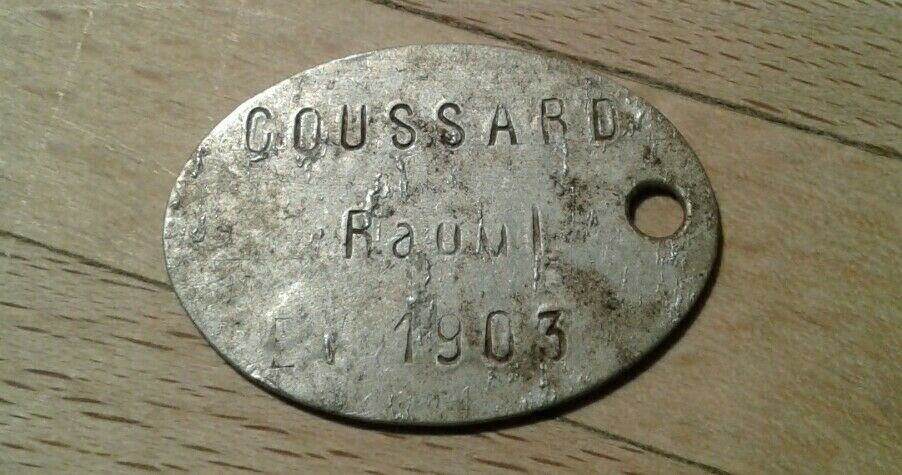
@JSW556@Ri315e@TrenchTrotter I've seen a few items, yes, (regts that existed pre-war aren't too bad to find things from, it's the 'wartime only' units that're difficult) but the only item I have is this ID tag to a lieut. of the 111e who was taken PoW 'that day' at the bois de Malancourt and died in 1920:
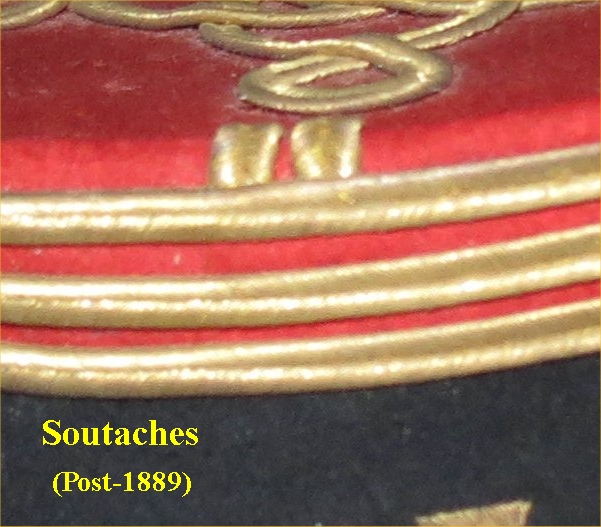
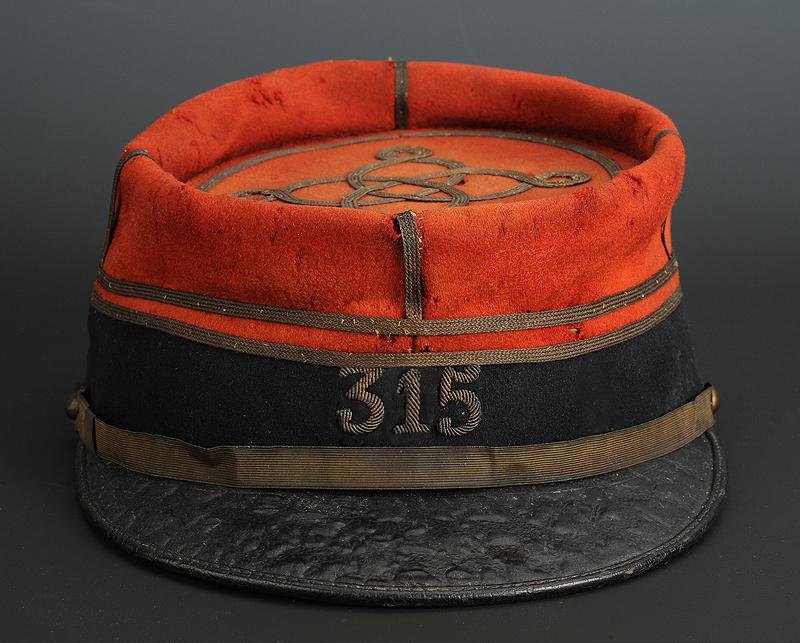
@Ri315e@TrenchTrotter It's circa 1880 (in 1889, the flat rank tresse was replaced with rank soutaches which is a good indicator of age ... a 1914/18 military kepi should not have tressed rank insignia ) ... the one in the image is actually a 135e RI cap w/numbers reversed (hence it being 'impossible')
@Ri315e@TrenchTrotter You mean like this (impossible) one? 😜
Seriously though, it is quite difficult to find items from disbanded regiments as items could be re-badged and the only way to tell is on the inside/linings ... come across a few 115e RI bits though!
@ProfPeterDoyle@Ri315e @TaubHistory The 'hairy' meaning 'strong', by the way, appears to have it's origins in the biblical story of Samson, so the meaning may go back even further.
Also, I didn't realise that Le Médecin de campagne (1833) had it's own wikipedia page: https://t.co/TYXq0d1nD5
@ProfPeterDoyle@Ri315e @TaubHistory ... as a throwback reference to Honoré de Balzac's novel "Le Médecin de Campagne" in which a dangerous mission requires a group of French soldiers to partake, but only 40 men were deemed 'poilu' (literally 'hairy', but meaning 'macho' or 'strong') enough to carry it out...
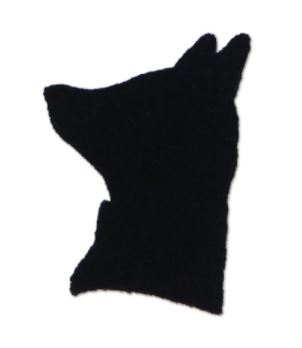
@Ri315e@FlandersBTour@sworrall Is it possible to get a clearer image of the upper sleeve badge on the chap on the right?
I'm wondering whether it is the one illustrated below (compagnie des chiens de guerre) or whether it's something else?
@Ri315e@FlandersBTour@sworrall ...apparent lack of any service chevrons (intro'd April, but compulsory July 1916)
Wrist ID tag (May 1915) ...
... putting all together it would appear to me to have to date from between Nov 1915 and April 1916 (?)
@ProfPeterDoyle@Ri315e @TaubHistory Funnily enough, though, the rather archaic (Napoleonic?) term of 'grognard' could still be encountered in use by some as late as 1916.