#Biotechcrops uplift farmers' lives. Since 1996, biotech crops have helped increase the income of resource-poor farmers, contributing directly to the poverty alleviation of a large majority (70%) of the world’s poorest people. Read more in Science Speaks: https://t.co/ilIYqlBTba
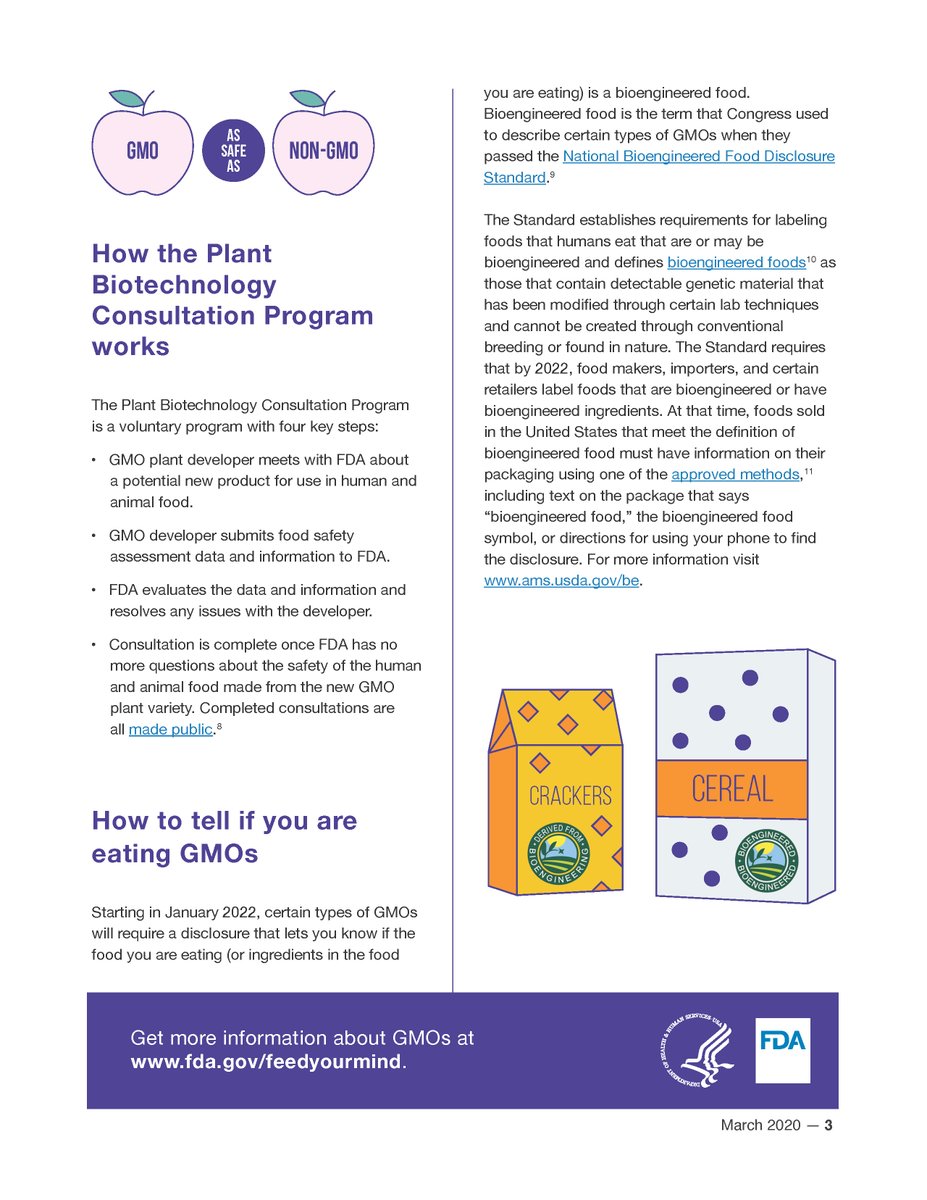
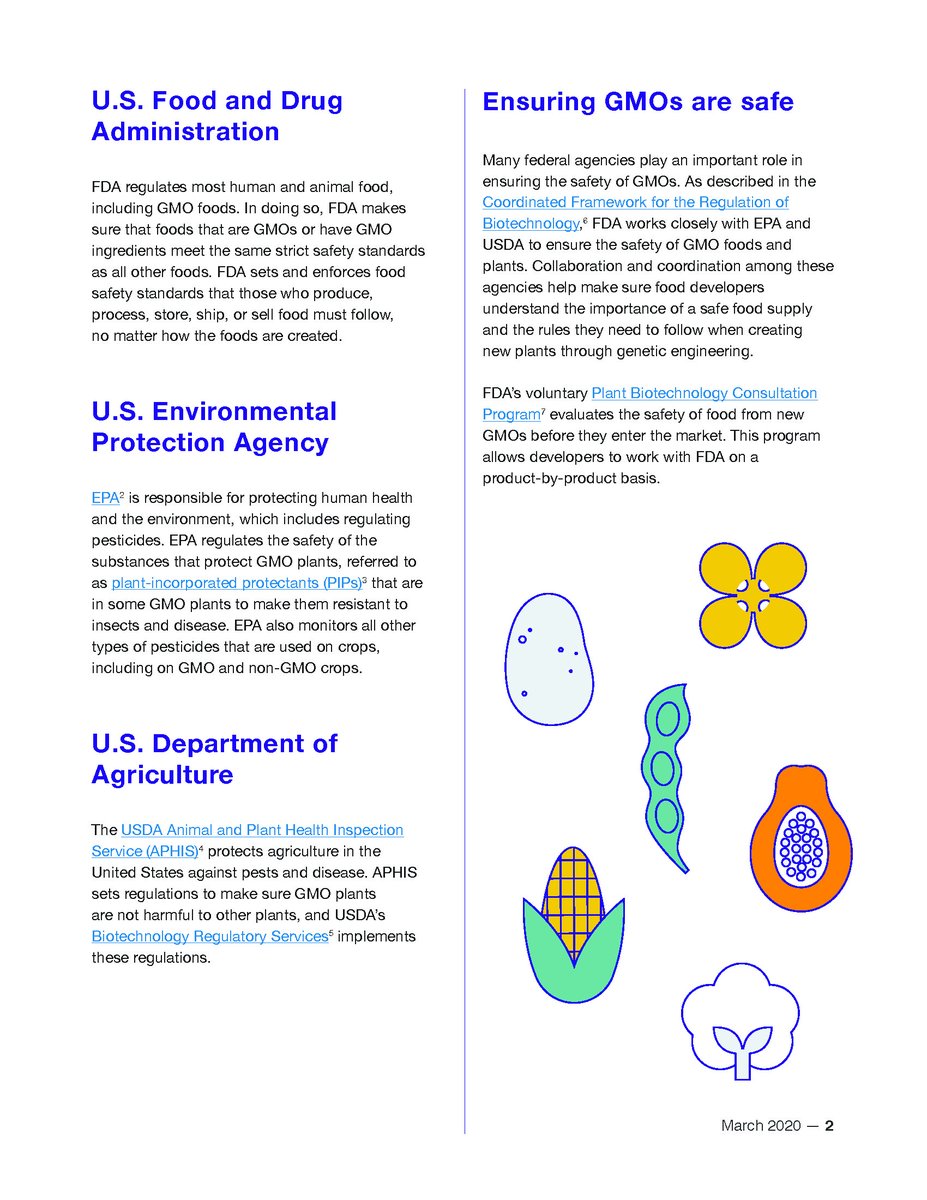
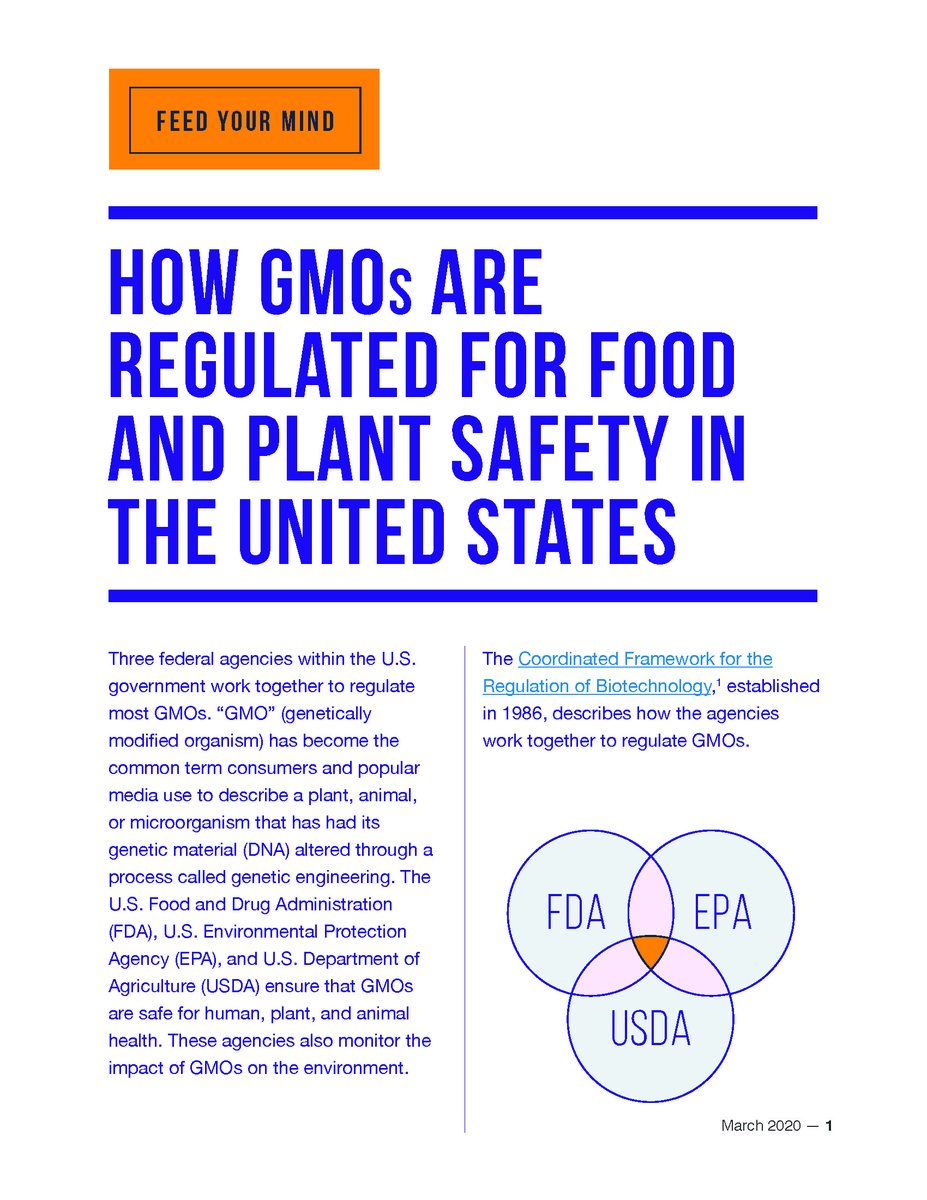
How GMOS Are Regulated for Food and Plant Safety in the United States: Three federal agencies within the U.S. government work together to regulate GMO crops. Check out this infographic from the @US_FDA to learn a bit more about how GMOs are regulated. https://t.co/MJVoN0ZOmt
After a thorough assessment, scientists concluded that the new Bt insecticidal protein Vpb4Da2 confers resistance against the western corn rootworm and does not pose any greater safety risk to humans nor animals. Read details in #CropBiotechUpdate: https://t.co/Z18Q9yYNo5
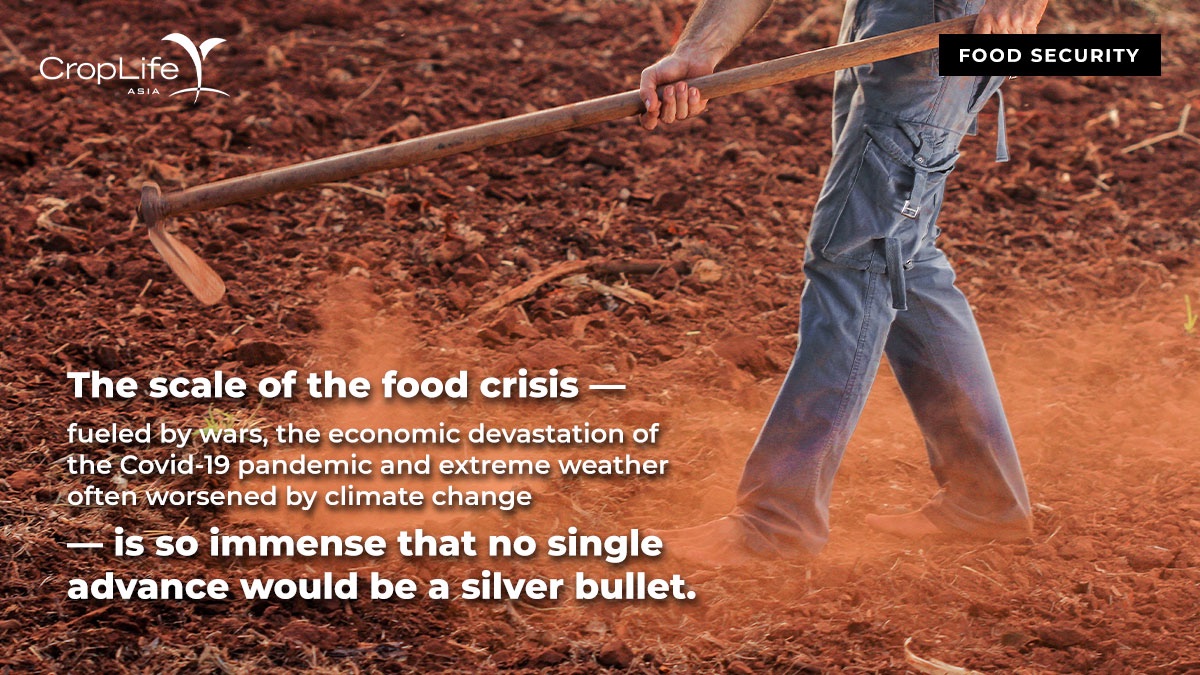
According to the @UN@WFP , as many as 50m people in 45 countries are teetering on the brink of famine. So even with Ukraine moving grains again, more will be needed to alleviate the food crisis. Read: https://t.co/Pt6qd8tBG6
Rampant wildfires, prolonged dry spells, and extreme heat waves exacerbated by climate change are happening across the world, taking a toll on agriculture and other industries. Urgent action to tackle climate change must be taken. Read: https://t.co/ZdYVM2NNSK
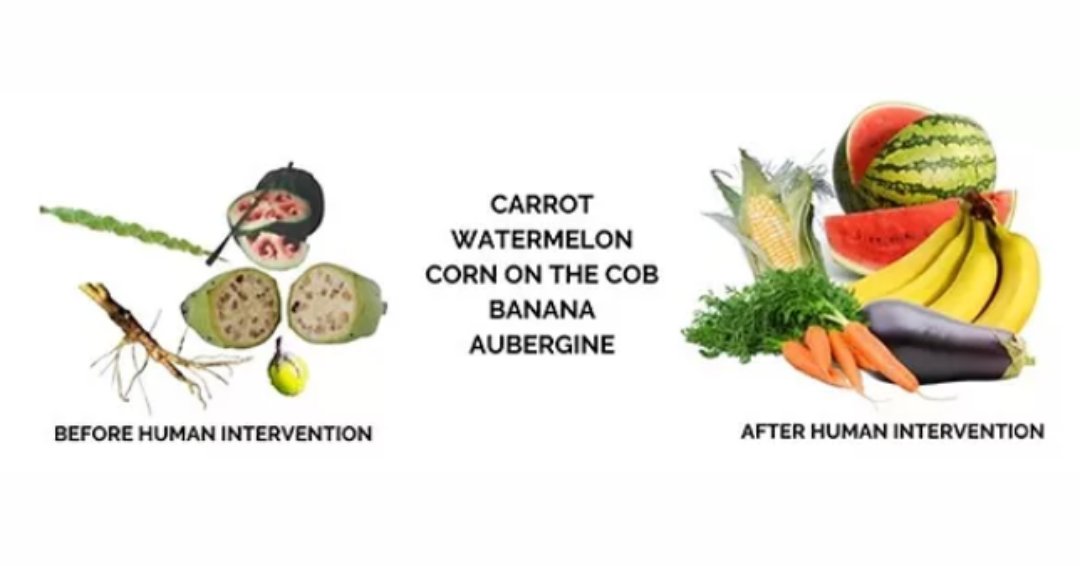
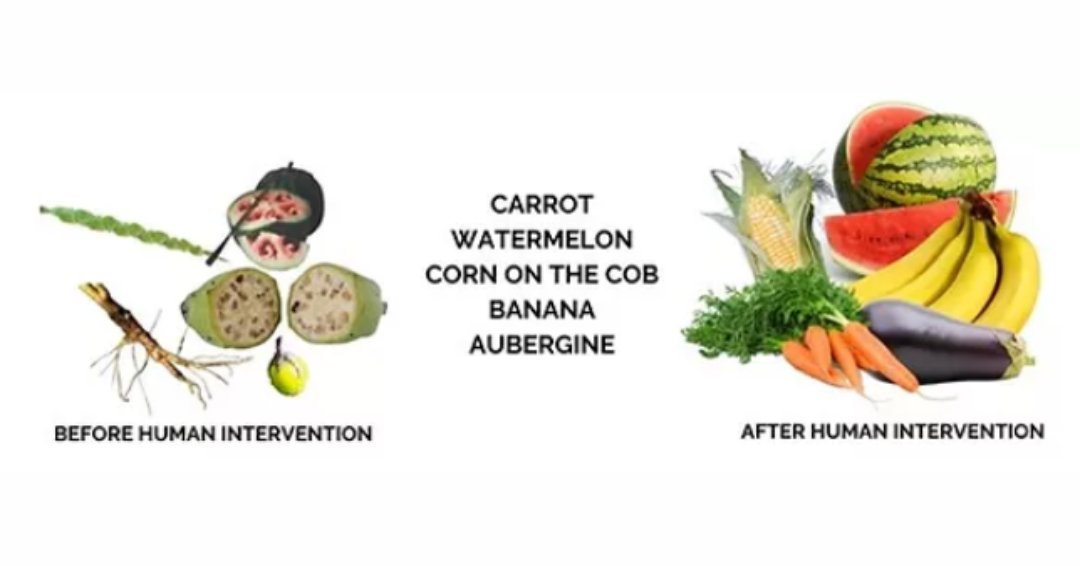
Whether helping to protect crop yields against plant diseases, weeds, pests, or to reduce water use, GMOs are one of modern agriculture’s many innovations that allow farmers to grow more food with fewer resources. https://t.co/J2JBgVwNfG
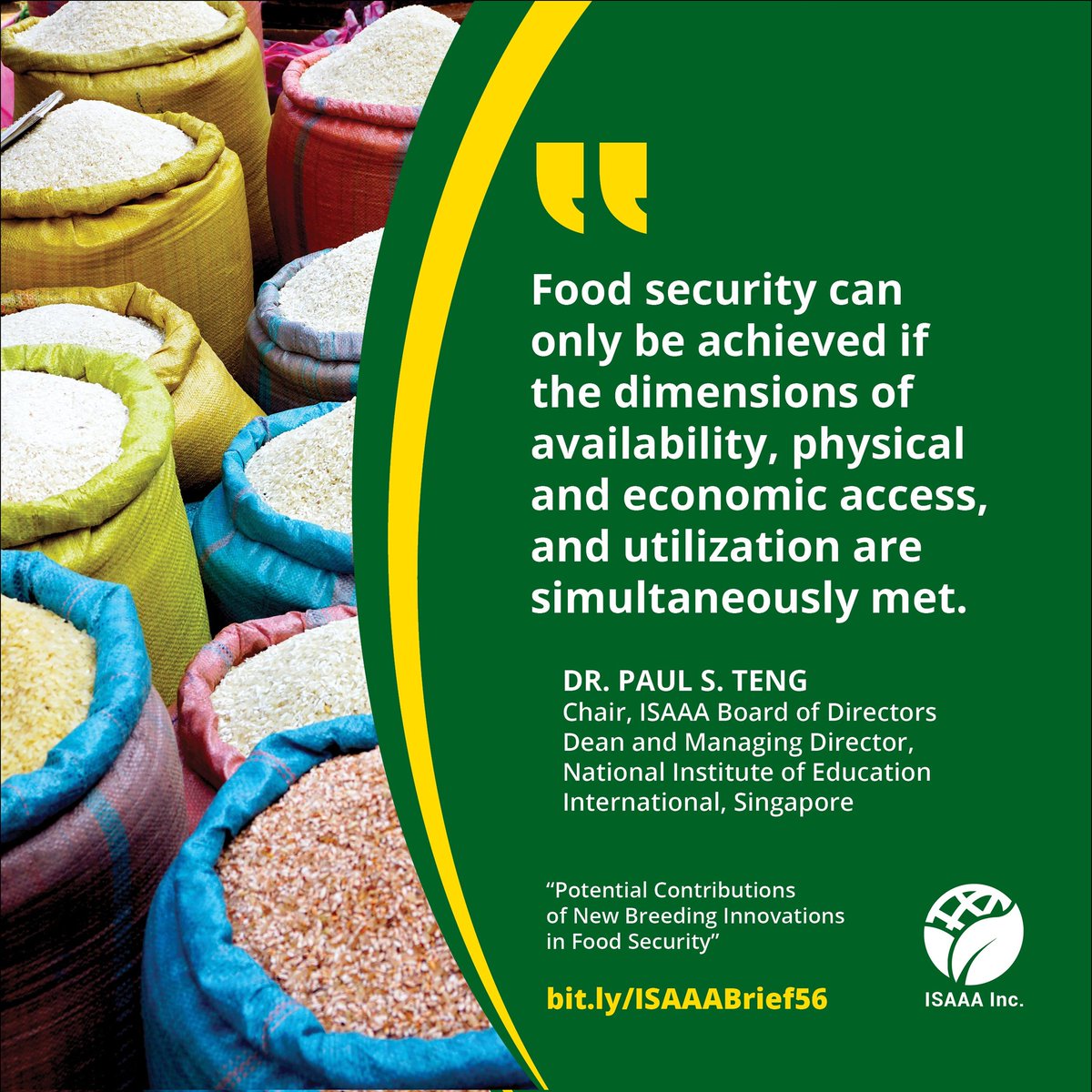
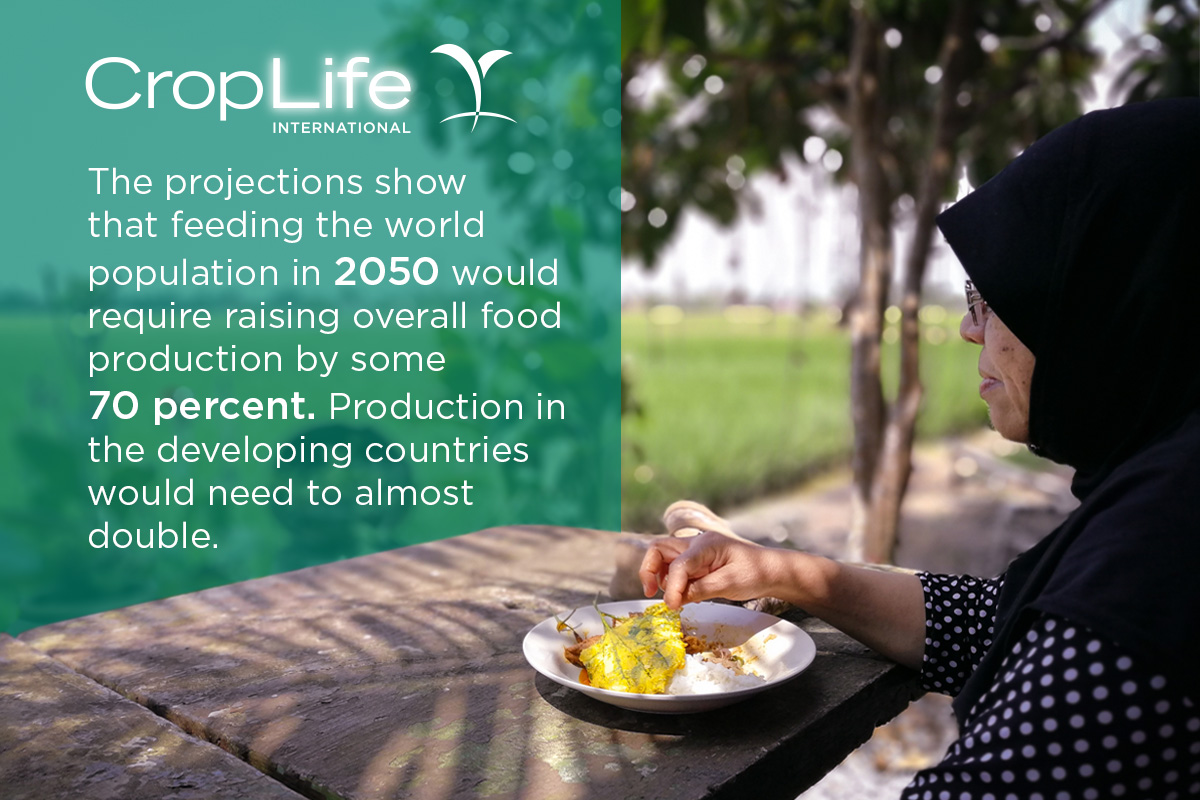
The world faces major challenges to feed itself and needs 50% more food by 2050. How can new breeding innovations (#NBIs) contribute to global #foodsecurity? What are the different dimensions of food security?
Learn more in #ISAAABrief56: https://t.co/9VN1MD0u4k
Hunger and undernourishment are an unfortunate reality for almost a billion people around the world. Researchers can help to meet these nutritional needs by producing GM staple crops with increased amounts of essential vitamins and minerals. https://t.co/XjQYvw1vpr
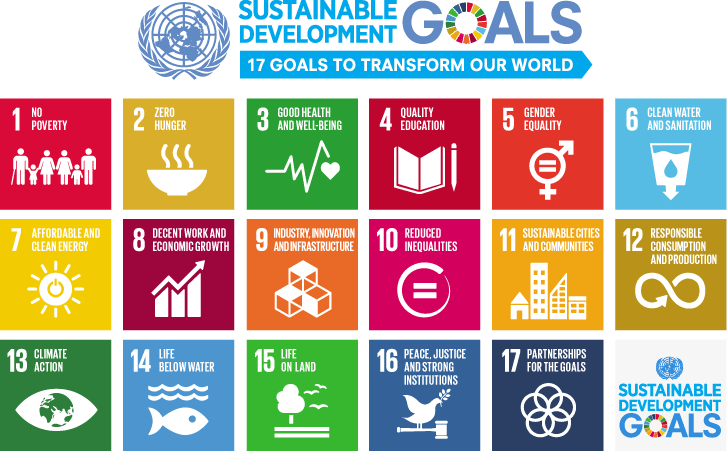
Sustainable agriculture is pivotal to the future of feeding, clothing, and generating biofuels for humanity. Full delivery of the #SDGs requires the balancing of food security, biodiversity, and climate change needs with crop production. https://t.co/mdkMTJWxo6 #PesticideFacts
Do your crops need protection from #drought and heat stress? Give them what they need with a new biological solution from Corteva Agriscience. Sosdia™ Stress abiotic stress mitigator is here to bring relief to your fields. See how it works. https://t.co/Bg43UNEs8M
With an increase in the number of extreme weather events affecting #foodsecurity, GMO crops is a solution that can help farmers meet these challenges. Read more: https://t.co/OciI0NKjXV
An independent survey conducted by consumer research agency England Marketing Ltd. shows there is a lack of consumer awareness of the contributions of science to food and agriculture. Read details in #CropBiotechUpdate:
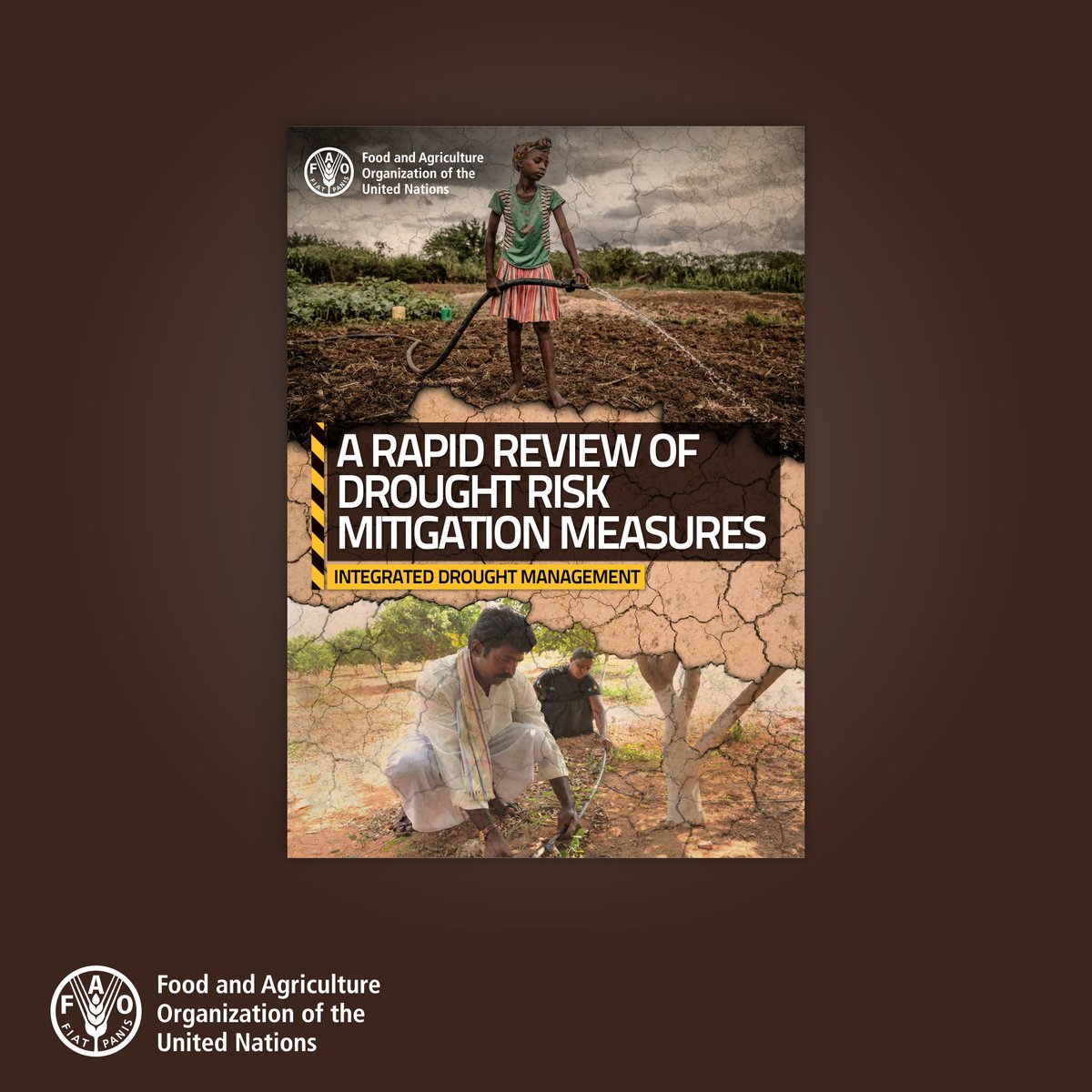
Drought shouldn’t equal hunger. And it won’t – if we go about it the right way.
Our blueprint on drought preparation, mitigation and response 👉 https://t.co/BZxujM1nyL
#UNited4Land
6 Things to Know About #GMOs - You may have heard of “GMO” foods before, but what you may not know is the science and purpose behind them. A new article in the media details six important things you need to know about GMOs. 🍏🥔🌽 🍍 https://t.co/ErOw4m6OCI
Pakistan is facing a water shortage crisis - see how the country use technology to help navigate around the issue, and keep their rice supply chain from getting disrupted. Read: https://t.co/mIoOLtKjfw
To meet the pressing need for global food security and pave the way for sustainable agriculture, the advancement and adoption of agricultural technology are critical in alleviating the conditions of 193M people in the world who are food insecure. Read: https://t.co/hEz1U7MhtZ
#DidYouKnow that the current population is close to 8bil. and the world will have to support around 10bil. by 2050? On this World Population Day, we thank our farmers for working tirelessly to increase crop yields to feed us, but they need help. Learn how: https://t.co/BqG7WOwaOi
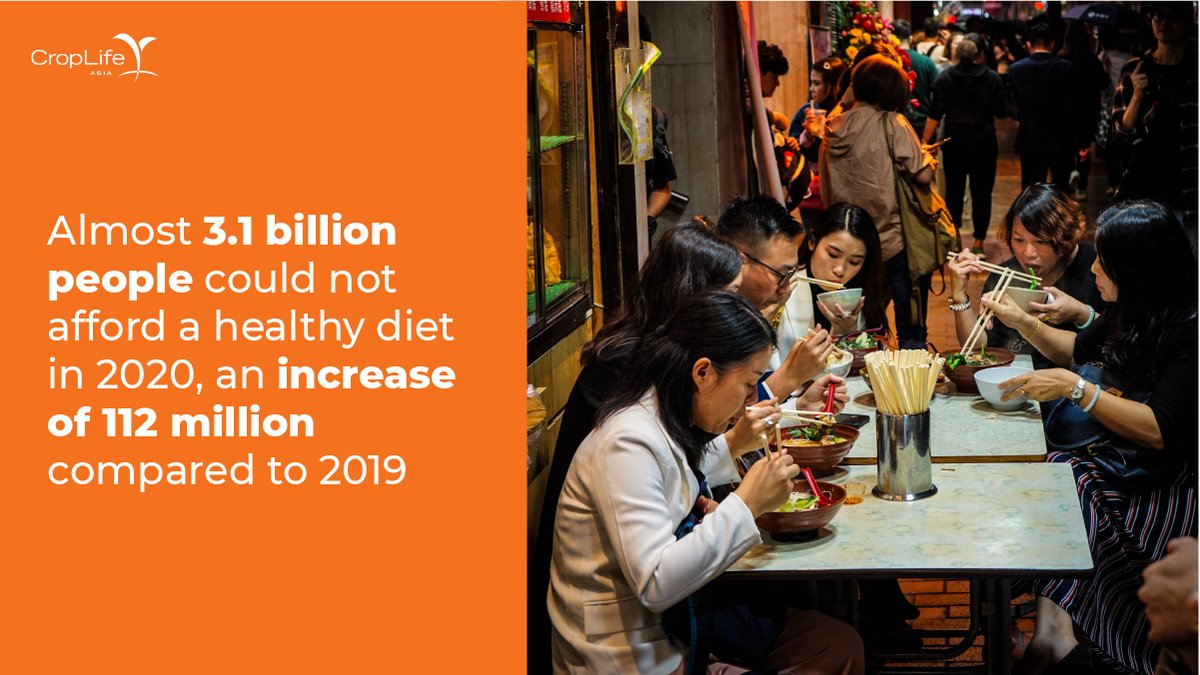
Almost 3.1bil. people could not afford a healthy diet in 2020. This is 112mil. more than in 2019, reflecting the inflation in consumer food prices due to the economic impacts of the COVID-19 pandemic and the measures put in place to contain it. Read more: https://t.co/4VZI08DzFc