The KANOPUS-V X-band transmissions are difficult to catch, let alone demodulate/decode. My first reception of them was from 2023. Now the amazing #SatDump by @aang254 and company now makes processing these data possible. Received 20260111 KANOPUS-V 5 -panchromatic channel.
MetOp-SG-A1 ( @eumetsat ) is now transmitting some data from its MWS and 3MI instruments!
Received by @redplanet00.
3MI can be in color, however automating the process will take a bit of time. Support will be pushed to SatDump very soon.
I was wondering if this could be used for anything else, so I made this smith chart necklace (3D printed, galvanized with ~400um of nickle for stability and then finished with a ~2um coat of pure silver to avoid skin irritation).
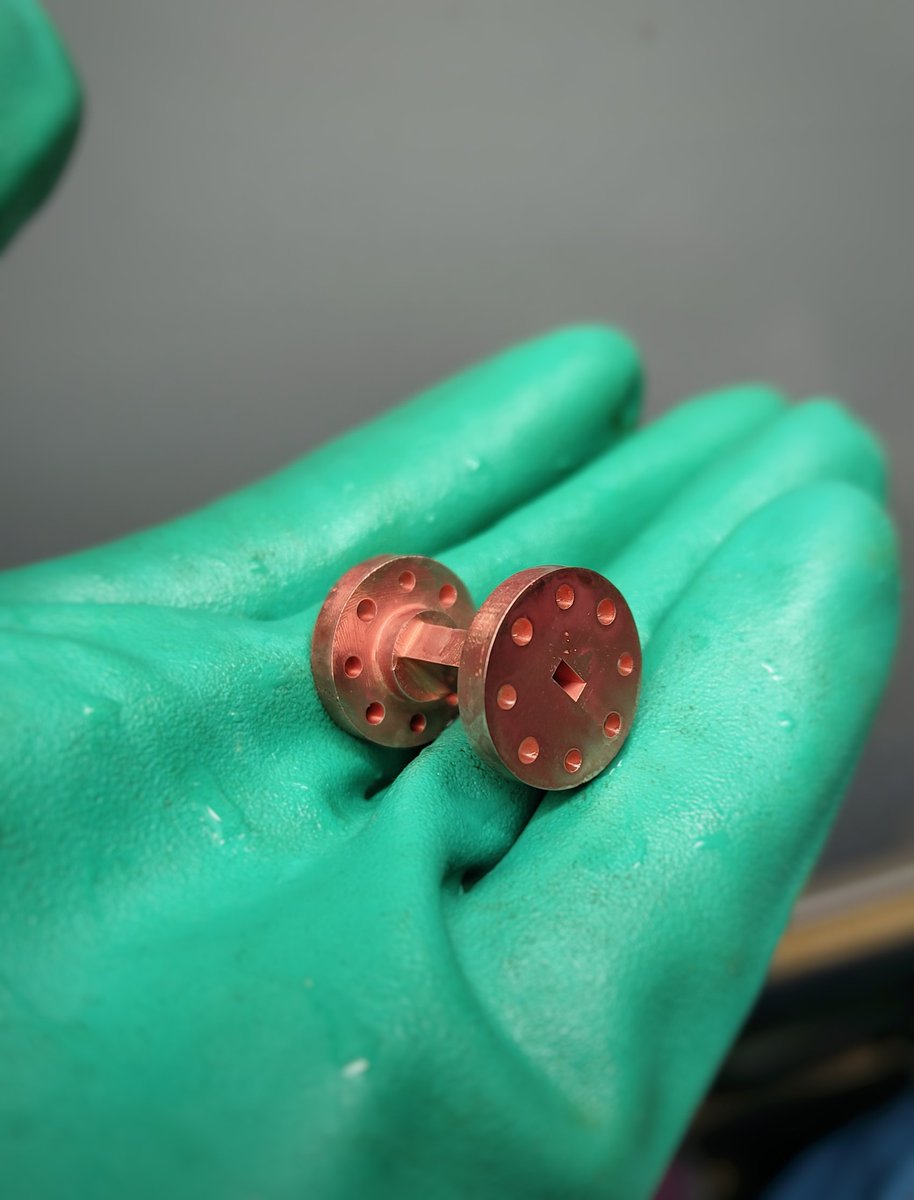
For the last week, I've been experimenting with metal coating 3D printed waveguides. This one is a WR-15 (50-75GHz). And it works very well. The cutoff is higher since the metal coating reduced the inner dimension. But loss-wise, almost equal to it's full metal counterpart!
Did two space related activities today: 1. Receiving an X-band image from ELEKTRO-L 2 @ 14:30 UTC today (peak S/N 11.0 dB, avg 10.3 dB) and 2. Reviving a 2014 VirtualBox VM for processing @esascience Mars-Express data; A Nadir channel image of Phobos by the HRSC camera
@DanielR33187703 That's actually a great idea! I have some graphite powder left over from the dipping. It probably won't create a conductive surface as the resin will encase the particles. But I would love to check it's RF properties. I think I will mix some up :D
For the last week, I've been experimenting with metal coating 3D printed waveguides. This one is a WR-15 (50-75GHz). And it works very well. The cutoff is higher since the metal coating reduced the inner dimension. But loss-wise, almost equal to it's full metal counterpart!
@rodrigonh2 Yes. The skin depth in Copper at 60GHz is only ~250nm, and the metal I coated onto it is way above that. That's how I can get away with a plastic core ;)
@Antoine10701894 Depends on what waveguide size you want to use. For larger waveguides it will be fine. When going smaller (e.g. WR10), a FDM printer won't be precise enough.
@in3dye Issue is: Graphite coating is not very conductive, so galvanizing the inside of a Waveguide with a low w/h gets difficult. I am currently exploring a different approach, more when it works ;)
@in3dye This specimen was done using multiple graphite dips (not spray, that approach requires steel wool polishing before galvanic coating. And it's hard to polish the inside of a waveguide this size :D ). After that, I galvanized it with nickel and Copper(Just copper would be enough)
@GrayJay_Telecom I have access to an electronic microscope. The 1GHz frequency offset in the cutoff comes to a dimensional inaccuracy of around 100um. Given the 20um of metal I added on each side, I think the remaining 60um are just a result of my 6 year old printer :D
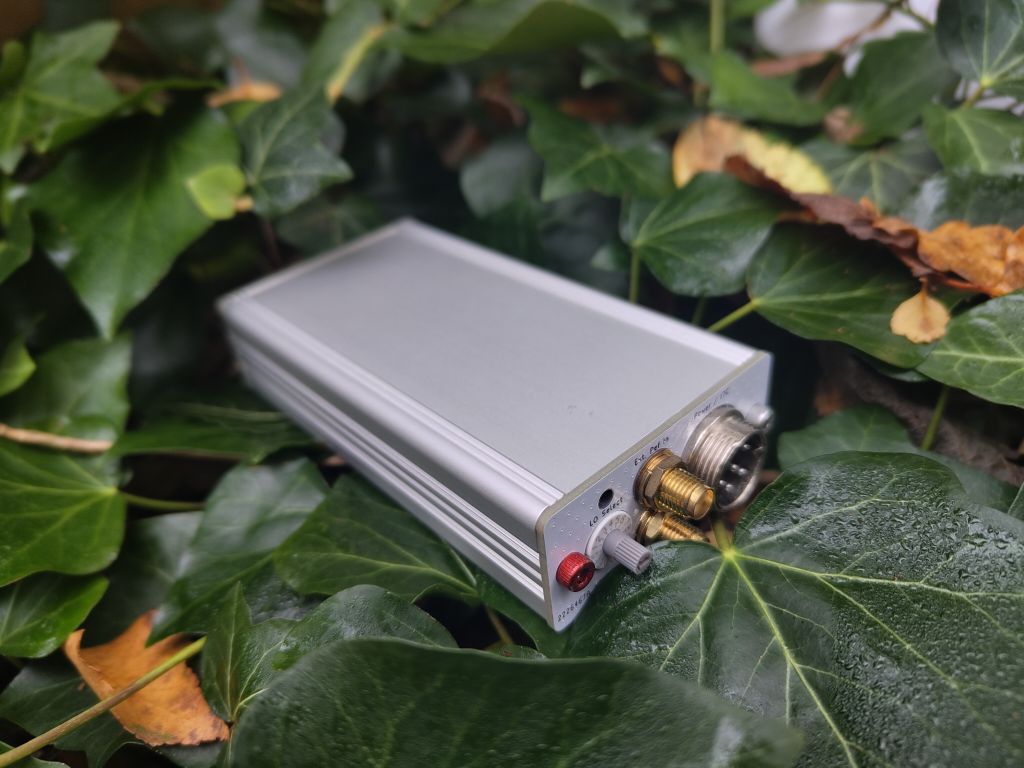
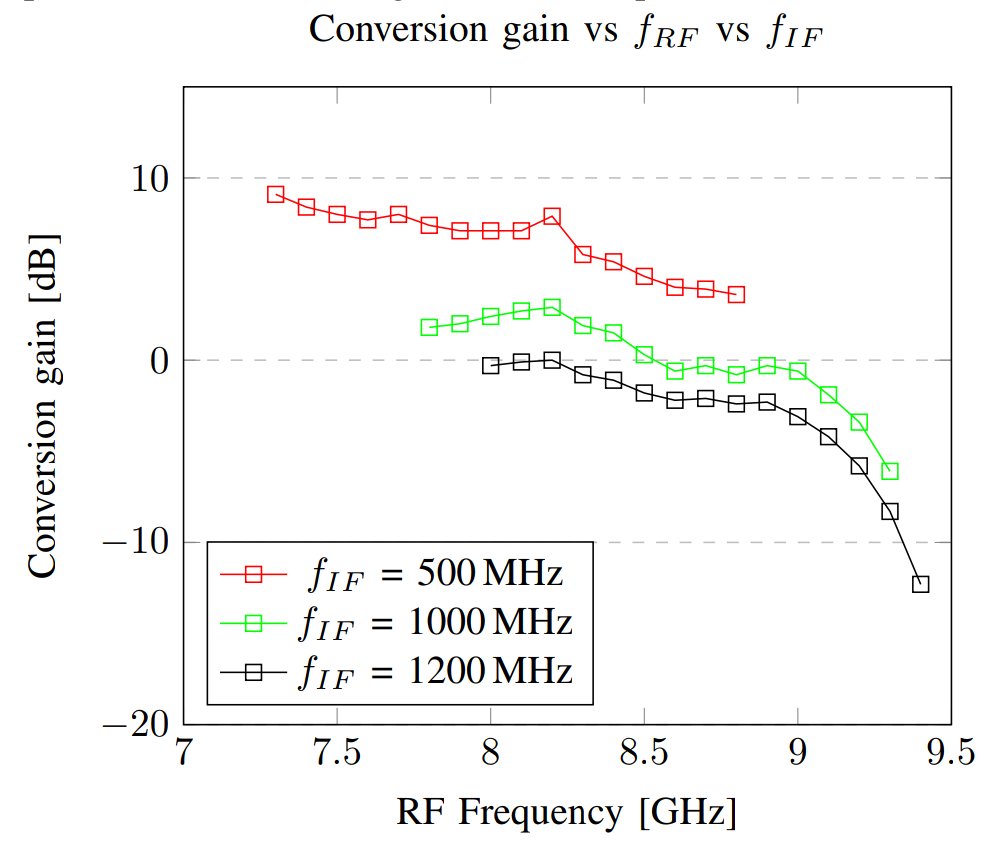
For the last 6 months, @aang254, @original_lego11 and myself have been working on a new X-Band downconverter. Many prototypes and 3 revisions later, we are happy to report it works great!
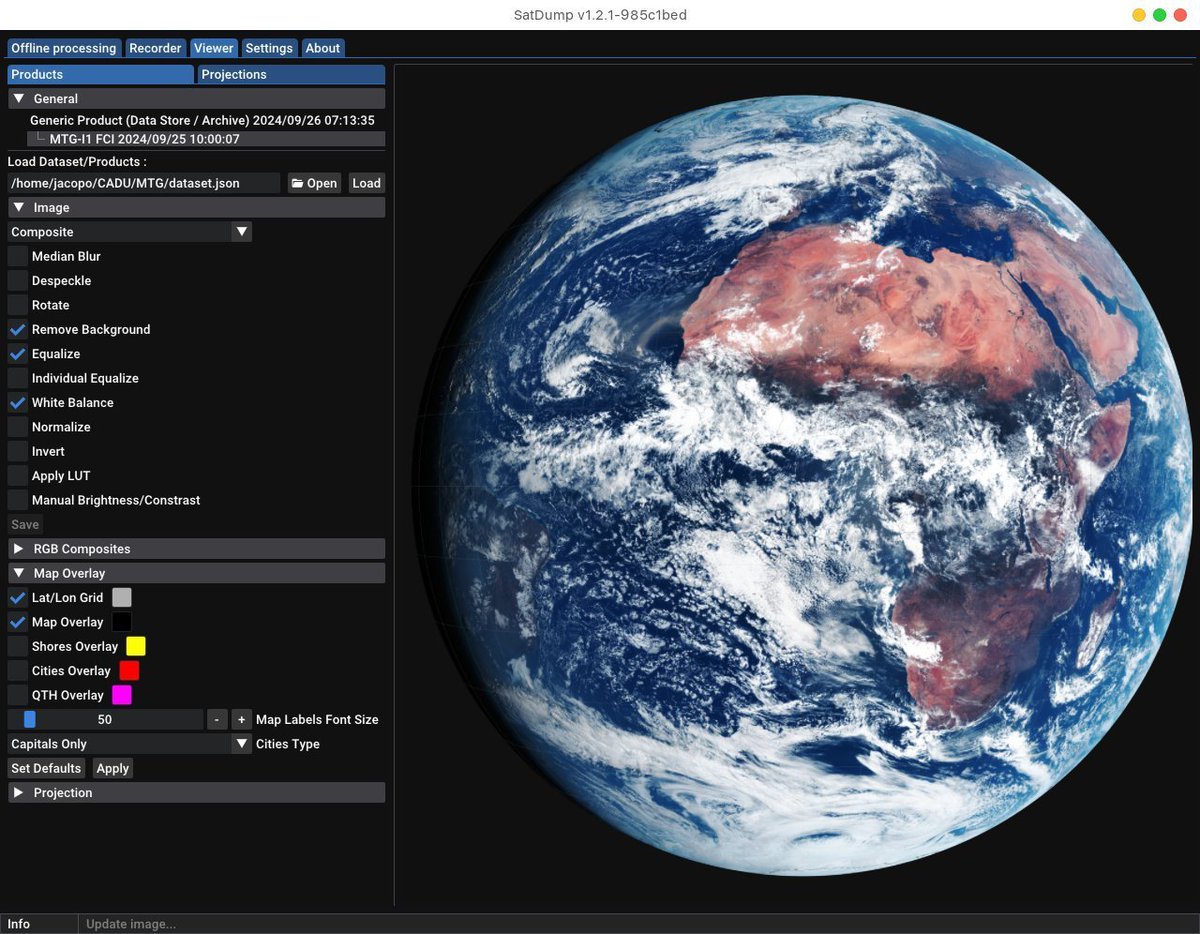
🤯🆕We are very happy to announce the release of #SatDump 1.2.1: we have added plenty of new features, fixed bugs and much more! 🎉
📖Read the changelog here! https://t.co/JTXfVTqqw8
⚠️ Our website is not updating at the moment. Please download from here: https://t.co/En96pQkbMt
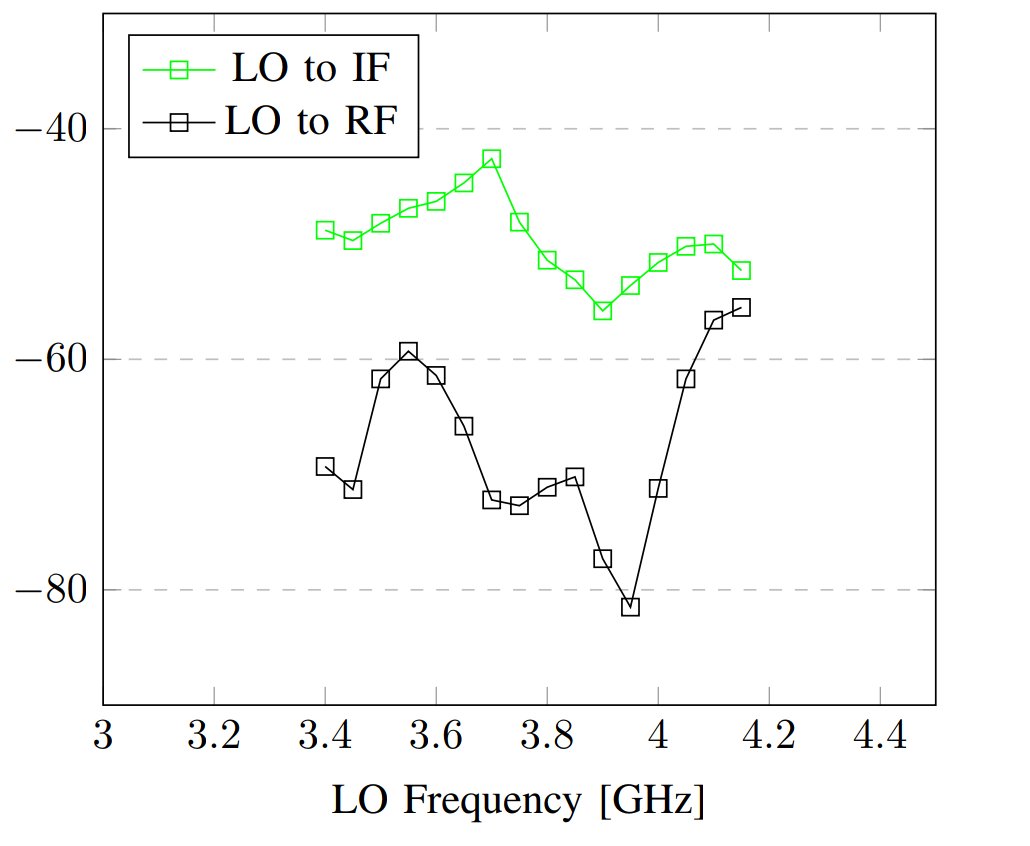
@Kurtulmehtap@aang254@original_lego11 It's a single stage mixer, but with a LO doubler. Here's the LO to RF/IF isolation for both the PLL output f0 and the doublers output 2f0:
@Kurtulmehtap@aang254@original_lego11 You mean on the PLL? Good question, I'll measure that and get back to you. But since we keep everything in INT-N mode, I don't expect many spurs.