Scientific diver, skipper, marine ecologist sharing habitats & species I work with. Bsc #JCU Hons #UOW, PhD candidate #UON. Lobsters, urchins and more. J DAY
The Conversation just published an article I wrote on some of our recent urchin predator work in NSW. We tethered 100 urchins at a lobster den for 25 nights - with some suprising results! #UON#NSWDPI#UOW#TheConversation#GreatSouthernReef#urchinbarrens
https://t.co/NAgMpq5rmo
While researchers know that #lobsters are a key predator of sea urchins, new #research has shown there’s one bigger #underwater#animal eating these spiky creatures!
We asked @crustaceancorr2 of @uni_newcastle for the facts; this is 60 Seconds of Science: https://t.co/hibqAfHOD8
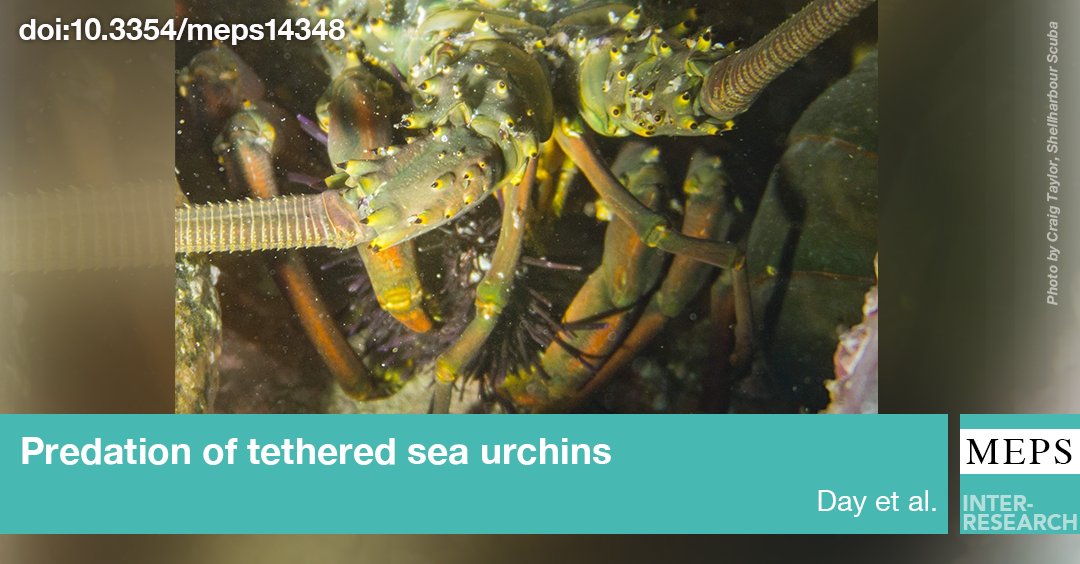
Spiny lobsters are considered key predators that control urchins. It is thought than only large lobsters eat urchins while small lobsters are not capable. We tested this in ocean mesocosms and found small lobsters to significantly outperform large lobsters
https://t.co/ci89ScYRb8
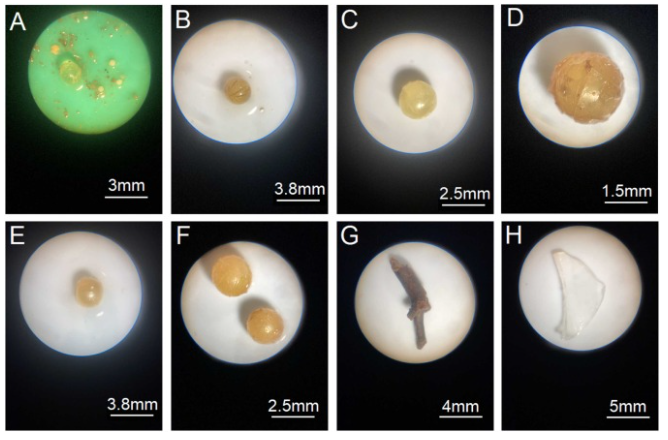
“Nurdles” are small, spherical pellets used in plastic manufacturing which can pollute waterways and there are increasing reports of nurdle ingestion by fishes worldwide. Here we report the first instance of nurdles in fish in SE Australia, namely Snapper https://t.co/2tcqbyDFrW
It is thought #LongSpinedUrchins eat chiefly #macroalgae, limiting urchin #roe production where macroalgae is absent in #UrchinBarrens. From urchin dissection we found an omnivorous #diet & equal urchin roe in 80% of barrens/macroalgae habitat comparisons
https://t.co/LyQNsHmWCB
I know many Australians are struggling right now. But all Australians should be proud that Qantas, Woolies and Coles have all announced record profits.
They couldn’t have done it without you!
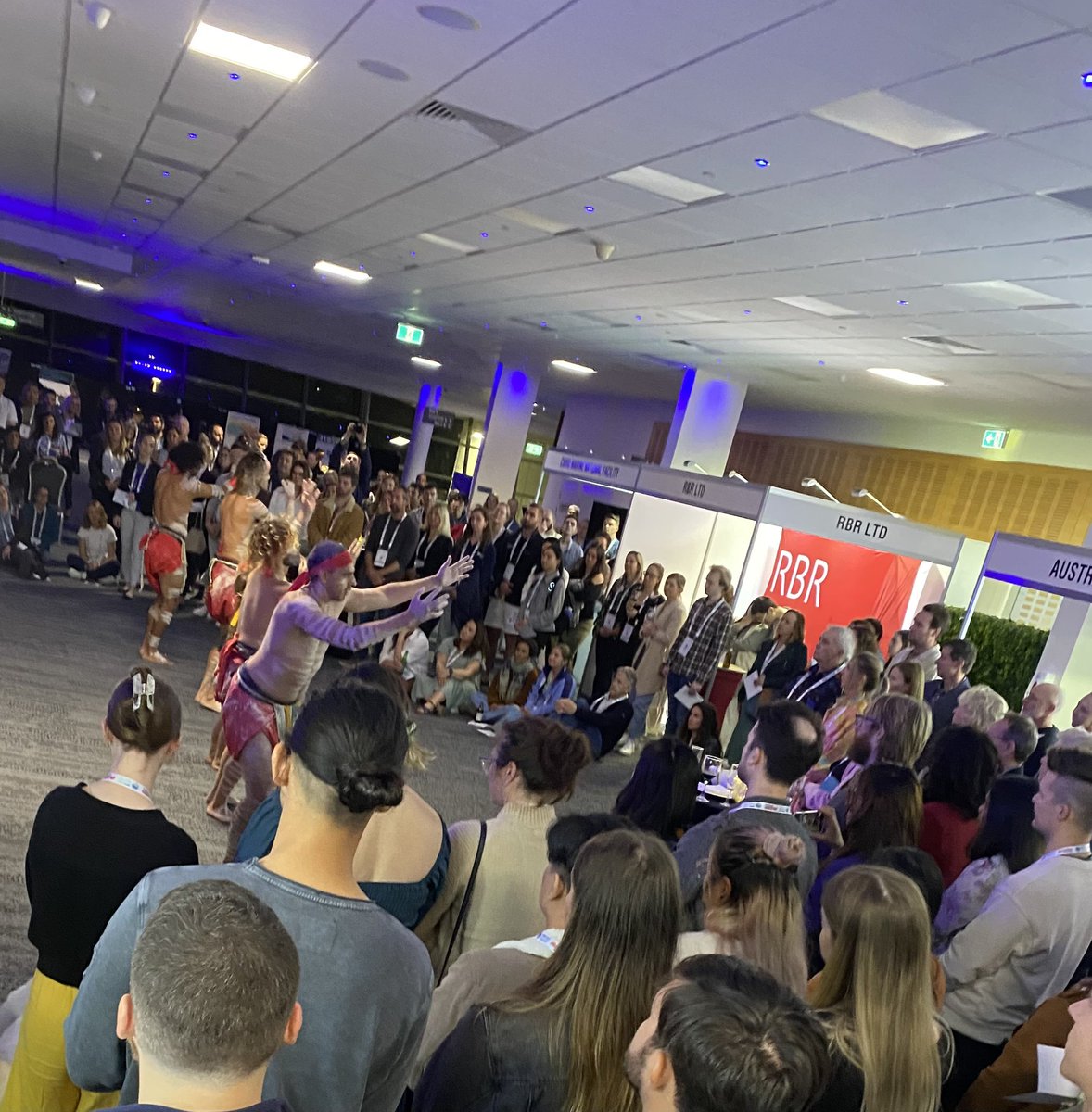
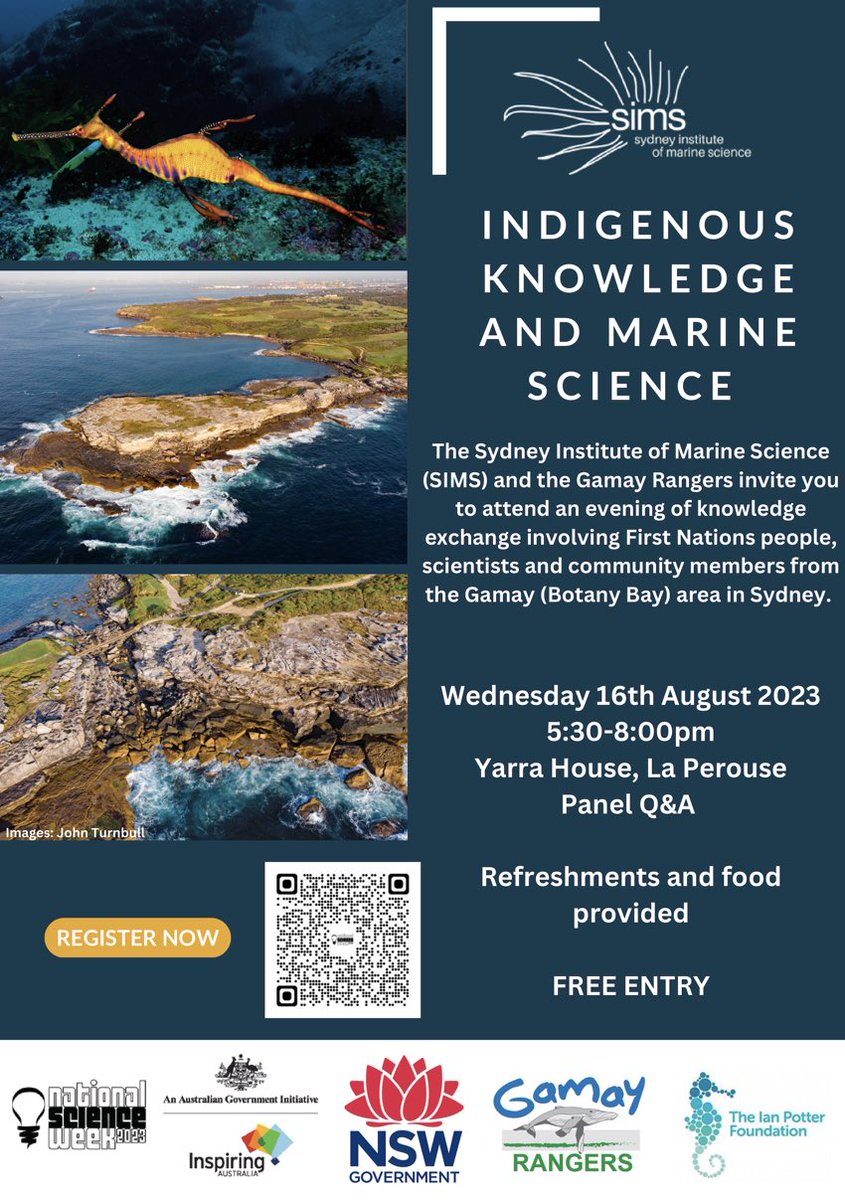
We’re hosting an exciting Science Week event. Come join the conversation about traditional ecological knowledge and marine science in Gamay (Botany Bay). Thanks @InspiringNsw @Aus_ScienceWeek@IanPotterFdn@SydneyMarine and La Perouse LALCLocal for helping make this happen.
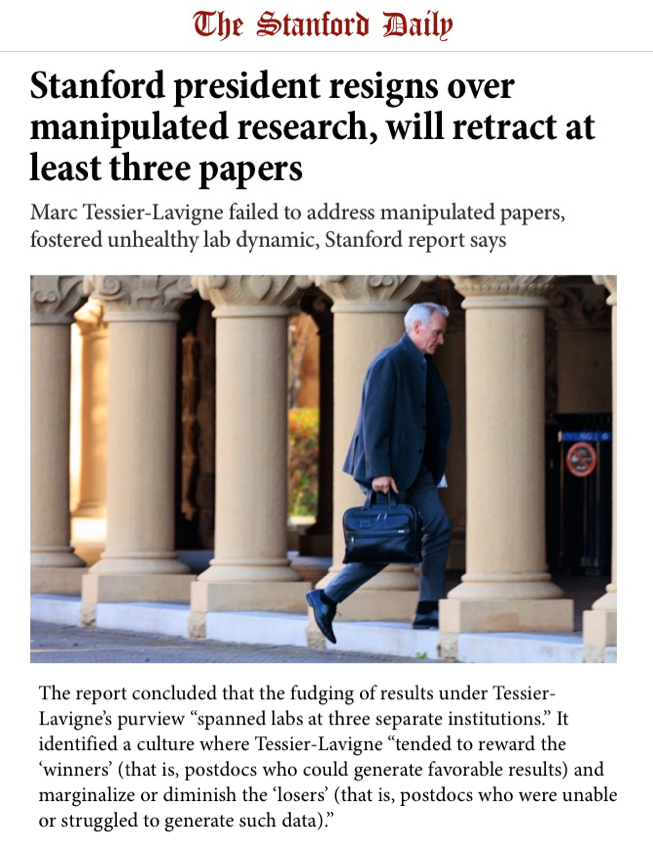
Not able to produce “favorable results” in the lab? You are a “loser”.
Stay in the shadows of those who can bring cool data to the Big Prof.
Sounds familiar? It's not only about this case at Stanford.
It's about academic culture in general:
- Keep pushing for metrics. Quantity over quality. Look for flashy conclusions.
- Skyrocket your profile. Build your research enterprise. Outcompete everyone in your field.
Isn’t it how academia works today? 🤨
▫️
Albert Einstein remarked: “An academic career, in which a person is forced to produce scientific writings in great amounts, creates a danger of intellectual superficiality”.
Peter Higgs said he could NOT replicate his discovery in today’s academic climate: “Not enough peace and quiet in the present sort of climate to do what I did in 1964”.
▫️
Wonder about the results of this “culture”?
1. Thousands of FAKE research articles are published. 30% of all scientific articles may be fake products of paper mills. There is even a special lengthy page on Wiki called “Replication crisis”.
2. Life-draining tenure requirements that fuel the rat race. Why? To ensure the university ranking and recognition is going up.
3. Most PhDs don’t see themselves in science anymore. In many places, you are not required to be creative and knowledgable. Instead, you should demonstrate you can win a race.
Everyone knows it but few things change.
▫️
I am happy that Stanford showed courage and carried out investigation. It is an excellent example of HOW to react to manipulated papers and unhealthy lab dynamic.
It's just another reminder that:
We should STOP focusing on taking “professional selfies”.
We should STOP trading our passion for glory.
Focus on science instead
#AcademicChatter #AcademicTwitter #phdchat
Macroalgal habitats are thought to buffer against #urchin grazing due to abundant predators. We tethered 96 urchins in macroalgal & barrens-mosaic habitats (NSW coast) & found no effect of #macroalgal cover, as #predators were abundant in both habitats
https://t.co/TBu90eq8oO
This study indicates that calcified #CorallineAlgae is not as #calorically poor as previously thought, indicating that another mechanism must be responsible for the preference of fleshy macroalgae over coralline algae by many marine herbivores!
https://t.co/bcEgglS7Az
@habanereo
This week, @JimStudiesFish has the steering wheel of the MEG twitter! He's a fish scientist with a passion for ecology and foodweb dynamics, and is currently undertaking a PhD investigating the ecology of subtropical reef fishes at Norfolk Island!
I am giving a long-form talk tonight 6pm at Shellharbour library on my work on the importance of urchins in lobster diets and assaying urchin predation using tethering experiments. It's a free event, hope to see you there! #urchinbarrens#UON#UOW#NSWDPI
https://t.co/tiioMse6pR
Time to recognize universities run off the backs of casual academics, and that needs to change if we want things to improve. Top of the list: more government-funded research. Australia has <2% of GDP in research, much less than 2.68% of OECD nations
https://t.co/Gh5VvgpFR6