Korea Market Monthly: June 2026
Stablecoins, payments, custody, and regulatory coordination continued to define Korea’s digital asset market in June.
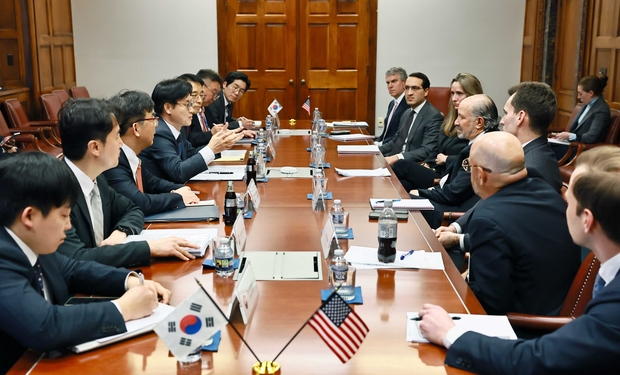
🔷 South Korean officials and digital asset stakeholders met with the U.S. SEC’s Crypto Task Force to discuss stablecoins, tokenized securities, custody standards, digital asset classification, and cross-border regulatory coordination.
🔷 KG Financial signed an MOU with the Solana Foundation to develop Web3 payment infrastructure, leveraging KG Inicis’ network of approximately 220,000 merchants to bring stablecoin settlement closer to everyday commerce.
🔷 Toss Bank partnered with the Solana Foundation to explore blockchain-based cross-border payments, starting with stablecoin remittance proof-of-concept testing before expanding into settlement infrastructure and AML/KYC compliance.
🔷 Hana Card launched a USDC payments promotion with Crypto . com, allowing foreign visitors to make purchases at Korean merchants using Crypto . com’s prepaid Visa card, with cashback rewards in CRO.
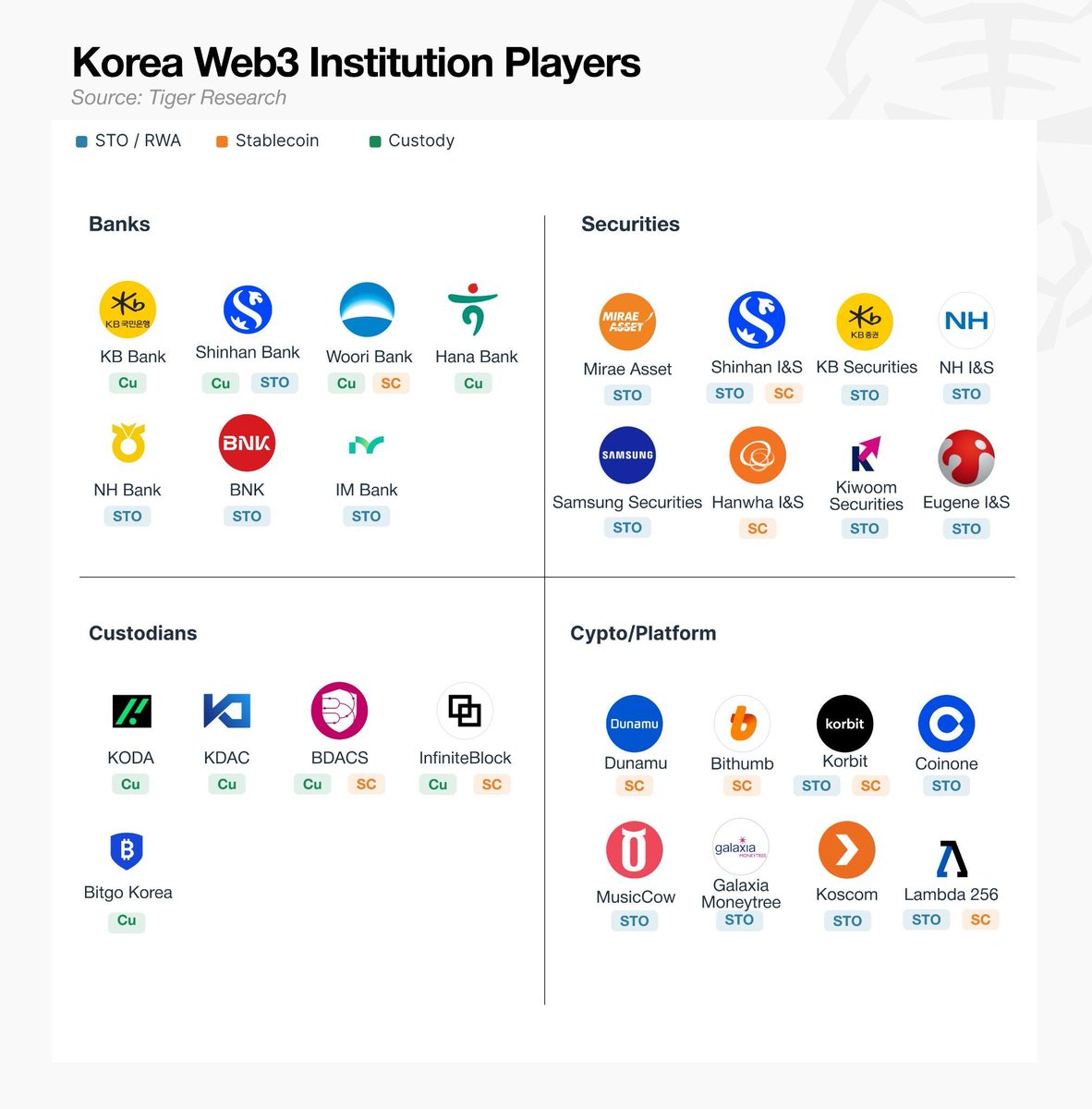
🔷 Dunamu, KDAC, KODA, BDACS, DSRV, Hecto Wallet One, and Infinit Block are competing for the National Police Agency’s seized crypto custody contract, highlighting growing public-sector demand for institutional-grade digital asset custody.
🔷 KBW2026 announced its next wave of speakers, bringing together leaders across institutional asset management, global payments, digital asset infrastructure, public policy, custody, and financial services.
Read the Full Article from KBW ⬇️
Over 16 million Koreans own digital assets.
That's roughly one-third of the country's population.
Numbers like that are one reason the global industry continues to pay attention to Korea.
See what's happening on the ground at KBW2026. Get your tickets ⬇️
Korea's Capital Markets Infrastructure Is Being Rebuilt
A lot of the recent news coming out of Korea can seem disconnected. One bank announces a stablecoin initiative, another explores tokenization, while others invest in custody or experiment with blockchain-based settlement.
Taken individually, they're interesting. Taken together, they point to something much bigger.
Rather than treating these as isolated announcements, it's becoming easier to see them as pieces of the same transition. Banks and financial institutions are beginning to rethink how assets are issued, transferred, settled, and safeguarded, with blockchain increasingly becoming part of that conversation.
None of these developments will reshape capital markets overnight, but together they suggest Korea is building the infrastructure needed for a more digital financial system.
See how these developments are reshaping Korea's financial system at KBW2026 this fall. ⬇️
Stablecoins were step one. Korea is already looking at step two.
If you've been following Korea over the past few months, you've probably noticed that almost every major announcement has something to do with stablecoins. Look a little closer, though, and a broader pattern starts to emerge.
Stablecoins may have sparked the conversation, but they're quickly becoming part of a much bigger discussion about tokenized assets, digital securities, and the infrastructure needed to support them. As banks and financial institutions become more comfortable with money moving on-chain, it's only natural that attention begins to shift toward the assets themselves.
That's what makes Korea such an interesting market to watch heading into KBW2026. The conversation in Seoul is no longer just about stablecoins. It's about what they unlock next, and how tokenization, capital markets, and financial infrastructure are beginning to converge.
Join the discussion at KBW2026 this fall. ⬇️
KBW2026 @pudgypenguins: @LucaNetz
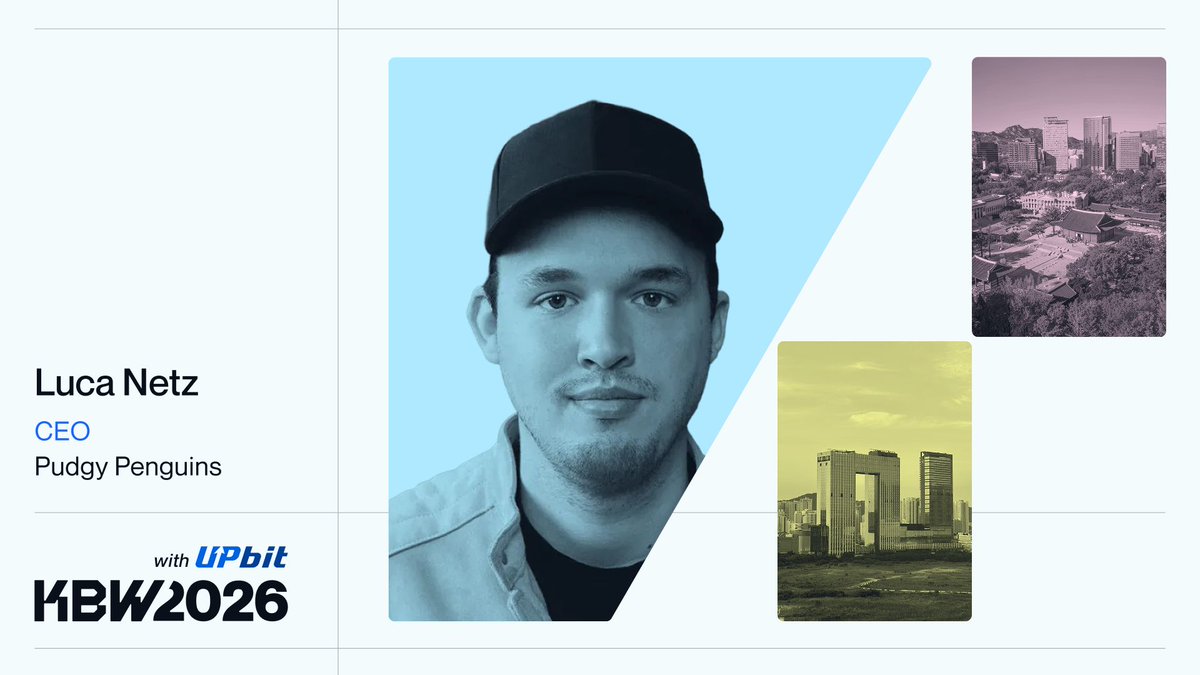
Luca Netz (CEO, Igloo Inc. & Pudgy Penguins) is confirmed for KBW2026 this fall, helping transform one of crypto's most recognizable consumer brands into a global IP spanning major retailers, licensed products, gaming, and millions of households around the world through Igloo Inc.
Early Bird tickets are available now. ⬇️
South Korea’s Digital Financial Infrastructure by the Numbers
South Korea is already one of the world’s most active digital finance markets.
❇️ 16M+ digital asset holders.
❇️ 150+ institutions exploring digital asset initiatives.
❇️ Major banks testing stablecoins, custody, remittances, and tokenization.
❇️ Policymakers developing frameworks for the next phase of digital asset markets.
That’s why Korea has become such an important market for institutions watching the future of digital finance.
See why the world's leading digital asset institutions are paying attention to Korea at KBW2026. ⬇️
Institutional adoption doesn't happen through a single custody launch, stablecoin pilot, or regulatory proposal.
It takes more than one piece of the puzzle falling into place. Clear regulation, secure custody, deep liquidity, and ways to bring new products to market all matter, and South Korea is making progress on each of them.
See where the conversation is heading at KBW2026 this fall. ⬇️
Every Global Custodian Is Watching Korea
Custody is a critical part of institutional digital asset infrastructure. Banks, asset managers, and other financial institutions need a secure way to hold digital assets before they can launch products or enter the market. As South Korea’s regulatory framework evolves and its financial institutions expand their digital asset strategies, custody providers will play a central role in supporting the growth of stablecoins, tokenization, and broader institutional adoption.
See how Korea's institutional ecosystem is evolving at KBW2026 this fall. ⬇️
Business has become increasingly global 🌏
Whether you're based in North America, Europe, or Asia, the people you want to meet won't all be in your backyard. They'll be in Seoul this fall.
Be part of the global community gathering in Seoul this September. ⬇️
Korea's crypto market is evolving beyond trading
After years as one of the world’s most active retail crypto markets, South Korea is entering its next phase. Banks are exploring custody, payment companies are testing stablecoins, securities firms are evaluating tokenization, and regulators are developing clearer frameworks. These efforts build on the country’s active trading market, creating the infrastructure needed to bring digital assets into broader financial services.
See where that conversation is headed at KBW2026 this fall. ⬇️
South Korea wants to become one of the world’s top three AI powers, and it already has some of the infrastructure needed to compete.
The country is home to Samsung and SK Hynix, two of the biggest names in the global semiconductor industry. Now, more than 260,000 NVIDIA GPUs are planned across the government and major Korean companies as investment expands into compute, domestic AI models, and real-world applications.
AI is becoming a bigger part of South Korea’s technology story. See where that conversation is heading at KBW2026 this fall. ⬇️
Tokenization Is A Natural Extension Of Korea's Digital Economy
Korea's financial system is already highly digital.
For institutions, tokenization is less about replacing existing markets and more about improving how familiar assets are issued, settled, and managed.
Deposits, bonds, money market funds, private credit, and other financial products all fit into a market where banks, asset managers, infrastructure providers, and policymakers are already exploring the next phase of digital capital markets.
That conversation continues at KBW2026. ⬇️
📣 The next wave of KBW2026 speakers is here, spanning national leadership, exchange infrastructure, and global culture.
Bermuda (Premier | @DavidBurtMP), @okx (Founder & CEO | @star_okx), and NBA Champion @TThompson are joining us at KBW2026.
📅 September 30 – October 1
🎟️ Get your tickets: https://t.co/Dj7c4bJaOs
You're going to Seoul. Let everyone know.
Check your email for your personalized "See You in Seoul" graphic, customize it, and share it on X so the KBW community knows you'll be here!
Don't forget to tag @kbwofficial!
Still need your ticket? Get your ticket below and join us in Seoul this fall. ⬇️