MineBit is bringing more than poker. With a 20% House Profit Share, the community has another reason to stay involve and keep the energy going Plus, don’t miss the exciting community events games, competition, activities built to bring everyone together.
@MineBitOfficial
@uthykinging Doublechecking before signing is underrated. The signing setup matters too. That’s why I find @UN_wallet’s NFC approach interesting.
https://t.co/HSiHByQEjj
Your crypto doesn't live in your hardware wallet.
Your ability to move it does.
That's an important distinction.
The blockchain holds the assets. Your wallet holds the keys that prove you have the authority to move those assets.
Which means a hardware wallet isn't really a “container” for your crypto.
It's closer to a permission device.
That's why the design of the signing process matters so much.
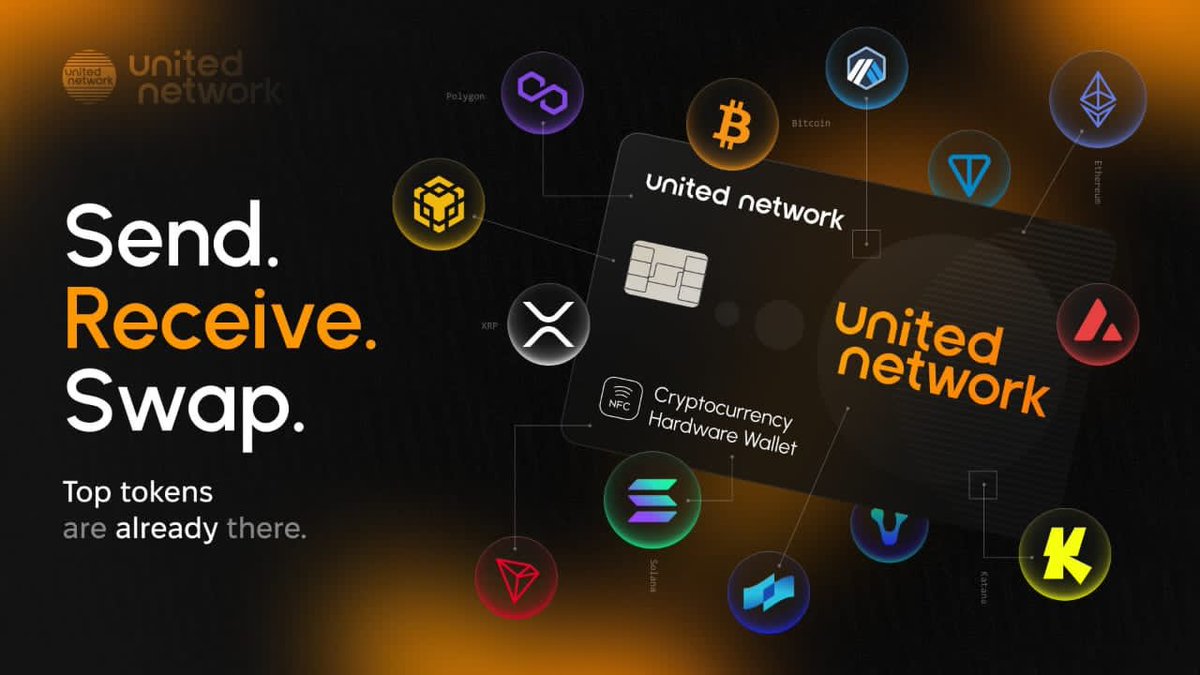
With @UN_wallet, the card isn't carrying your coins around. It protects the private key used to authorize transactions, while the blockchain remains where the assets actually exist.
Once you understand that, hardware wallets start looking less like storage devices and more like tools for controlling access.
🚨 SAYLOR: The digital economy needs a “bill of digital rights” giving people and companies the freedom to create, issue, hold, transfer and use digital assets, with a goal of enabling 10 million new companies to raise capital.
A casino sharing 20% of its profits with players** sounds insane 💀
But @MineBitOfficial actually does it.
Every week, the house gets cooked and 20% of the gaming profits goes back to players
RUG THE HOUSE.
@BriggsOnchain Small test transfers are a good habit, but securing the wallet itself matters too. Hardware wallet add another layer by keeping transaction signing on dedicated hardware. That is one reason I find @UN_wallet interesting
https://t.co/VUqR4zwAyv
@UN_wallet Maybe the next step for hardware wallets isn't adding more screens, buttons and features.
Maybe it's making secure self-custody feel normal enough that people actually want to use it every day.
Security matters.
But so does usability.
That's one thing I find interesting about @UN_wallet.
The card form factor make the hardware part feel less like another gadget you have to manage.
Your phone remain the interface. The card becomes the physical part of the approval.
Self-custody already ask users to pay attention to address, transactions, approval and recovery.
The hardware shouldn't make the basic experience harder than it needs to be.
Good design should reduce friction without removing the important check.
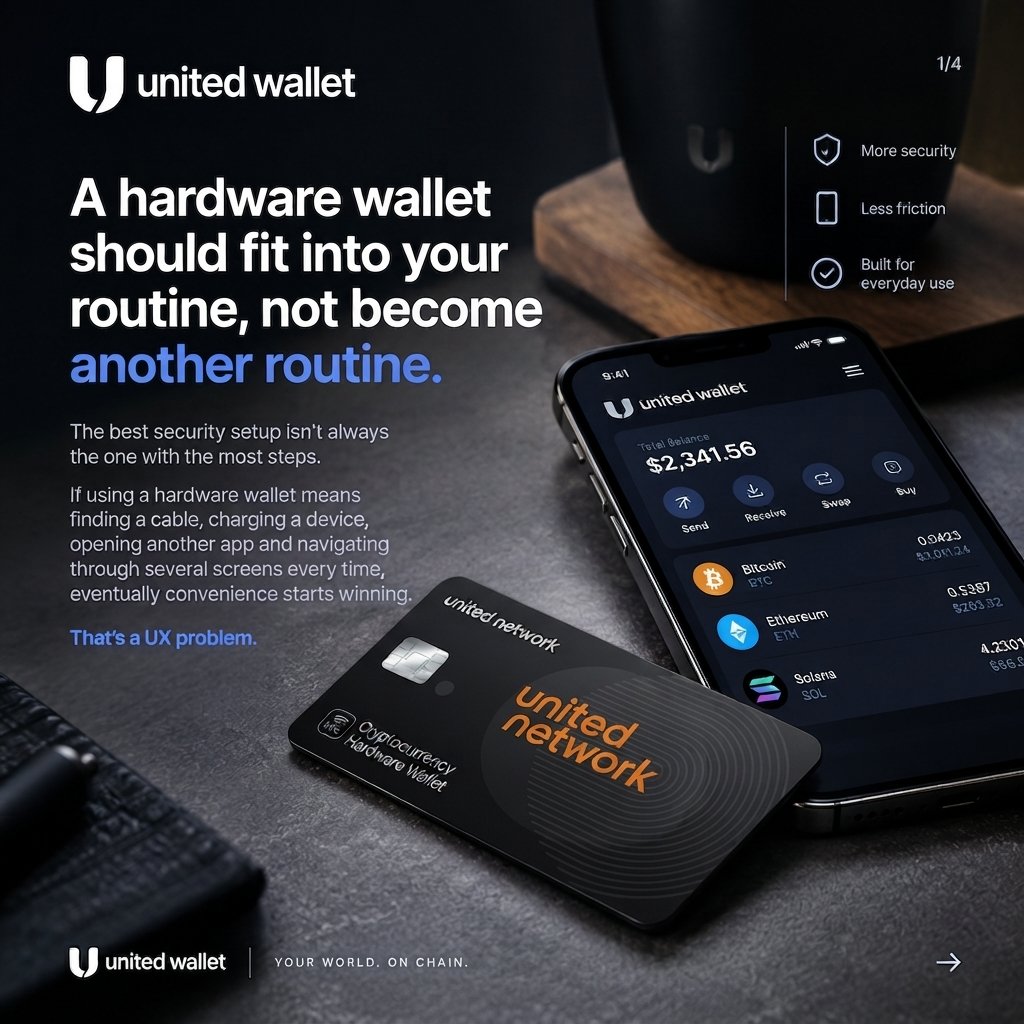
The best security setup isn't always the one with the most step.
If using a hardware wallet means finding a cable, charging a device, opening another app and navigating through several screens every time, eventually convenience starts winning.
That is a UX problem.
@UN_wallet The separation is what makes the architecture interesting. Your phone stay the familiar place where you review everything, without also being responsible for the actual signing. It’s a small distinction, but an important one for self custody
@UN_wallet The interesting part isn't that the wallet is shaped like a card.
It’s the design philosophy behind it:
Keep the complicated part where they belong, and make the user interaction feel ordinary.
Maybe that’s what hardware wallets need next, not more gadgets, but better UX.
Maybe hardware wallets don’t need more features.
Maybe they need fewer things to get in the way.
Every extra step, cables, buttons, screens, apps, charging, adds another decision before you can simply approve a transaction.
@UN_wallet That’s what makes the card approach interesting to me.
@UN_wallet puts the hardware into a familiar form factor. Your phone handles the interface, while the NFC card handles the signing.
Tap, approve, continue.
@StarPlatinum_ Crypto onboarding has come a long way. The next challenge is making self-custody feel just as normal. That’s where I think @UN_wallet’s NFC card approach gets interesting.
https://t.co/LbpYiTegHx
If you use your phone to manage crypto, where is your transaction actually signed?
With United Network, the answer is: on your NFC card.
How does it work?
When you make a transaction, your phone is the interface — but the cryptographic signing happens on the card’s secure chip.
Tap your card → enter your PIN → sign the transaction.
Your private key stays inside the card and never needs to be exposed to your phone.
Why does this matter?
Keeping the key and the interface separate means your phone can be used to manage your assets without becoming the place where your private key lives.
One tap. One card. Hardware-level signing 👉 https://t.co/fDFR2AFemD