❓What is Fear and Greed Index❓
Fear and Greed Index measures market sentiment using factors like volatility, volume, and social media trends. Extreme readings can signal potential reversals.
❓What are Flash loans❓
Flash loans are uncollateralized loans that must be borrowed and repaid within a single blockchain transaction. They enable arbitrage but can be exploited in attacks.
❓What are NFT royalties❓
NFT royalties allow creators to earn a percentage of sales each time their NFT is resold on secondary markets. This feature, coded into the smart contract, ensures ongoing revenue and incentivizes long-term creative output.
❓What is Yield farming
Yield farming is a DeFi strategy where users move assets between protocols to maximize returns. It often involves staking or lending tokens to earn interest, fees, or governance tokens, but carries risks like impermanent loss and smart contract exploits.
❓What is Cross-shard communication❓
Cross-shard communication allows different shards in a sharded blockchain to exchange data, enabling complex transactions across the network.
❓What is Liquidity mining❓
Liquidity mining rewards users for providing liquidity to a protocol, often paying them in the platform’s native token. It can boost adoption but may attract short-term speculators.
❓What is Sharding❓
Sharding is a blockchain scaling technique that splits the network into smaller parts called shards, each processing its own transactions. This increases throughput and reduces congestion
❓What is an Impermanent loss❓
Impermanent loss occurs when providing liquidity to a pool and the value of deposited assets changes compared to holding them. It can reduce returns despite earning fees from the pool
❓What is Whale watching❓
Whale watching is the practice of tracking large crypto transactions to anticipate potential market moves. Tools like blockchain explorers make this activity transparent.
❓What is Difficulty adjustment in crypto❓
Difficulty adjustment in Bitcoin changes mining difficulty every 2016 blocks to keep block times around 10 minutes, regardless of total network hash power.
❓Who are considered Whales❓
Whales are individuals or entities holding large amounts of cryptocurrency. Their trades can significantly impact market prices, making whale activity closely watched by traders and analysts
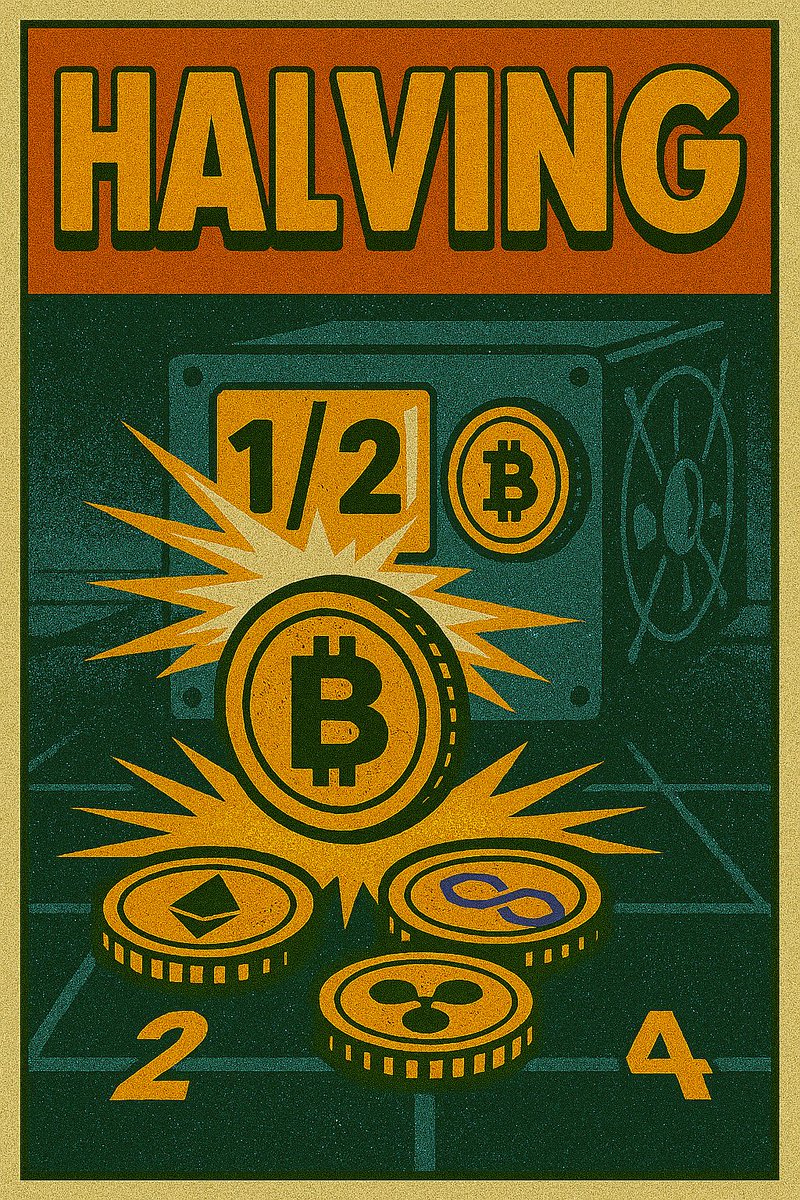
❓What is Halving❓
Halving is a programmed event in certain blockchains like Bitcoin where mining rewards are cut in half. This reduces the rate of new coin issuance, often influencing supply-demand dynamics and long-term price trends
❓What is a Fully diluted valuation❓
Fully diluted valuation (FDV) estimates a project’s market cap if all possible tokens were in circulation. It helps assess potential future supply impact on price.
❓What is a Meme coin❓
Meme coins are cryptocurrencies inspired by internet jokes or trends. While some gain massive popularity, they often lack fundamental utility and carry high volatility.
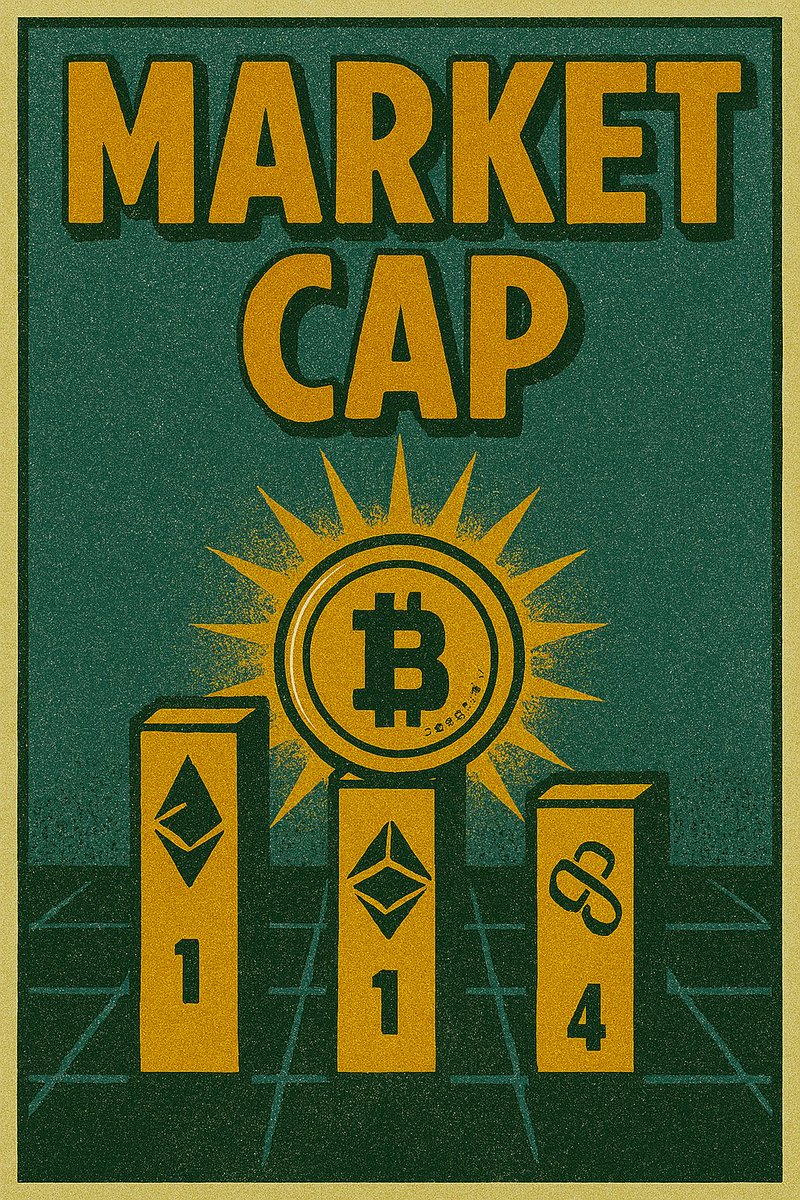
What is Market capitalization?
Market capitalization in crypto is calculated by multiplying a coin’s current price by its circulating supply. It helps investors gauge the relative size and value of different cryptocurrencies
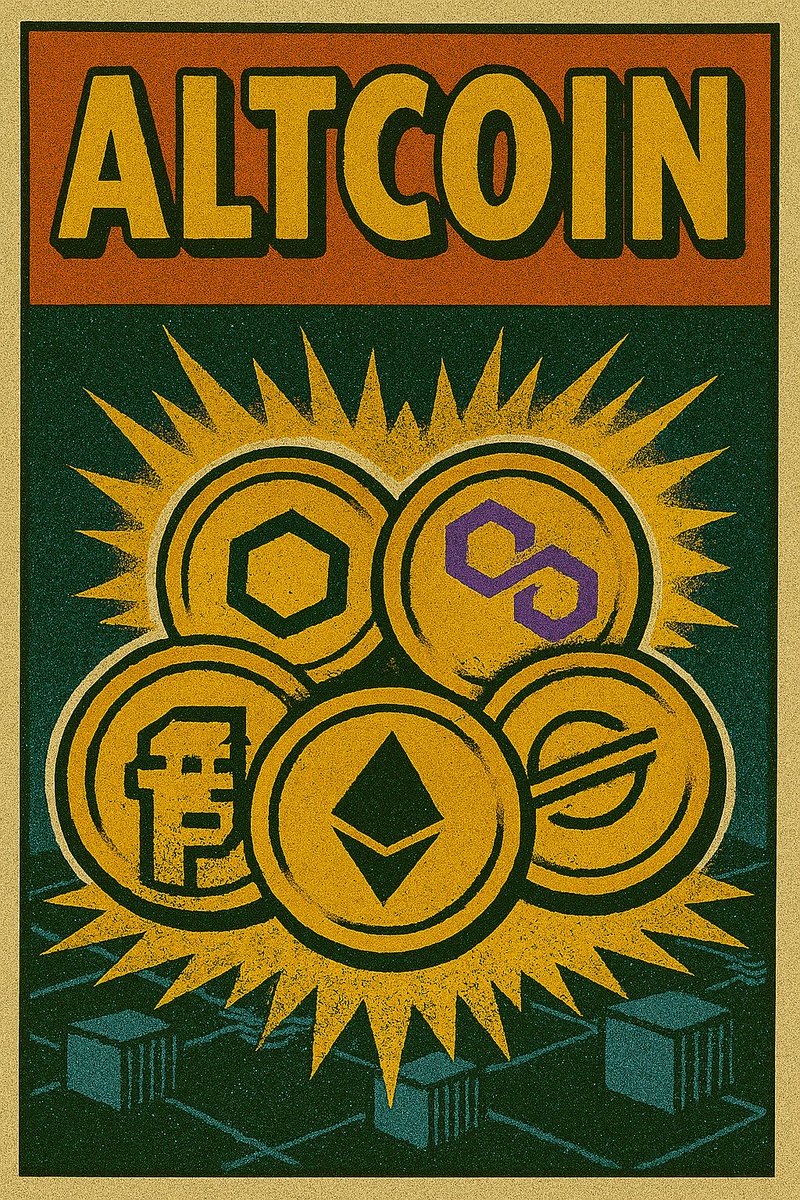
What are Altcoins?
Altcoins are cryptocurrencies other than Bitcoin. They include projects like Ethereum, Solana, and Cardano, each offering unique features, consensus mechanisms, and use cases beyond Bitcoin’s original design
❓What is Snapshot voting❓
Snapshot voting in DAOs records token holder balances at a specific block to determine voting power, preventing last-minute token transfers from influencing outcomes.
❓What is Vesting❓
Vesting schedules in tokenomics control when team members or investors can sell their tokens, reducing immediate sell pressure and aligning incentives with long-term growth.
❓What is a DAO❓
DAO stands for Decentralized Autonomous Organization, a community-led entity governed by smart contracts and token holders. DAOs enable collective decision-making without centralized leadership
❓What is an Algorithmic stablecoin❓
Algorithmic stablecoins maintain their peg using code-based supply adjustments rather than collateral. They can be efficient but are vulnerable to death spirals if confidence collapses.