How we use Zama ?
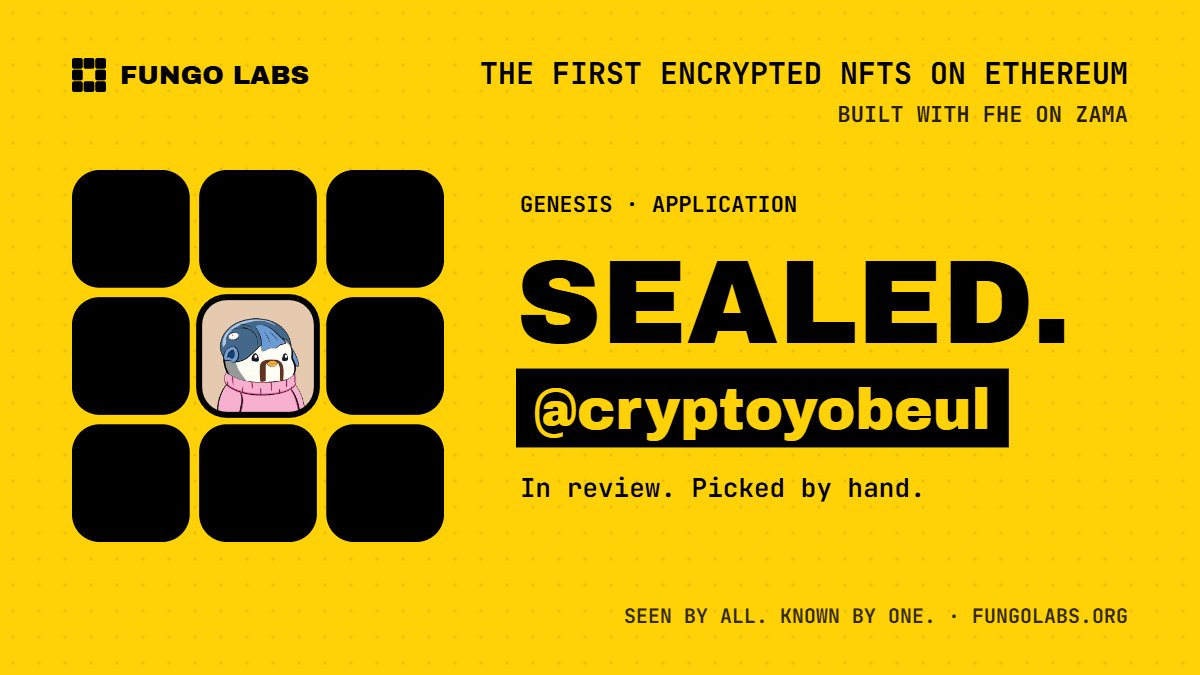
→ Every NFT mints sealed and is encrypted onchain using Zama’s FHE.
→ The contract computes on data it can never read.
→ Its look and essence are determined by FHE randomness. Nobody gets to choose. Not even us.
🟨 Built with FHE on @zama.
I've bridged from Ink to Arbitrum more times than I can count this year, and Jumper is where I ended up doing most of it.
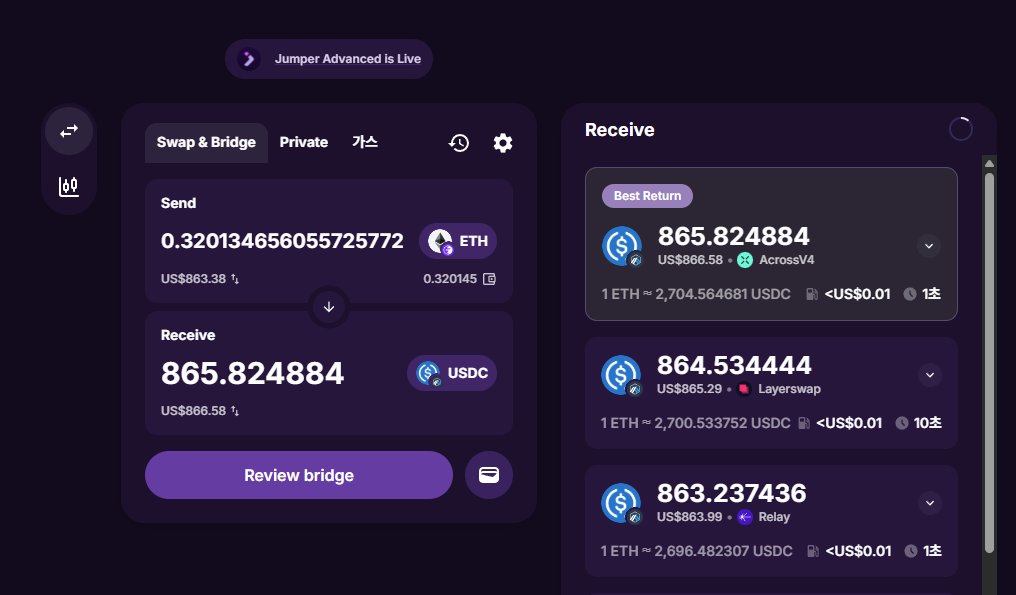
Here's why an asset-first approach appeals to me. Say I'm holding ETH on Ink and need USDC on Arbitrum to pay for something. Doing it manually could mean finding a bridge, moving the funds, then opening a DEX to swap. Multiple steps across different apps, with more room to make a mistake.
Jumper brings route comparison into one interface. I can focus on what I have and what I want to receive, then compare the available options by estimated output, cost, and time.
That's the appeal of starting with the asset: less effort figuring out the route to the thing I actually need.
But I still check two things before moving:
-> Destination gas. If I need to send or spend that USDC afterward, I make sure I have ETH on Arbitrum for gas.
-> The bridge behind the route. An estimated arrival time isn't a guarantee, and speed alone isn't enough to choose a route.
For me, today's route aggregation shows the appeal of a broader asset-first experience. It doesn't mean every asset, chain, or planned feature is already supported.
Source: https://t.co/B090gYZJQL
Disclosure: This post is part of The Republic campaign, where participation can earn rewards.
#Republic #Legion