Proyecto MUSAI-MARATHON 🧠🏃♂️
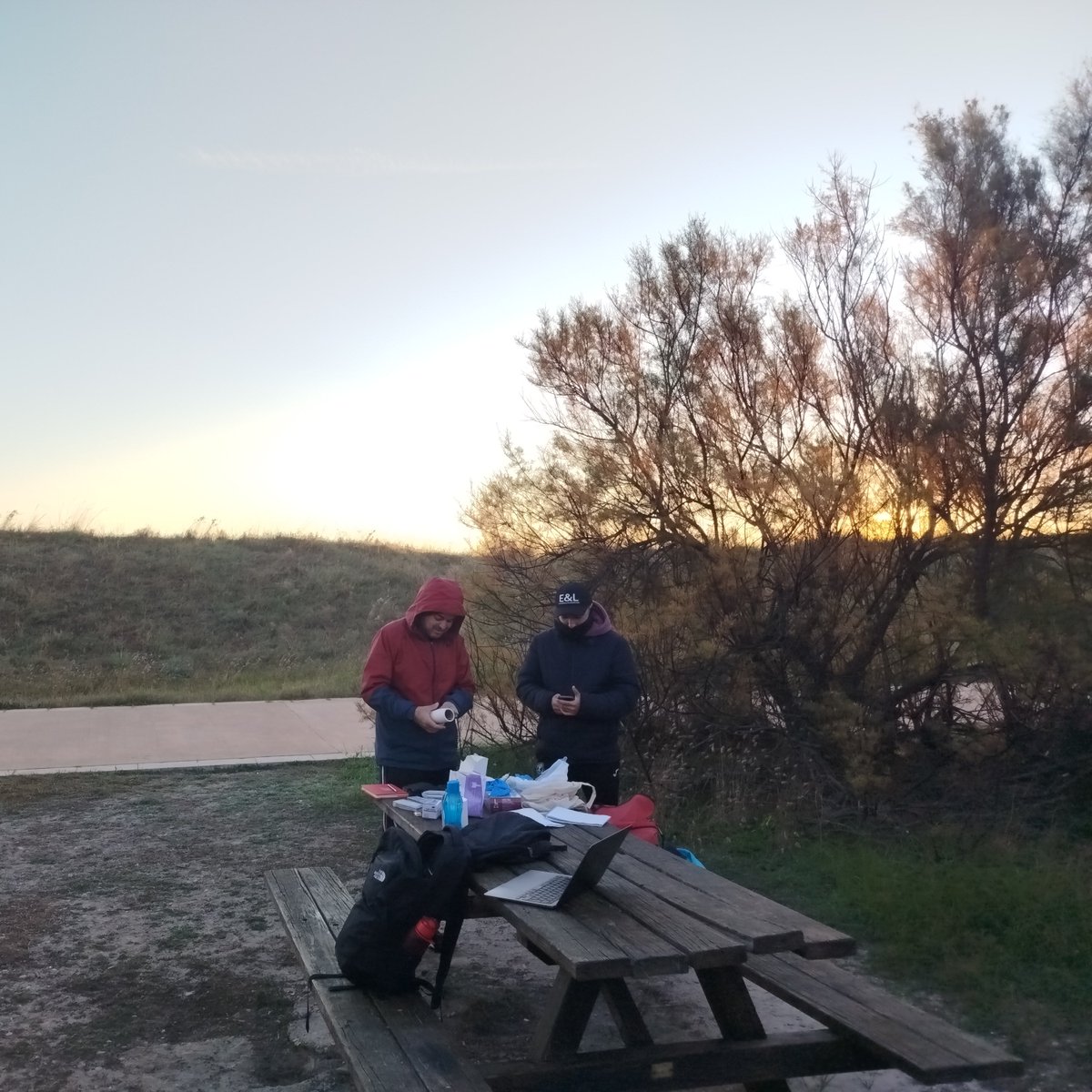
Durante 4 meses seguimos a 35 corredores del SD Correcaminos para detectar daño muscular de forma no invasiva y optimizar la planificación del entrenamiento para el pasado maratón de Valencia.
Muchas gracias a @CorrecaminosVLC por su colaboración 💛🖤
Exercise Intensity Terminology is a bit of a mess 😵💫
Our attempt to try & summarise some of the different approaches, and make some recommendations going forward, has finally been published in both MSSE: https://t.co/iHdsdK4Mhx & JSaMS: https://t.co/ONLEM5g8U8.
We are hiring a PhD student! Come and work with myself, Melissa Hooijmans, and @RobWust on a project aimed at understanding the mechanistic bases of exercise intolerance in ME/CFS. Please RT! @VU_FGB
https://t.co/TsU4hvBou7
New in SJMSS
"Consensus Statements—Optimizing Performance of the Elite Athlete"
Nice approach with recommendations for the key "performance optimization" aspects summarized in 19 statements!
https://t.co/64LDFs8dUk
Although a muscle oxygen saturation (SmO₂) plateau is often referenced in the scientific literature, clear criteria for its definition have yet to be established. Therefore, new read :)
https://t.co/cPgw64i0Fh
¡Nuevo artículo publicado! 🧠🚴
Estudiamos cómo se activan y oxigenan los músculos estabilizadores y generadores de potencia durante un test incremental en ciclismo.
📖 50 accesos gratuitos aquí 👉
https://t.co/yD3SUrBnNz
#SportsScience#Cycling#EMG#Research
New 📄 by @DanielKeir1 in @CJCJournals: ‘Problems using the cardiopulmonary exercise test in cardiac rehabilitation: it is time to retire outdated protocols and replace them with better ones’ #westernuKin 🔒 https://t.co/nm3xAF8EyX
New in @EJAP_official by Inglis, @MuriasLab and colleagues
Exercise training-induced speeding of kinetics is not intensity domain-specific or correlated with indices of exercise performance
https://t.co/Q45S3EwkJE
Time-continuous analysis of muscle and cerebral oxygenation during repeated treadmill sprints under heat stress: a statistical parametric mapping study | @EJAP_official https://t.co/7ZidE0LTUI
@csendra_perez found comparable 95% LoA of ±24 %SmO2 between left & right VL in a cycling GXT and 8-min time trial in 26 cyclists
Gastrocnemius and tibialis anterior were similar LoA at ±20-25% and ±14-18%, respectively
https://t.co/hqF8WIiSDh
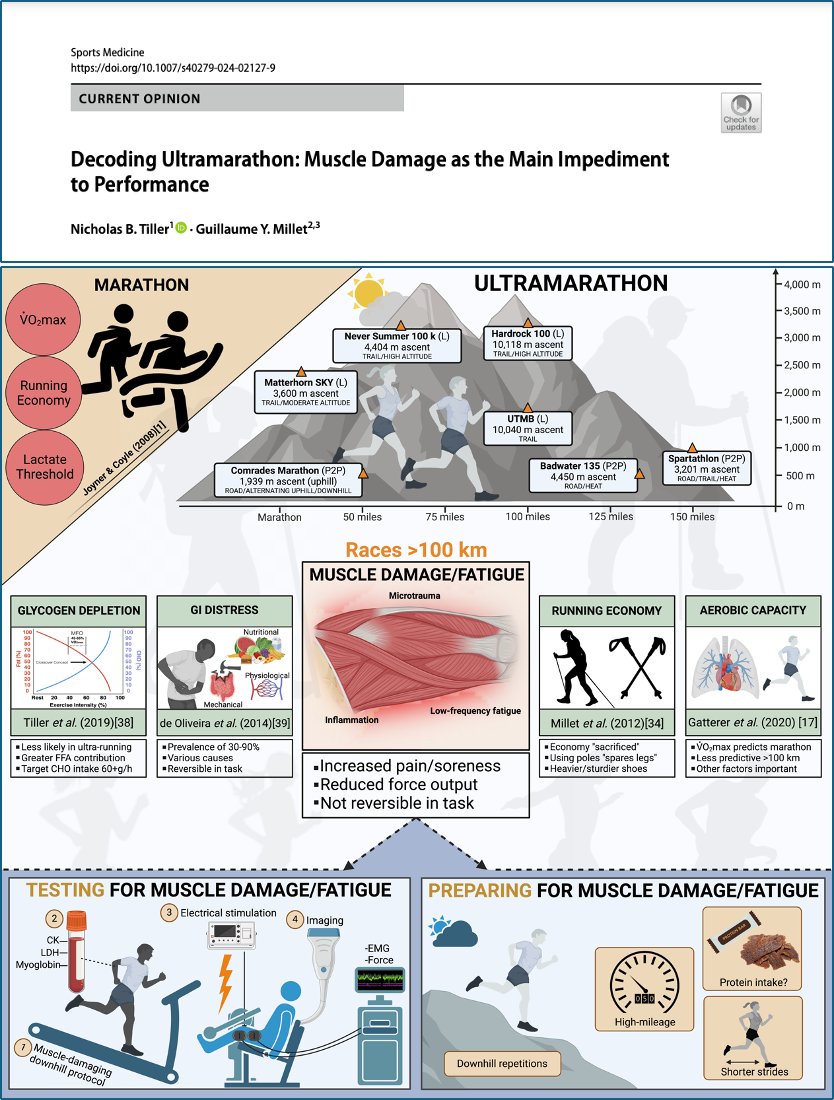
Is muscle damage and associated fatigue the main impediment to performance in long footraces? We think so.
Our new opinion piece in @SportsMedicineJ argues the point and offers an assessment and mitigation strategy. Always a pleasure working with @kinesiologui.
🔗https://t.co/a4vG3JNSC4 #ultramarathon #running
More details on my website.
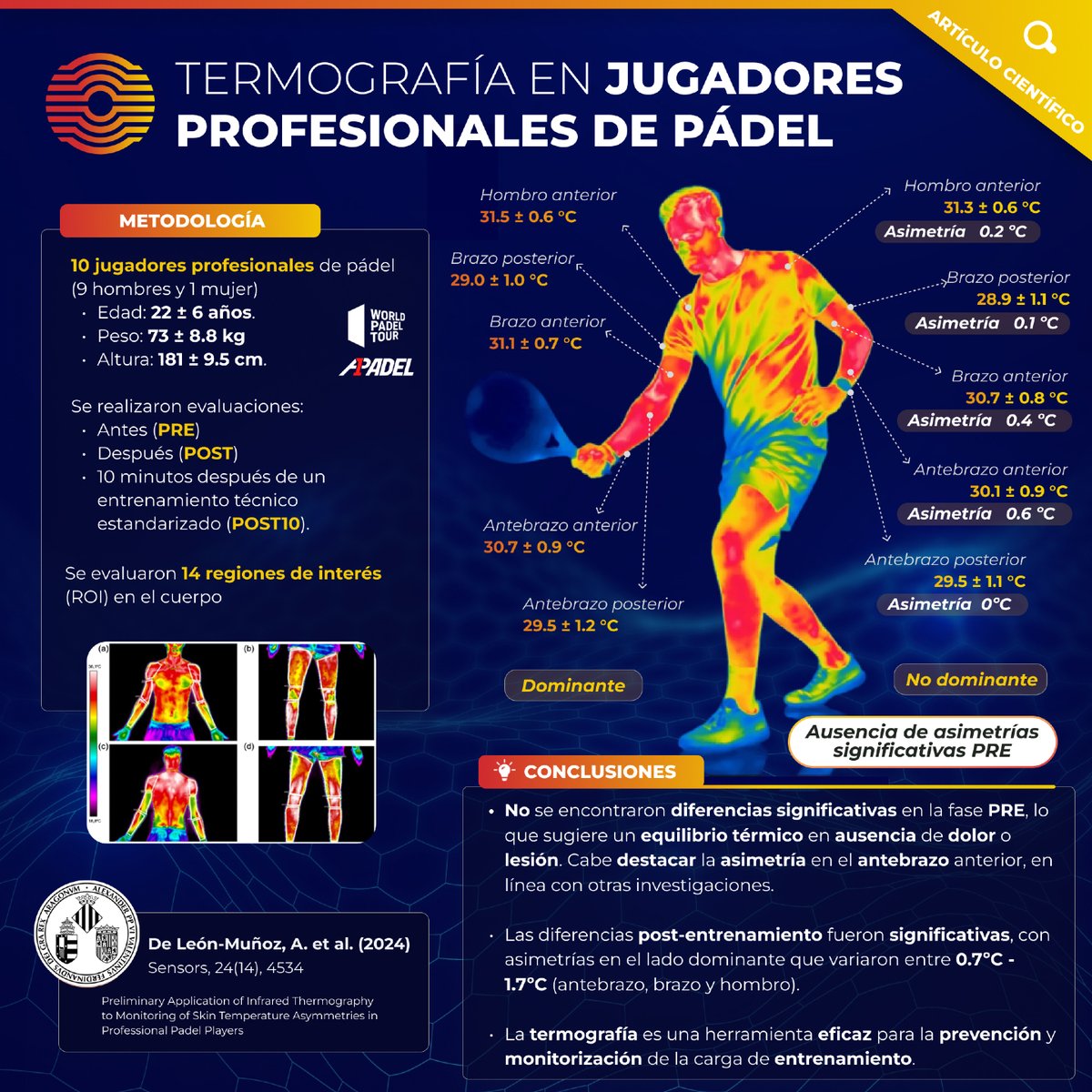
Presentamos un estudio de De León-Muñoz et al. (2024) realizado en jugadores profesionales de pádel🎾 , donde se analizan las asimetrías térmicas antes, durante y después del entrenamiento.
Lee el artículo completo en nuestra web🔗
https://t.co/PWFVt2DmLw
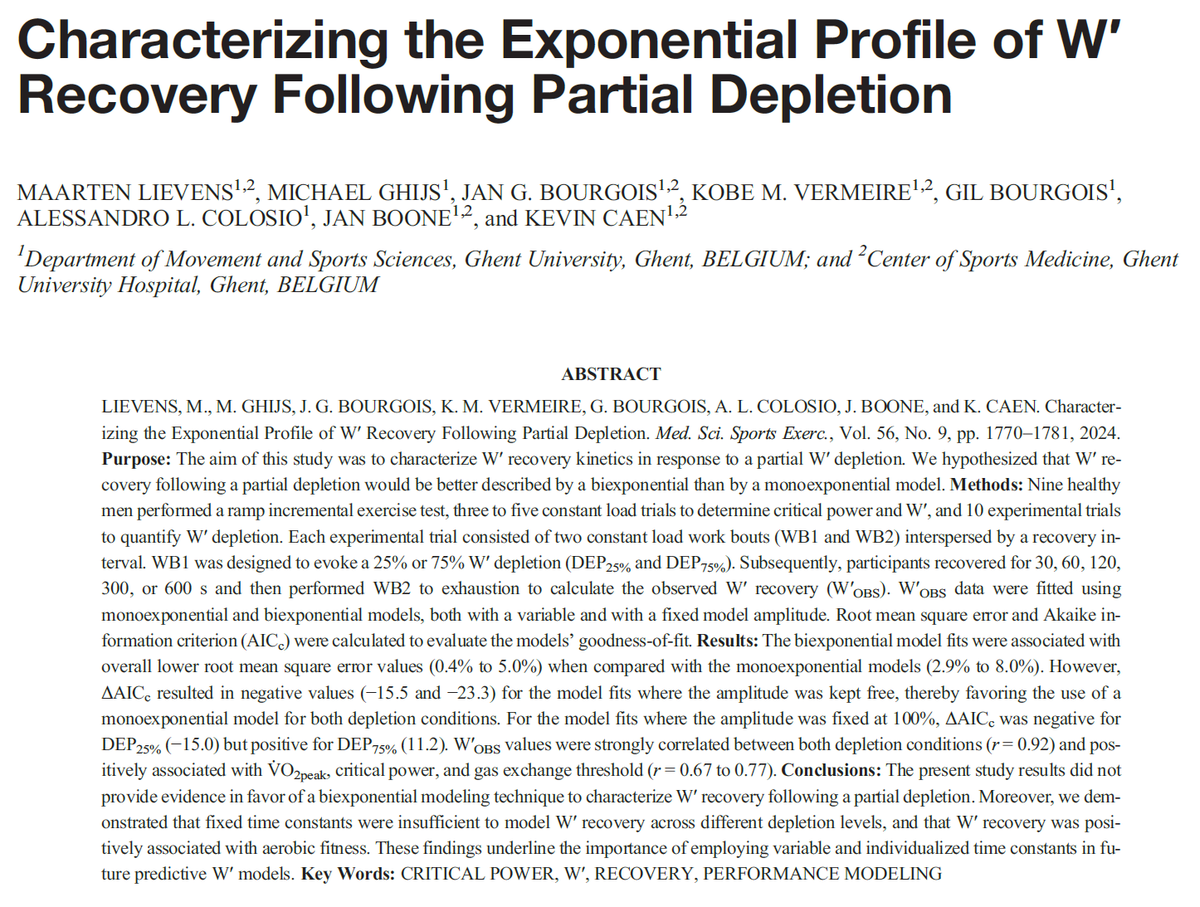
🚨Publication alert - We studied how W' recovery behaves in response to a partial depletion. This paper holds a very special meaning for me... it's a tribute in loving memory of my amazing friend Maarten, with whom I shared my interest for CP and conducted this research ♥️
Just published on #NIRS#muscleoxygenation Thanks to co-authors, reviewers, & editors
Muscle reoxygenation is slower after higher cycling intensity, and is faster and more reliable in locomotor than in accessory muscle sites
What is it all about? 🧵/12
https://t.co/eqCUY4g6eS
Explainer video on science of why the 400m sprint is considered the most painful track & field event.
And why “no person on the planet can run the 400m all out from start to finish".
The race pushes the way the body creates energy to the limit:
▫️0-50 meters: ATP-CP (energy system for very short and explosive movements; used up after 5-10 seconds)
▫️50-200 meters: Anaerobic glycolysis (burns glucose without oxygen, leading to lactic acid buildup and muscle fatigue)
▫️200-300 meters: Aerobic energy (uses oxygen to break down glucose, but cannot keep up with the demand)
▫️300-400 meters: Anaerobic energy reserves tapped while aerobic energy is too slow to fill the gaps (lactic acid buildup is going HAM)
Track athletes can pace for longer distances and shorter ones are just over quicker (obvs).
The Olympic record is a blazing 43:03, set by South African runner Wayde van Niekerk in 2016 (and 2024 Final race is tomorrow).
***
Full video from Outperform: https://t.co/MHSvRY6xWr