🚗💨 Registrations are open!
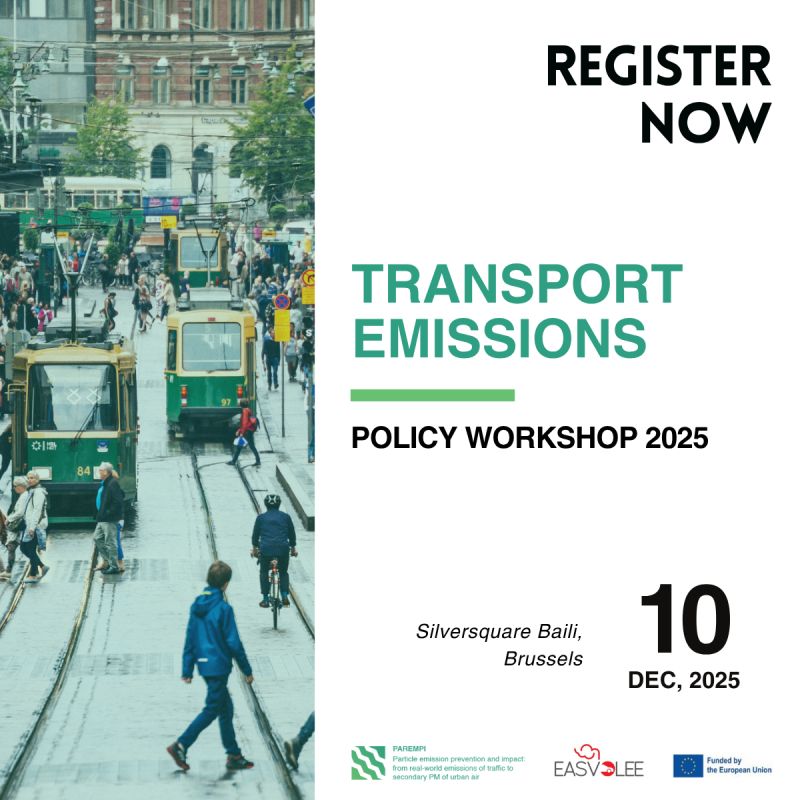
Join the Policy Recommendations Workshop on Transport Emissions — hosted by the #EASVOLEE and #PAREMPI projects!
📅 10 December 2025
📍 Brussels (Silversquare Baili)
👉 Register now: https://t.co/d0wwokXl4z
#EASVOLEE#PAREMPI#AirQuality
The #EASVOLEE project had a strong presence at #EAC2025 in Lecce 🇮🇹 with 3 oral talks + 5 posters!
🔬 Presenting new results on transport engine emissions & their impacts on air quality & health 🌍💨
✨ Great science, lively exchanges & inspiring connections!
🌍💨 It’s Clean Air Day!
Today we join the call to action: “Racing for Air. Every Breath Matters.”
Our mission is to advance science on vehicle emissions 🚗 to protect health, communities & the planet.🌱💙
📖Read more about our research:
https://t.co/pB4I6thM8e
#RaceForAir🚀
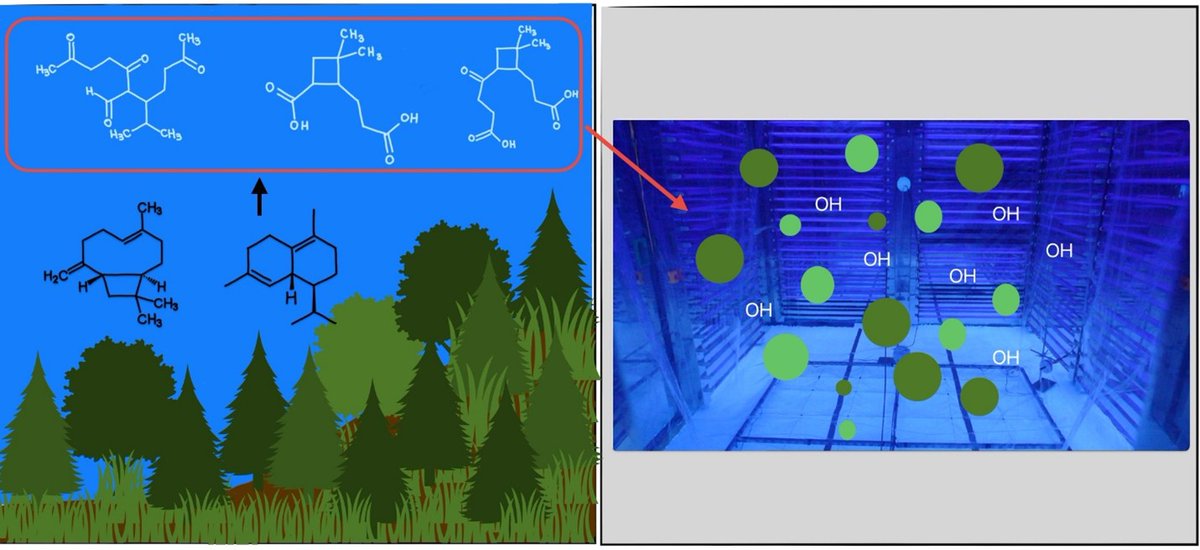
Vasilakopoulou et al. explored later-generation SOA formation from reactions of 3 first-generation sesquiterpene ozonolysis products with OH. An O:C of 0.6 was reached and fragmentation was surprisingly low.
@atmo_access@ELIDEK_HFRI@SNForg
https://t.co/1EWSBT62LC
🌍Happy World Environment Day!
We are advancing cleaner air through the EU-funded #EASVOLEE project, strengthening emissions data, developing sustainable transport strategies, and empowering policymakers to reduce urban air pollution.
Clean air is not a luxury — it’s a right!🫁
#RI_URBANSpapers
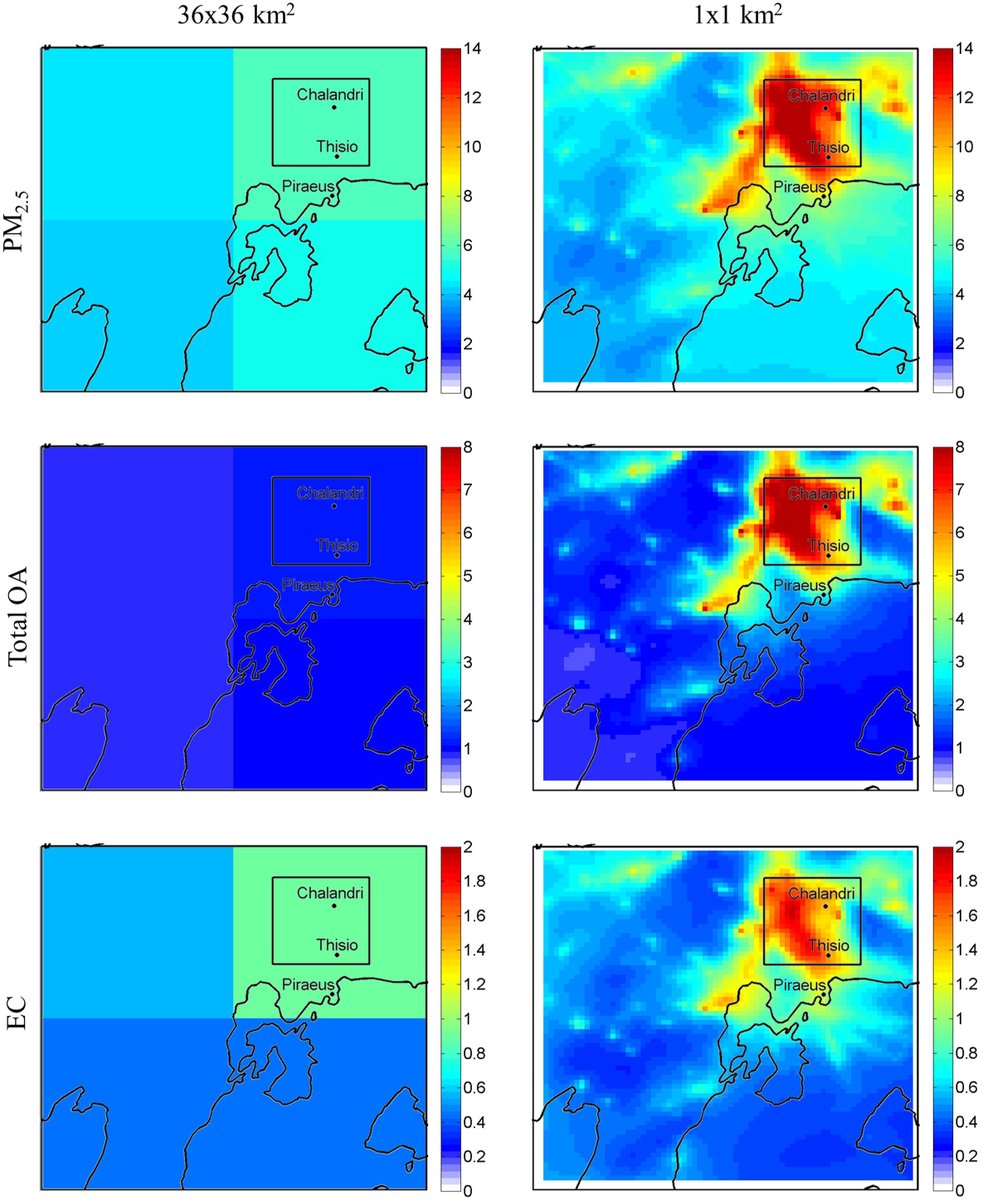
New RI-URBANS Study Maps High-Resolution Source-Resolved PM2.5 Exposure in Athens!
A novel 1×1 km² approach maps human exposure to local & regional pollution sources.
Dig more into this interesting study : https://t.co/t9aR2PePe6
Siouti et al. developed an approach for air quality simulation at high resolution, focusing on the source-resolved PM2.5 spatial distribution and human exposure in Athens. The model performed quite well compared to the observations.
@RI_URBANS@ELIDEK_HFRI
https://t.co/Dm19kvc09D
🚗🌍EASVOLEE made a notable contribution at the #EGU25 last week. EASVOLEE co-organized the session AS3.30 “Transport and air pollution, from real-world emissions to their impacts” receiving over 70 abstract submissions. We thank you for your contributions for which we are proud!
Apostolopoulos et al. evaluated the performance of the FORTH low-cost sensor-based air quality monitoring system ENSENSIA using measurements from a classroom. ML-based calibration improved dramatically the performance of the system.
@SynAir_G
https://t.co/U94DT488s0
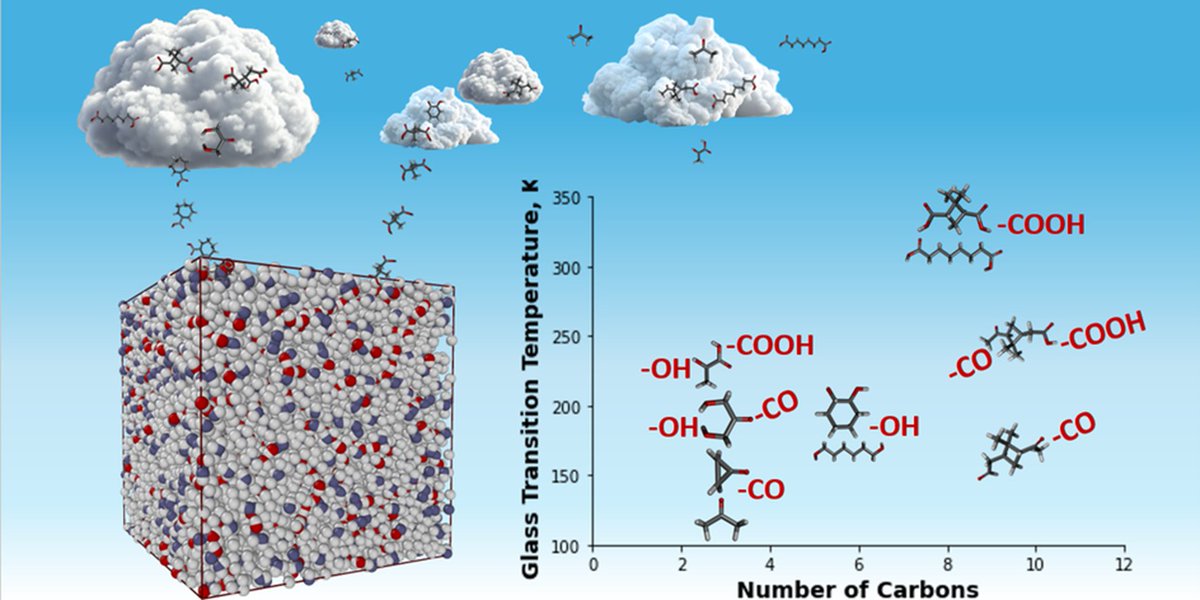
Siachouli et al. conducted molecular dynamics simulations to predict and parameterize the glass transition temperature of atmospheric organic compounds. High sensitivity to the type of functional groups was found.
@ELIDEK_HFRI@SNForg@grnet_gr
https://t.co/hULgpCOZYY
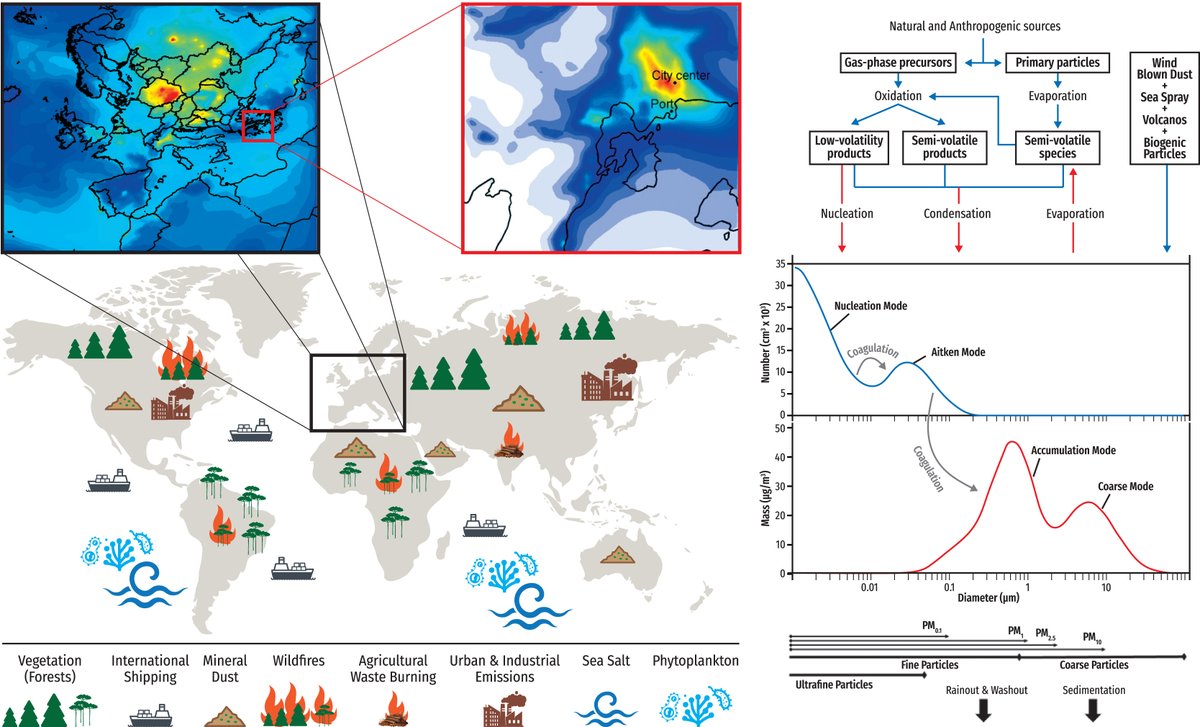
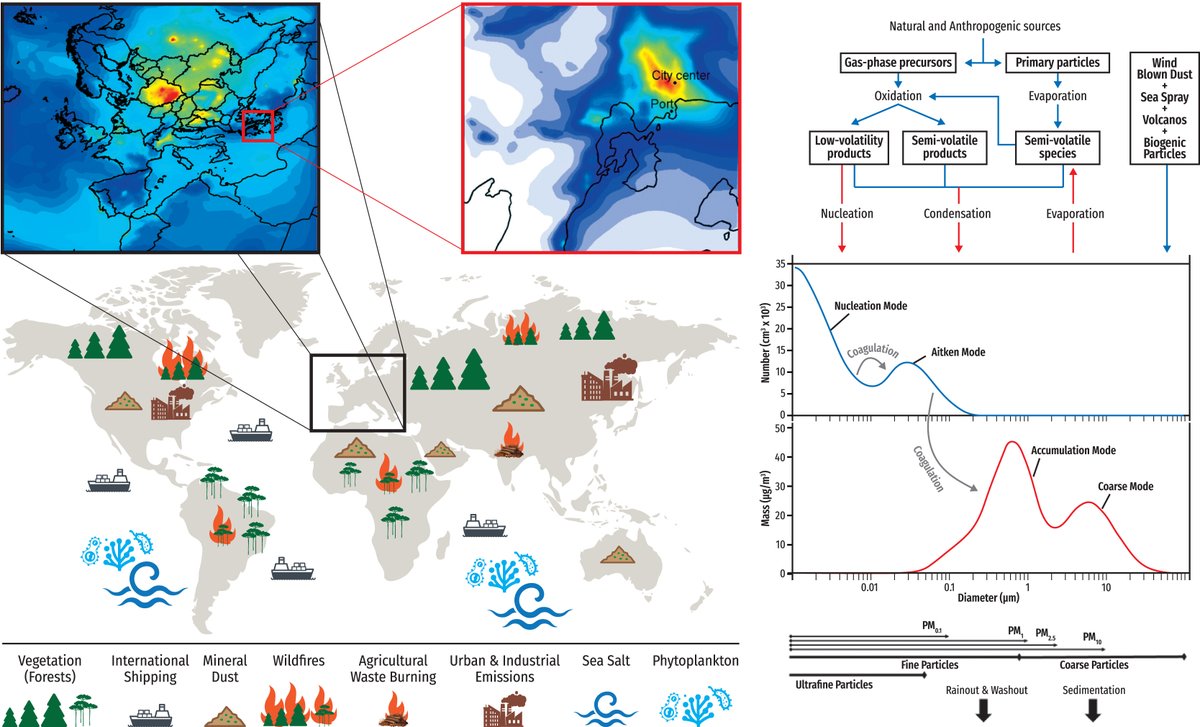
A new Review from Manavi & colleagues bridges aerosol knowledge gaps: Better models, remote sensing & global collaboration can reduce uncertainty & improve air quality. Low-cost sensors could be game-changers for data-scarce regions. Read here: https://t.co/VFUImPf1ko
Manavi et al. reviewed our present understanding and the knowledge gaps of the variability of aerosol mass and number concentrations at urban, regional, and global scales. Their various impacts are also discussed.
@EASVOLEE_EU@ELIDEK_HFRI@CleanCloud_HE
https://t.co/HemwRW1ACn
On 5-6 March 2025 the EASVOLEE consortium successfully held its 2nd annual meeting at @FORTH_ITE in Patras. This meeting marked a significant milestone, providing an opportunity for partners to present key updates on the project’s activities.
Read more:
👉https://t.co/O1DnClliuF
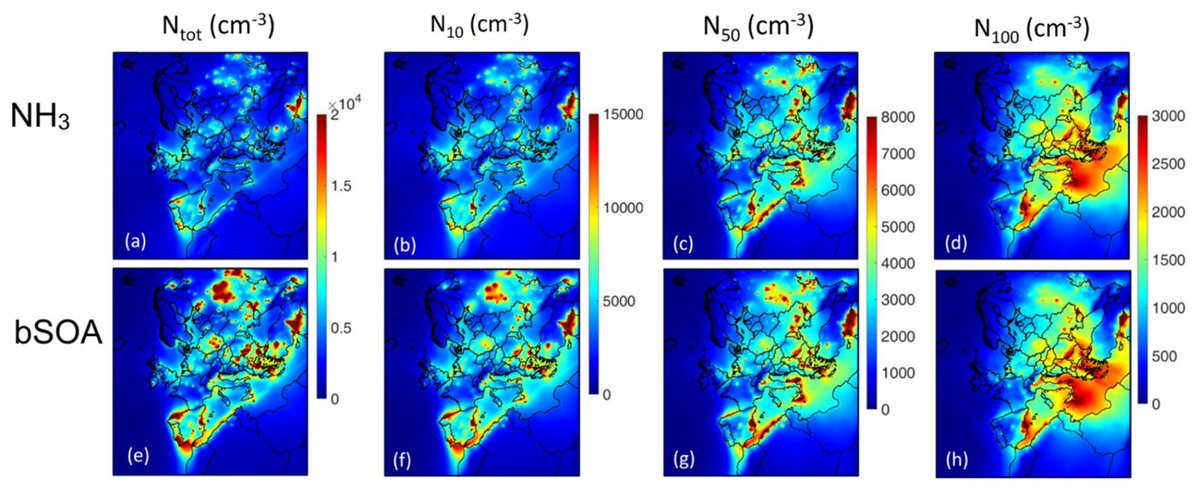
Patoulias et al. used the 3-dimensional chemical transport model PMCAMx-UF to explore the impact of varying nucleation mechanisms (ammonia or biogenic vapor with sulfuric acid) on predicted aerosol number concentrations in Europe.
@ELIDEK_HFRI@RI_URBANS
https://t.co/YKIUEMIwqN
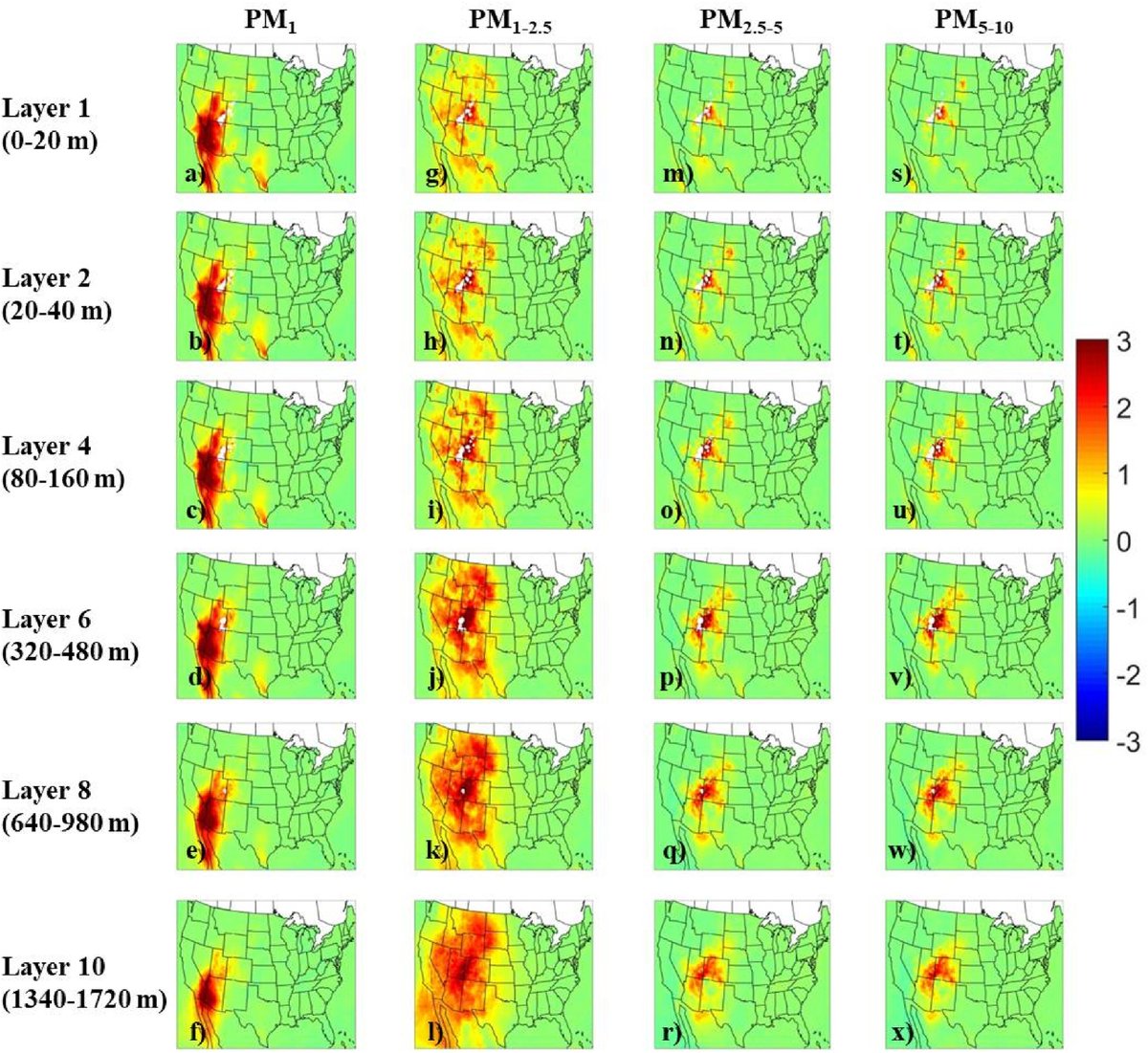
Kakavas et al. explored the effects of wind-blown dust emissions on size-resolved aerosol acidity over the US, using the PMCAMx model. They found that it increases the pH of PM1 by up to 3.5 units during the summer.
@ELIDEK_HFRI@FORCeS_H2020@pyrotrach
https://t.co/OdZh8BHTus
Aktypis et al. conducted dual chamber experiments using ambient air in a polluted and a pristine forested area, and found that the two environments had completely different potentials of forming additional SOA.
@FORCeS_H2020@atmo_access@ELIDEK_HFRI
https://t.co/fnYiW0FVA8
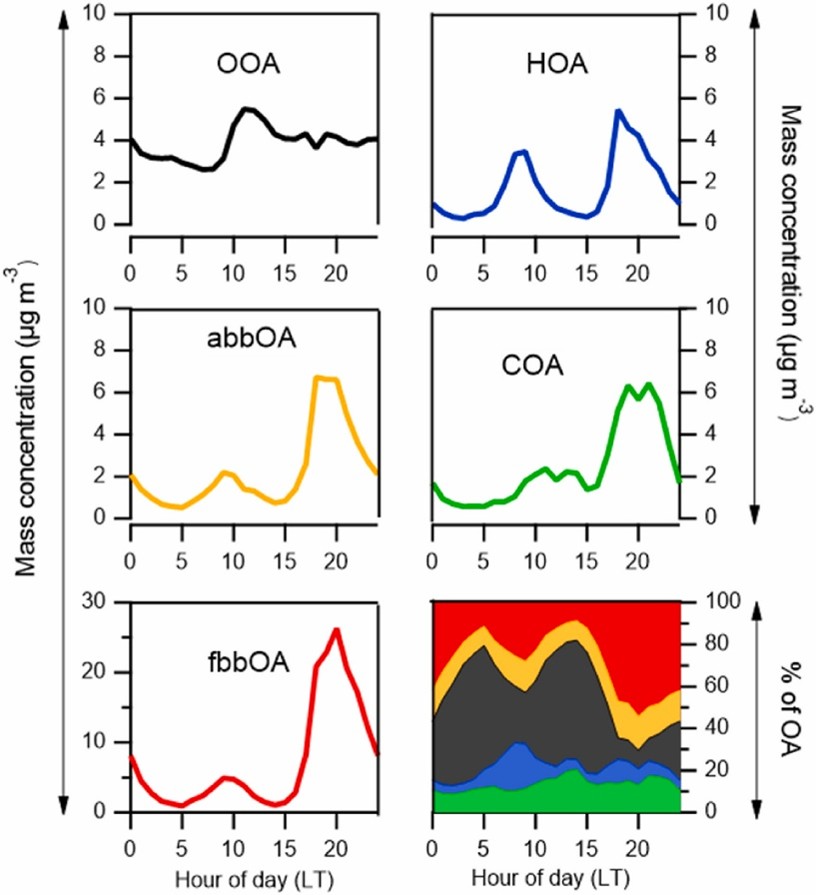
Kaltsonoudis et al. found that biomass burning OA from residential burning ages rapidly during the night in an urban Mediterranean area during winter. This aging leads to elevated oxidative potential.
@ELIDEK_HFRI@pyrotrach
https://t.co/KlJv0XLq5F
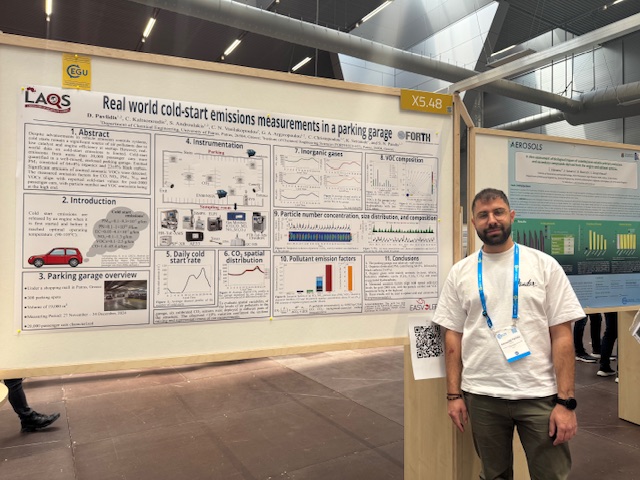
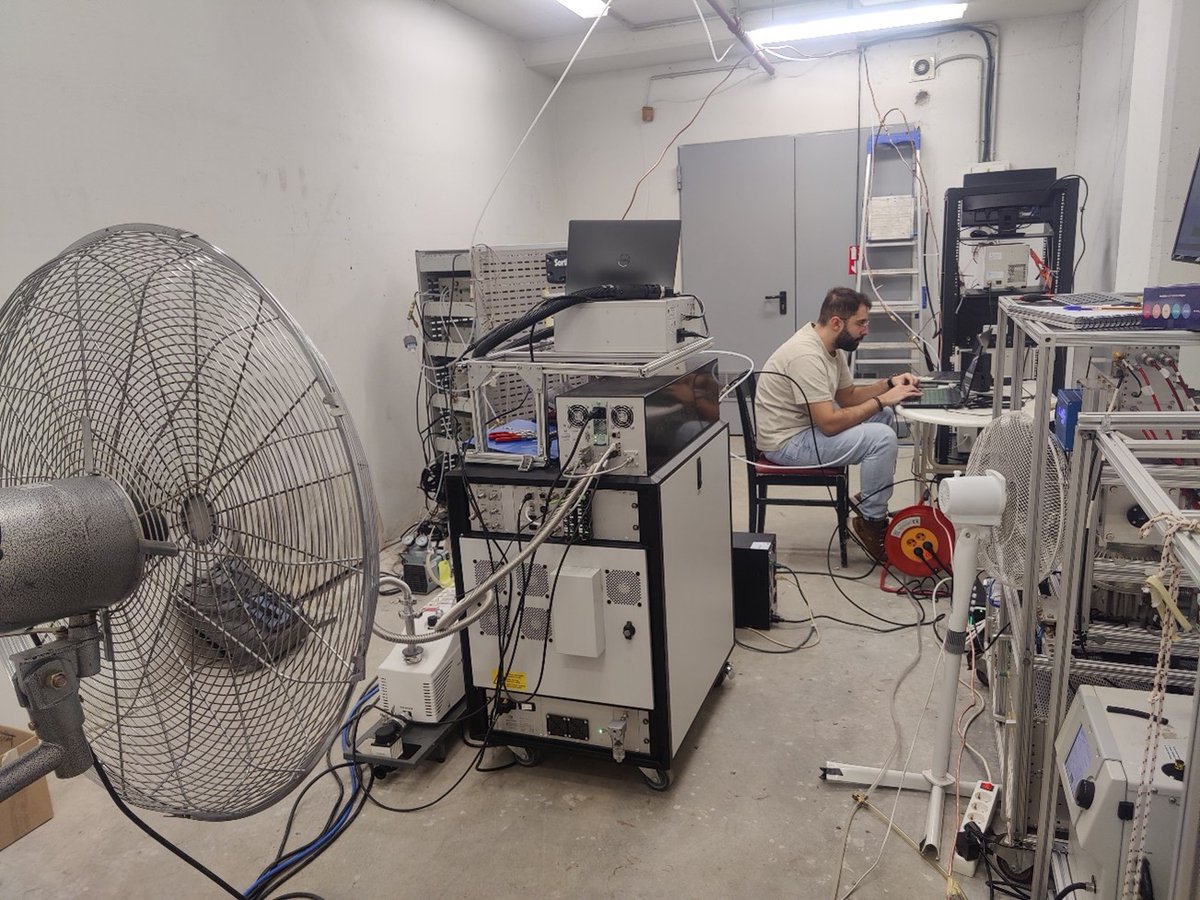
During December 2024, @EASVOLEE_EU conducted the campaign of vehicle emission measurements under realistic environments in the biggest indoor parking facility in Patras, Greece, focusing on emissions during the "cold start". The results are forthcoming…
@FORTH_ITE@PSI_LAC
We put together a musical diary of 2024 highlighting activities carried by our amazing teams at EPFL & FORTH. Enjoy with our warmest wishes for an equally amazing 2025!
Video link 👉 https://t.co/1wGoH2uvej
@FORTH_ITE@EPFL_en@epflENAC@snsf_ch@ERC_Research@cstacc@HorizonEU