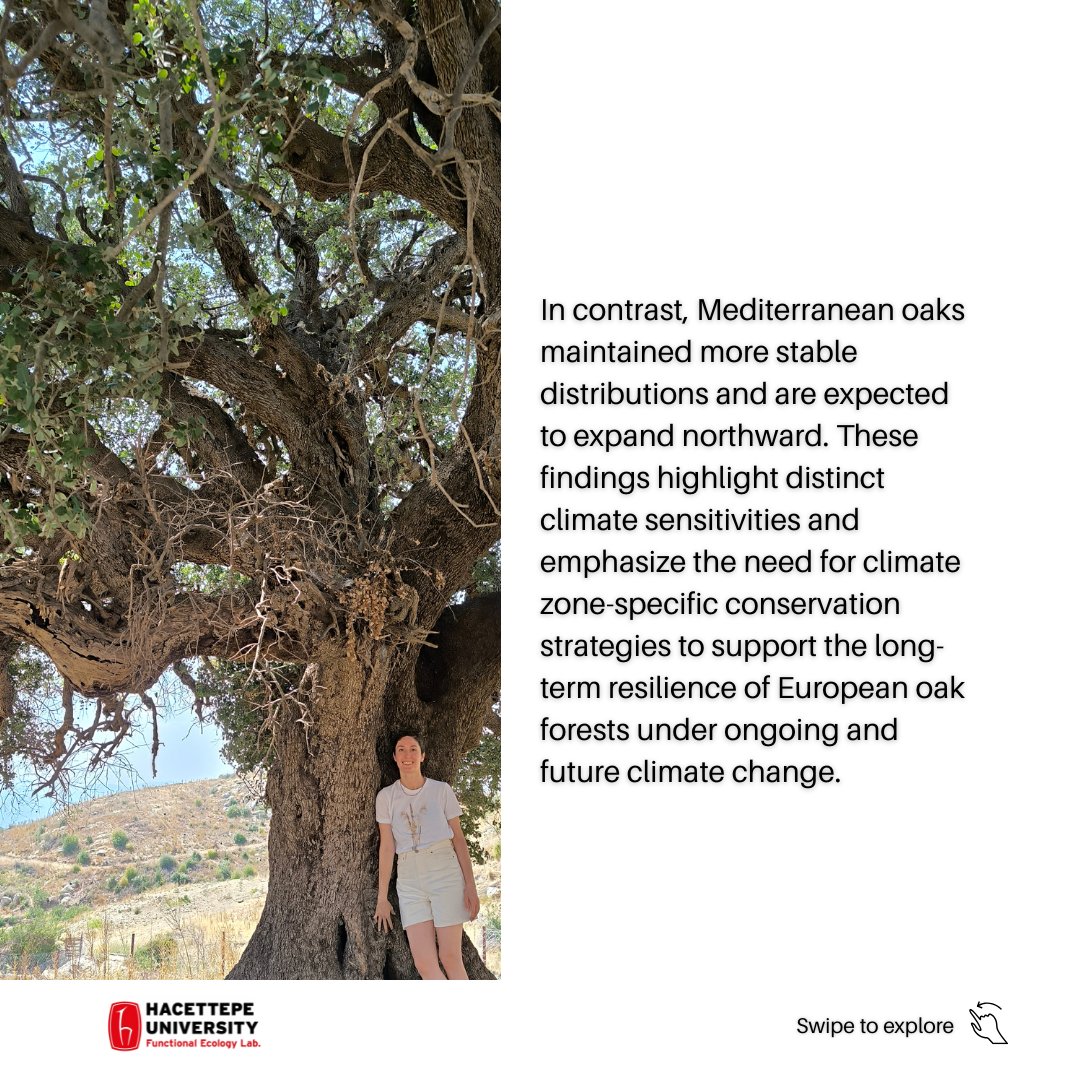
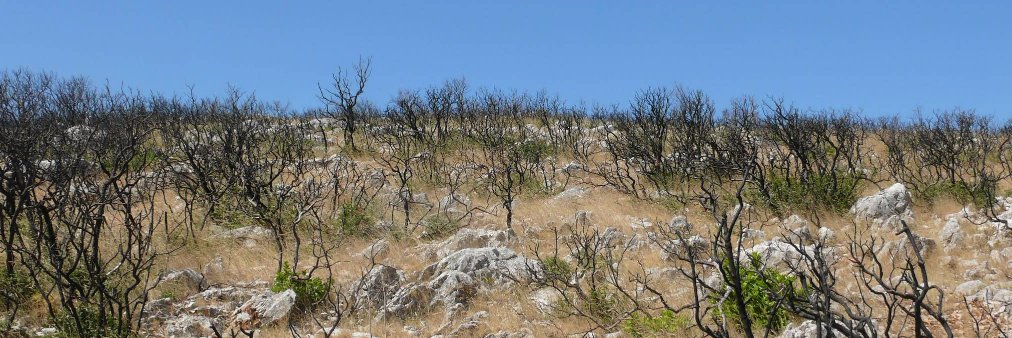
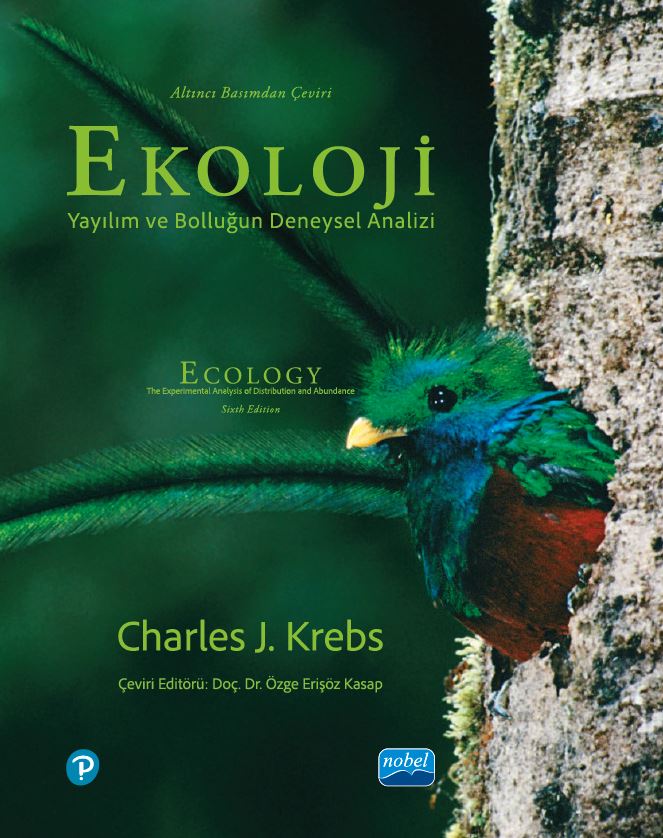
Çeviri ekibinde yer aldığım C.J. Krebs'in Ekoloji kitabının Türkçe çevirisi çıktı. Çeviriyi, çoğu @ekoevoder üyesi çok sayıda ekolog ile birlikte, ekolojik terimlerin Türkçe karşılıkları üzerine yoğun tartışmalar yürüterek ve büyük bir özenle yaptık. İlgilenenlere tavsiye ederim.
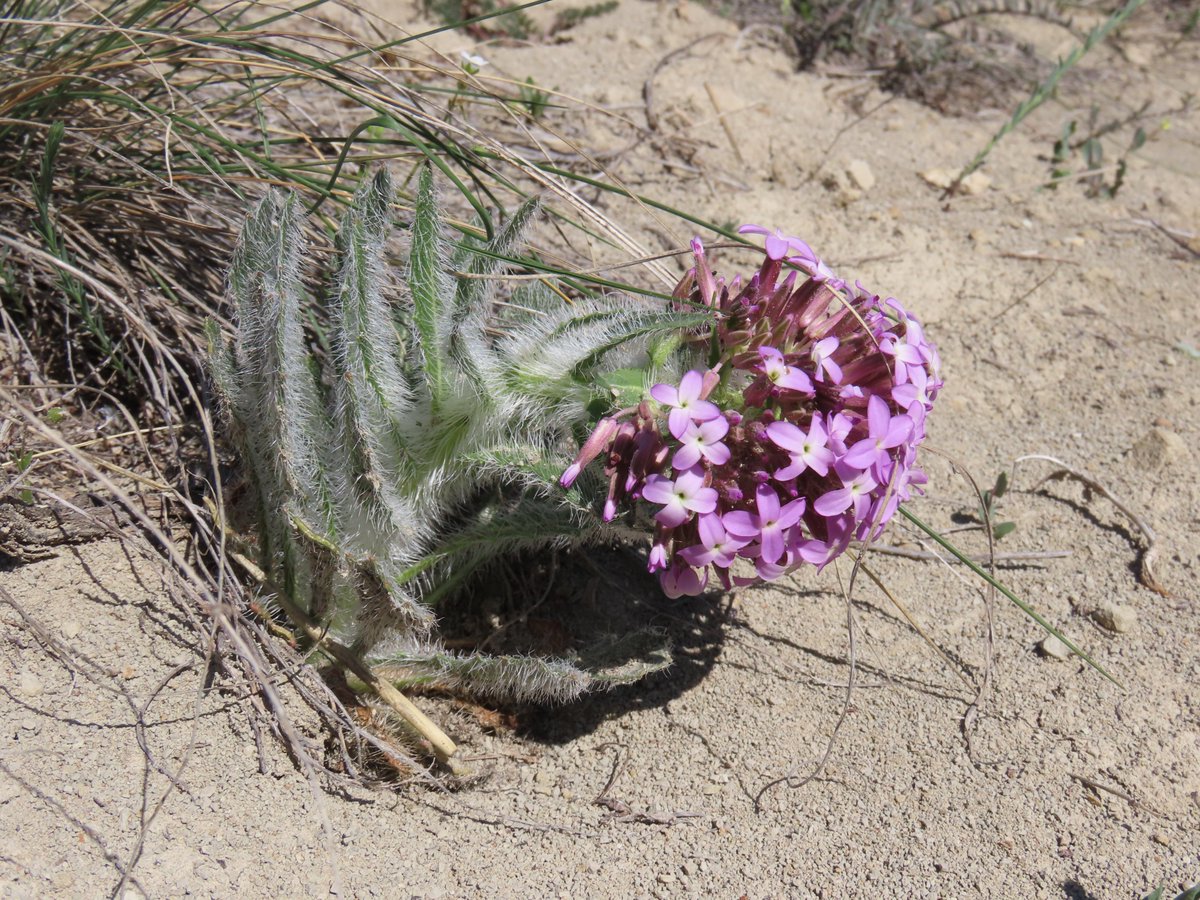
Bundan 15-20 milyon yıl önceki sıcak göllerin canlıları artık birer fosil iken, aktopraklara dönen bu yerler artık nadir bitkilerin yurtları! #Anadolumanzaraları#Darende
This semester, three MSc students from our lab successfully completed their seminar presentations, covering topics from fire ecology and ecological data analysis to species distribution modelling.
Congratulations and best wishes for their upcoming thesis research!👀
Bilim ve Gelecek’in Haziran sayısı güçlü bir dosya ve zengin bir içerikle çıkıyor.
Bilindiği gibi Bilim ve Gelecek’in ayın başında okurların eline ulaşmasına özen gösteriyoruz. Fakat Mayıs ayının son 9 günü bayram tatili dolayısıyla matbaamız çalışmadığı için dergimiz ancak 1 Haziran günü basılmaya başlayacak. Bu, derginin çıkışının 3-4 gün kadar gecikeceği anlamına geliyor. Elimizde olmayan bu gecikme dolayısıyla okurlarımızdan özür diliyoruz.
So I spent some time studying the new Twitter/X algorithm today since the latest version was published about a week ago on Github (https://t.co/3jzdav3Ywp).
My goal was to answer why so many people have seemingly seen such a dramatic drop in their posts' reach.
The first answer, which is actually somewhat unrelated to the ranking algorithm on Github, is the auto-translate feature, rolled out worldwide on April 7, 2026 (https://t.co/YtGomG9RGz).
Before that date, if you wrote in English about, say, the Trump-Xi Beijing summit, you were competing for attention with maybe 5,000 other English-language accounts writing on geopolitics.
After that date, your post is competing for attention with other posts on the same topic IN EVERY LANGUAGE ON EARTH. For some topics that do command global attention like geopolitics, that's a very brutal multiplier: you used to be one of 5,000, you're suddenly one of 50,000 (something of that order): MUCH more difficult to stand out.
Secondly, the number of followers you have matters far less than it used to: each post now has to earn its audience reader by reader, on the predicted engagement of the post, and how its topic matches what each reader has recently been engaging with.
Here is how the algorithm works, in simple terms: when you, as a reader, open your feed, the algorithm doesn't load "posts from accounts you follow." Instead it runs a 2-stage prediction of what posts you're likely to engage with in that very moment.
The first stage is the retrieval stage. The system narrows billions of posts on X/Twitter that day down to roughly 1,500 candidates by matching the semantic content of each post - what it's about - against what you as a reader have recently engaged with. Some candidate posts come from accounts you follow; others are pulled from across the platform by pure topic similarity to your recent interests.
You can test this retrieval stage easily: start disproportionally engaging with - say - Brad Pitt videos and you'll bit by bit see your timeline flooded with Brad Pitt content, most of it from accounts you've never followed and never heard of.
Then there's the ranking stage. Each of these candidate posts for your feed is fed through a Grok-based model that tries to understand if you'll engage with the post.
It looks at 15 engagement metrics:
1) P(favorite) — the reader likes the post
2) P(reply) — the reader replies to it
3) P(repost) — the reader reposts it
4) P(quote) — the reader quote-tweets it
5) P(click) — the reader clicks a link in it
6) P(profile_click) — the reader taps through to your profile
7) P(video_view) — the reader watches the video
8) P(photo_expand) — the reader expands an image
9) P(share) — the reader shares it (DM, off-platform, etc.)
10) P(dwell) — the reader stops scrolling and lingers on the post
11) P(follow_author) — the reader follows you after seeing it
12) P(not_interested) — the reader marks "not interested"
13) P(block_author) — the reader blocks you
14) P(mute_author) — the reader mutes you
15) P(report) — the reader reports the post
Fifteen predicted actions, each multiplied by a weight, summed: that sum is the score that determines in which priority a post will be seen among other candidates.
Please note that posting something with a video or an image can give your post an advantage as 2 actions are specifically for these: video_view and photo_expand. No video or photo and you don't get a score for these. Also, naturally, having a video maximizes the chance that a user will "dwell" on your post to watch it.
Also note that 4 of these actions carry negative weights (not_interested, block_author, mute_author and report): meaning that if the model expects a post to generate a lot of negativity, it'll get de-boosted quite dramatically.
But note, first and foremost, what's NOT in there: none of the things that, naively, one might think a serious information platform would weigh. There is no P(this post is true and well-sourced). No P(the author actually knows what they're talking about). No P(this person has spent a decade building a body of work that has held up). No P(this account has earned the right to be taken seriously on this topic). No P(the author has a large following from credible people). The model does not seem to care - at all - about any of that.
Every post starts from zero. You could have ten years of rigorous, well-sourced analysis behind you - or you could be just an uneducated rando who registered yesterday. To this algorithm, you're both just a bag of engagement probabilities.
Now, sure, to be fair, there is a "brand" effect that's not covered by the algorithm: someone who has in fact built a brand will naturally have better engagement metrics because people recognize their account. But that's an indirect, second-order effect. And crucially, it's legacy: those "brands" were built under earlier versions of the algorithm that gave followers and reputation more weight.
Lastly, several other features of the new algorithm compound the dilution, none of them visible from outside but all consequential.
The May 15 update added an "impression bloom filter," tightening the rule that once a reader has been served a post, the system won't serve it to them again. Before, a strong post could marinate in someone's feed across multiple refreshes and accumulate engagement on the second or third pass. Now it basically gets one shot.
Also, your own posts compete with each other. An "Author Diversity Scorer" inside the ranking stage attenuates the score of every subsequent post of yours that ends up in a reader's candidate pool. In plain terms: if multiple of your posts land in a reader's candidate pool, the system shows one at full strength and dampens the others. So don't post several times consecutively on the same topic.
And, last but not least, another huge impact on reach is that, in the old algorithm, when someone reposted or quote-tweeted you, your post was broadcast to their followers' timelines - a repost from an account with 100,000 followers was a huge boost.
In the new algorithm, that mechanism is vastly demoted: reposts - like every post - need to go through the retrieval and ranking stage mentioned above, so a repost from a big account is a long way from the boost it used to be.
This is especially brutal for low-effort quote tweets, which used to function as cheap amplification: now they often can't even clear the retrieval stage - they simply don't contain enough novel semantic content for the system to match them to anyone's interests.
So, putting it all together, the reach collapse comes from many forces stacking at once:
- Auto-translate makes your posts compete for attention against an order of magnitude more content
- The retrieval stage matches posts by topic, not by who follows you
- The ranking stage scores purely on predicted engagement with no weight for credibility, expertise, or track record
- The bloom filter narrows every post's window to one strong shot
- The diversity scorer penalizes prolific posting
- Reposts no longer carry much distribution power
Each of these alone would dent your reach. Combined, they amount to a complete reset: your audience that you built painstakingly over years basically doesn't matter much anymore, and it's much - much - harder to stand out even if you're a big account.
People structurally rewarded by this algorithm are folks who:
- Post visually (videos/images)
- Post on globally popular topics because they clear the retrieval stage easily
- Provoke strong emotional reactions - likes, replies, reposts
- Don't care about accuracy or seriousness because the algorithm doesn't measure it
- Don't care about their existing audience because every post is judged in isolation anyway
In short this new algorithm, like so many on social media, is all about maximizing whether people will engage with something - not about whether they should.
Akseki Gidengelmez Dağı’nda Cengiz Holding’e bağlı ETİ Alüminyum için açılmak istenen boksit madeni için gözler Ankara’da.
60 bin ağacın kesilmesi planlanlanan projeyle ilgili 21 Mayıs’ta İDK toplantısı yapılacak.
Yöre halkı maden yıkımı istemiyor.
https://t.co/TVyDFsVJhs
Bu gibi varlıklar, uzun dönem boyunca çürümüş basında, sosyal medyada parlatıldı, gazeteci-yorumcu sıfatı yakıştırıldı, toplumumuz bunlara maruz bırakıldı. Ne yazık ki, halen TVler bunun gibi, arkasını iktidara dayamış ve beş para etmez fikirleri ile yargı dağıtanlarla dolu.
İlk taşı en günahkar olanlar attı: Bir Rasim Ozan Kütahyalı dramı
Öyle bir kuraklık içindeydiler ki, hem Gülenciler hem de AKP’liler ona dahi el verdiler. Bugün her ne olduysa, onlar sayesinde oldu. Fethullahçılar köşe verdi, Erdoğan ise çocuklarının ismini koyacak kadar yakın himayesine aldı. Sonrasında adı her tür rezillikle anılıp kullanım değeri giderek azalınca, AKP içi kavganın arasında "bahis" gümbürtüsüne gitti, ona yakışan şekilde.
https://t.co/GT24bkLL90
Madenlere kurban edilemeyecek kadar önemli yerler!
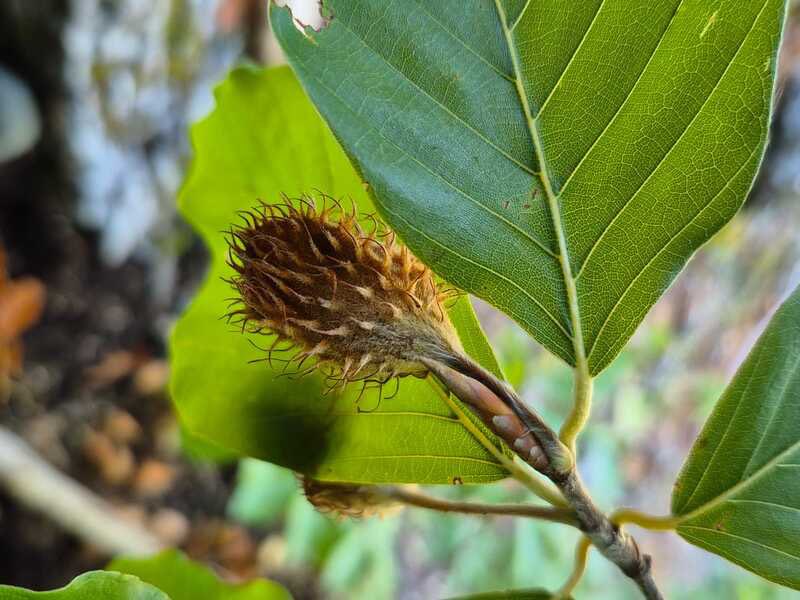
Bu keşif, Anadolu dağlarının iklimsel heterojenliği hakkında bize ipuçları veriyor. Ağaçlara iklim sığınağı olabilmiş bu alanlar, gelecekte de iklim değişikliği karşısında bitki ve hayvan türleri için bir sığınak olacaktır.
Gidengelmez’de doğu kayını keşfedildi!
Antalya Akseki’de Cengiz Holdinge ait ETİ Alüminyum için ruhsat verilen maden sahasına yakın bölgede sıra dışı bir keşif yapıldı. Ekim 2025’de bu bölgede keşfedilen doğu kayını, türün yayılışı konusunda yeni bulgu olarak literatüre girdi.⬇️
Our latest paper is out!
This study explores how plant communities in the Central Anatolian steppe are structured through functional traits 🌾
https://t.co/ecDv6Et3ru
Dijital radikalleşme, bilgisayar oyunları, sosyal medya ve çevrimiçi faktörlerin aşırı ideolojiler, şiddet ve silahlı davranışlara etkisiyle ilgili uzun soluklu bir TÜBİTAK1001 projesini geçen sene bitirmiştik.
Son olaylar hepimizi üzdü; çok sayıda da uzman hocamız kendi alanlarından önemli bulguları burada paylaştı. Ben de üzerinde 8-9 yılı bulan orijinal veri toplayarak ve farklı ülkeleri karşılaştırarak tamamladığımız büyük ölçekli Tübitak projemizden bazı gözlemler paylaşmak isterim, tartışmaya biraz faydası olması açısından.
Türkiye'nin sadece %0,2si Pülümür, tüm ülkenin bitki çeşitliliğinin %10'una sahip. Böylesine zengin bir biyoçeşitlilik! Ve ekonomiyse de ekonomi: arıcılık, hayvancılık ve doğa turizmi.. Pülümür'de krom madeniyle yok edilecek bir karış habitat yok! #pülümürdemadenistemiyoruz
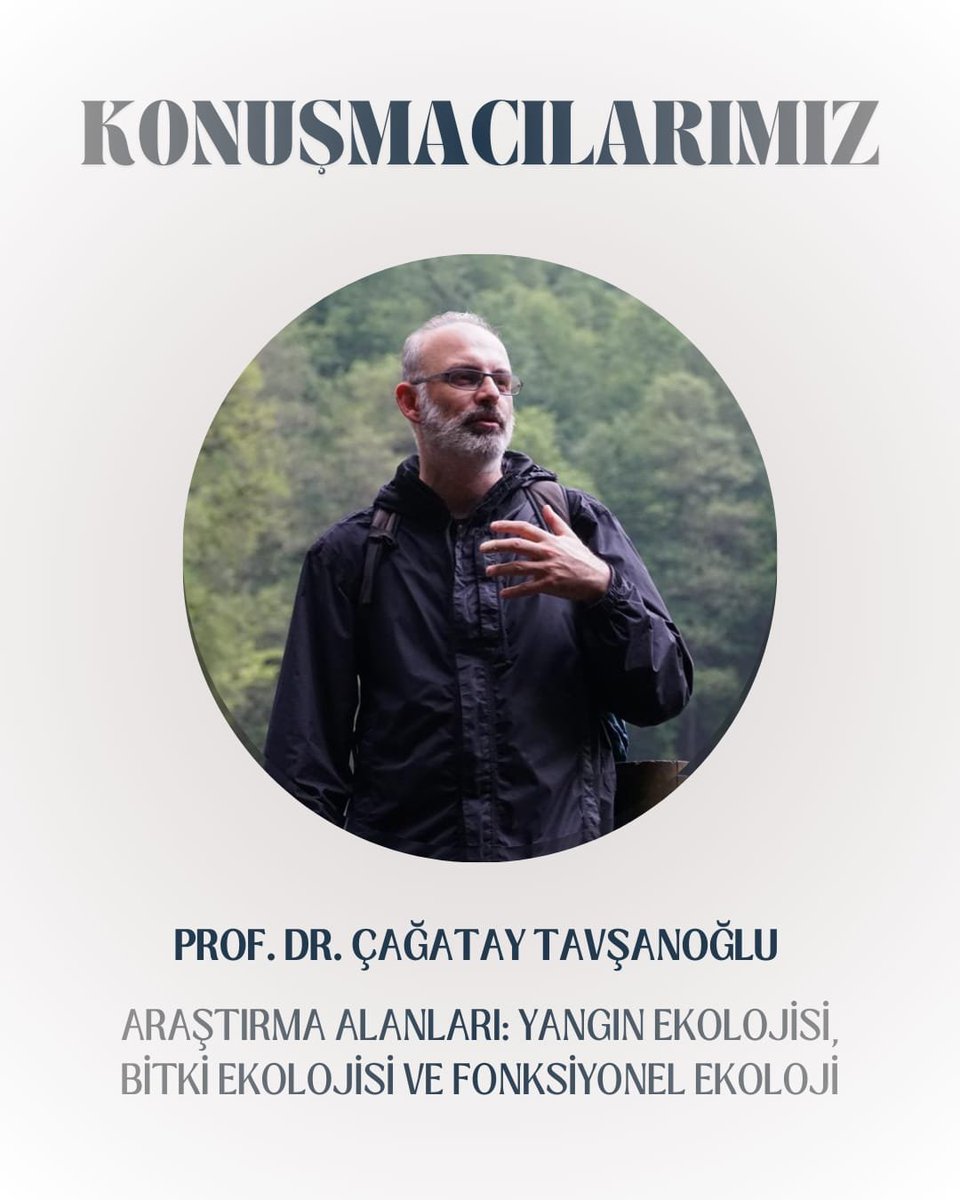
7 Mart'ta Hacettepe Ü. Ekoloji Grubu Topluluğu ile Kahraman hocanın moderatörlüğünde @CTavsanoglu ile beraber iklim krizini tartışıyoruz.
#İklimMeselesi'ni dert edinen Ankaralıları @zurafaPSM'ye bekliyoruz!
Katılmak için kayıt linki burada:https://t.co/Pb9toynwHi
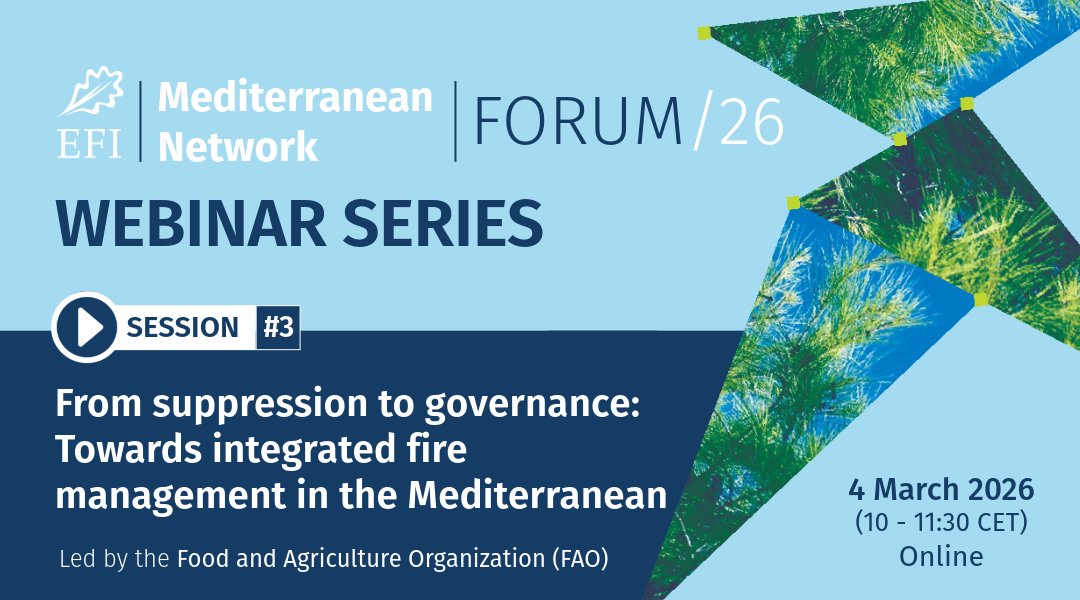
I will be at the EFI Mediterranean Network Forum/26 webinar on 4 March 2026 (10:00–11:30 CET) with my talk "Fire-adapted Mediterranean ecosystems and implications for management".
Registration (required to join): https://t.co/jcuvsQrccU
#fireecology#wildfire#Mediterranean
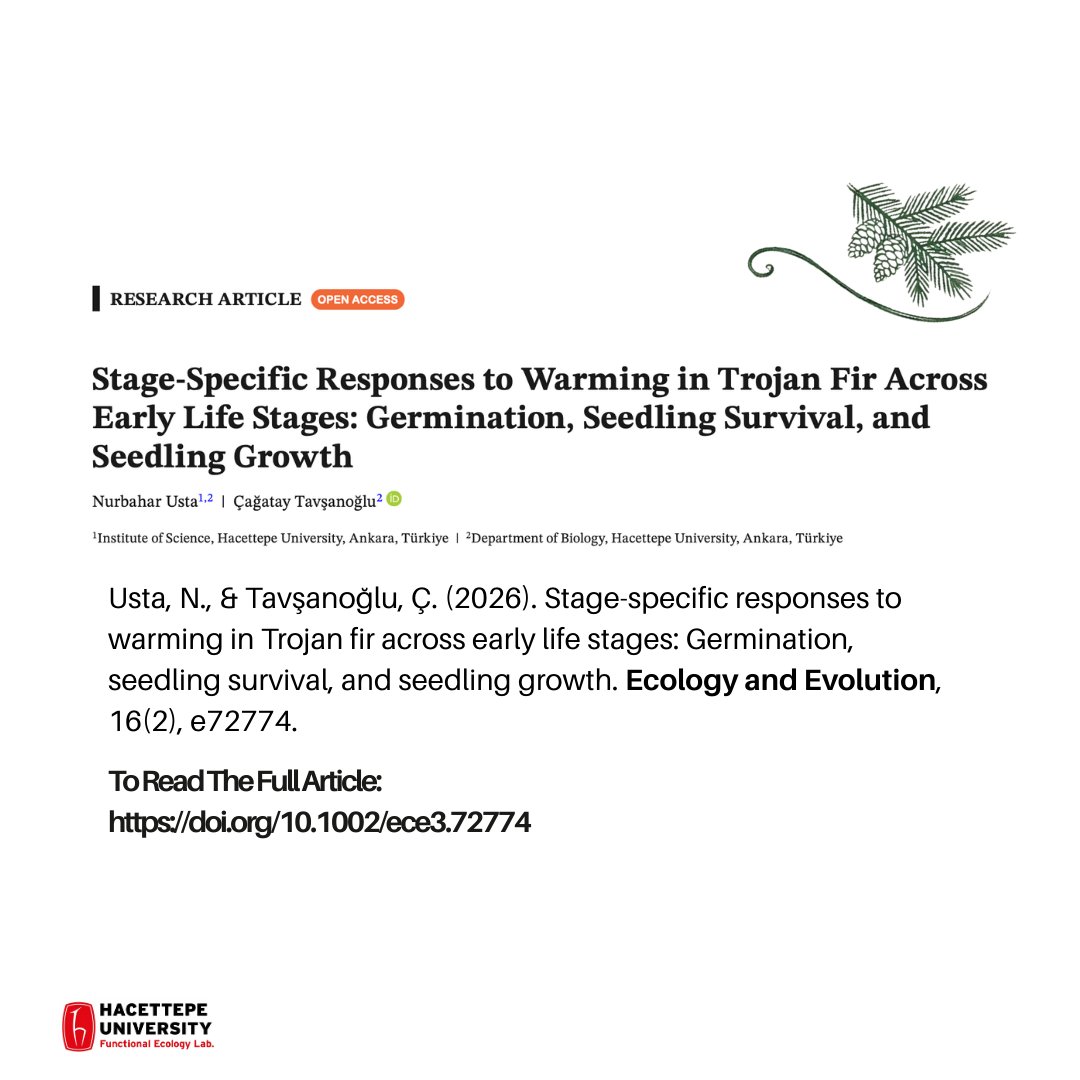
🌲 New publication from our lab! 🌡️
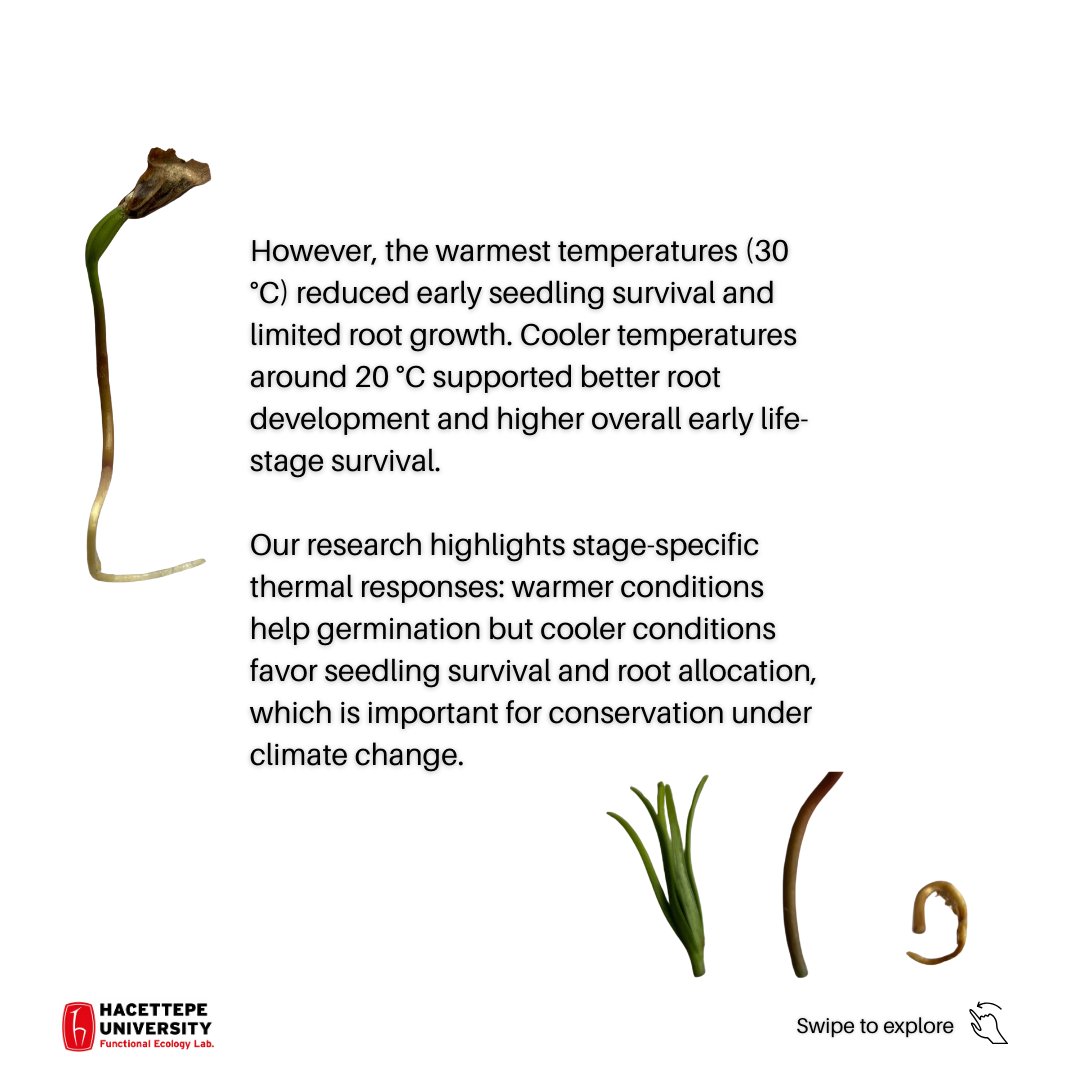
These findings highlight a key trade-off under climate change: warming may support germination, but cooler conditions remain crucial for seedling establishment and long-term persistence.
Find the article here: https://t.co/QaBF0ngaMG
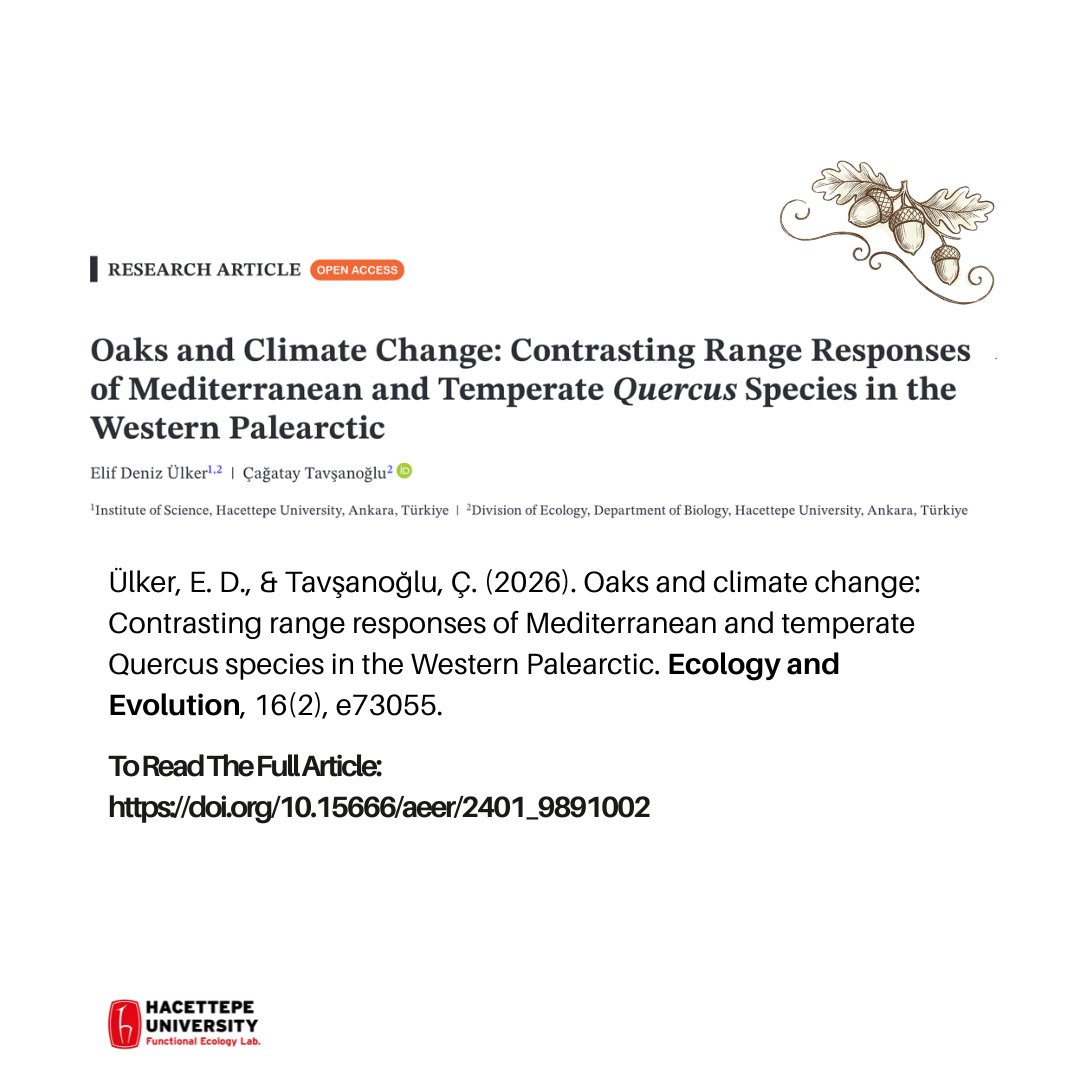
Our first publications of 2026 are out! 👀
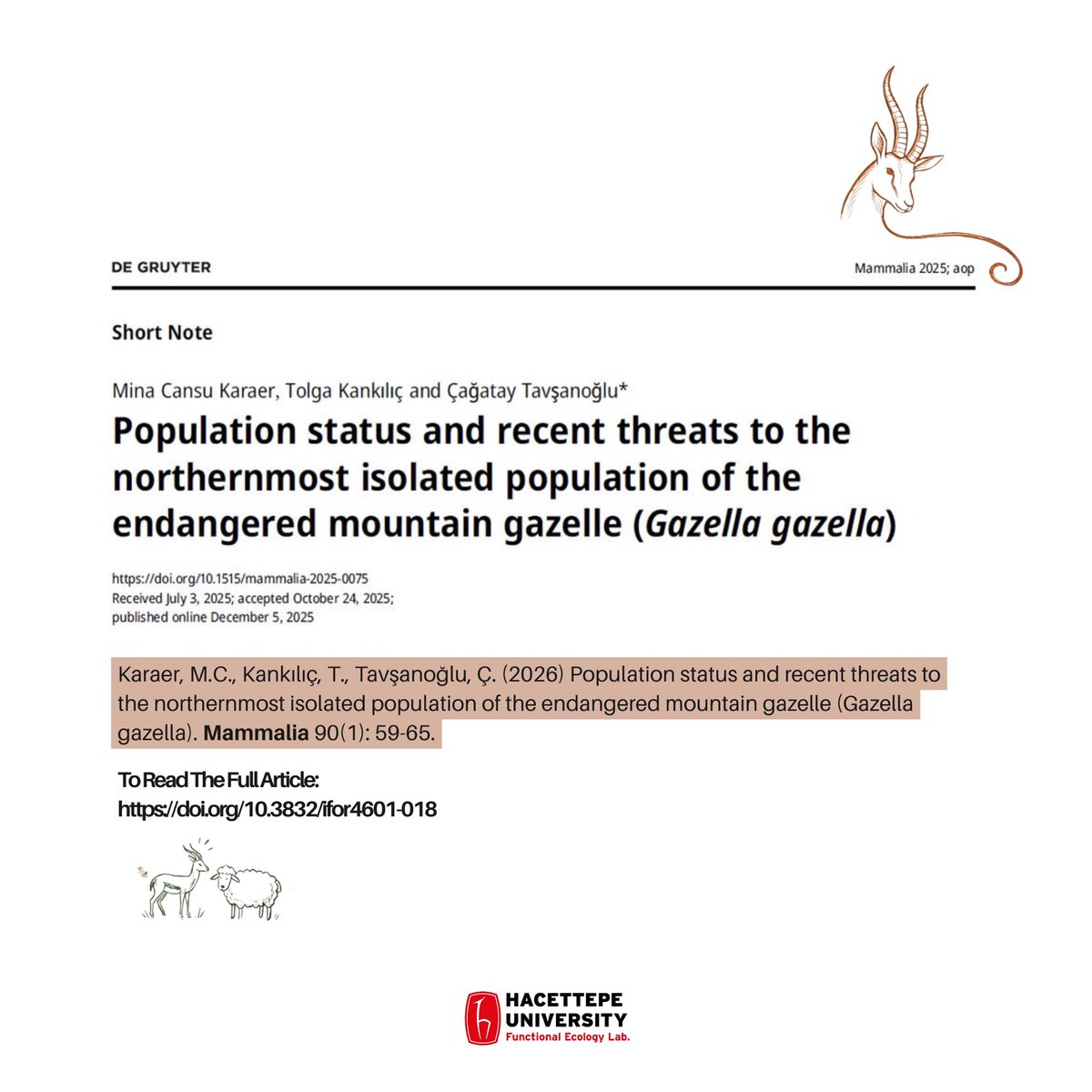
1) 🦌 Population status and recent threats to the northernmost isolated population of the endangered mountain gazelle (Gazella gazella)
Mammalia
Authors: Karaer, M.C.; Kankılıç, T.; Tavşanoğlu, Ç.
Hacettepe Üniversitesi Fonksiyonel Ekoloji Laboratuvarı yaz dönemi staj başvuruları başladı!
Linkteki sayfadan koşullara dair gerekli bilgileri edinebilir, başvurunuzu yapabilirsiniz.
📆 Son başvuru tarihi: 15 Şubat.
🔗 Detaylar için link bio’da.
We are proud to celebrate two great achievements from our lab.
Nurbahar Usta and Cansu Ülgen have successfully defended their PhD theses and graduated. Congratulations to both, and best wishes for their continued academic journeys.
Prof. Dr. Çiğdem Atakuman, NEOGENE projesinin Science’ta yayımlanan çalışmaları üzerinden prehistorik dönemde ve Anadolu’da kadının statüsünü arkeolojik, antropolojik ve genetik verilerle anlatıyor.
📍Unite Ortak Mekan, Cinnah 7A
🗓️15 Kasım 2025 Cumartesi
⌚15.00