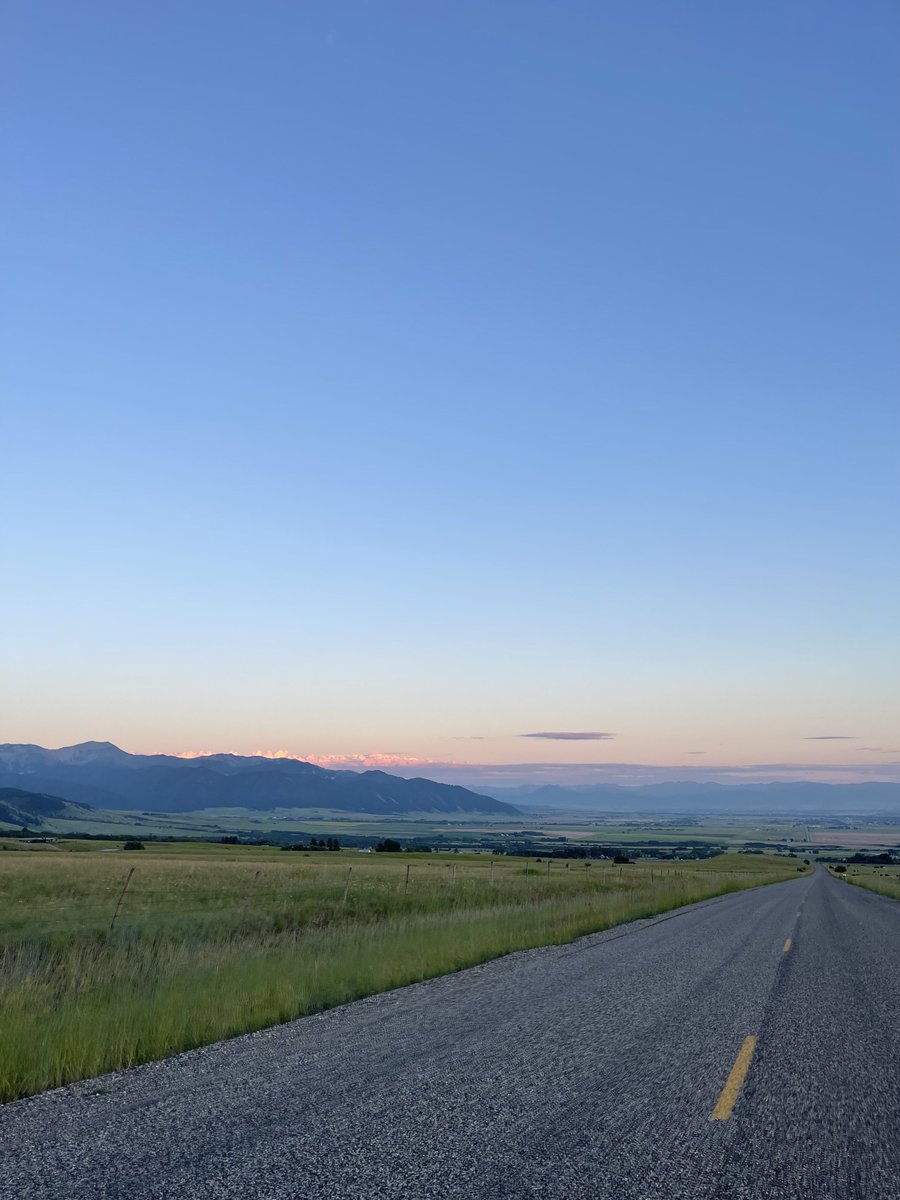
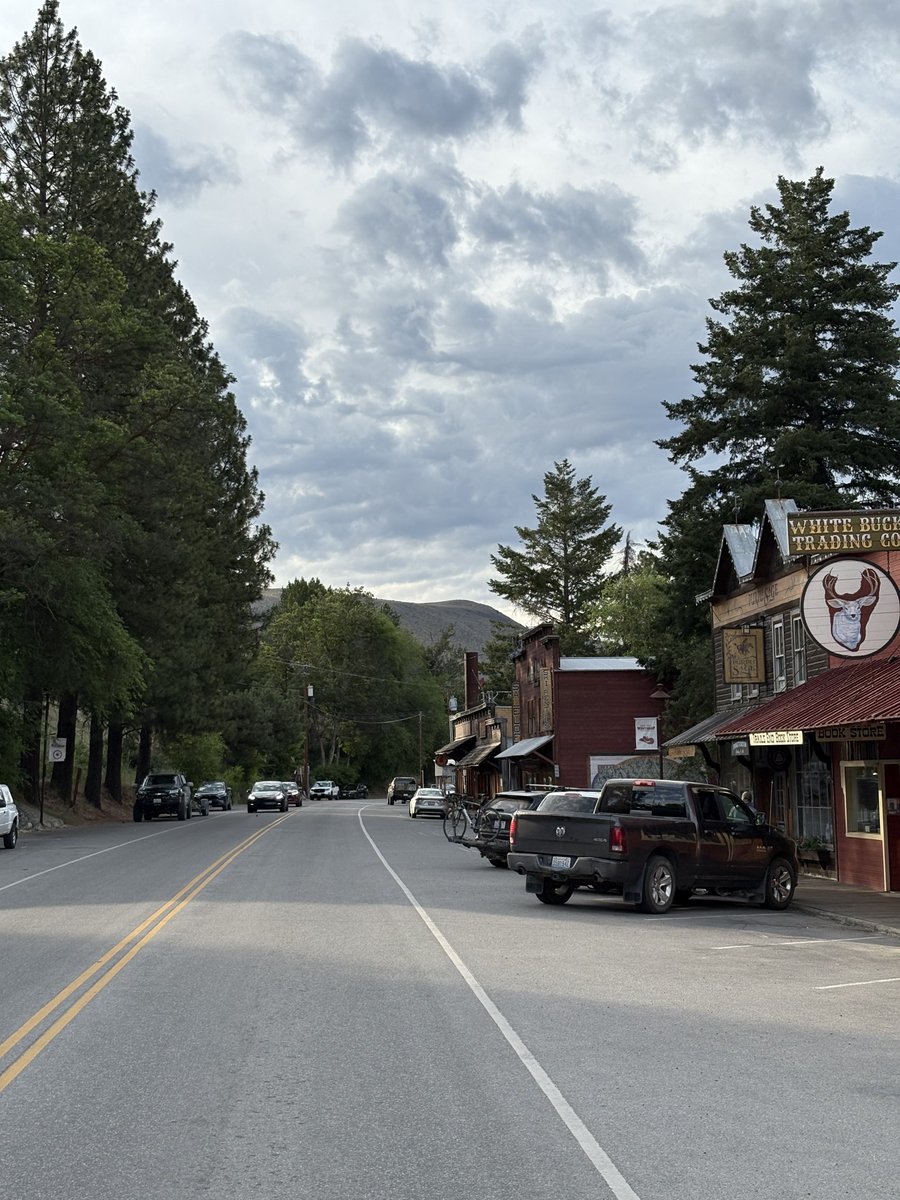
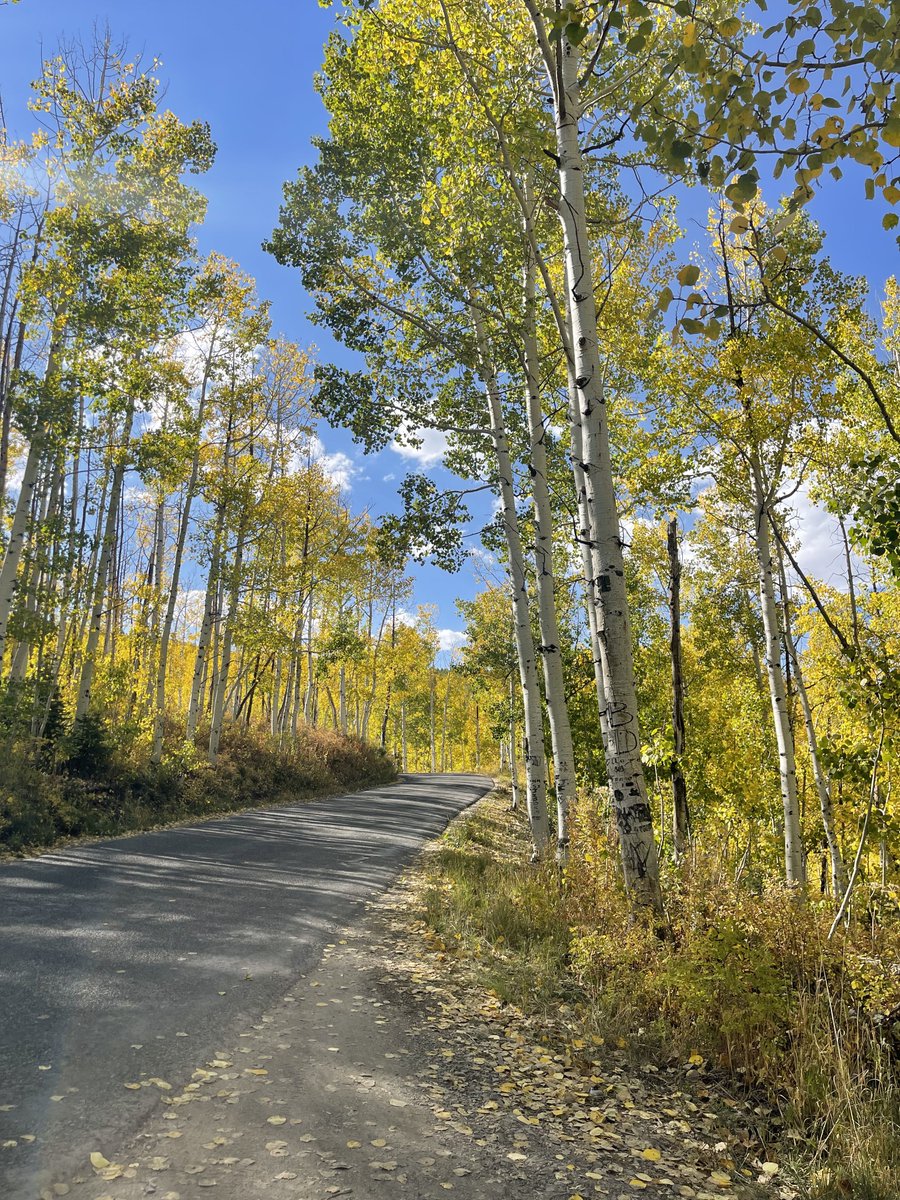
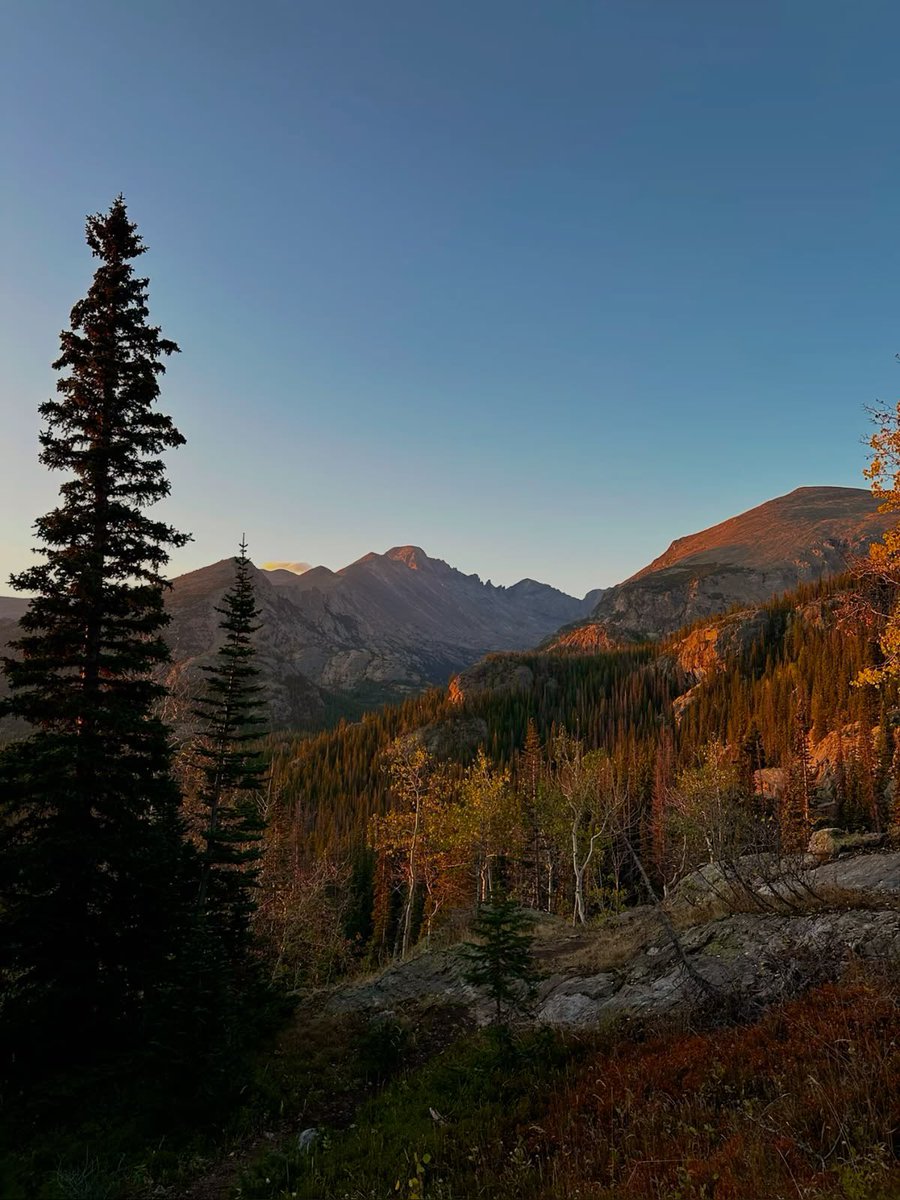
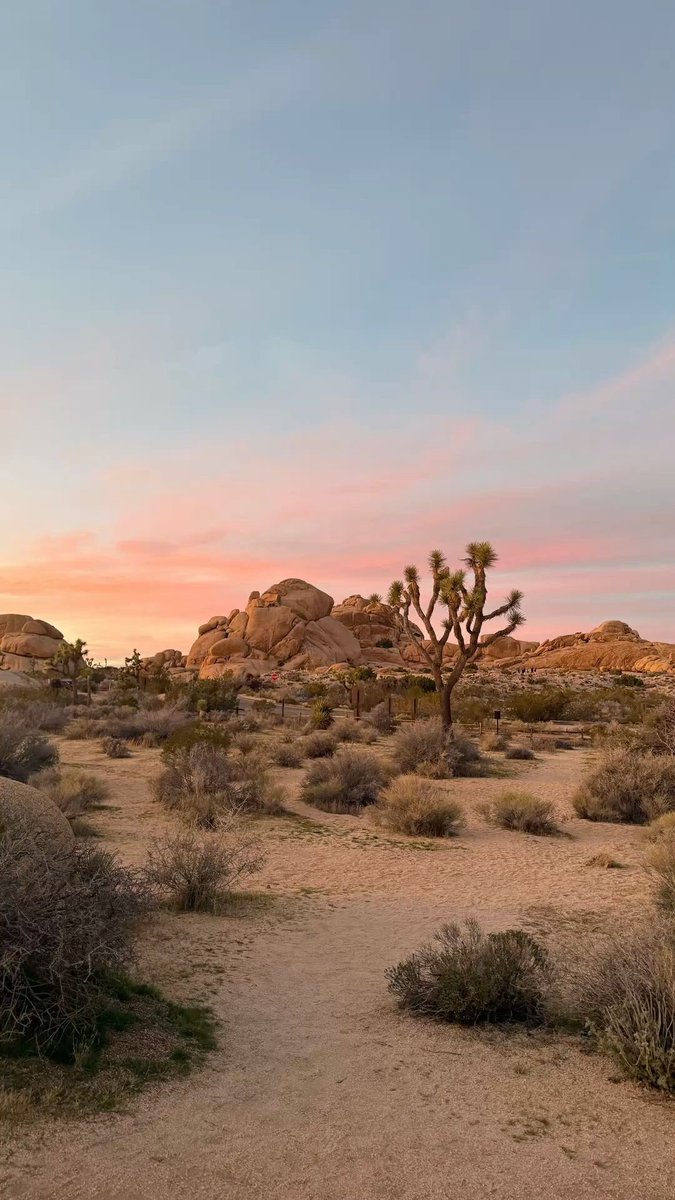
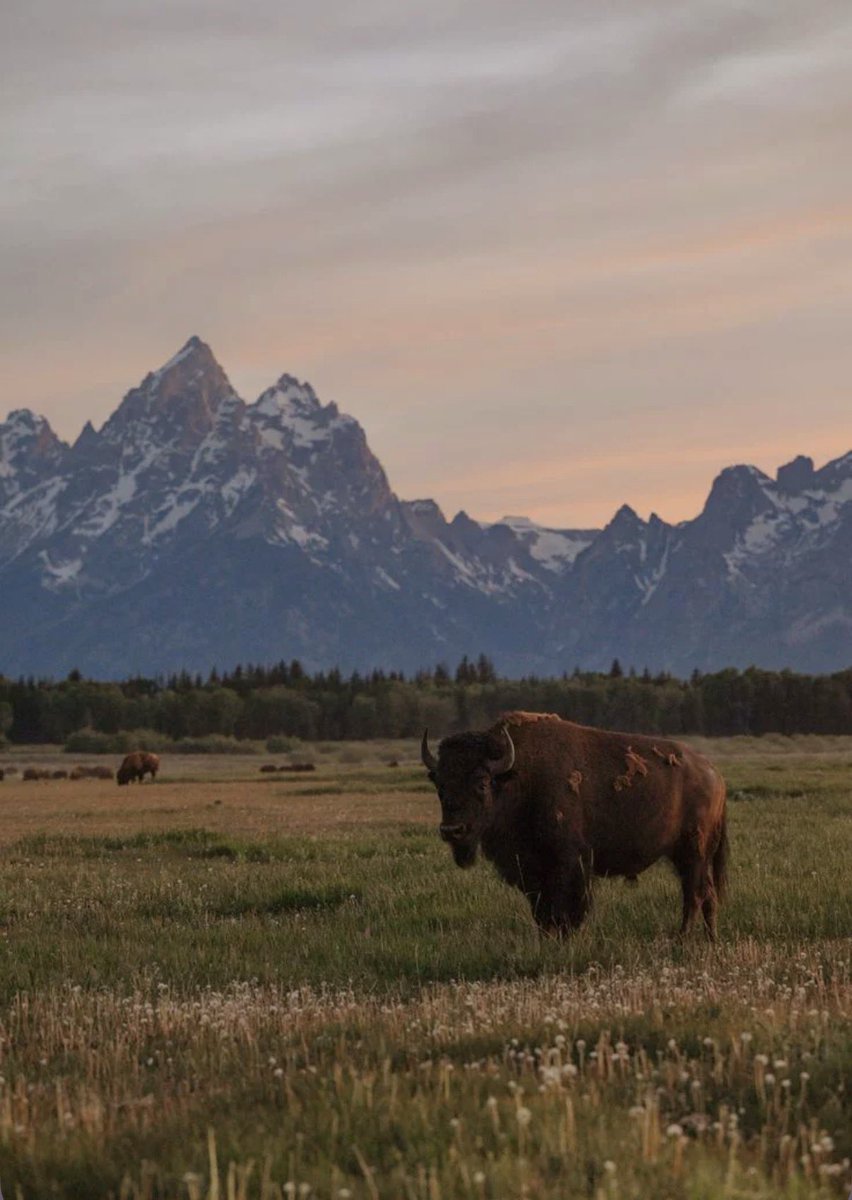
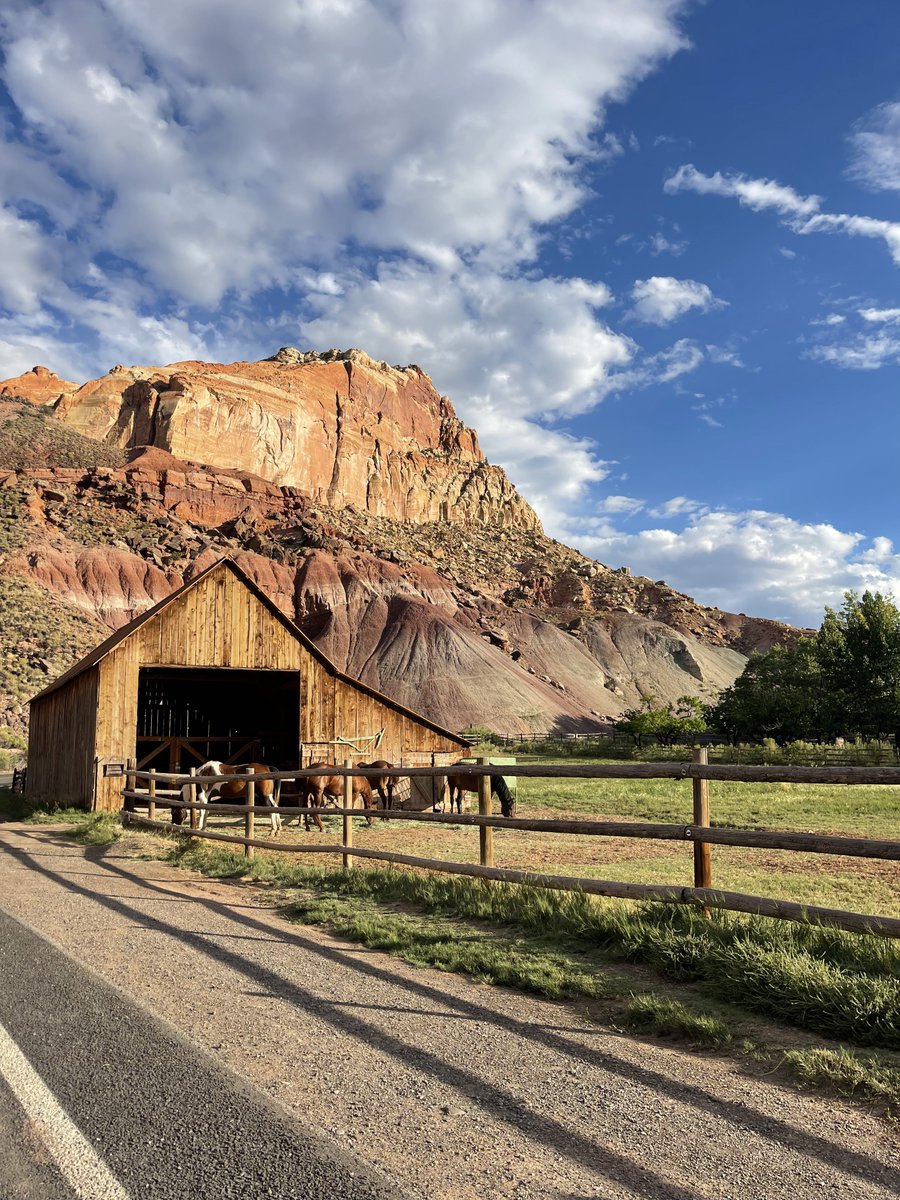
Genuinely this will change your life. You slow down and get into corners of the country you’d never see and realize it’s not all Breezewood
If you’re on a road trip and not in a time crunch you really just shouldn’t be on the freeways. All nav apps have an option to avoid them
A Louisiana resident named Marshawn didn’t hold back today and didn’t care who he offended with what he said. He’s right; this is MAGA’s last gasp for air. The courage of these residents to speak out gives me hope for our future. #DemsUnited
@EQBrowser@0xQuasark I'd be more inclined to take your ramblings seriously if you spelled psychedelics correctly and didn't approach with a fear-mongering tone
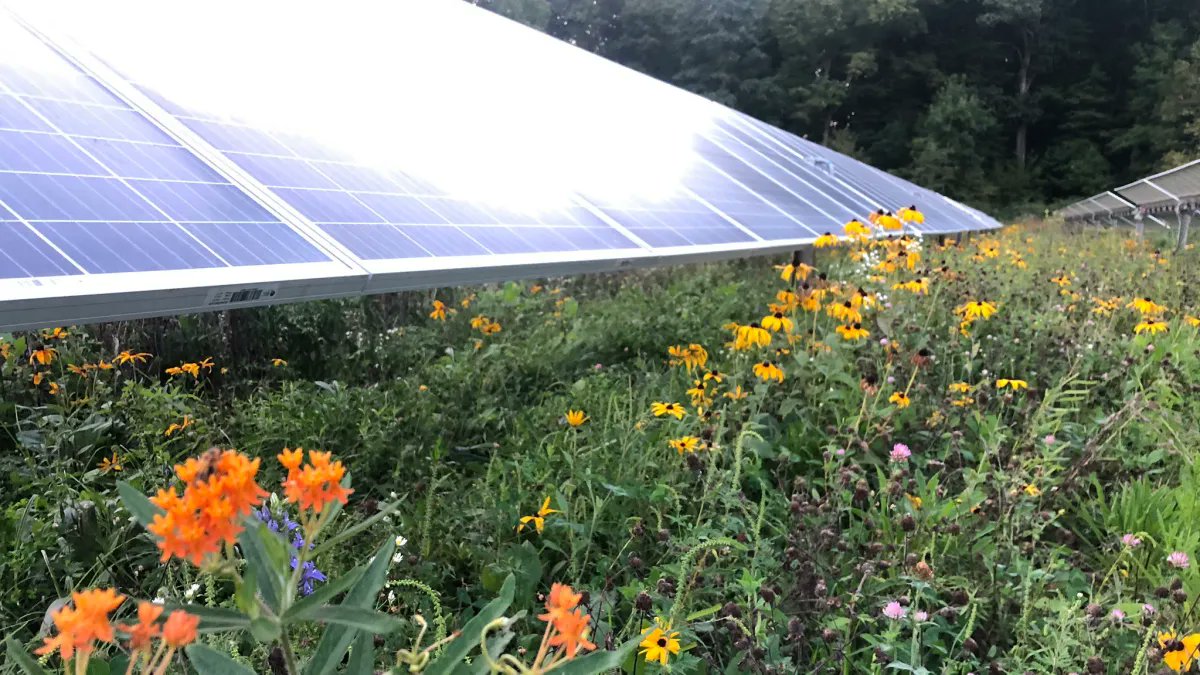
A solar farm in Minnesota planted native wildflowers between its panel rows. Five years later, total insect populations tripled. Native bees increased 20-fold.
Not only did insect populations boom, soybean fields next to the solar arrays got twice as many bee visits as fields farther away.
Two of the things we usually think of as competing turned out to reinforce each other.
One study, published in Environmental Research Letters in late 2024, tracked two utility-scale solar sites built on retired farmland in southern Minnesota, where the developer seeded native prairie species between rows of panels in 2018.
By 2022, the sites looked less like industrial energy infrastructure and more like remnant prairie.
Goldenrod soldier beetles colonized the goldenrod stands. Bumblebees nested in the soil. Monarch butterflies passed through during migration. The wildflower diversity grew sevenfold; insect diversity grew eightfold.
This matters because, like it or not, utility-scale solar is going to take up real space. The US is on track to cover roughly six million acres in panels by 2050.
The default approach is turfgrass, gravel, or herbicide-maintained bare ground, which is ecologically dead.
The Argonne study shows the alternative isn't more expensive or harder to maintain. It's just a different seed mix.
Death Valley National Park is experiencing its first major superbloom in a decade as of March/April 2026, driven by record winter rainfall (1.7 – 2.5+ inches) that transformed the desert landscape with vibrant carpets of yellow, pink, and purple flowers.
https://t.co/YgaHskYSlM
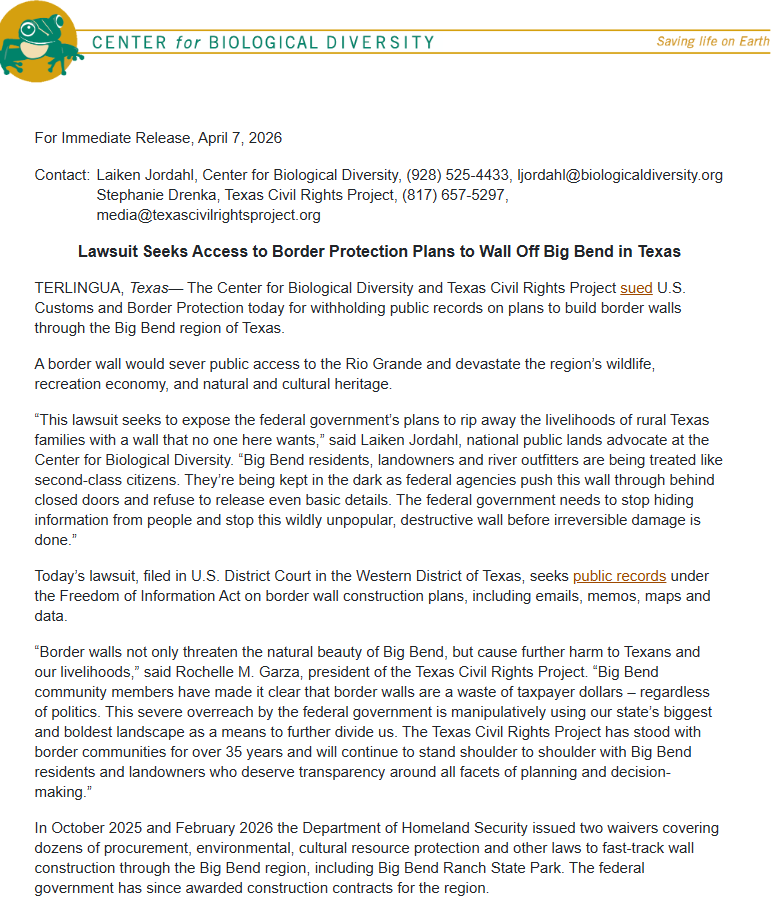
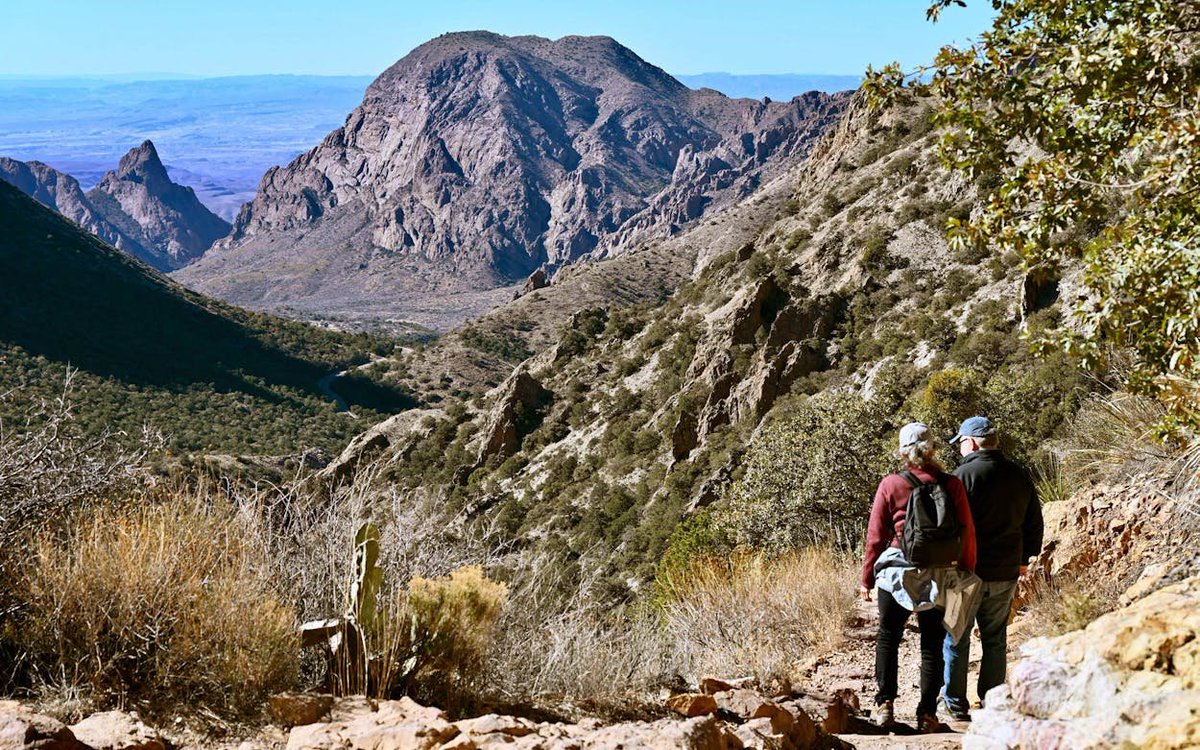
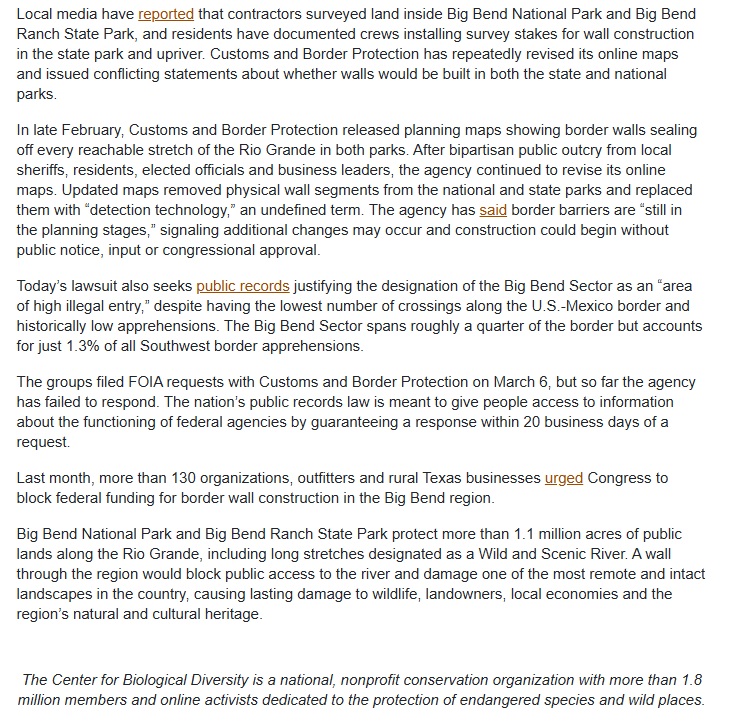
BREAKING: we're suing CBP for hiding plans to wall off Big Bend.
Federal officials refuse to release the most basic details, leaving local communities, outfitters & landowners in the dark. This wall would permanently destroy their livelihoods—and CBP won’t say a word to them.
More border wall survey stakes are showing up across the Big Bend region, including in Big Bend Ranch State Park.
These rural Texas communities could lose everything: rural economies decimated, gravesites uprooted, access to irrigation cut off. And Gov. Abbott is dead silent.
I don’t think people understand just how bipartisan/non-partisan the fight to save Big Bend is. Every single person who lives here is against this project, regardless of political affiliation or interest. They’re fighting this like their lives depend on it, because they do.
you can't outrun your grief; it'll find a way to work through you, one way or another
Robert Bly:
"One has the sense that some power in the psyche arranges a severe katabasis if the man does not know enough to go down on his own. Depression is a small katabasis, and something other than us arranges it. Depression usually surprises us by its arrival and its departure. In depression, we refuse to go down, and so a hand comes up and pulls us down. In grief we choose to go down."
Let me explain exactly why every new subdivision in America looks like the top photo, because the math is wild.
A mature tree increases a home's value by 7 to 19 percent. On a $400,000 house, that's $28,000 to $76,000. A single shade tree produces the cooling equivalent of ten room-size air conditioners running 20 hours a day. One tree on the west side of a house cuts energy bills by 12 percent within 15 years. The bottom photo is worth more, costs less to live in, and sells faster. This has been documented by the University of Washington, Clemson, Michigan State, and the USDA. The data is not in dispute.
Removing those trees saves the builder roughly $5,000 per lot. Concrete trucks need twice the dripline radius of every standing tree. Utility trenches need flat ground. A bulldozer flattens 200 lots in an afternoon. Preserving trees adds weeks and thousands per home.
So the developer pockets $5,000 in savings and the buyer eats $50,000 in lost value for the next two decades. The person making the decision and the person paying for it have never been in the same room.
The Woodlands, Texas is the proof of what happens when they are. George Mitchell bought 28,000 acres of Houston timberland in 1974 and preserved 28% as permanent green space. He forced McDonald's to build behind the tree canopy. That McDonald's became one of the highest-volume locations in Texas. The first office building, designed to reflect the surrounding forest so you couldn't see it from the street, leased completely.
The Woodlands median home price today: $615,000. Katy, a comparable Houston suburb that clear-cut: $375,000. Named #1 community to live in America two years running.
Fifty years of data. The trees are worth more than removing them saves. Developers clear-cut anyway because they sell the house once and leave. You live in it for 30 years.
Truly, literally, every single business in rural Terlingua, TX is speaking out against the Big Bend border wall in a universally nonpartisan manner with everything they’ve got. One coffee shop built a massive replica wall with a canoe on top saying “STOP THE STEEL.”
when i say go outside i mean pottery classes, open mic nights, pilates, long walks, game nights, art exhibits, botanical gardens, book signings, sound baths, massages, gun ranges, outdoor cafes, jazz lounges. that kind of outside.
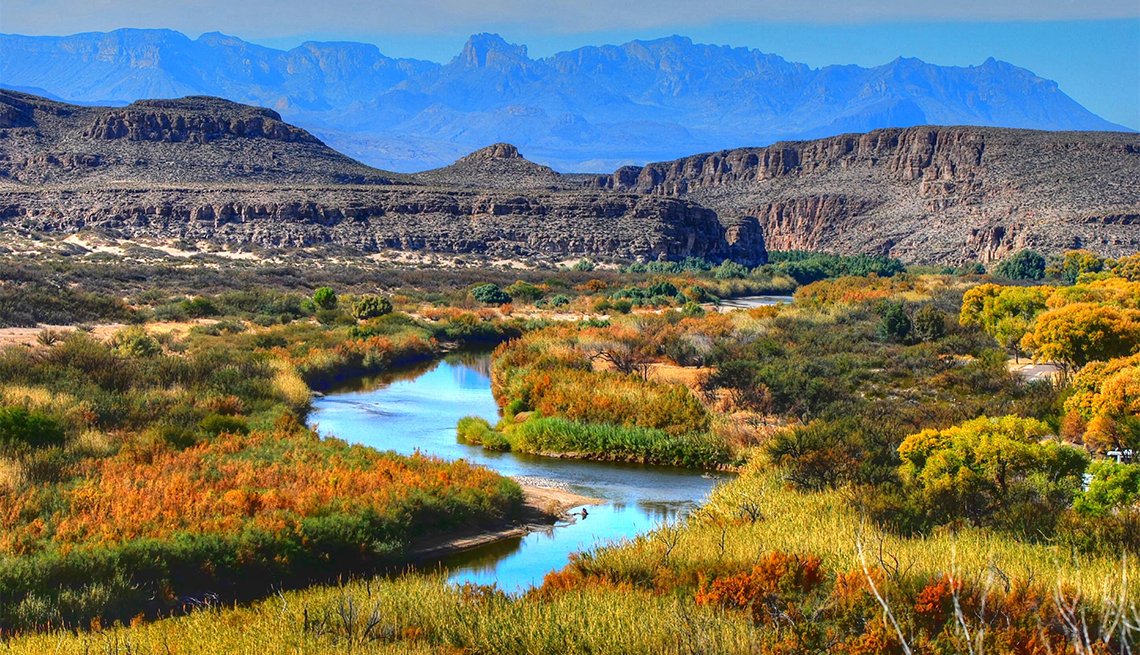
With all eyes focused on Iran, Trump and DHS are pushing forward on border wall construction through Big Bend National Park. They will hand the Rio Grande to Mexico, destroy thousands of jobs, and ruin the last remaining wild West, all for less than 1% of all border crossings:
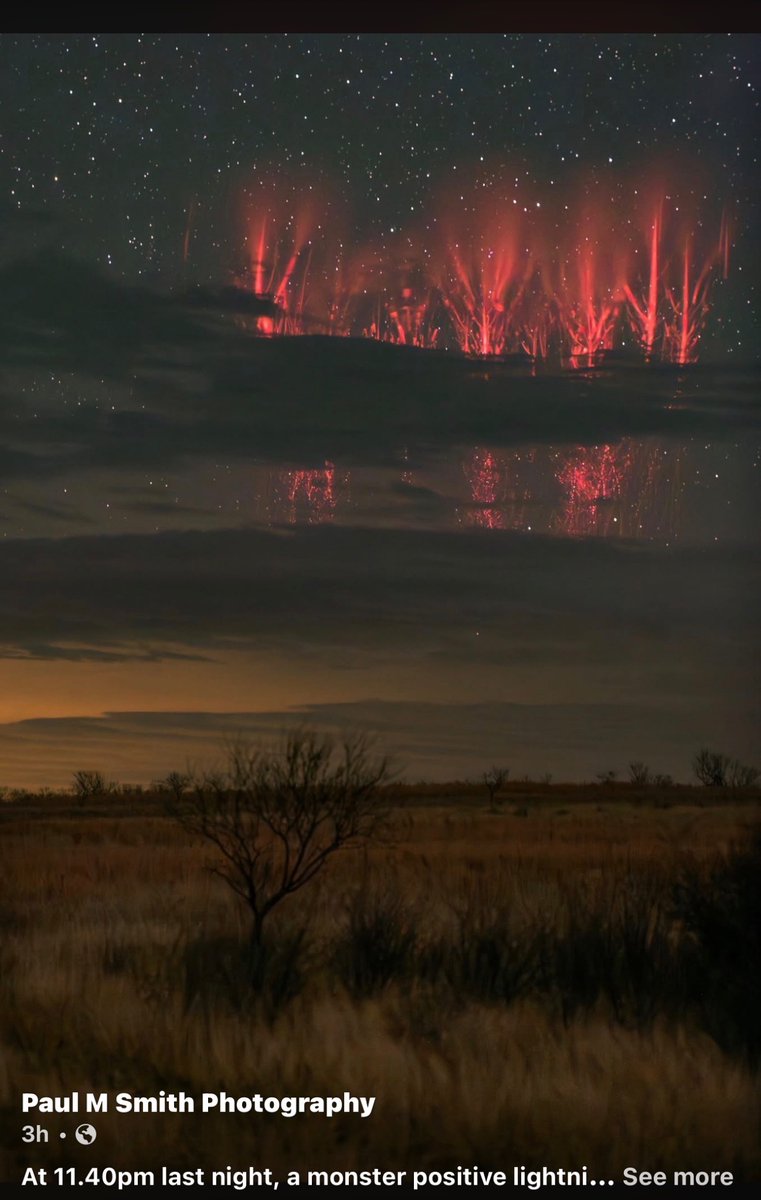
At 11.40pm last night, a monster positive lightning bolt lit up the sky just East of Norman, Oklahoma.
And I was in Texas with my camera pointed above that storm, and captured the giant red sprite it produced.
Every country has an energy. And that energy rewires you whether you notice it or not. People move to Japan and become minimal. People move to Mexico and their entire relationship with time softens. People move to New York and suddenly they can't sit still. Your personality is far more malleable than you think. We treat it like something fixed, but new surroundings give you new defaults. New pace. New habits. New values absorbed through proximity instead of effort. You're not just the average of the 5 people closest to you. You're the average of the 5 places, the 5 routines, and the 5 inputs you're exposed to most. Your commute shapes you. The weather shapes you. Every space you occupy is voting on who you become. That's why I believe choosing where you live is one of the most important decisions you'll ever make. More important than your job title. Maybe more important than your five-year plan. Because the place shapes the plan. The place shapes your energy, your habits, your relationships, your default state. Get the place right and half of the other decisions start making themselves. Get it wrong and you'll fight yourself every day.