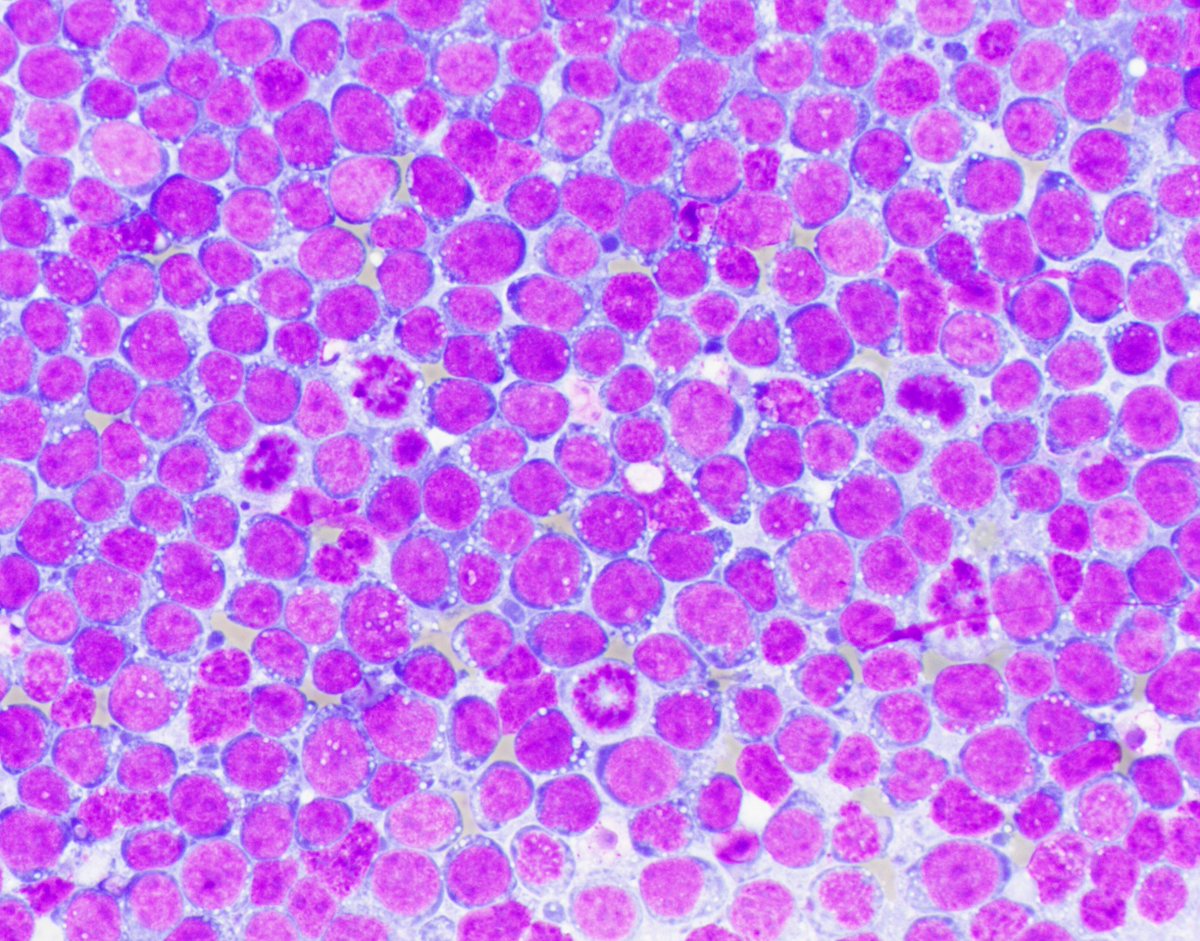
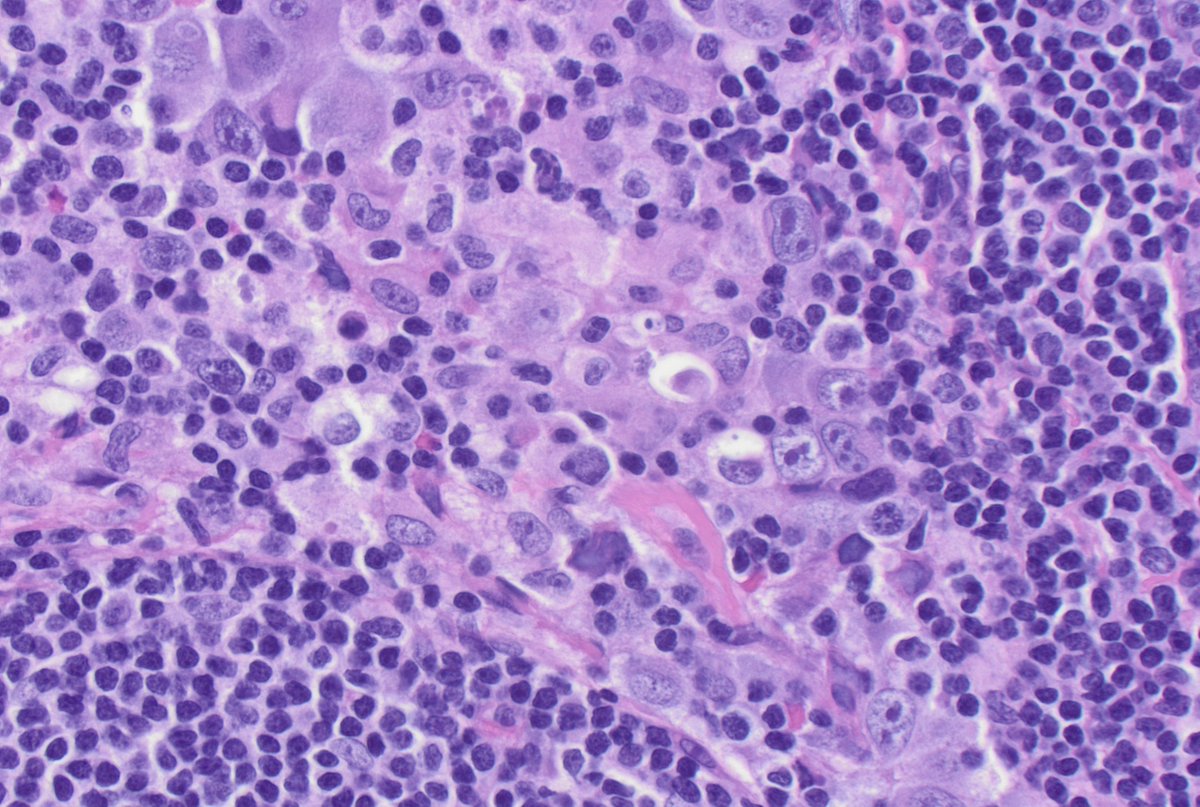
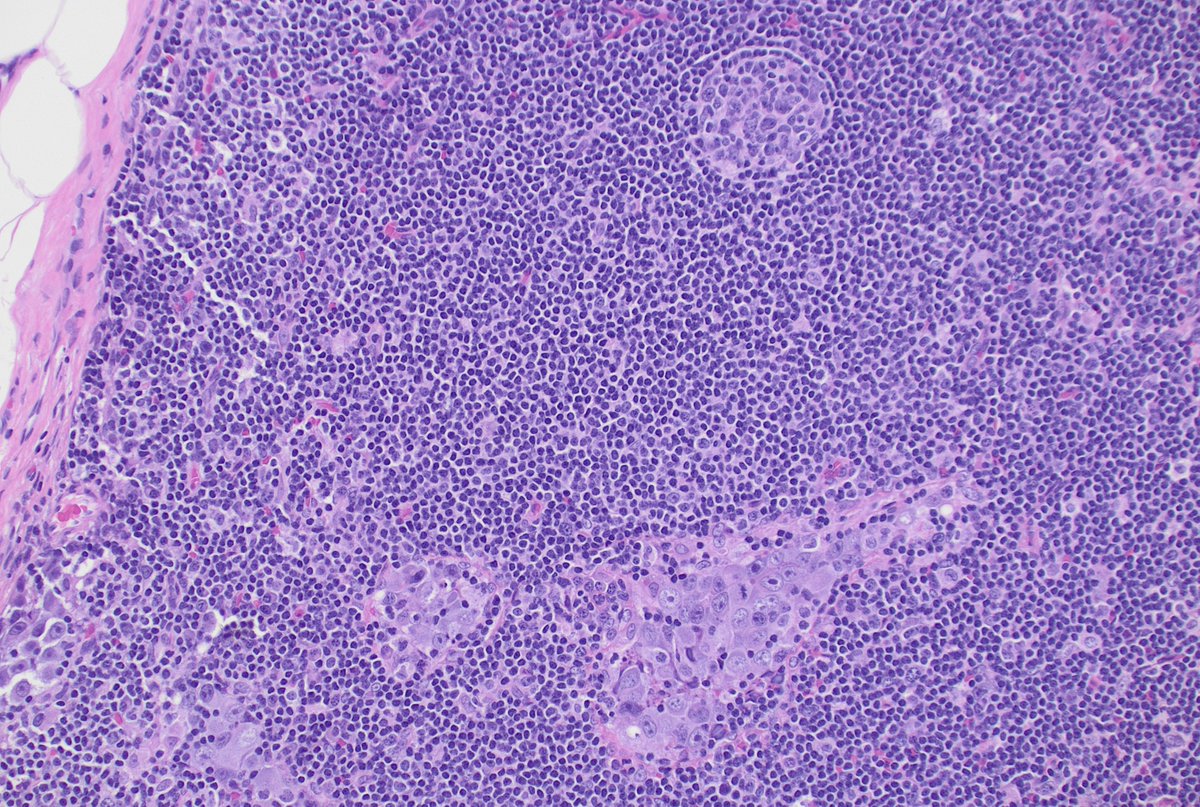
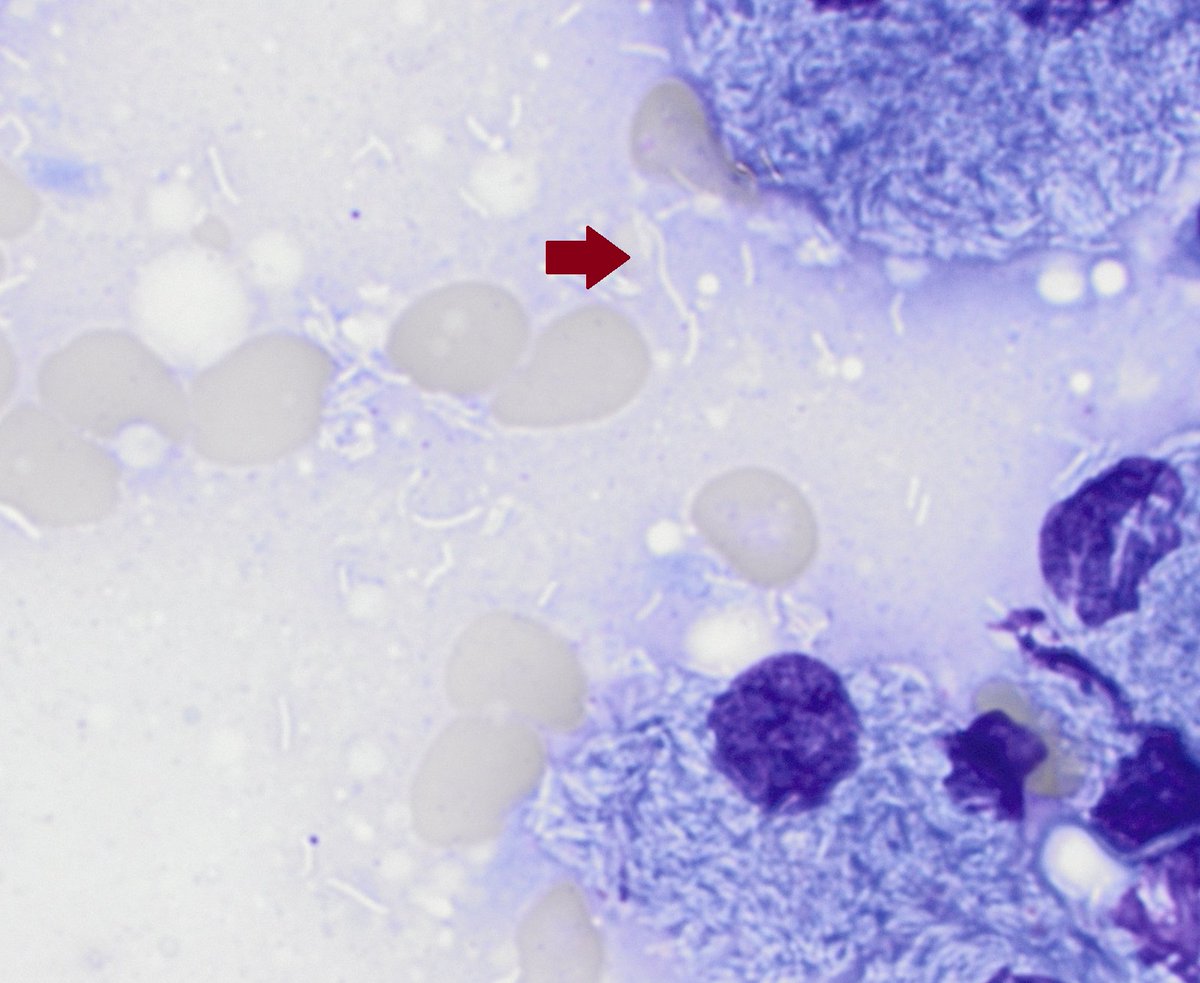
‼️📷📷📷 Come join us to learn more about our program and meet our residents at our second open house! Saturday September 12th, 11 am. Can't wait to see you there! #pathologyresident#pathology#pathmatch2027
Register Here: https://t.co/oNOfibwqGU
Dysplastic megakaryocytes seen with a MECOM translocation. These megakaryocytes are abnormally small, hypolobated (1-2 lobes) with widely separated nuclear lobes.
Sharing a rare/hard case for the #hemepath enthusiasts. This presented in a young adult.
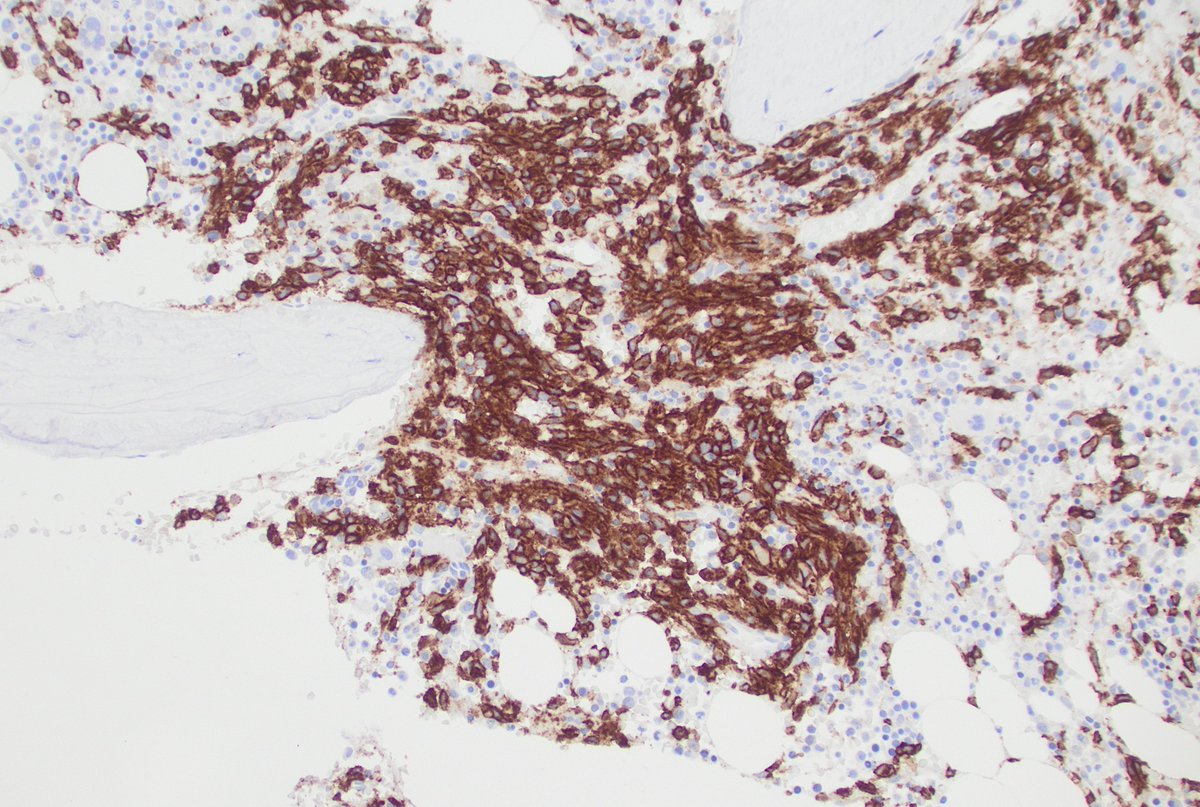
Hint: note the pattern of involvement. I'll be sharing a few stains throughout the next few days.
@jcksalex To delve deeper into this entity, I refer you to this AJSP paper from our own @ZenggangPan with comprehensive clinicopathologic & molecular characterizations + a nice comparison to ALCL.
PMID: 27740969
Pan Z, et al. Am J Surg Pathol. 2017 Jan;41(1):25-38.
Impressively @jcksalex got it just based on morphology! Here is the ALK. This is an ALK+ Large B cell Lymphoma. The cytoplasmic granular pattern indicates that it's likely not the typical NPM::ALK fusion and rather a variant ALK fusion.
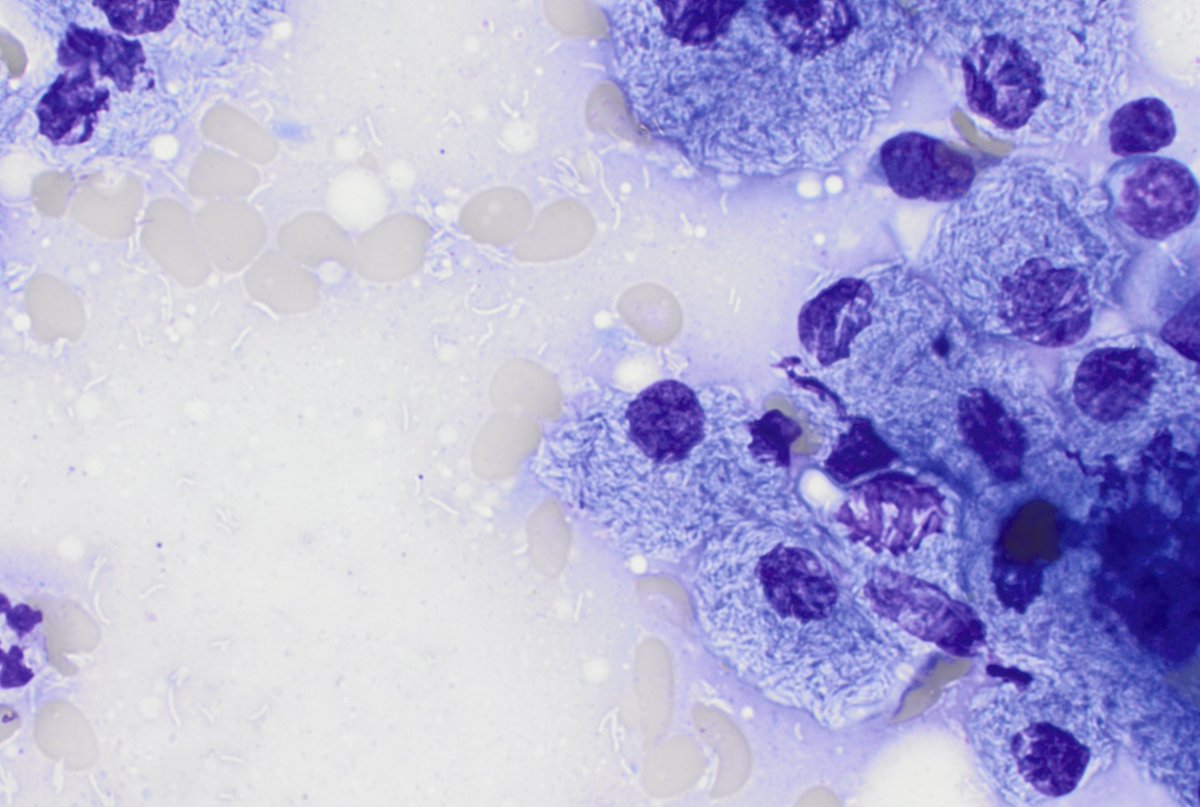
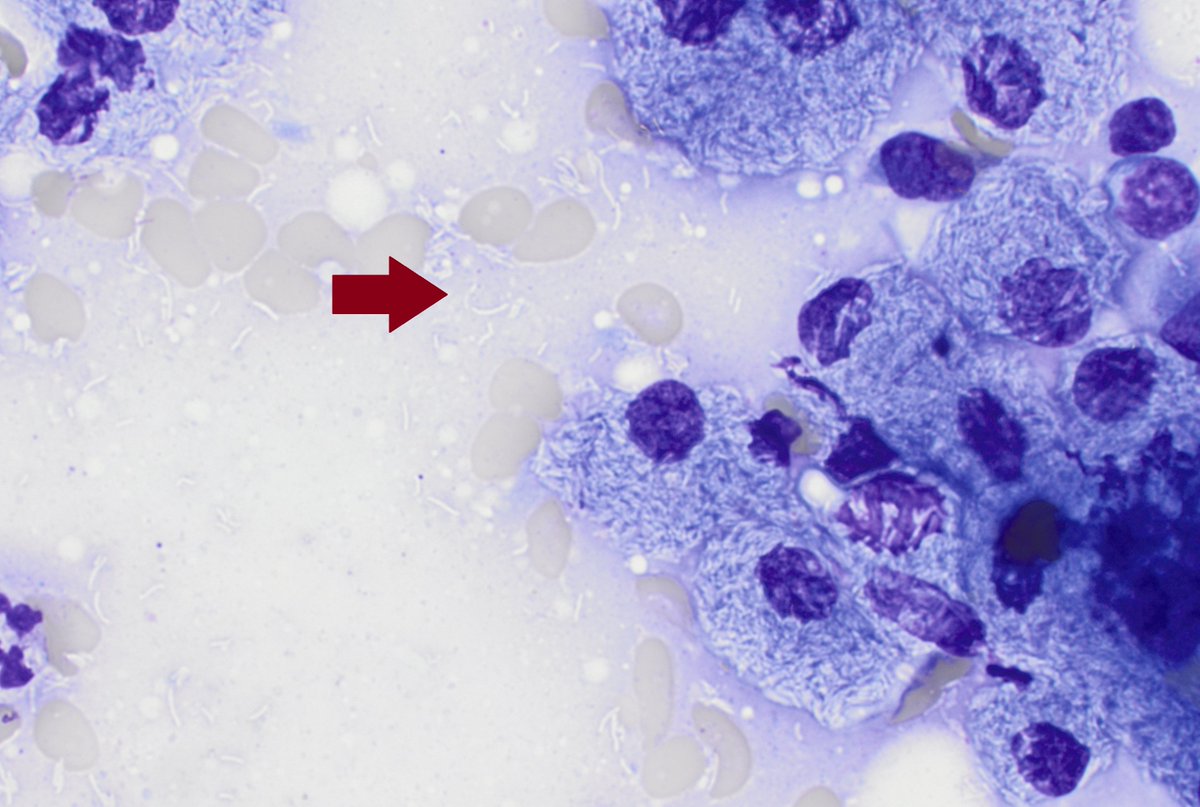
These are pseudogaucher cells. These can be seen in many conditions including thalassemia and myeloma. This case was disseminated mycobacteria. The organisms can be seen extracellularly as negative images against the background stain. AFB was positive and PCR confirmed MAC.
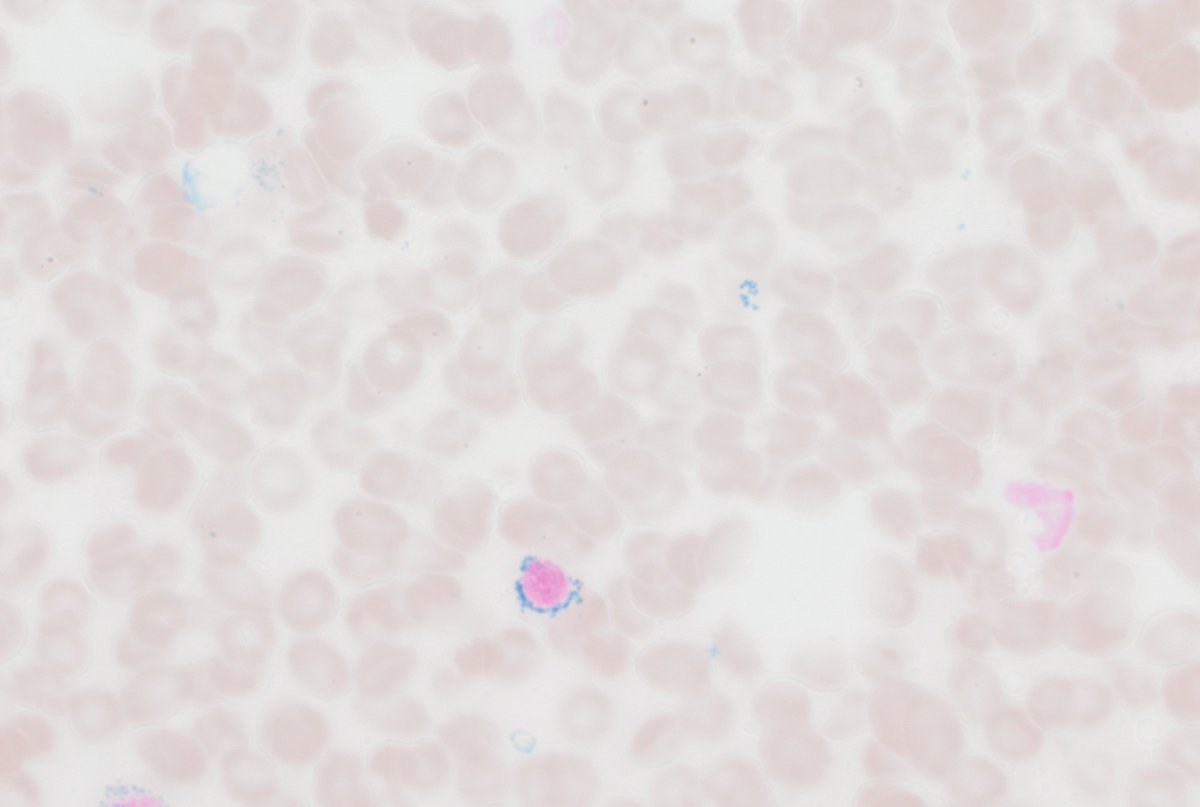
Remember that ring sideroblasts can be found in many reactive entities including but not limited to: lead, alcohol, isoniazid, many, many other drugs, and copper deficiency
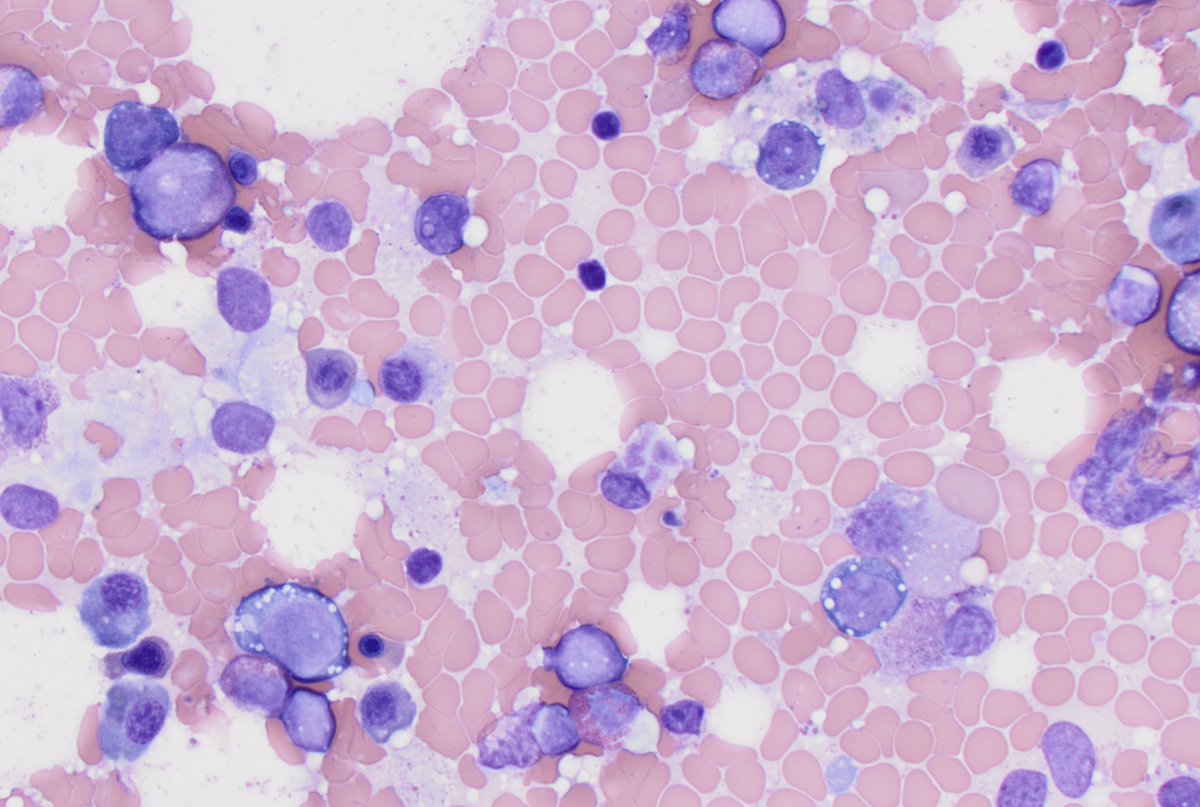
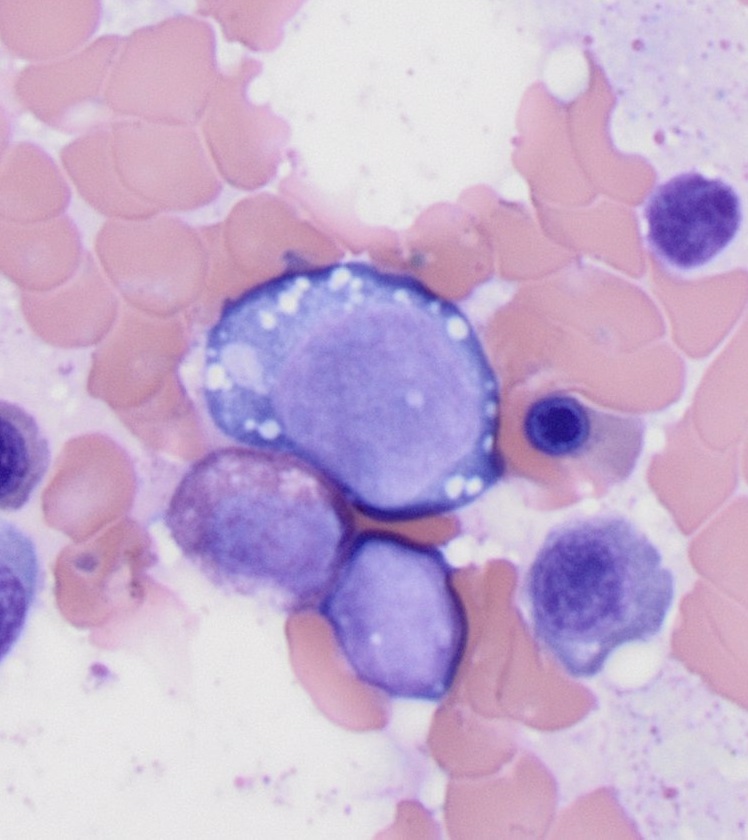
The cytoplasmic vacuoles raises a ddx of VEXAS, MDS, copper deficiency, and other drug/toxicity related changes. The patient had undetectable levels of copper, and her counts normalized after supplementation. This was a case of copper deficiency associated anemia.
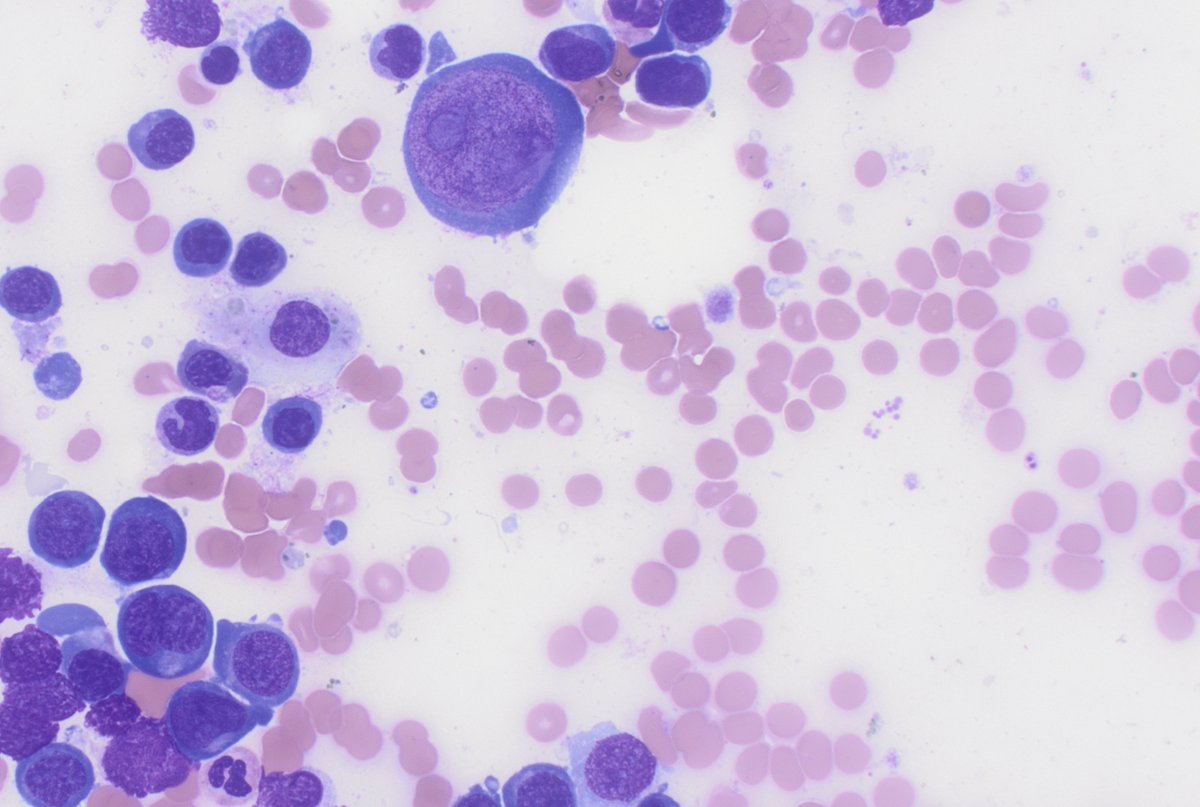
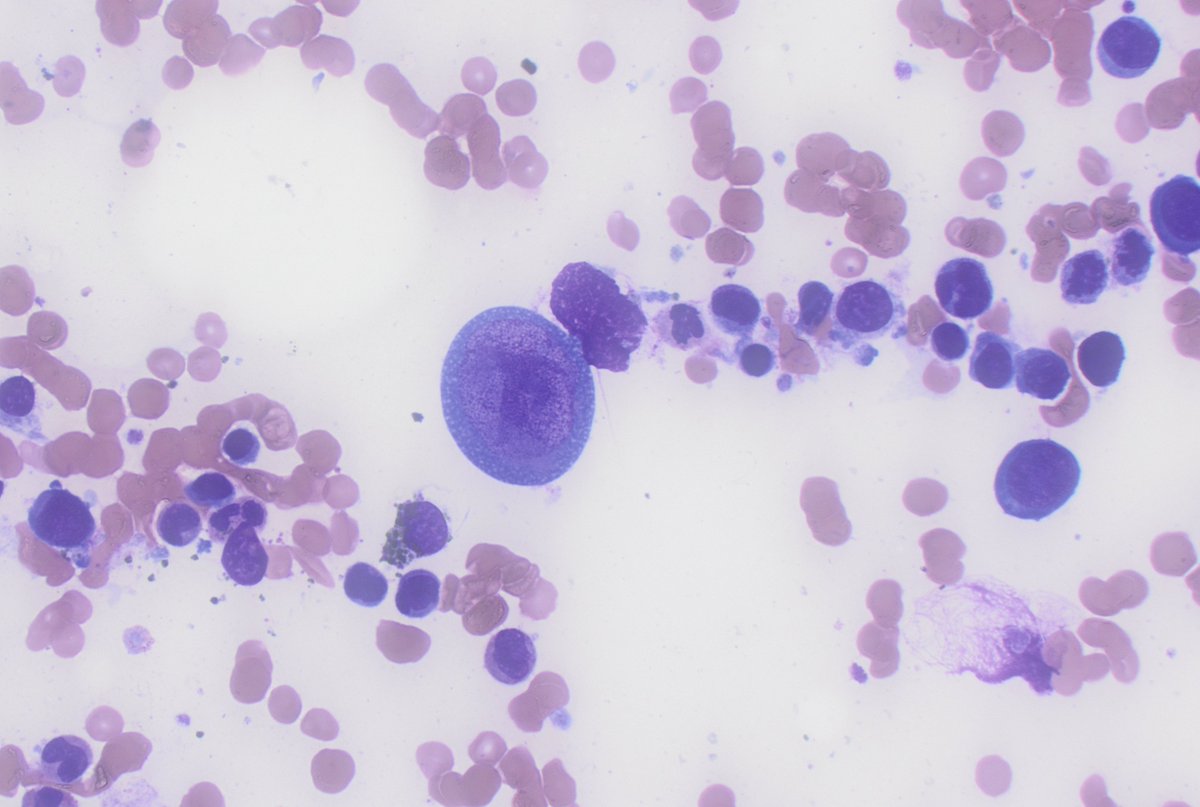
Yes these are giant proerythroblasts aka lantern cells seen in Parvovirus B19. In patients with immunosuppression/HIV, you can see erythroid hyperplasia and HIV associated atypia, which can mimic MDS. History and NGS can be helpful!