I built a PCI-ready merchant onboarding API on AWS for $4.87/month.
KMS alone is 41% of the bill.
Most engineers don't see that coming until compliance rewrites the architecture.
Full breakdown:
https://t.co/4ybTCyLFer
#AWS#DevOps#Fintech
Currently on a deep dive with PCI - DSS and ISO 27001.
Knowing how to build infra is one thing, knowing to build to satisfy audit requirements is another
@gabbytech01 I think it's just the influencer lifestyle around it with the day in my life's and all.
Now that AI and other things are making it harder, the original barrier is coming back in some ways
4 months, 48 posts, all real work. Freelance infra & security: AWS, Terraform, Kubernetes, Linux hardening, SIEM, WireGuard VPN, CI/CD.
Got a problem here? DM me or [email protected].
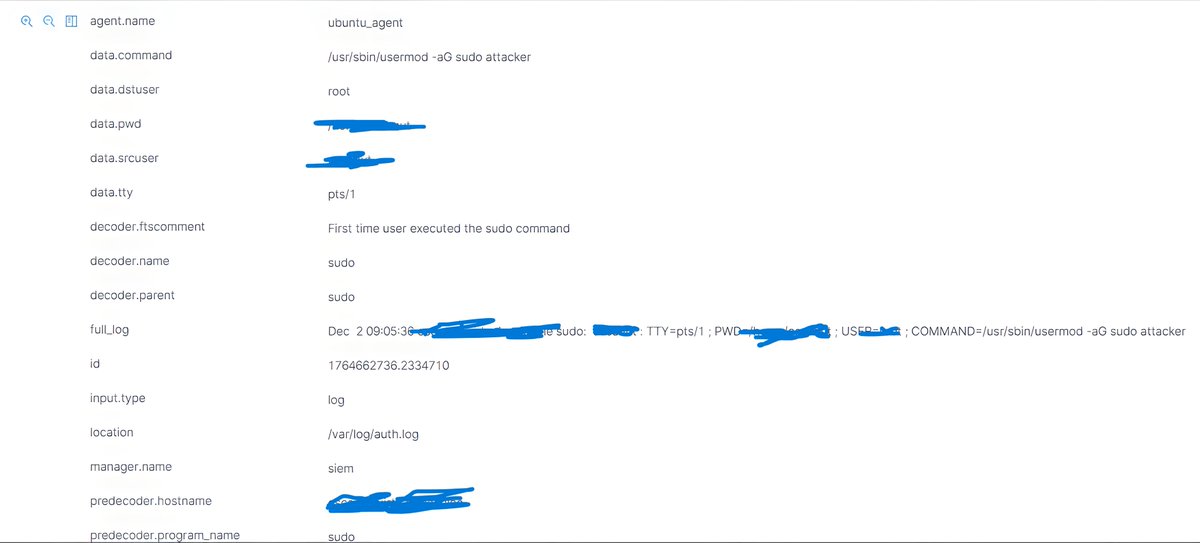
The SIEM didn’t just detect the privilege escalation. It captured the full chain: initial access, user creation, admin elevation. Three linked events, all timestamped and visible in order on the dashboard. That’s real detection plus investigation.
External Secrets Operator on EKS is the proper pattern for Kubernetes secret management.
Kubernetes Secrets are base64 encoded, not encrypted by default.
Syncing from Secrets Manager into Kubernetes keeps credentials out of manifests and version control.
Wazuh SIEM. WireGuard VPN database hardening. WordPress on AWS. S3 CI/CD pipeline. Flask API on EKS. FastAPI product catalog from Docker Compose to production Kubernetes.
All documented on GitHub: https://t.co/PPIDIZVTUY
Available for freelance work. DM or [email protected]
The projects I built are public on GitHub for a reason. Not to show theory. To show the architecture decisions and the mistakes documented in the learnings section.
Anyone can write a resume. The repo backs it up or it doesn’t.
https://t.co/AqLMNuxTrS
Let’s Encrypt doesn't issue certs for AWS public DNS names. If your demo runs on an AWS hostname and needs HTTPS, it’s self-signed or you buy a domain.
For production, always use a custom domain. This is not a workaround situation.
WordPress on AWS hardened properly: DISALLOW_FILE_EDIT in wp-config. XML-RPC disabled. Login rate limiting. Version info stripped. Correct file permissions.
RDS in private subnet. Security groups enforcing least privilege. Most WP setups skip this. I build it right. DM.
I run Terraform plan manually before apply. App deploys break one service. A bad infra apply can wreck networking, IAM, or delete data.
Auto Terraform pipelines make sense in mature teams with tight state control and rollback. Not as a default starting point.
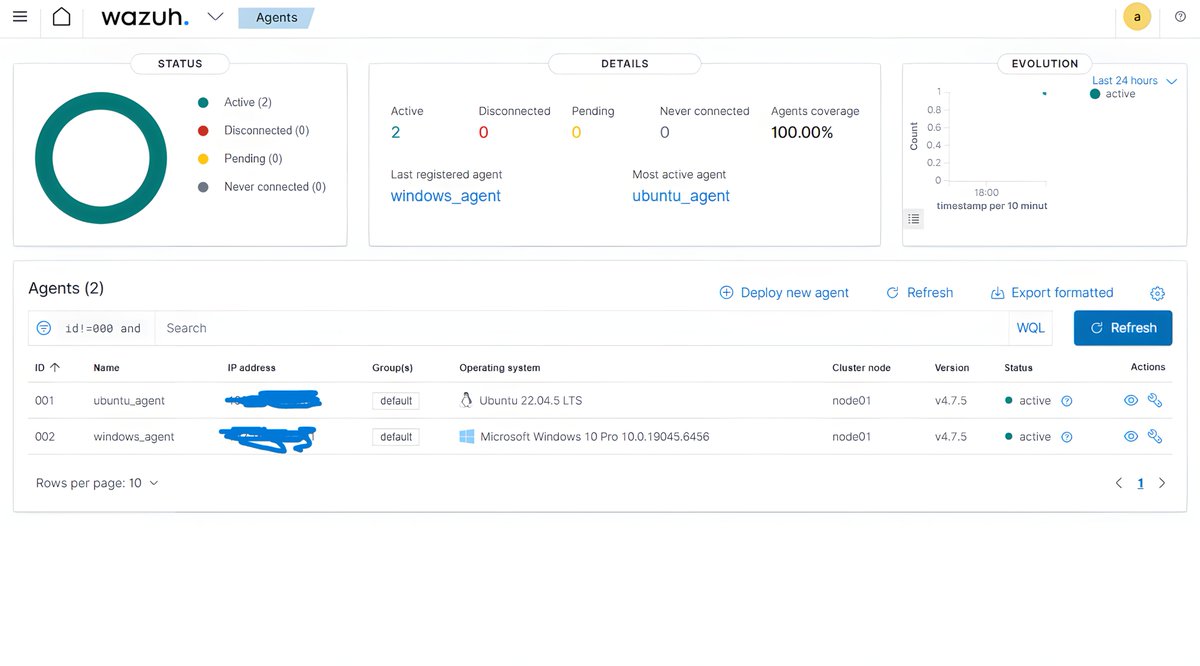
Agent based monitoring with Wazuh gives you what passive network monitoring never will: endpoint visibility. Process execution, user logins, privilege changes, auth events.
A network sensor sees traffic. The Wazuh agent sees what actually caused it.
@matt_anderson@mischavdburg Its always funny when results start showing up and then we try to justify that because we did a specific thing we succeeded, when in reality its the boring/tough stuff continously.