Being an ER doc is wild—it’s hard, complex, and demands both brilliance and deep compassion. You need to connect with everyone—from CEOs to the unhoused, from newborns to the dying. Medicine should want doctors who ask why, push boundaries, and challenge the norm. But it doesn’t. It demands compliance, punishes outliers, and resists change.
Emergency medicine, for all its chaos and exhaustion, has shaped me in ways I can’t even count. It’s given me stories, lessons, resilience—and a front-row seat to life at its most raw.
BREAKING: We just provided H+H affiliate employers, PAGNY and Mt. Sinai, with 10 days notice of our intention to commence ULP strikes at 4 strategic hospitals: Queens, Jacobi, North Central Bronx, and South Brooklyn Health. We do not want to strike but chronic understaffing and burnout are putting us and our patients at risk. We deserve better. Our patients deserve better. We are committed to bargaining in good faith and urge our employers to do so too. We are willing to strike for our patients. #NYCDOCSTRIKE
Attacks at U.S. hospitals and medical centers have helped make health care one of the nation’s most violent fields.
Data shows American health care workers now suffer more nonfatal injuries from workplace violence than workers in any other profession. https://t.co/E1mXiUB2df
How many of my male physician colleagues have ever been talked to regarding specifically “tone” or “attitude?” Asking for a friend. #WomenInMedicine#feminem#medtwitter
@GoodishIntent Tripped in my danksos walking from car to apartment after night shift during height of Covid during residency. Hysterical tears. Family of four walking their dog witnessed. Had to wave them by like I was shitting in the sink ala bridesmaids.
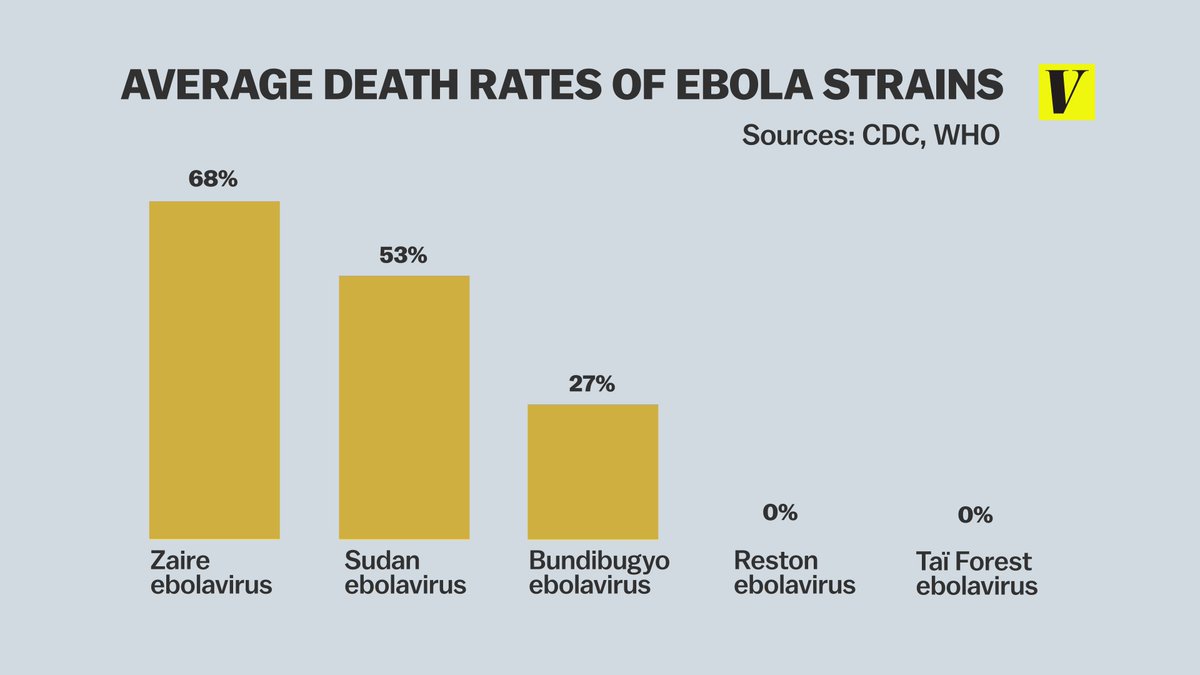
Like Ebola Zaire, Ebola Sudan has a similar incubation period (2-21 days), same transmission (direct contact with blood or body fluids), and high mortality (>50%).
However, unlike Ebola Zaire, there is NO licensed treatment or vaccine!