🚨 ABSOLUTE BLOODBATH IN GLOBAL MARKETS
$10 TRILLION has been wiped out from global stock markets from their yearly highs.
🇰🇷 South Korea: -43%, wiped out $1.15T
🇮🇩 Indonesia: -42.39%, wiped out $0.40T
🇹🇷 Turkey: -29%, wiped out $0.12T
🇨🇳 China: -19%, wiped out $2.90T
🇭🇰 Hong Kong: -18%, wiped out $1.10T
🇯🇵 Japan: -15.45%, wiped out $1.20T
🇮🇳 India: -10.84%, wiped out $0.57T
🇺🇸 USA: -2.95%, wiped out $1.99T
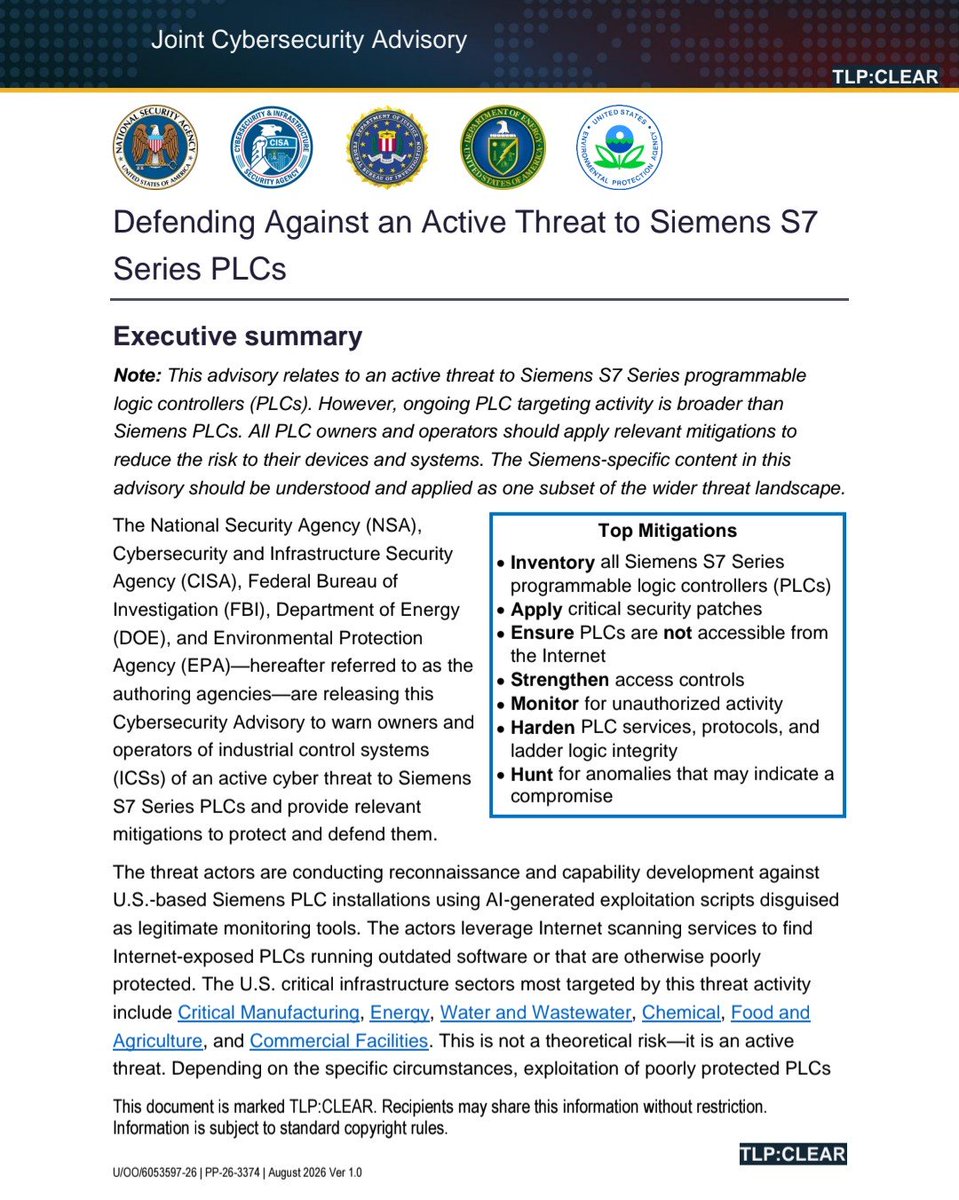
Regarding potential attacks on energy, food, and water infrastructure, the threat is quite real. Someone is currently probing infra and feeling it out, it is an active threat. Even a little preparation can be helpful, just in case. This comes from the joint cybersecurity advisory released by the NSA and partner agencies on August 19:
'The threat actors are conducting reconnaissance and capability development against U.S.-based Siemens PLC installations using Al-generated exploitation scripts disguised as legitimate monitoring tools. The actors leverage Internet scanning services to find Internet-exposed PLCs running outdated software or that are otherwise poorly protected. The U.S. critical infrastructure sectors most targeted by this threat activity include Critical Manufacturing, Energy, Water and Wastewater, Chemical, Food and Agriculture, and Commercial Facilities. This is not a theoretical risk - it is an active threat. Depending on the specific circumstances, exploitation of poorly protected PLCS could lead to disruption of critical industrial processes, safety incidents, downtime or equipment damage, compromise of sensitive data, compliance violations, and cascading impacts across interconnected systems.'
'Using Al to generate exploitation scripts represents an evolution in threat actor capabilities, dramatically reducing the technical expertise and time required to develop working ICS exploitation scripts and malicious tools. In addition, Al enables adversaries to rapidly leverage additional attack vectors and adapt to defensive measures. Threat actors can easily collect public information about vulnerabilities and weaknesses, find exposed and exploitable PLCs, and use Al-generated scripts to act on that information. If PLCs are exposed to the Internet, they are at high risk for exploitation.
Threat actors are leveraging open source industrial automation libraries - specifically snap7.d11/python-snap7 - combined with Al-assisted scripting to create custom tools that mimic legitimate OT monitoring solutions. These tools provide read/write access to Siemens S7 Series PLC memory, configuration data, and ladder logic programs via the S7comm protocol.'
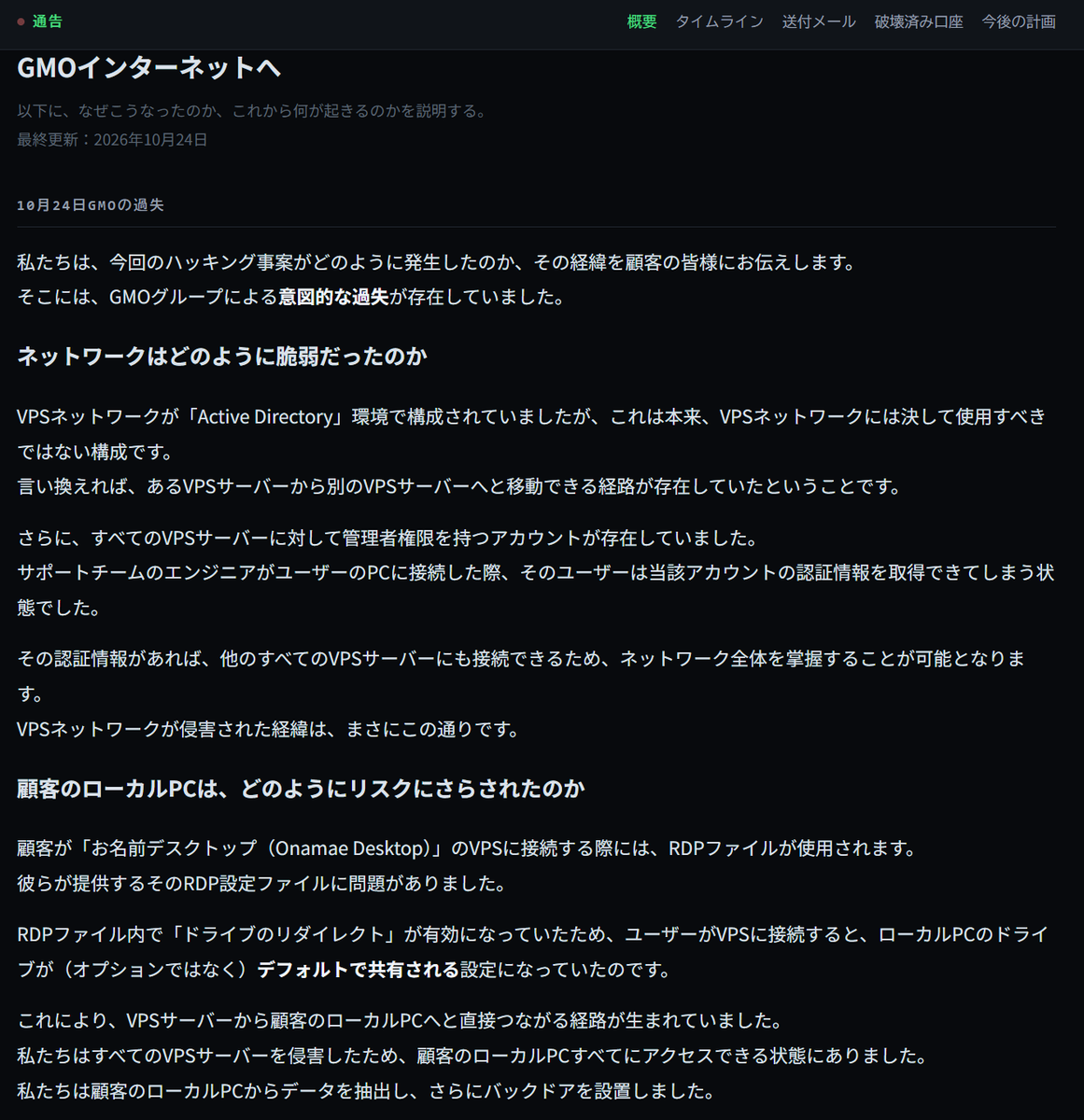
Maybe important to repost this now that everyone is getting hacked
If you have a VPS, I recommend you to get if off the public internet and into a Tailscale network and Cloudflare Tunnel ASAP
It doesn't matter you have SSH key login, this is about exploits and vulnerabilities AI is finding
There's 2 ways into a VPS:
- via your site/app (like the PHP exploit of this week with a file upload hack)
- via your server (like hacking into SSH or some open port)
The site/app side you put on a Cloudflare Tunnel and then with the default Free Plan it has WAF security enabled by default and they jump on new security exploits fast, it means that the only way to reach your website is via the Cloudflare Tunnel, your server does not respond to port 80 or 443 anymore
The server side you put on a Tailscale network which is like your own private network that nobody can access but your own devices (like your laptop, your phone and your VPS) kinda like a VPN
Then you switch off ANY regular access to your VPS on the firewall, in my case I use Hetzner and you create a new firewall then empty it and that blocks everything (test it)
How do Tailscale and Cloudflare Tunnel get in then? They don't. They go outbound. They make a tunnel to outside which sends and receives
Now you've reduced your attack vector to Tailscale and your Cloudflare Tunnel, much safer, not perfect btw, but nothing is
BREAKING: OpenAI says it found a critical flaw in Brotli, a widely used compression library built into software like Node.js, Bun and Envoy.
The bug could let an attacker take over a system just by sending it malicious compressed data, with no login needed. That works both ways: a hacker could hijack an unpatched server, or a malicious server could hijack an unpatched user’s device.