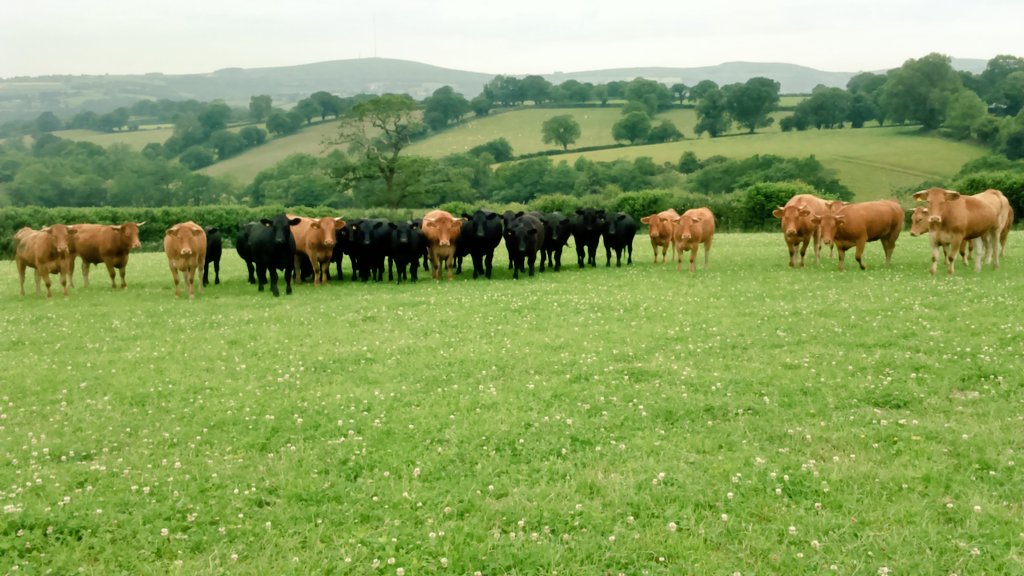
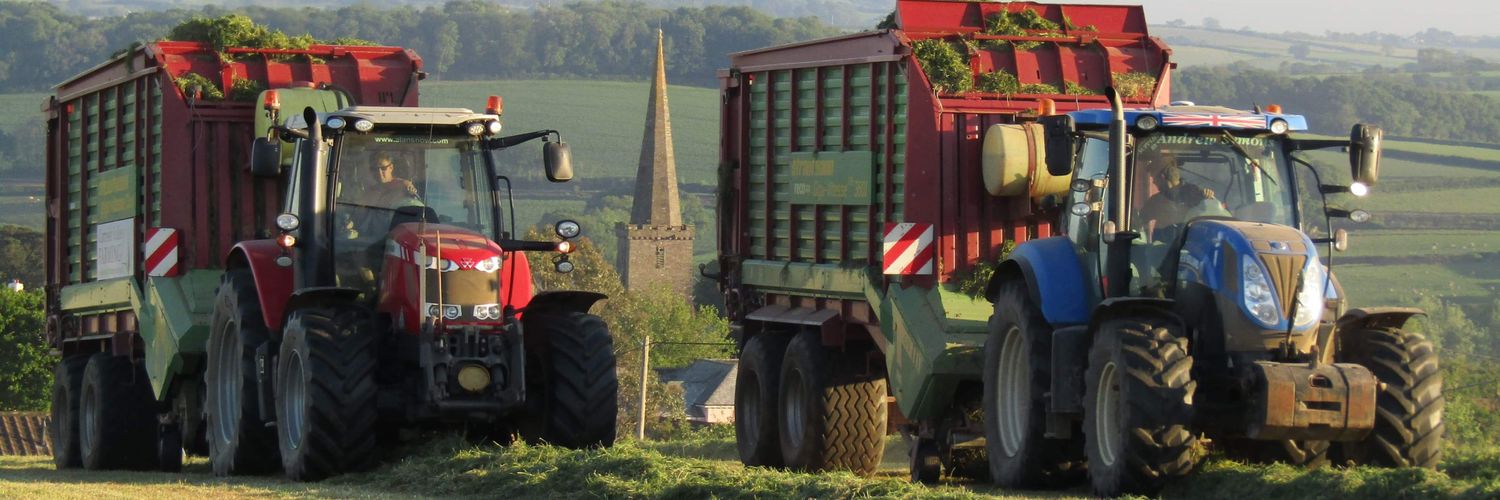
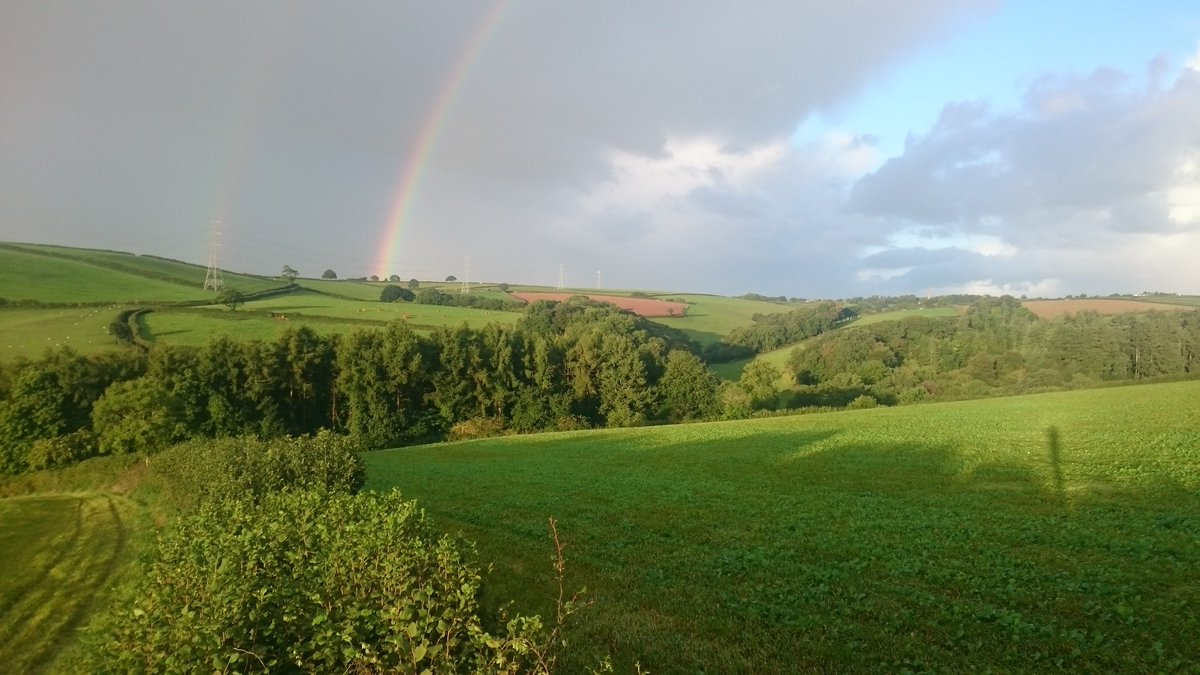
We need nature friendly farming, not a rewilded UK where our food is imported and conscience exported. We have the climate and landscape to make this eminently achievable.
@sussexfarming Or house prices. A generation of cheap food has over inflated the housing market and it would take another generation to rebalance it. Food is cheap, no other industry would accept the ROI of agriculture, affordability is the issue.
"The WHO classified red meat as a carcinogen."
Yes. In 2015. Group 2A. Probably carcinogenic to humans. The classification was based on a meta-analysis finding that fifty grams of processed meat per day was associated with an 18 percent increase in relative risk of colorectal cancer.
Let me translate that.
Relative risk is the change in your odds. Absolute risk is your actual odds.
The lifetime absolute risk of colorectal cancer in the general population is roughly 4 percent. An 18 percent relative increase moves it to approximately 4.7 percent. The risk has not doubled. The risk has not tripled. The risk has gone from one in twenty-five to roughly one in twenty-one, and only if you are eating fifty grams of processed meat every day for life.
Smoking, in the same classification scheme, increases your relative risk of lung cancer by approximately 1,900 percent. Your risk of lung cancer goes from roughly 1 percent to roughly 20 percent.
Group 1 carcinogens, the category processed meat shares with cigarettes, also include: alcoholic drinks, the contraceptive pill, wood dust, salted fish, sunlight, outdoor air in heavily polluted cities, and the profession of being a painter. Group 2A, where unprocessed red meat sits, includes: shift work, drinking very hot beverages, and the profession of being a barber.
The classification reflects the strength of the evidence that something causes cancer. It does not reflect how much cancer the thing actually causes.
Bacon and tobacco are not in the same league. They share a room because the room is the size of a warehouse.
@GrahamDenny9@B_Strawbridge@peteraf1@KernowConserva1 Why are we reintroducing Pine Martens? Given the threats to song birds and all the work we have done here to try and improve their numbers this feels like a threat to that progreae. Given the PM conservation status is "least concern" why risk predating at risk bird species?
@PhilNash2 The way it was all left sums up the dedication for me. All clean and tidy and in its right place, the fact he'd cleaned the cow beds even tho the cows didn't return. Signs of a diligent, careful farmer who loved his farm and herd, even tho the farm was rented.
Ex dairy next door. Tidy but tired, fresh sand in the cow kennels, clusters washed down & hung up. Hard not to get sentimental about the loss of these small herds, an era never to return, farms that no longer sustain a family. It's all "progress" tho I'm not sure in who's name...
@PhilNash2 Hours and hours and hours, a lifetime spent in that little parlour. Farming is a full on commitment but dairy is another level. Hat tip from a "beef and sleep" farmer.
@gps_in@GrahamDenny9@thelumbflock The farm pictured is a neighbouring tenanted farm, no longer able to operate as a dairy as it's no longer economically viable at that size.The landlord has put back to back farms together over the years to scale.
@gps_in@downgerd@GrahamDenny9@thelumbflock I own no property, no house no land, and never have any prospect of doing so, it's all leased. That's not a complaint, it's my lot and my choice to farm. Like lots of other tenant farmers in this part of the world. There's a lot of presumption around farming.
@downgerd Farming 500ac to keep up and have a viable business, all tenanted first generation. Doesn't mean I don't lament the loss of smaller farms, but Engels law dictates scale as an ever present driver. The loss of family farms and move to corporate ownership is concerning.
@downgerd@GrahamDenny9@thelumbflock I don't understand your anger. I am very much on a path of expansion in an effort to keep pace. I merely posted that it is shame we are all on that treadmill as an industry and I'm not sure to who's benefit, we are losing our smaller farms. Am I missing something?
@downgerd@GrahamDenny9@thelumbflock It's a function of necessity. Acreage in our case is a bit misleading, we farm quite a proportion of organic and low/ no input stewardship ground. I'm a small producer now in terms of turnover, we have expanded our numbers but are now rapidly going backwards.
@Gary_Starlorn Currently farmers aren't going to take control, the processors and buyers are far too big. But eventually that balance may change, tho the farmer will likely be a corporate.
@kernowbeaver I think it will be the given for as long as I'm farming. Engels law has stood the test of time since the 1850s and there seems no sign of that trajectory changing. We have been insulated by subsidy so now the change is really accelerating. There will of course he nuance.
@bencm305@BennyH391512 I seriously looked at dairy a few years ago, best cash flow and gross margin of any option, but with hindsight glad I didn't. Your entire business is in the hands of buyers that can drop you at short notice and leave you with no other option. Frightening stuff.
@bencm305@BennyH391512 Great for the direct sellers. I'd be worried if I was sub 150-200 cows and selling to a dairy, collecting the milk of herds this size seems to now be viewed as an inconvenience.
@RogerB1974 Indeed. That being said some of the professionalism in modern dairy is not to be denied, very impressed by the levels of welfare and expertise demonstrated by friends of mine with big herds.