What are Australians actually being told about vaping?
My team and I reviewed 24 publicly available anti-vaping campaigns in Australia to build a baseline picture of how public health has responded so far.
Read our new paper in Tobacco Control: https://t.co/nVUfLk468b
@NCYSUR
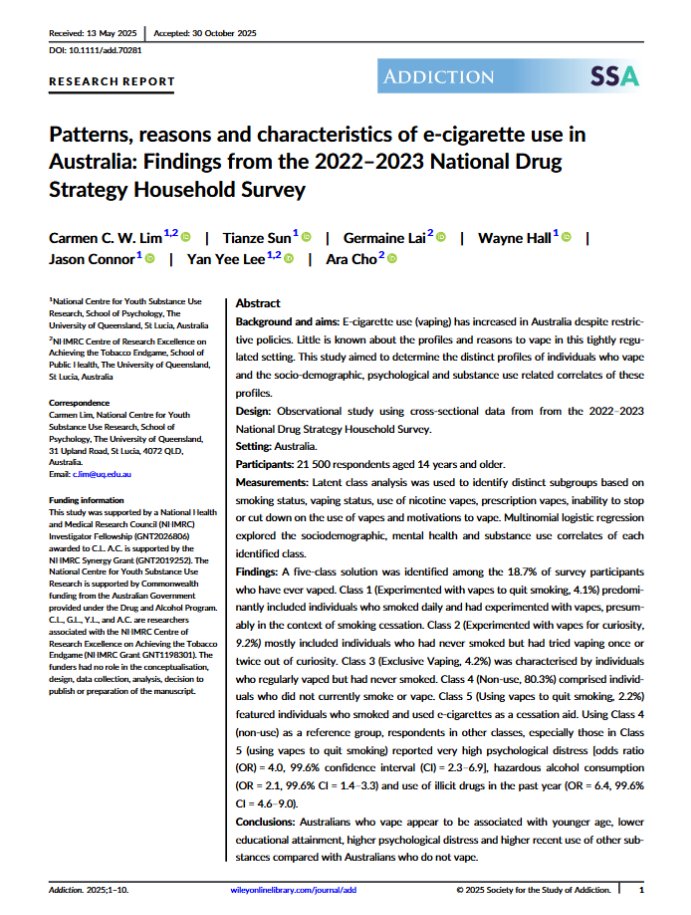
Aust data reveal diff pathways into vaping, from quitting smoking to curiosity-driven use, with higher psychological distress and substance use in some groups. Evidence like this is critical for developing more targeted and effective vaping policies.
🔗https://t.co/ie0jHLv2VS
Understanding substance use in CALD populations is essential for equitable prevention and harm reduction in Australia.
What does the evidence say and what are we missing?
Well done Yan Yee for getting this important work out in
@ijdrugpolicy
https://t.co/vgckCKqcdQ
The latest announcement doesn't tighten existing prescribing or marketing rules for medicinal cannabis. It just reminds health professionals what the rules are. @Cwernlim@UQ_News https://t.co/NP7YHInNgI
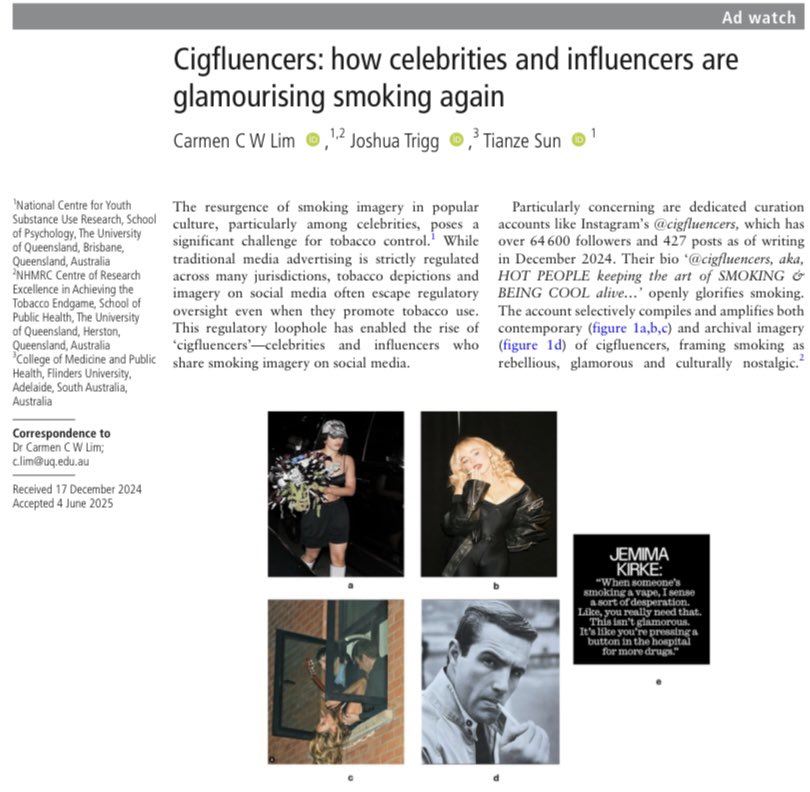
🚨 New study 🚨
Drs @JoshLTrigg , @TianzeSun and I wrote about the rise of #Cigfluencers in @TC_BMJ
Our study shows how social media is fuelling a subtle yet powerful resurgence of smoking as cool, aesthetic, and nostalgic.
🔗 https://t.co/XI5XjMnhEQ
What are ‘penjamins’? Disguised cannabis vapes are gaining popularity among young people
PhD candidate Jack Chung, Dr Carmen Lim and Emeritus Professor Wayne Hall wrote for @ConversationEDU: https://t.co/UKUhYq0B9C
#Health#UQResearch@Cwernlim
New systematic review in @AddictionJrnl evaluates evidence for a gateway effect from vaping to smoking among young people.
Results show little evidence that vaping is causally linked to smoking uptake.
https://t.co/WHNzpNCxuT
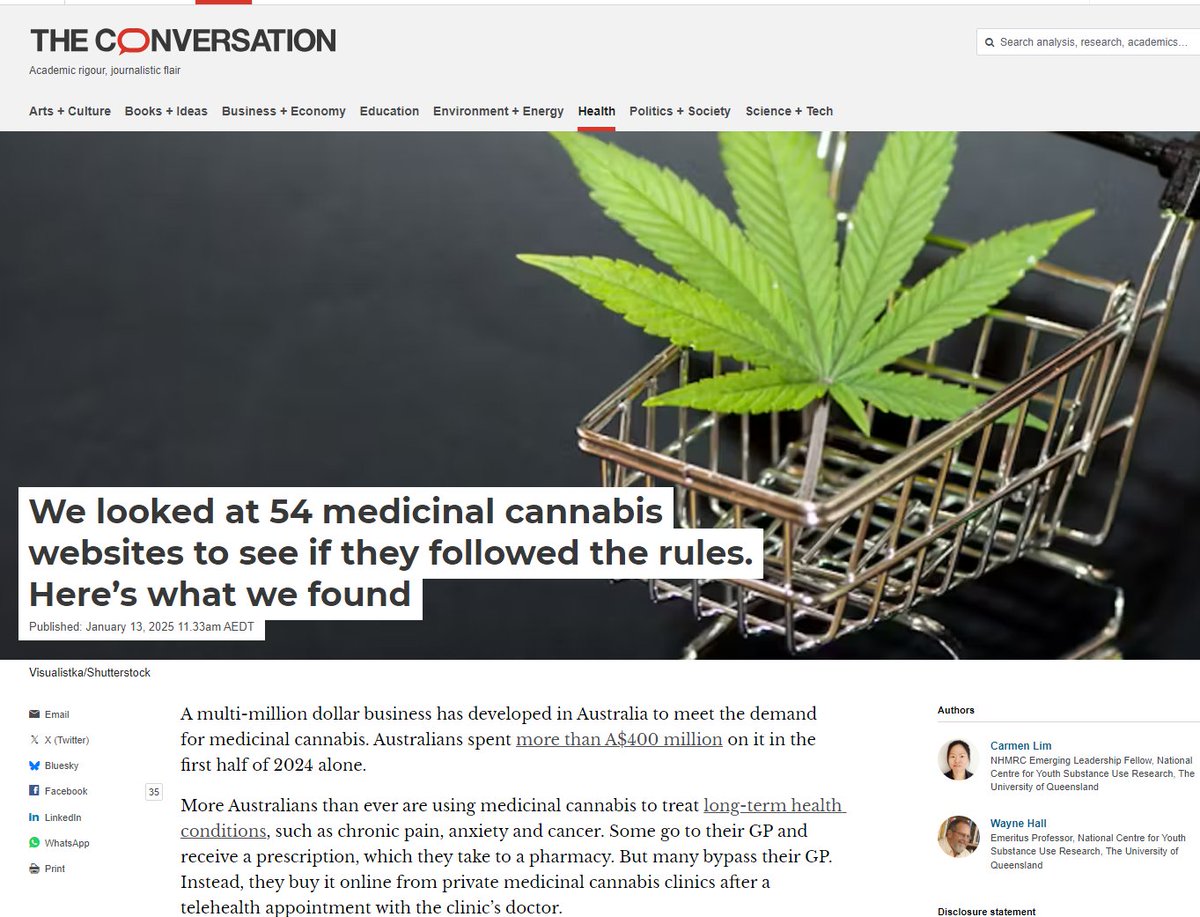
Aggressive and misleading marketing practices is driving demand for medicinal cannabis.
Wayne and I wrote an article in @ConversationEDU on how private clinics may skirt TGA regulations. 👉 https://t.co/felg79DqMk
Aggressive and misleading marketing is fuelling demand for medicinal cannabis. Here are some of the ways clinics bend the rules. @Cwernlim@UQ_News https://t.co/SC4VQt3zpS
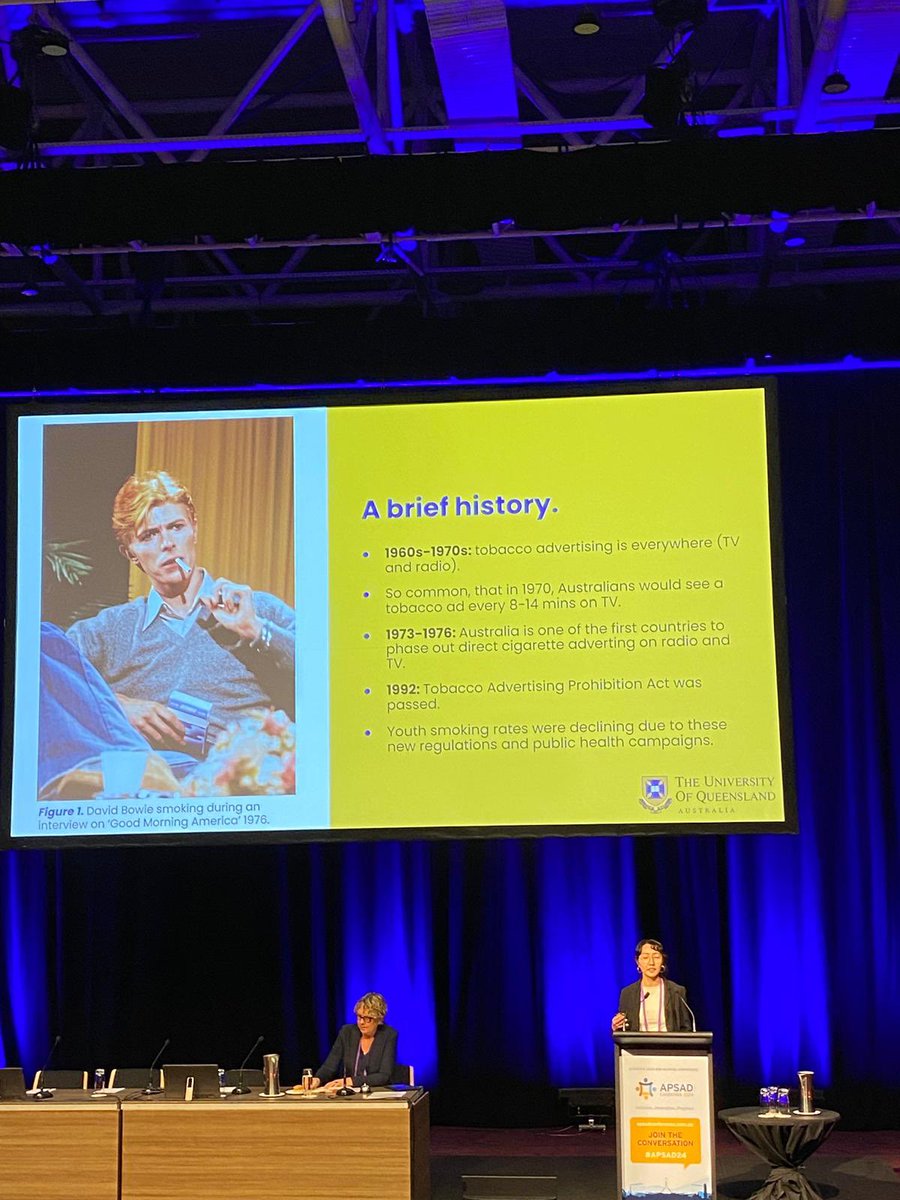
postdoc @TianzeSun presenting on work led by @Cwernlim on the influence of celebrities and influencers on youth susceptibility to tobacco & vaping @ #APSAD24 in canberra.
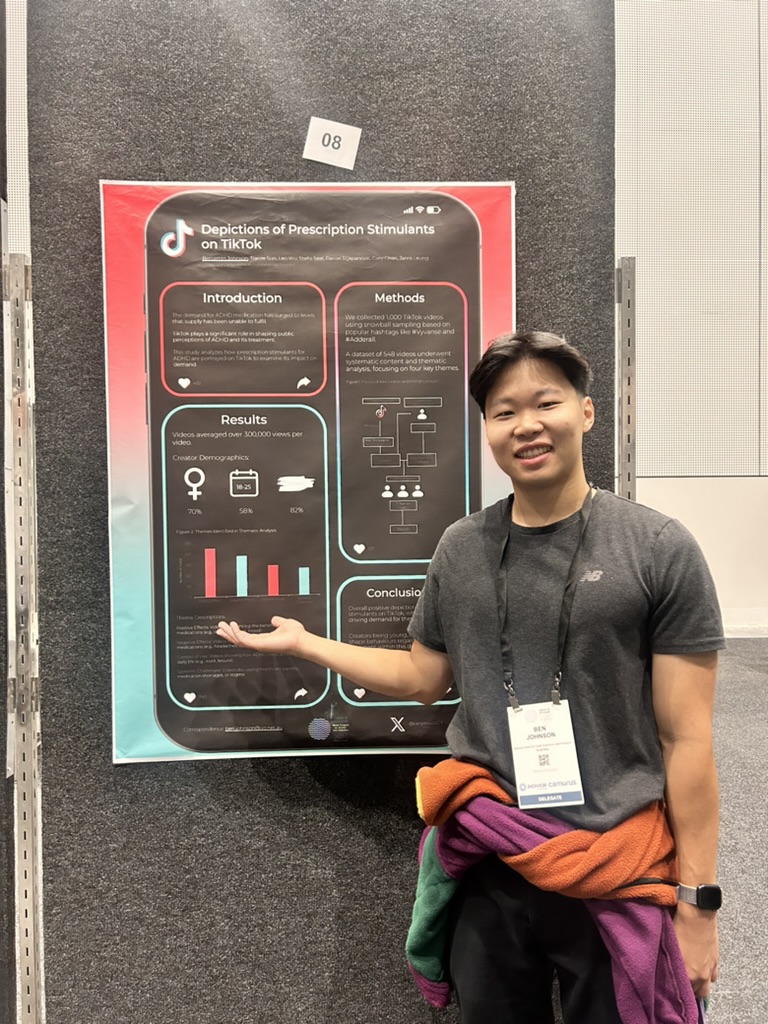
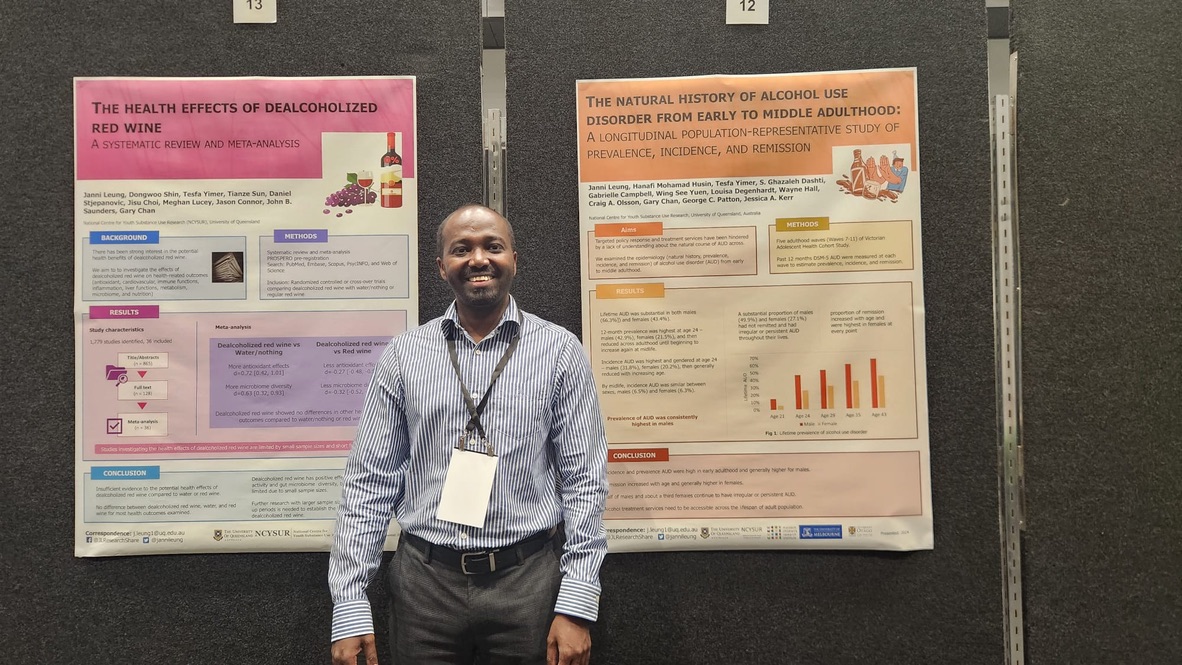
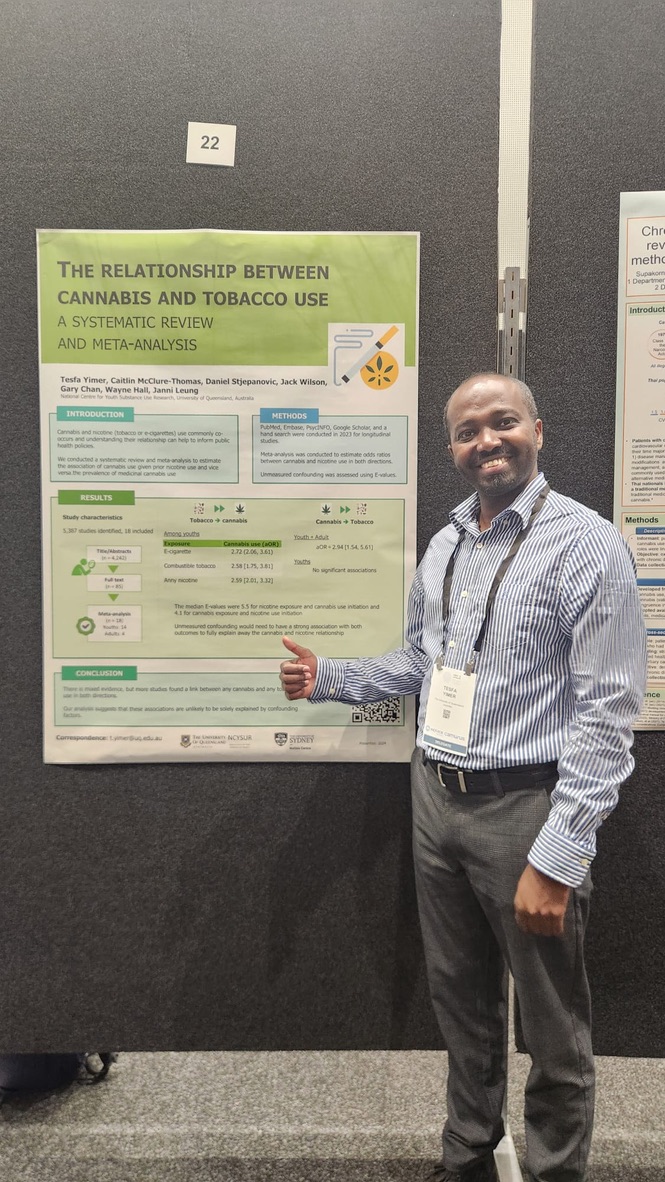
✮ exciting research at #ISBRA2024! stop by posters 08, 12, 13 & 22 to see @Tesfa_MY's work on cannabis/tobacco use and dealcoholised wine and
@benjohnsonGT's studies on prescription stimulants on TikTok! 。°
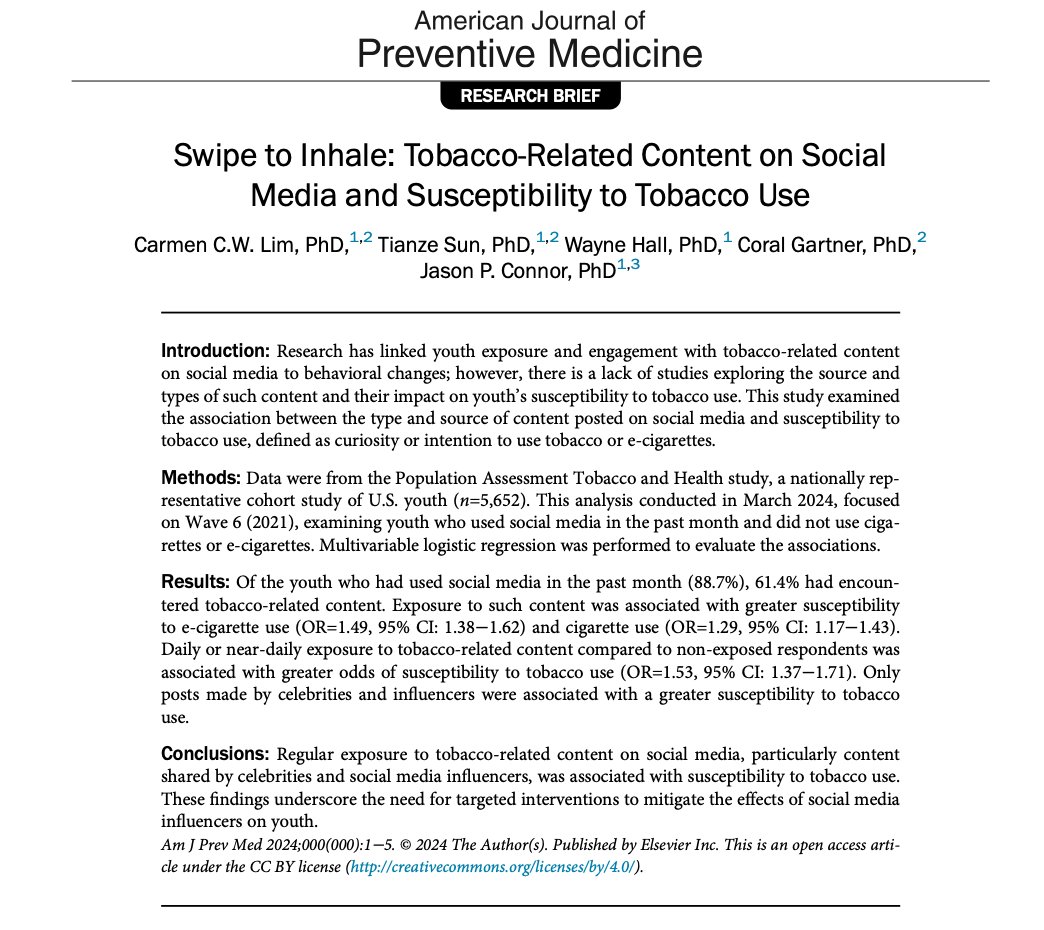
#UQ research has found young people exposed to social media posts by celebrities & influencers who endorse nicotine products are more susceptible to smoking or vaping.
🔗https://thttps://brnw.ch/21wMtaM
@UQHealth@Cwernlim
@ArielleSelya@UQHealth @UQPsych @CREtobacco@TianzeSun@AmJPrevMed Definitely & really appreciate your comment on this, @ArielleSelya. My master student, is currently writing this study up, watch this space! :P
We found that those who used e-cigs in
the past 30 days during W5 were 1.5x more likely to
encounter e-cig ads on social media in
W6.
🚨 New Study Alert 🚨
⚠️ Seeing tobacco (incl. vaping) content on social media from influencers & celebrities can increase the risk of trying it😳🚬
📳If you're seeing these content on a near-daily basis, it increases your vulnerability to tobacco use
🔗https://t.co/q9mXOObypm
3 RCTs: Decreases in cigarettes smoked daily, resulting from smoking cigarettes with reduced nicotine content, were larger when adults from at-risk populations had access to e-cigarettes in their preferred flavors https://t.co/dEKubpUbCN
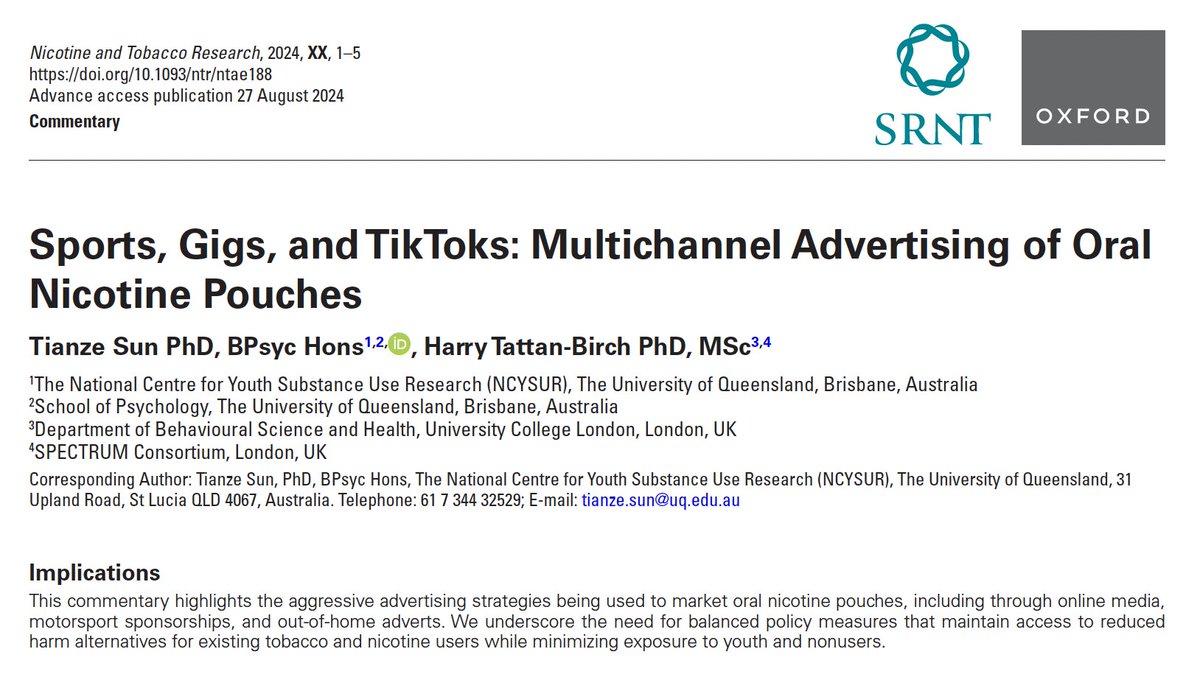
Our new commentary in @NTR_Journal highlights the multichannel marketing of oral nicotine pouches. While less harmful than cigarettes, addiction risks for youth remain. @TattanBirch
✮⋆˙ https://t.co/HsEhlZMWH4