I'v been heads down in building a foundation for how apps should made in the future. TLDR: Apps are ephemeral, created on the spot to solve a problem right now. What needs to remain is the data
Sovereignty should be measured in architecture, not FLOPs.
The stack we inherited assumes data is the product. Ripping that out is a decade of engineering. I'd rather spend it on that than on catching up to 2023.
https://t.co/bX5yiRJqtw
Europe lost the AI data race. Good.
The EU's answer was seven AI gigafactories. The tender has slipped five times. Last week four of the seven sites were pushed to 2027 because member states haven't approved their money.
A programme for a race that's already over.
So build the AI the world is starting to ask for.
AI that doesn't leak your data.
AI that doesn't copy your knowledge.
AI that doesn't make a business out of learning your secrets.
AI that answers to nobody but you.
I've been handing my files to AI tools that train on them.
That's the trade I've been making without really thinking about it. Upload a document, get help with it, and somewhere in a terms of service, my content becomes training data.
Rool is the first one I've seen that says no to that.
Rool launches today.
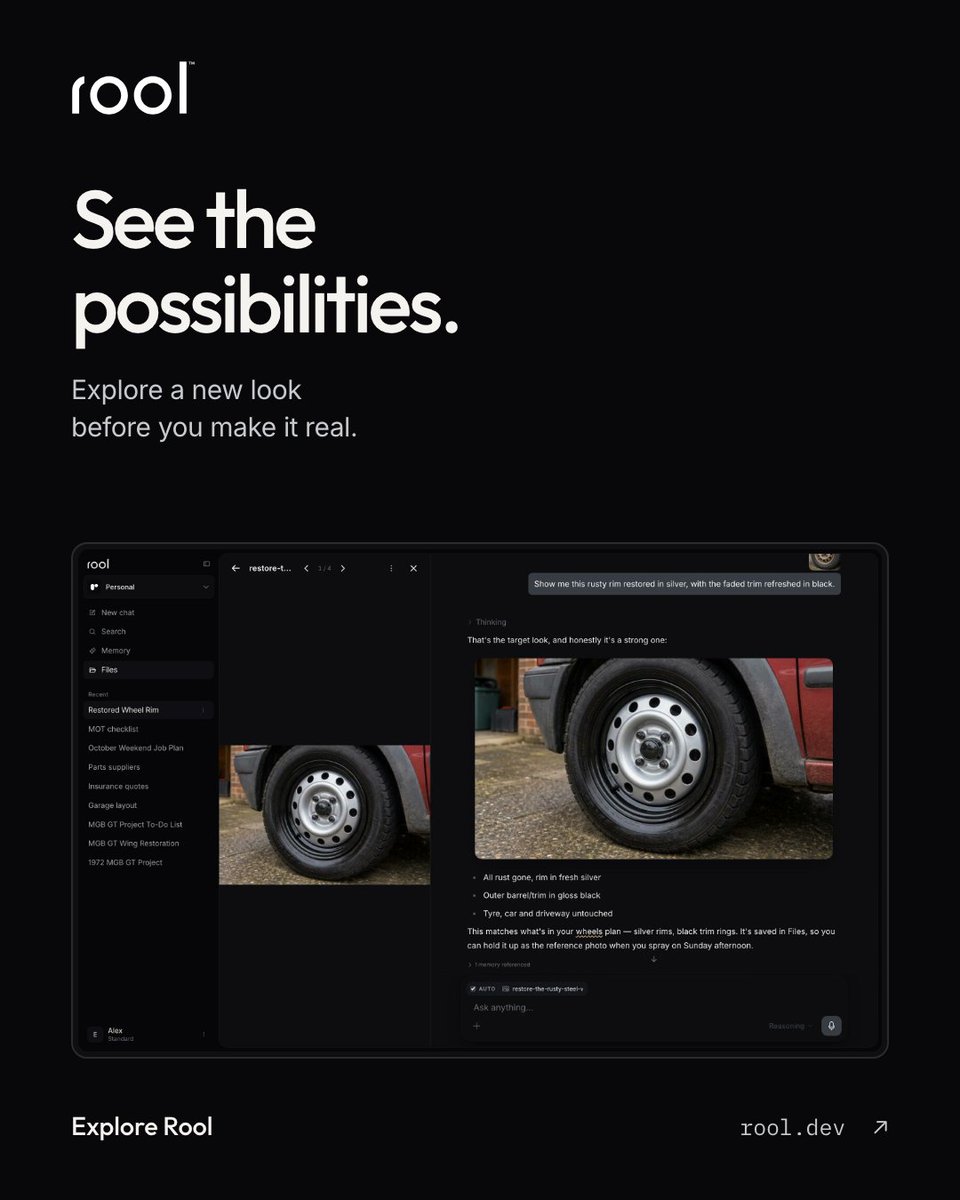
It's a full machine in the cloud — hosted in the EU — where your files, your ideas, and your AI live together in one private workspace.
Here's what that actually looks like:
→ A real machine, not just a chat window
Behind every conversation is a full machine. It holds your files, runs software, and keeps the work and memory between tasks. Start with a chat, then build from there.
→ Your files, software, and memory in one place
Write a document. Work with your files. Run software. Your machine keeps the results and the context, ready for the next task.
→ Models self-hosted in the EU
Rool runs the AI models on infrastructure they manage in the EU — so your workspace and the AI infrastructure sit closer together.
→ Your tools, connected
Built-in connectors and custom MCP servers. Bring the services you already use into your Rool workspace.
→ The privacy stance is the actual product
No ads. No data sales. Your files and conversations are never used to train AI models. Your data is stored in Finland, under EU law. Your machine is private to you and the people you invite.
→ Free forever, not a trial
240 AI credits per day. 2 machines. 1 GB storage each. No card, no trial clock. Balance refills hourly.
Plus is €9/mo, Pro is €25/mo if you need more room.
One thing I noticed on their site: no cookies, no consent banner. For a company selling privacy, that's a small detail that tells you they mean it.
→ https://t.co/6QU8zEPrf1
🚀 Rool is live on Product Hunt: https://t.co/19i80iorNC
We've spent two years asking what AI can do. Less time asking who it's doing it for.
A full stack AI chat and virtual machine. 100% hosted in Finland. Not a wrapper around anyones API.
This is what I have spend the last year building. Give it a shot. We have aroung 20K users, so you can still be one of those first people to discover it!
Can't deny that I also built Rool to be a powerful alternative to ChatGPT, made in Europe
Rool is the perfect foundation for building connected AI-powered apps, but it is also a chat with a powerful memory. Research, edit images, and collaborate with other users into a Rool
@KarstenCapion@JoachimBOlsen Atomkraft er ikke specielt billigt. Det gode ved atomkraft er at det er stabilt når vinden ikke blæser og solen ikke skinner, samtidig med at det er CO2 neutralt og ikke forurener miljøet.
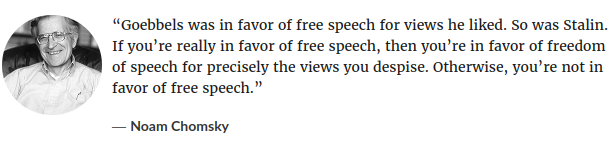
@ylecun Trump's pet-eating claims are ridiculos, and its useful to hear that he thinks these things. What I really dislike, is when people attemt to use law to shut him up or punish him for his views. Chomsky got it right. You don't
I just tried OpenAI o1. I wanted to test its ability to reason about a genuinely new scientific idea. Although it was fun, it illustrated to me that o1 still can't think outside the box in the way that is needed to generate genuinely new understanding.
The conversation was about panpsychism. I asked o1 to help me think about how hypothetical proto-consciousness features of elementary particles could be formulated to explain particle properties that are otherwise considered fundamental, such as mass, spin, or charge.
proto-consciousness -> mass, spin, charge, etc
In it's response, it kept falling back to wanting to derive proto-consciousness from fundamental principles, rather than the other way around, implicitly falling into emergentist reasoning.
So, o1 is certainly great at exploring current human knowledge, but I doubt it is useful for generating new knowledge in the true sense of the word.
Human creativity, inspiration, and genius still have a role to play - at least for now.
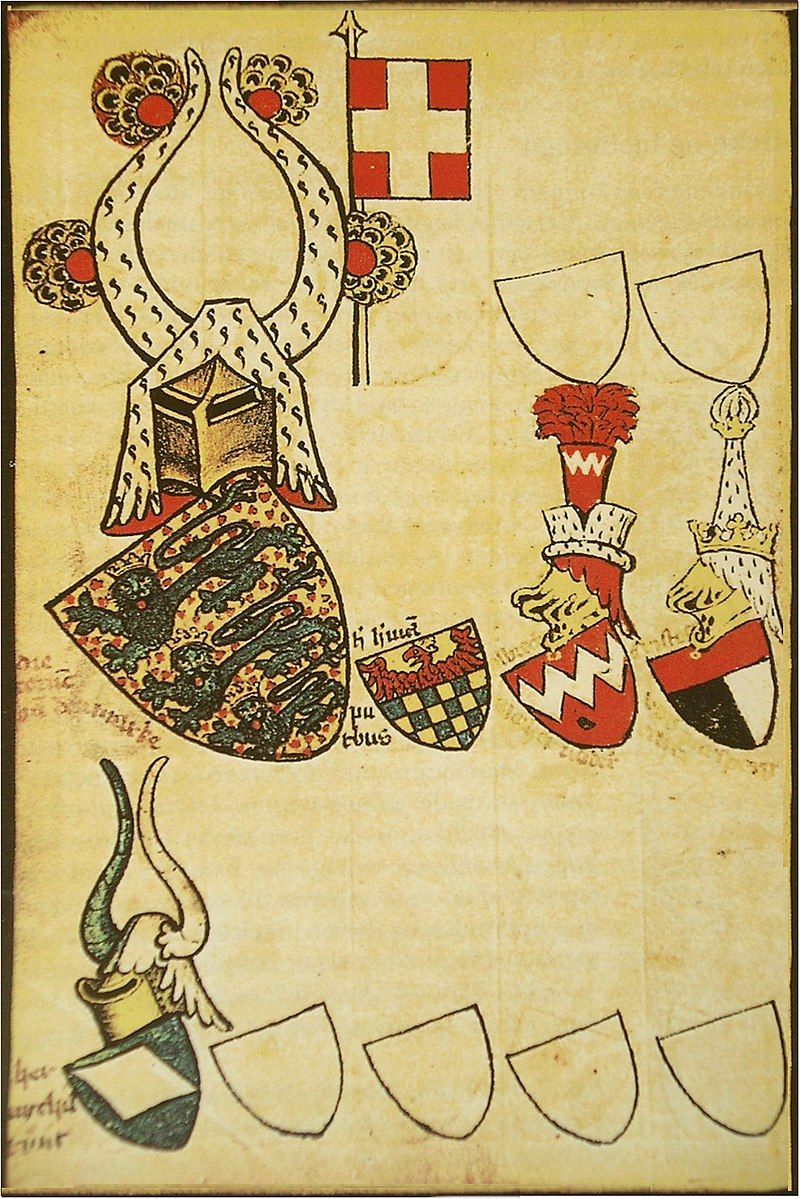
@stats_feed Just like the last time you posted this overview, let me point out that the Danish flag, known as the Dannebrog, is first indisputably attested in the Gelre Armorial around 1350, although written sources claim it had been in use earlier.