Congratulations to the Hot Cities team – it's great to see this work recognised.
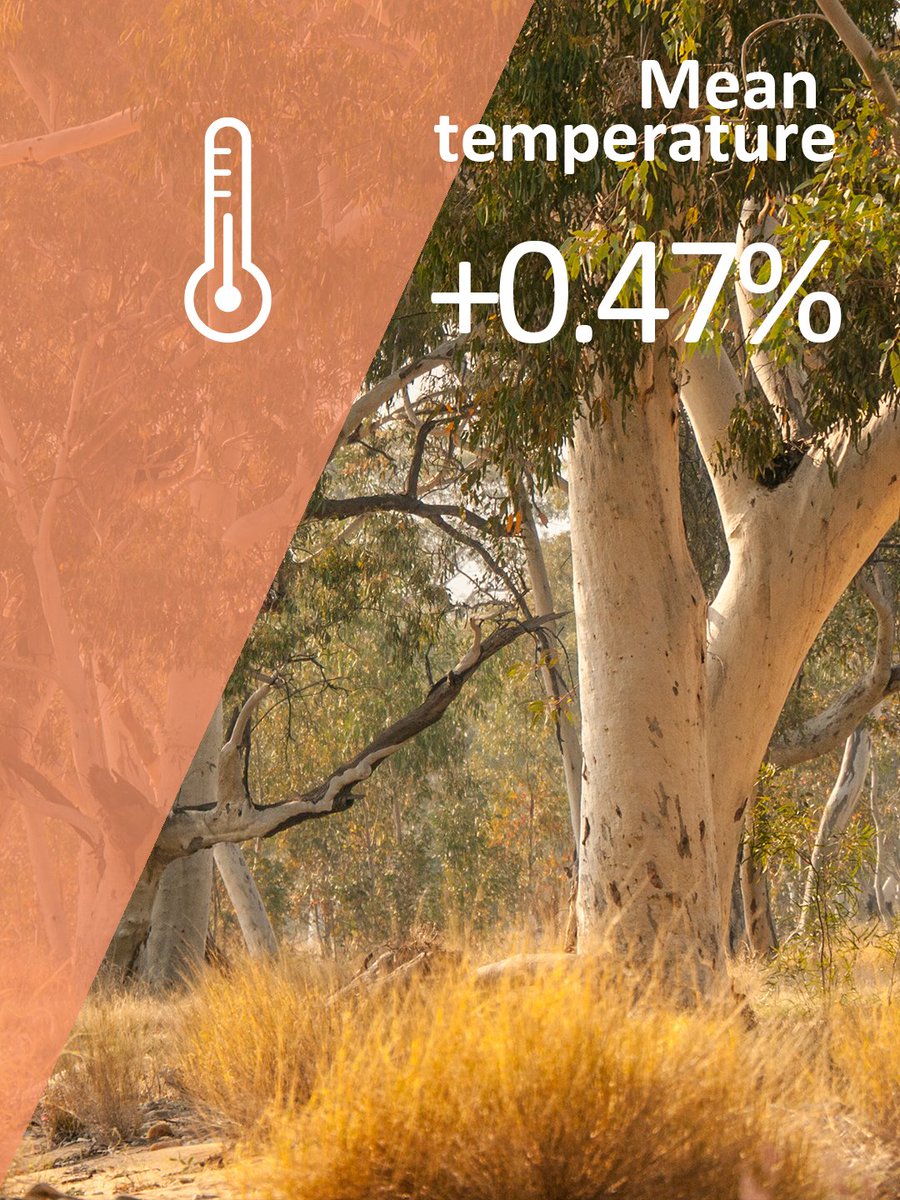
We're proud to see CWSS members Bryan Boruff, John Duncan, Sally Thompson, and Warin Chotirosniramit , together with colleagues at @RMIT, win the Planning Research award at the Planning Institute of Australia's 2026 WA Awards for Planning Excellence.
Why is (re)development hot? delivers the first national, parcel-level evidence of how residential (re)development contributes to urban heat across five Australian cities. Combining very high-resolution imagery, machine learning and microclimate modelling, the team isolated the warming effect of each type of (re)development and linked it to the planning controls that shape it.
As a WA state winner, the project now goes on to the National Awards for Planning Excellence next May. Good luck to Bryan, John, Sally, Warin and the RMIT team!
Explore the project: https://t.co/L8FWiewtXN
#UrbanHeat #UrbanPlanning #SpatialScience #ClimateResilience #UWA #CWSS
@UWAresearch@uwanews@hazographer@John_Duncan88@DrSallyET
Last week CWSS hosted Dr Julie Hope (Scottish Oceans Institute, @univofstandrews) for a special guest seminar at @uwanews: “Who is processing the carbon? Microbes, biofilms and coastal sediment function.”
On a Scottish mudflat, the team paired CO₂ flux chambers at 79 plots with drone and handheld multispectral imagery. The challenge is that biofilms are patchy at the millimetre scale, so even a 2–3 cm drone pixel averages over them. The next step is using machine learning to link what the cameras see to what the microbes are actually doing.
Why it matters for WA
Julie is keen to collaborate, from comparing WA’s cyanobacterial mats and salt flats with Scottish mudflats, to testing whether restored sites behave like natural ones. Please get in touch if this overlaps with your work.
If you couldn’t make it, or you’d like to watch it again, the full recording is now on the CWSS YouTube channel 👉https://t.co/uAExTvyAOb
@SAgE_UWA@uwaoceans@UWAresearch@SharynHickey
📢 Join us next Tuesday for a special guest seminar with Dr Julie Hope from the Scottish Oceans Institute, University of St Andrews hosted by Dr @SharynHickey
Seminar Title: Who is processing the carbon? Microbes, biofilms and coastal sediment function
📅 Tuesday, 3 November 2026
📍 Ground Floor Auditorium, UWA Oceans Institute (IOMRC), Crawley
🕛 12:00–1:00pm AWST
💻 In person and online.
🎟️ Free event, RSVP here: https://t.co/NcA9DFNKkL
@SAgE_UWA@uwaoceans
If you’re working at the intersection of machine learning and climate change related topics, check out the #NeurIPS2026 workshop on "Tackling Climate Change with Machine Learning" in Sydney, Australia.
The call for paper and proposal submissions is open until August 29. Learn more: https://t.co/g11HROOzWA
@ClimateChangeAI@SAgE_UWA@UWAresearch
We are delighted to announce the #NeurIPS2026 workshop "Tackling Climate Change with Machine Learning", Dec 11/12 in Sydney, Australia.
🗓️
• Mentorship program: Aug 1
• Abstract deadline: Aug 22
• Full submission deadline: Aug29
Learn more here: https://t.co/NqiENwTCyj
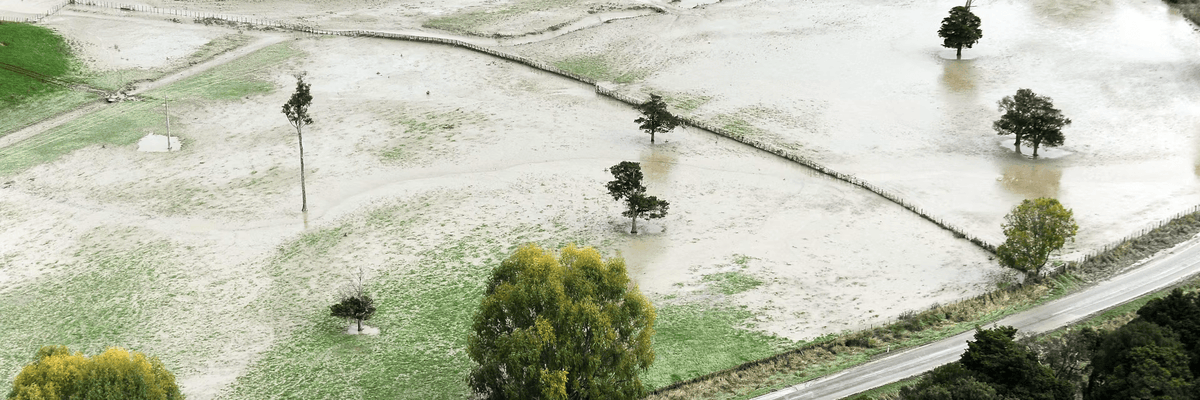
A new article published in @ConversationEDU explores a hidden threat that could reshape how we understand coastal flood risk in New Zealand.
CWSS member Dr Amandine Bosserelle from @UWAresearch, together with Associate Professor Leanne Morgan from the University of Canterbury, explain why rising groundwater needs to be considered alongside the water we see on the surface.
Read the full article and which also highlights their recent research: https://t.co/mOMDrlvu2a
@SAgE_UWA
#groundwater #aquifer #floodmaps #floodrisk #coastalareas
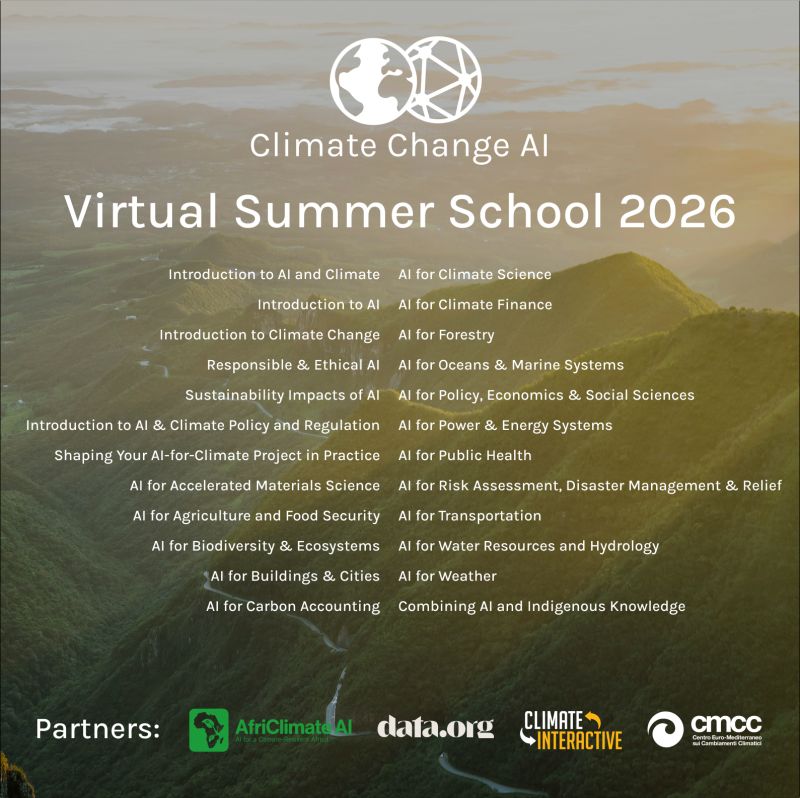
Join the @ClimateChangeAI Virtual Summer School 2026 - it’s happening right now Southern Hemisphere folk so don’t get tricked by the Summer!
This program provides participants with the opportunity to learn about the responsible, impactful use of AI for climate action. It is designed for a global audience from across sectors and career stages, including researchers, practitioners, decision-makers, and students across academia, industry, entrepreneurship, civil society, and the public sector.
🕑 July 19 to August 22, 2026
🌿 Virtual with synchronous (recorded) lectures and asynchronous interactive coding tutorials
Learn more and register at https://t.co/27NkYBnOr9
@UWAresearch@uwanews@SAgE_UWA
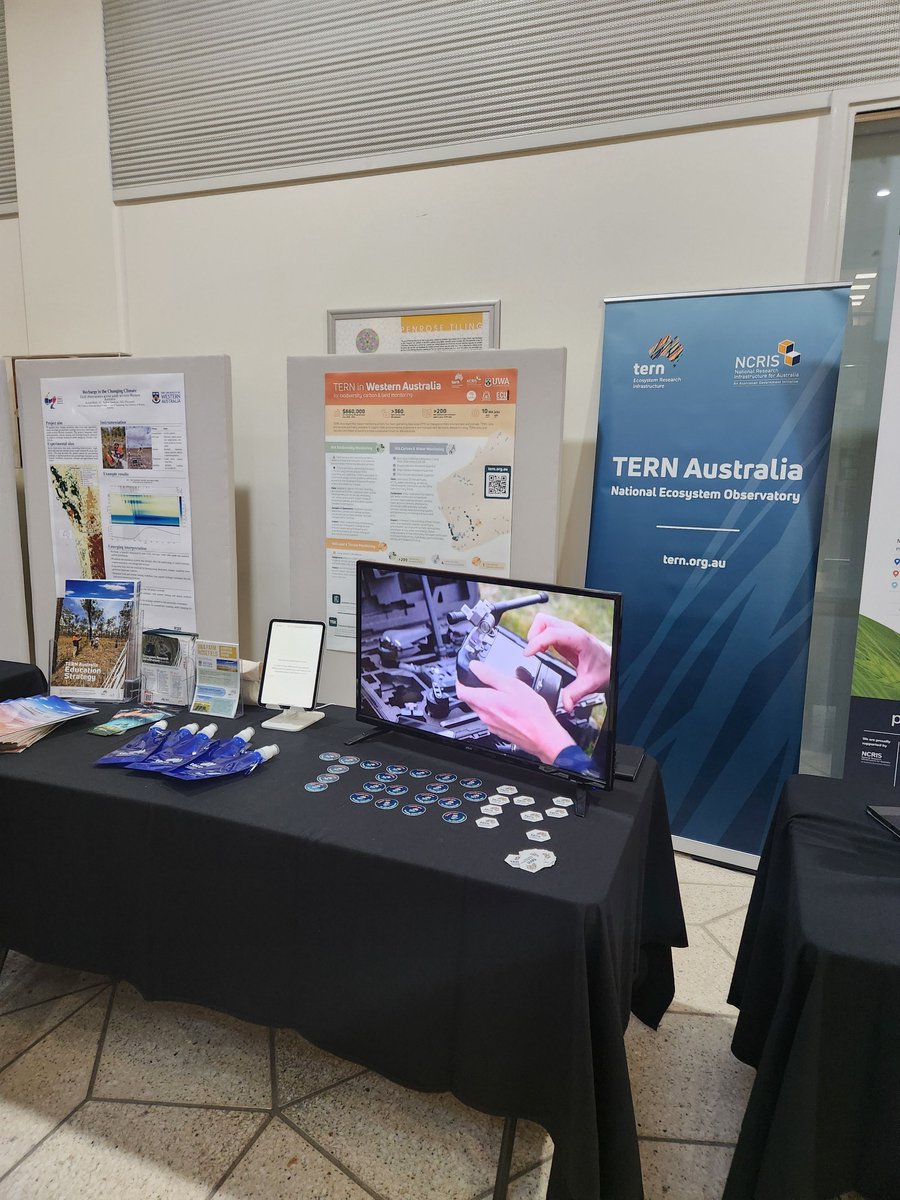
🎉 Congrats to @CWSSUWA on its 3‑year Seminar & Networking Event, and to Prof. Sally Thompson for receiving EGU's Henry Darcy Medal for hydrology. The research breadth was outstanding; TERN proudly participated and learned how widely its data and sites are used.
Community forum: Urban development & high groundwater
Hear from our researcher Professor Sally Thompson (UWA) and join the discussion on local water challenges in the Swan region.
📍 Caversham Memorial Hall
🗓 Fri 19 June | 9:00–12:30
📩 Register: email [email protected] with subject: Groundwater forum
@UWAresearch@SAgE_UWA #Groundwater #WaterManagement #UrbanPlanning
Happy #WorldOceanDay.
"World Ocean Day is more than a once-a-year celebration, it’s an opportunity to build momentum and strengthen commitment to protecting this vital yet all too often out-of-sight, out-of-mind marine ecosystem." - Dekota Mark, Australia, World Ocean Day Coordinator 2026
At CWSS, we support the message of World Ocean Day, officially recognised by the United Nations since 2008. The ocean regulates the climate, produces over half the oxygen we breathe, and sustains life on Earth.
By working together, we can restore what has been lost, protect what remains, and ensure that future generations inherit a thriving ocean and a stable climate.
Take action via the official WOD website: https://t.co/xYnsmFmkqc
Find out how CWSS research is working for the ocean: https://t.co/PNoDy2XNkq
@WorldOceanDay #OceanClimateAction #WorldOceanDay2026
@SAgE_UWA@EarthSci_UWA
🌱🌊 Mangrove & Marine Science Panels & Talks
📅Friday 19th June 2026, 8:10-10:45AM
📍 IOMRC Auditorium UWA
We're delighted to bring together leading researchers across marine and coastal sciences to discuss cutting-edge research and cross-disciplinary science.
With expertise spanning plant physiology, climate science, mangrove ecology, marine invertebrates, coastal geomorphology, and spatial ecology, we're sure it will be a fantastic opportunity to connect and collaborate!
Panel Session 1:
•Professor Catherine Lovelock - Mangrove Ecologist, University of Queensland
•Associate Professor Ruth Reef - Coastal Geomorphologist, Monash University
•Professor Marilyn Ball - Plant Ecophysiologist, Australian National University
•Dr Sharyn Hickey - Spatial Ecologist, The University of Western Australia
Panel Session 2:
•Professor Maria Byrne - Marine Biologist, University of Sydney
•Dr Shawna Foo - Marine Biologist, University of Sydney
•Associate Professor Eleanor Bruce, Coastal Geographer, University of Sydney
•Dr Claire Spillman - Principal Research Scientist, Bureau of Meteorology
Register to attend at: https://t.co/WY7xvm8nD1
See you there!
@uwaoceans@uwanews@SAgE_UWA@UQ_News@MonashUni@ANUmedia@Sydney_Uni@BOM_au
We are excited to invite our partners across industry, government, and research to join us for a special milestone event celebrating 3 years of the Centre for Water and Spatial Science (CWSS) at @UWAresearch
We are honoured to host the 2026 Henry Darcy Medal Seminar, delivered by Professor Sally Thompson, who will present: “Ecohydrological Adaptation to Climate Change – from Gondwana to the Globe”.
The afternoon will also feature:
• CWSS Centre overview and research highlights
• Posters from our HDR students, postdoctoral researchers, and academic staff showcasing projects across the Centre’s themes
• Networking session to connect, share ideas, and explore opportunities for collaboration
We look forward to welcoming you to UWA.
📍 Wilsmore Lecture Theatre & Bayliss Atrium, The University of Western Australia
🗓️ Tuesday 23 June 2026
🕒 3:30 PM – 6:30 PM (AWST)
🥗 Free drinks and nibbles provided
🎟️ Registration link: https://t.co/wHTOZZAIVG
"Science Fiction or Our Future" session tickets are sold out! Are you going? CWSS researcher @SharynHickey will be there talking about "Big Data, Big Coasts"
#DataScience
Pint of Science is coming to Perth in May, featuring several UWA researchers.
18: Science Fiction or Our Future
🎫https://t.co/MAgMheqiIe
19: Circle of Life: Birth, Sex and Death
🎫https://t.co/U9mTYerIWb
20: What Makes Us Sick & What Makes Us Well?
🎫https://t.co/BPJlYmnfDv
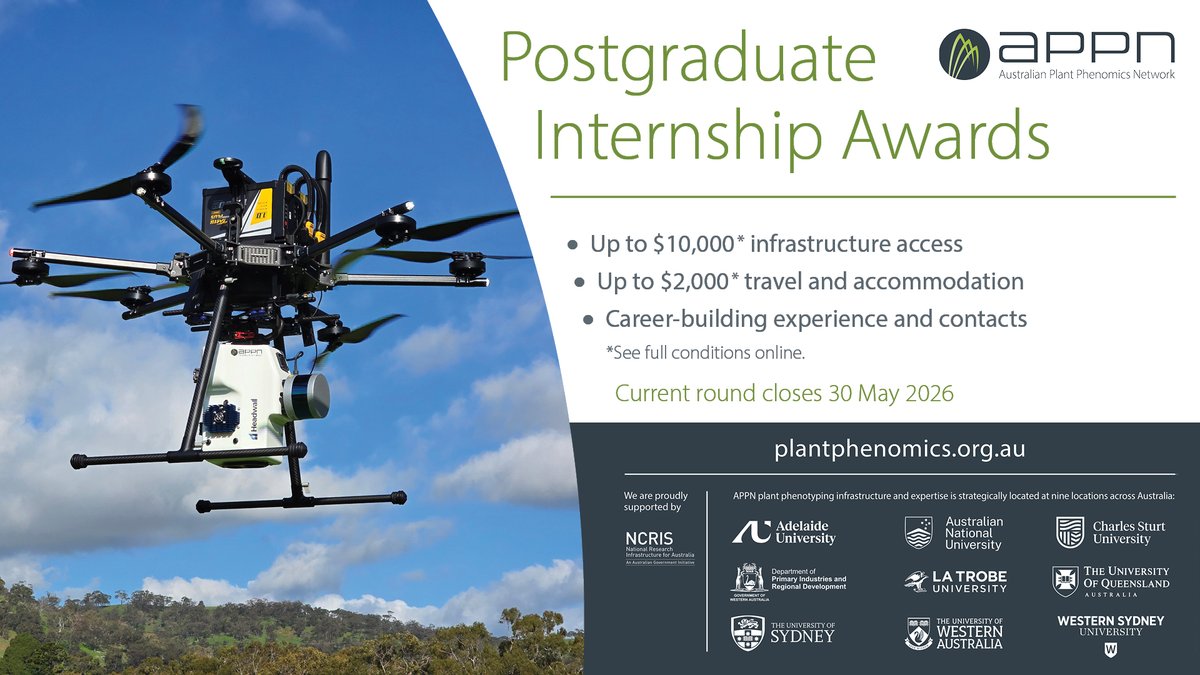
HDR PLANT SCIENCE STUDENTS: Apply now for up to $10k of infrastructure access, travel support and career-shaping experience at any APPN Node. Applications close 30 May.
https://t.co/4BrwbrBzOG
#NCRISimpact
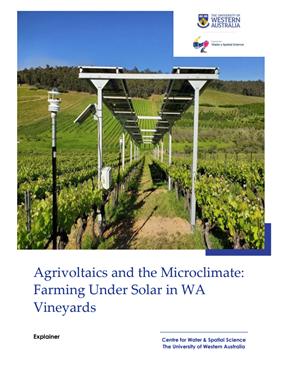
How do Agrivoltaics - combining solar energy generation with agricultural production - work?
Take a look at our new science explainer about the use of solar panels in Australian farming systems, linking to a project using a commercial WA vineyard demonstration to show how agrivoltaics affect the microclimate under solar:
https://t.co/UwZHUKEsm7
For more information about the project, visit: https://t.co/nCqRdRcMCO.
To register to attend a FREE visit to the demonstration site on 22nd April, visit: https://t.co/WPApCVv2VY
This study is part of the “Plant Production Agri-Voltaics” project led by University of Melbourne, funded by @AgriFuturesAU. In Western Australia, the project is coordinated by the @south-west-wa-drought-resilience-adoption-and-innovation-hub South-West WA Drought Resilience Adoption and Innovation Hub (SW WA Hub) in partnership with Plume Estate, @Sunrise Energy Group, and @The University of Western Australia and receives funding from the Australian Government's Future Drought Fund.
@SAgE_UWA@GGA_WA #FutureDroughtFund #Agrivoltaics
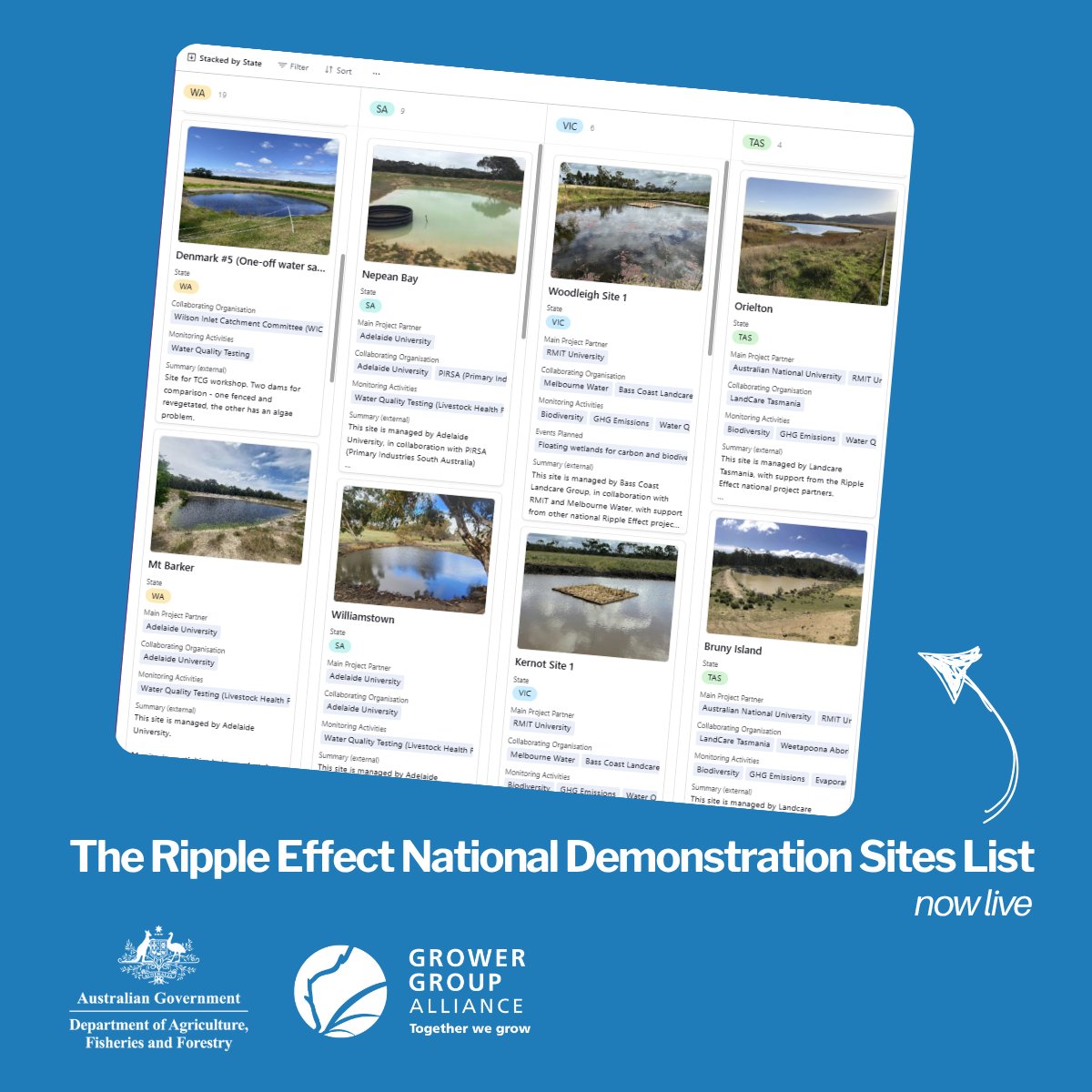
Curious about what’s happening at dam demonstration sites across Australia? 🌱💧
The Ripple Effect National Demonstration Sites list is live on the GGA website, enabling browsing sites by state and delving into the details.
From monitoring activities to project partners and key collaborator, access the gallery here 👇
https://t.co/FVmpHjrLEn
Learn more about The Ripple Effect project via https://t.co/aSF8aZG6MA
This project is supported by the Australian Government through funding from the Climate-Smart Agriculture Program under the Natural Heritage Trust.
#therippleeffect #GGAtherippleeffect #naturalheritagetrust #australianagriculture #sustainableagriculture
🌿 Here's your look at Australia's environmental indicators!
The #AusEnv2025 report brings together key indicators on climate, land, water, oceans, atmosphere and biodiversity, revealing how our country's environment is changing.
Find out more at https://t.co/wvwVXJmXYH
📣 Last days to register
Vitivoltaics in the Valley returns on 22 April, showcasing trial results from Western Australia’s first solar array built above a commercial vineyard in the Perth Hills.
The project is testing how agrisolar can provide alternative energy options for the viticulture industry while maintaining grape quality.
Join the event to tour the site and explore the production and economic modelling behind the system.
🎟️ Register for this FREE event: https://t.co/09cxvDEoxm
University of Melbourne #WADroughtHub @AgriFuturesAU #FutureDroughtFund
📢 PUBLIC TALK: "Eating the Sun"
💡 How carbon assimilation responds to heat stress and rising atmospheric CO₂
📈 Strategies to improve photosynthetic performance in crops using genetic manipulation & natural acclimation responses.
📍 Fox Lecture Theatre, UWA
📅8 April 2026 5-6pm AWST
👉 Dr Amanda Cavanagh, Director of the Plant Productivity Research Group at the University of Essex and Gledden Visiting Fellow at the UWA Institute of Advanced Studies
@SAgE_UWA@IAS_UWA #PlantProductivity #AgTech #ClimateScience
😍 @LogicLabAI pointing out how small changes make a huge difference 👍
🍊 Find out more about the CitrusNet software - and let us know if you plan on using it!
👉 https://t.co/Fp1yqa6dsy
@CWSSUWA specialized AI for agriculture might quietly be one of the most important things happening in tech right now, and citrus detection at 91%+ precision is exactly the kind of unsexy breakthrough that feeds people.