𝗖𝘆𝗯𝗲𝗿𝘀𝗲𝗰𝘂𝗿𝗶𝘁𝘆 𝗶𝘀𝗻’𝘁 𝗷𝘂𝘀𝘁 𝗮𝗯𝗼𝘂𝘁 𝗳𝗶𝗻𝗱𝗶𝗻𝗴 𝘃𝘂𝗹𝗻𝗲𝗿𝗮𝗯𝗶𝗹𝗶𝘁𝗶𝗲𝘀.
It’s about understanding what’s exposed, what matters, and what to do next.
𝗧𝗵𝗮𝘁’𝘀 𝘄𝗵𝗮𝘁 𝘄𝗲’𝗿𝗲 𝗯𝘂𝗶𝗹𝗱𝗶𝗻𝗴 𝗮𝘁 𝗖𝘆𝗯𝗲𝗿𝗦𝗲𝗰.
#Cybersecurity#InfoSec
Most cybersecurity tools don't have a feature problem.
They have a UI problem:
=>Too much data
=>Too much noise
=>Too little clarity
Good UX helps people make better security decisions.
That's the experience we're building at CyberSec Toolkit.
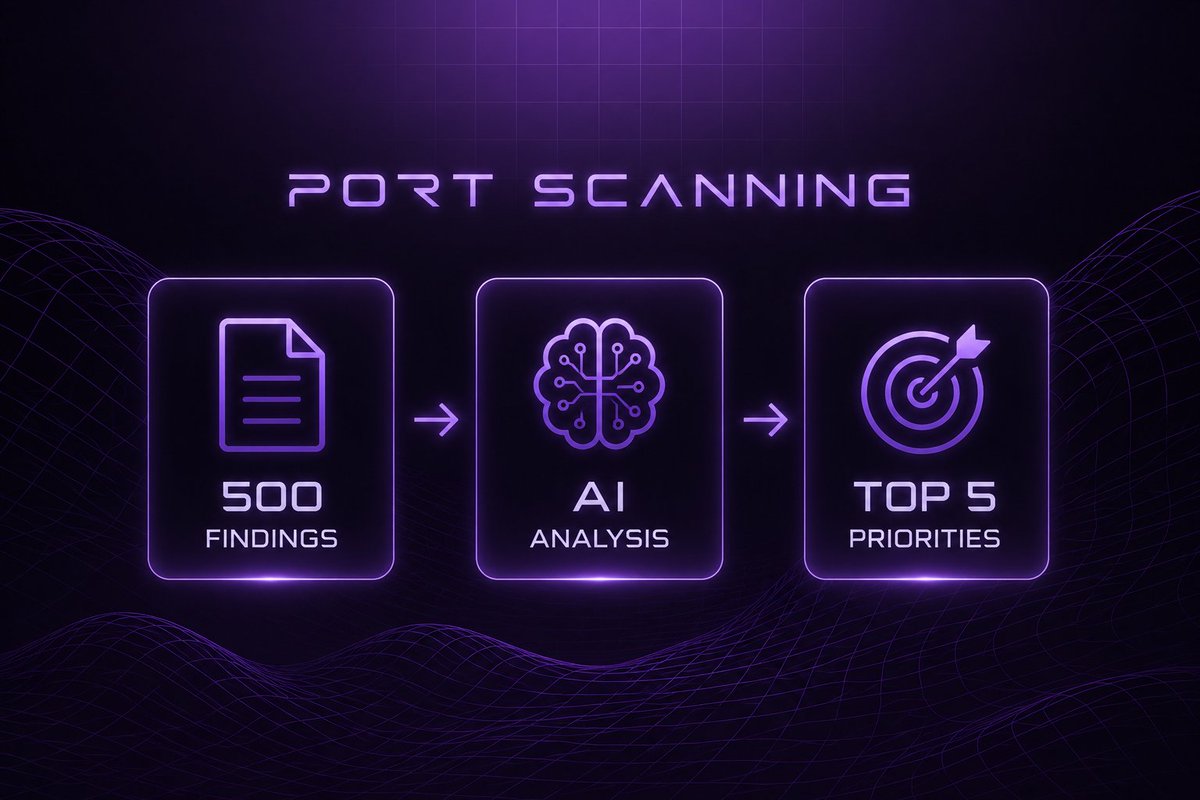
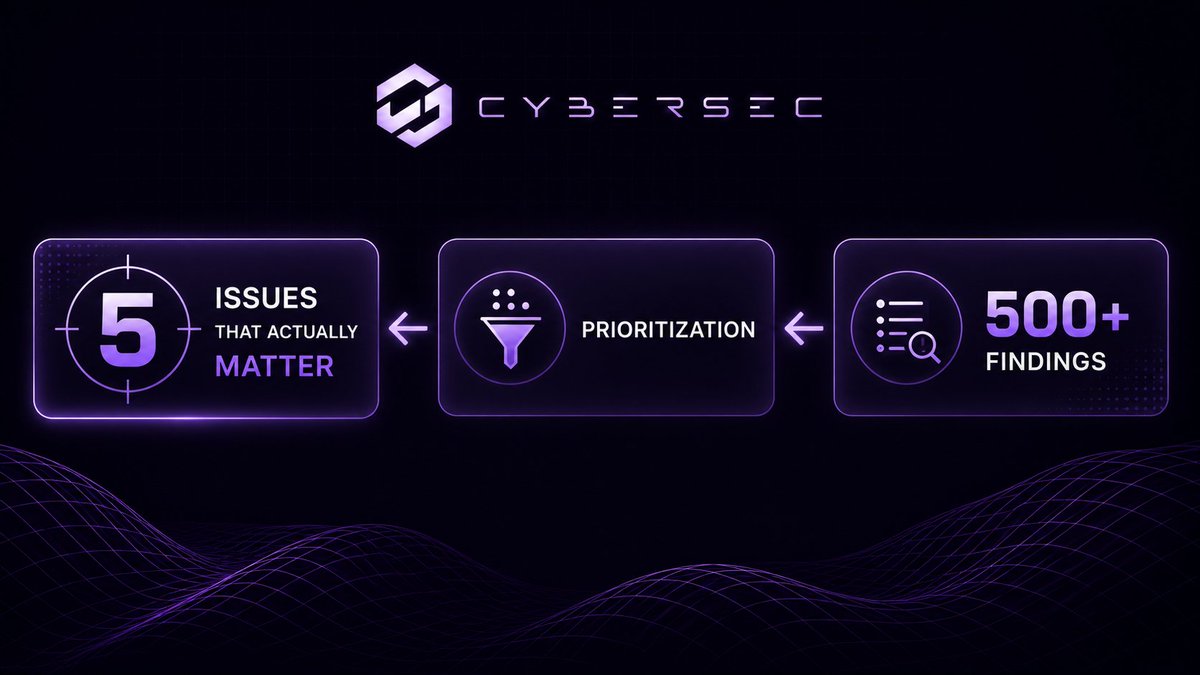
Imagine uploading a security report with 500 findings...
Instead of reading 120 pages, you instantly get:
• What matters most
• Why it matters
• What to fix first
That's the kind of workflow security teams deserve.
Severity is only one piece of the puzzle.
A Critical vulnerability on an internal test server may be less urgent than a Medium vulnerability on a public-facing production API.
Context beats CVSS.
#CyberSecurity#AppSec#DevSecOps
A security scan can return hundreds of findings.
That doesn't mean you have hundreds of problems.
The hard part isn't generating results.
It's understanding which findings deserve your attention first.
#cybersecurity#buildinpubulic
I'm curious, what part of your security workflow takes the most time today: collecting data, prioritizing findings, or explaining risk to stakeholders?
Most security tools are good at finding issues.
They're much less helpful at answering: "Which findings actually matter, and what should I do next?"
I think the biggest challenge in cybersecurity isn't collecting more data. It's turning findings into decisions.
#cybersecurity