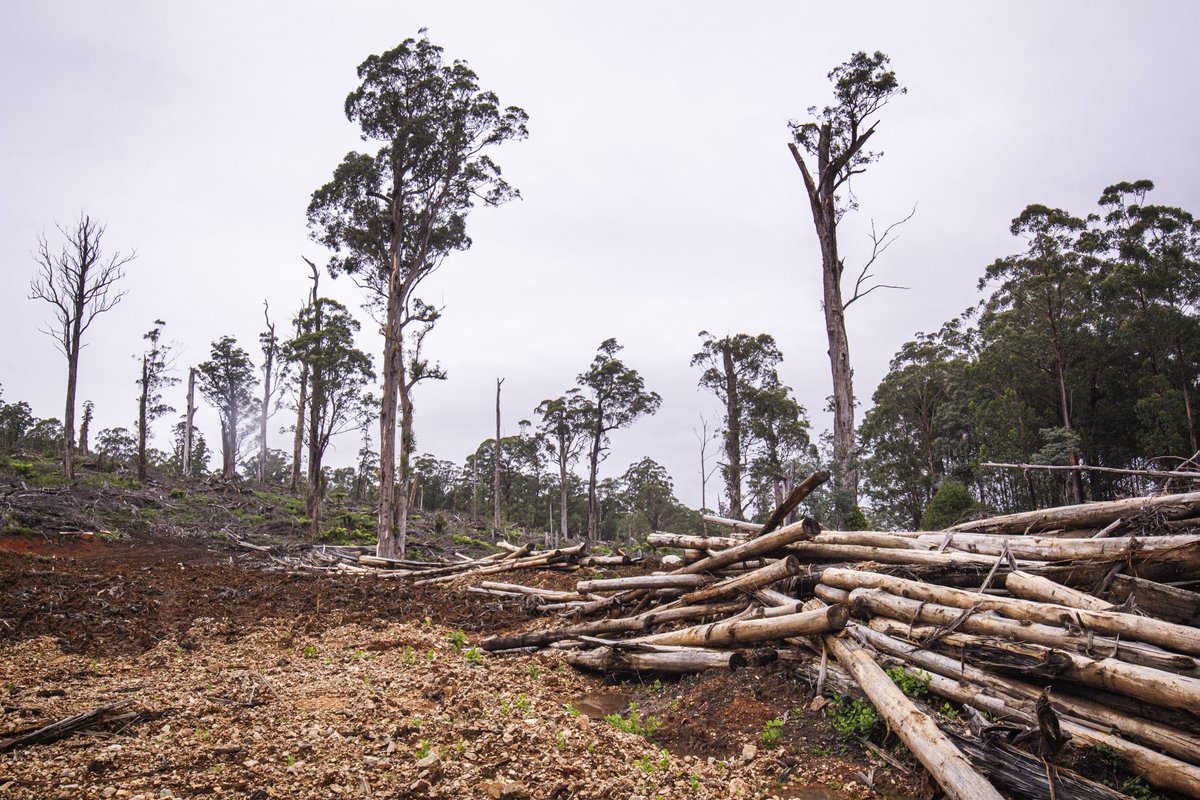
The science shows that logging opens up the canopy, drying out the forest, and puts tonnes of stumps, bark and limbs on the ground, all of which acts as kindling in fire prone environments. Logging increases #firerisk and a serious safety issue for humans https://t.co/gPH3iBrE7f
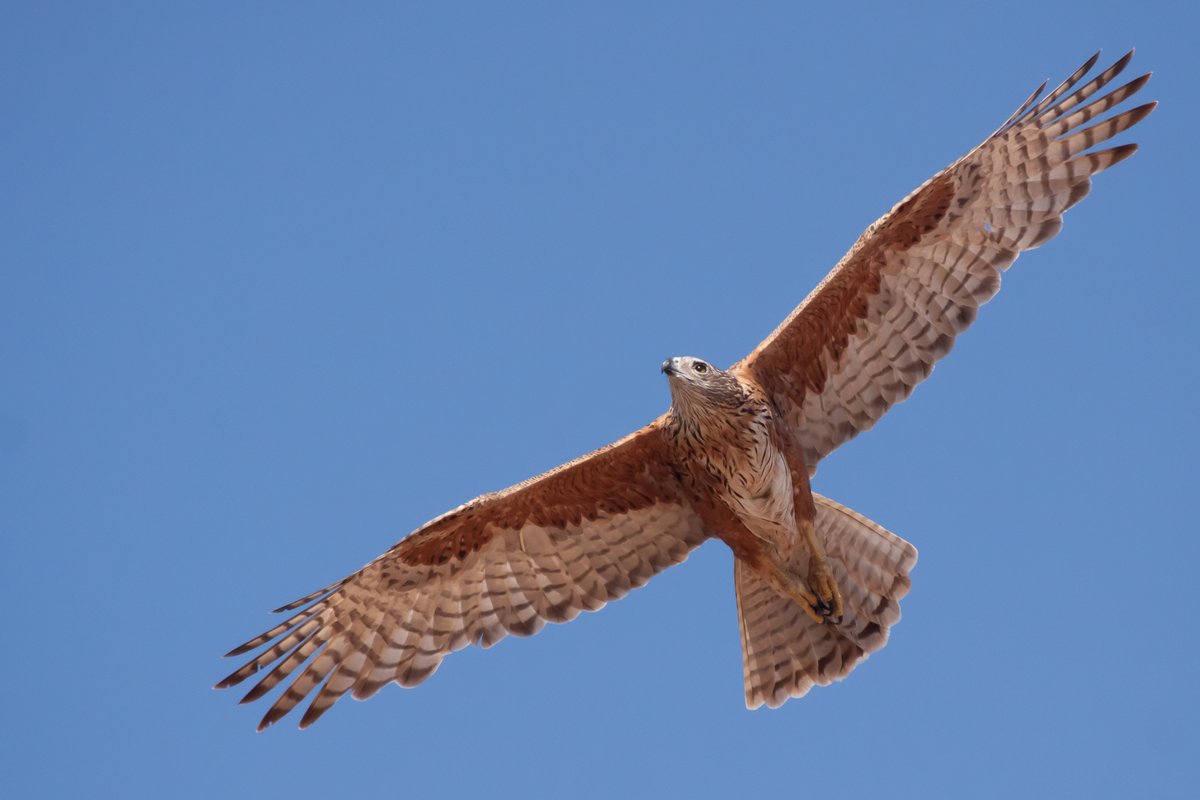
Australia's red goshawk has disappeared from 34% of its range, & the results of a new population assessment from @CMacColl & @cyclonewatson were "worse than expected." Yikes. https://t.co/ADESVrpq53
The red goshawk, Australia’s rarest bird of prey, is on the verge of extinction.
#UQ researchers led a team that analysed 40 years of sightings by citizen scientists to uncover its population trends.
Read more: https://t.co/FLM2XzInD6
@UQscience
@cyclonewatson@CMacColl
However, this region is also subject to ongoing development pressure from agriculture, mining, and gas projects which require large-scale habitat removal or alteration.
https://t.co/zmJ0BlAiwB
Northern Australia supports the largest expanse of in-tact tropical savanna in the world, and the last known breeding populations of RG's. Striking the right balance between development and habitat preservation will be critical to the persistence of this unique Australian species
New research published today reveals the extinction and ongoing loss of Australia’s rarest bird of prey, the #RedGoshawk (Erythrotriorchis radiatus), over two-thirds of its historical range in just the past four decades…. https://t.co/nIpDDDIIZ3
Human responses to climate change will likely determine the fate of biodiversity | Proceedings of the National Academy of Sciences https://t.co/WIE8zfyFRl
If Queensland was a country, it would have been the ninth highest forest destroying nation globally in 2019.
And it's largely to farm cattle.
This comes at a huge cost to our native animals and plants.
https://t.co/YLG8iLnXrt @manammichelle @cyclonewatson@UQ_News
We looked at when offsets far from an impact site might be beneficial, and found that (at least for migratory shorebirds) the risks and uncertainty likely outweigh the benefits @martine_maron @SamNicol16 @saunders_meg@cyclonewatson
https://t.co/9MFA76LulK
It is critical to distinguish different types of restoration to meet the objectives of the GBF to increase natural ecosystem area and integrity. Contributions to #CBD#COP15 led by Paul Leadley and a great international group. See @PLOSSustain https://t.co/fOkBVqyDl0
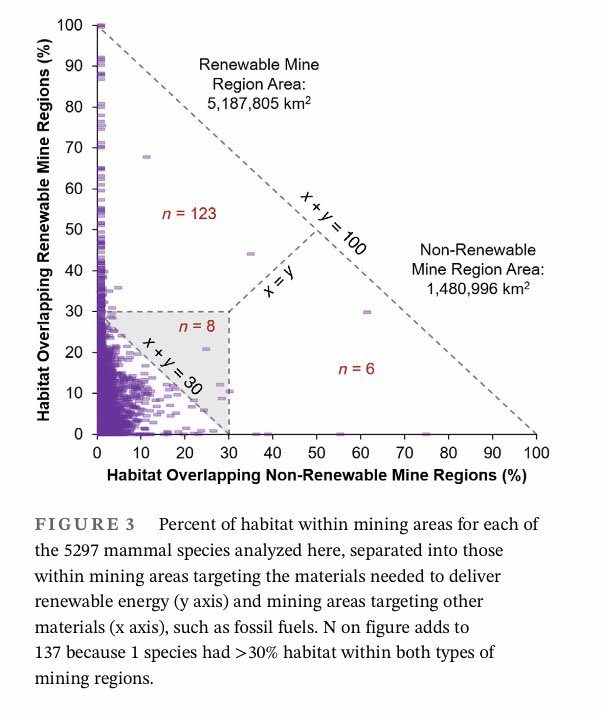
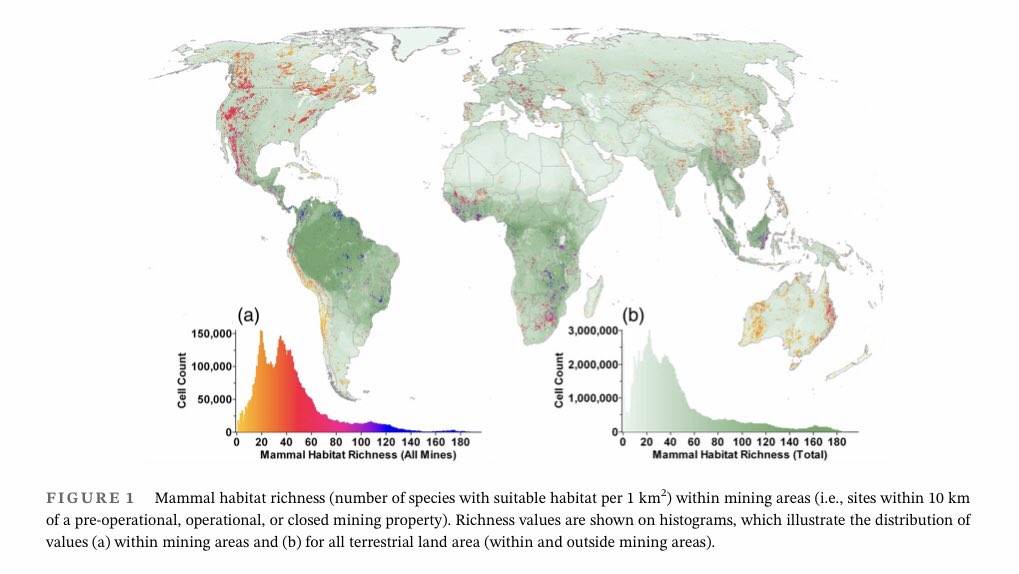
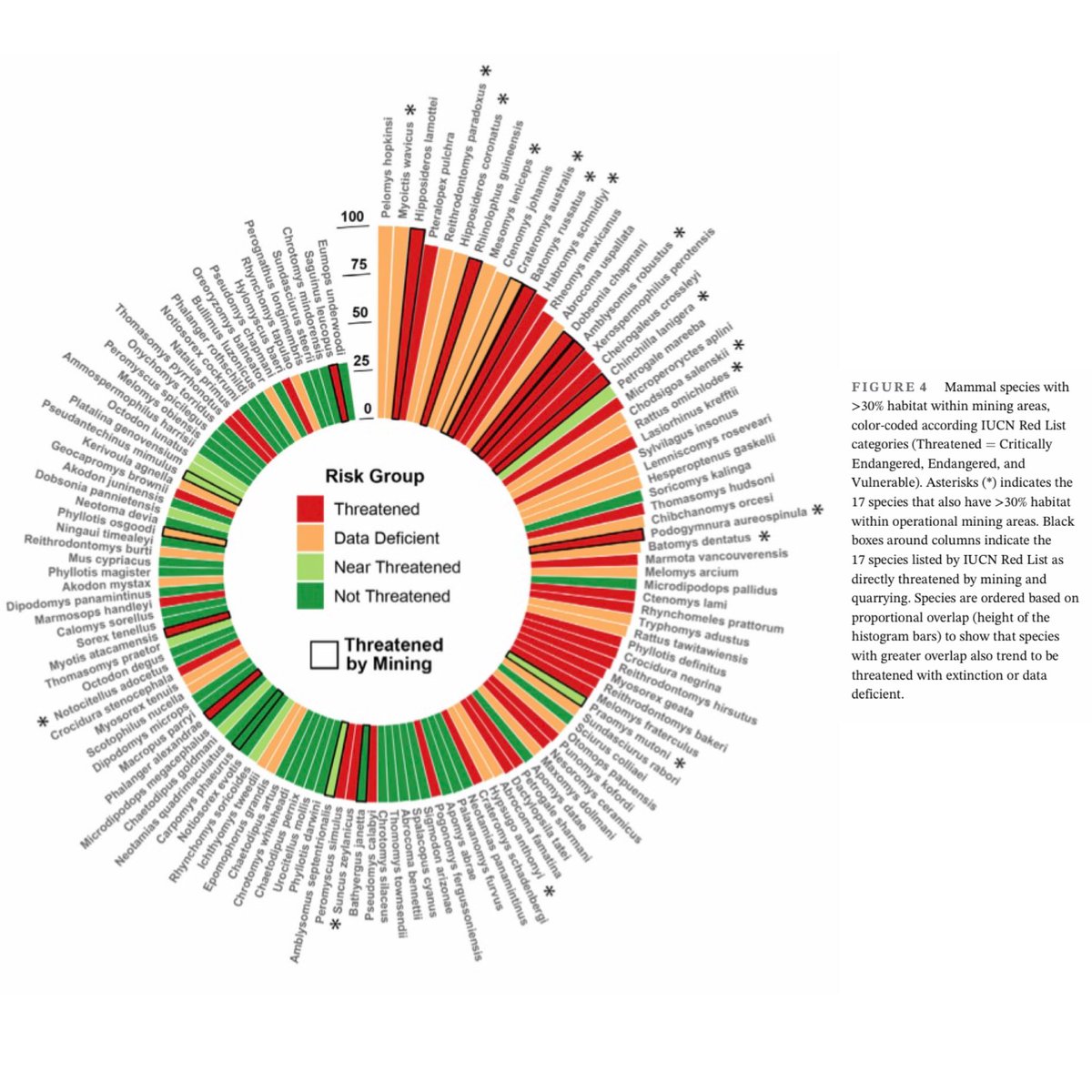
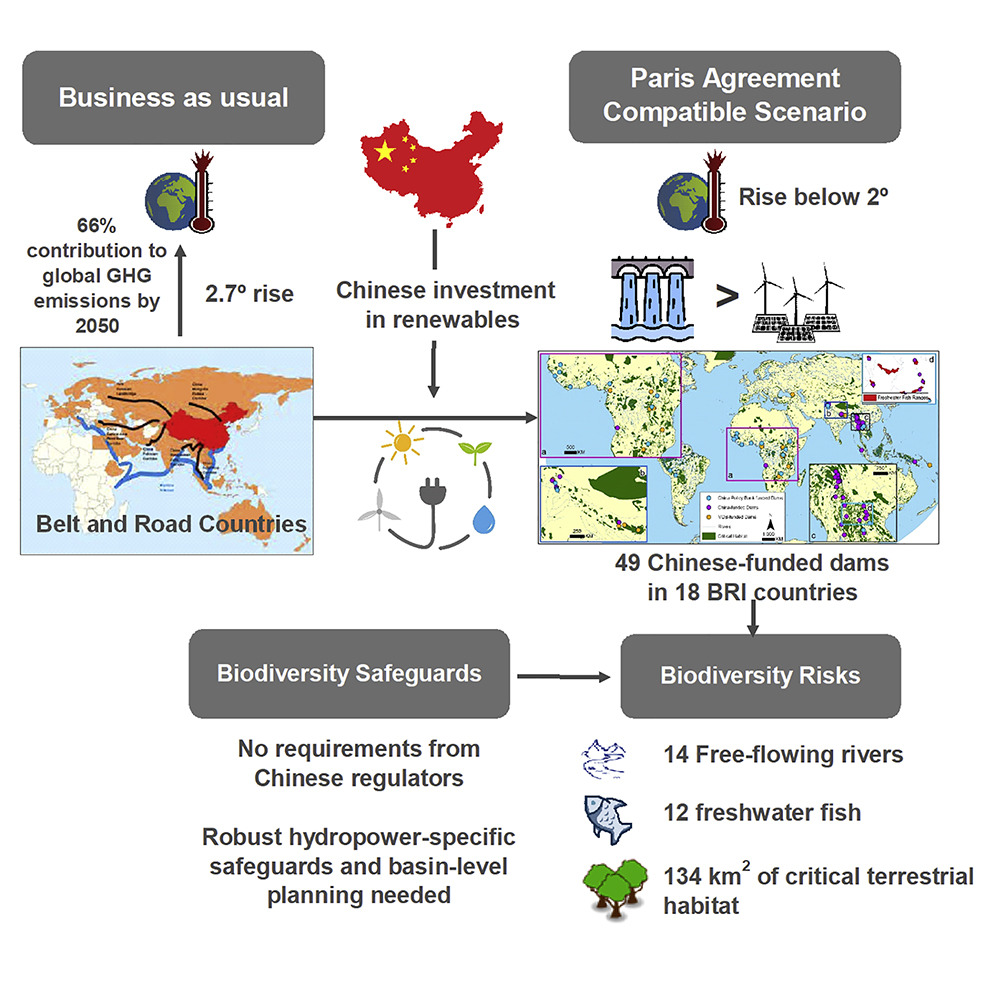
Now online: mining threats to mammal habitat globally. Considerable mismatch between IUCN assessments and observed risks from mining. Threatened and DD species most impacted. Mining for ETMs may inordinately impact mammal habitats if precautions not taken https://t.co/olbeioDiQX
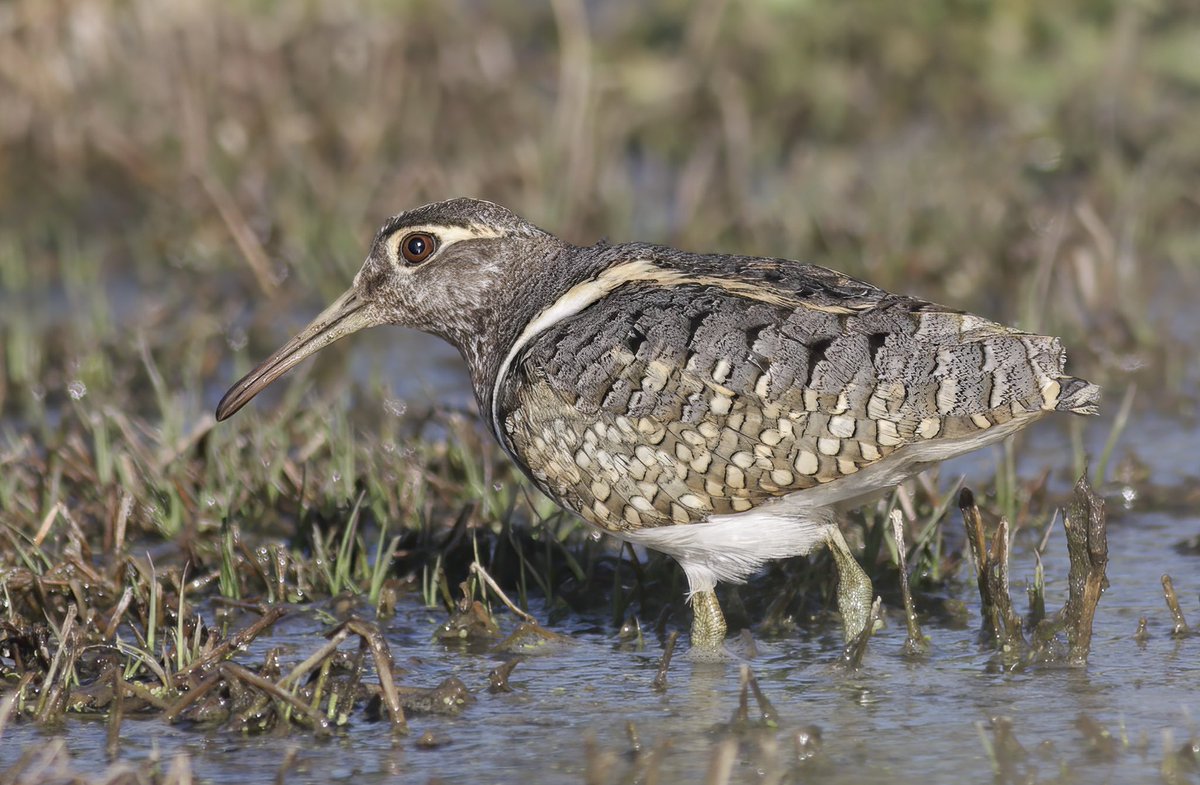
Very excited about this project. In most years, Australian Painted-snipe is possibly the most difficult Australian bird to find. We just don’t know how many are out there-could be thousands, could be only a handful. Help Matt and co find out!
I’m delighted to announce an awesome new project, launching next week. A great team and I are aiming to crowdfund enough to track the endangered Australian Painted-snipe for the first time. Please consider supporting us and spreading the word. @TrackingAPSnipe 📸 @leo_qbn
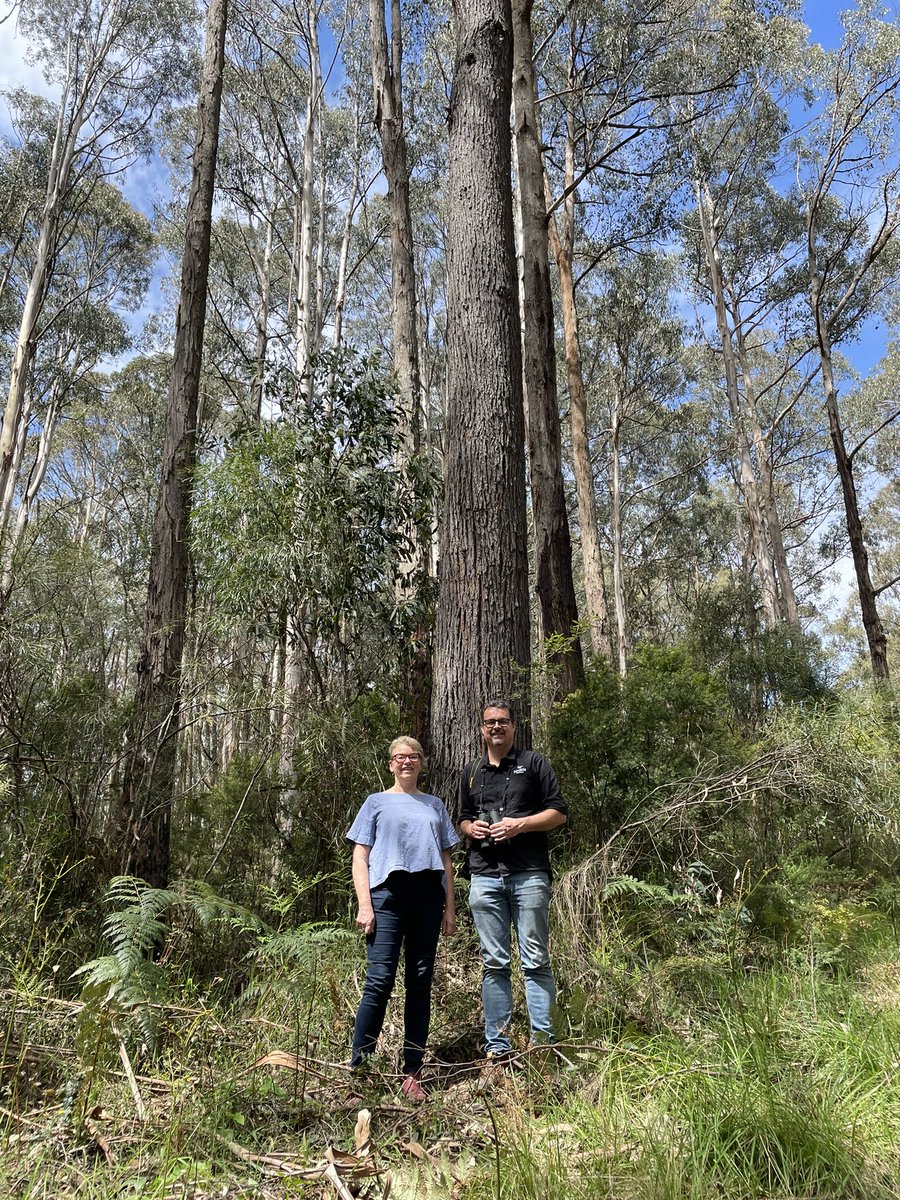
The birds in the #AussieBirdCount I did with Senator @janet_rice today in a native forest earmarked for logging were so good we did a second survey further up the track. A combined 74 birds of 19 species that wouldn’t just be able to ‘move somewhere else if their home was logged
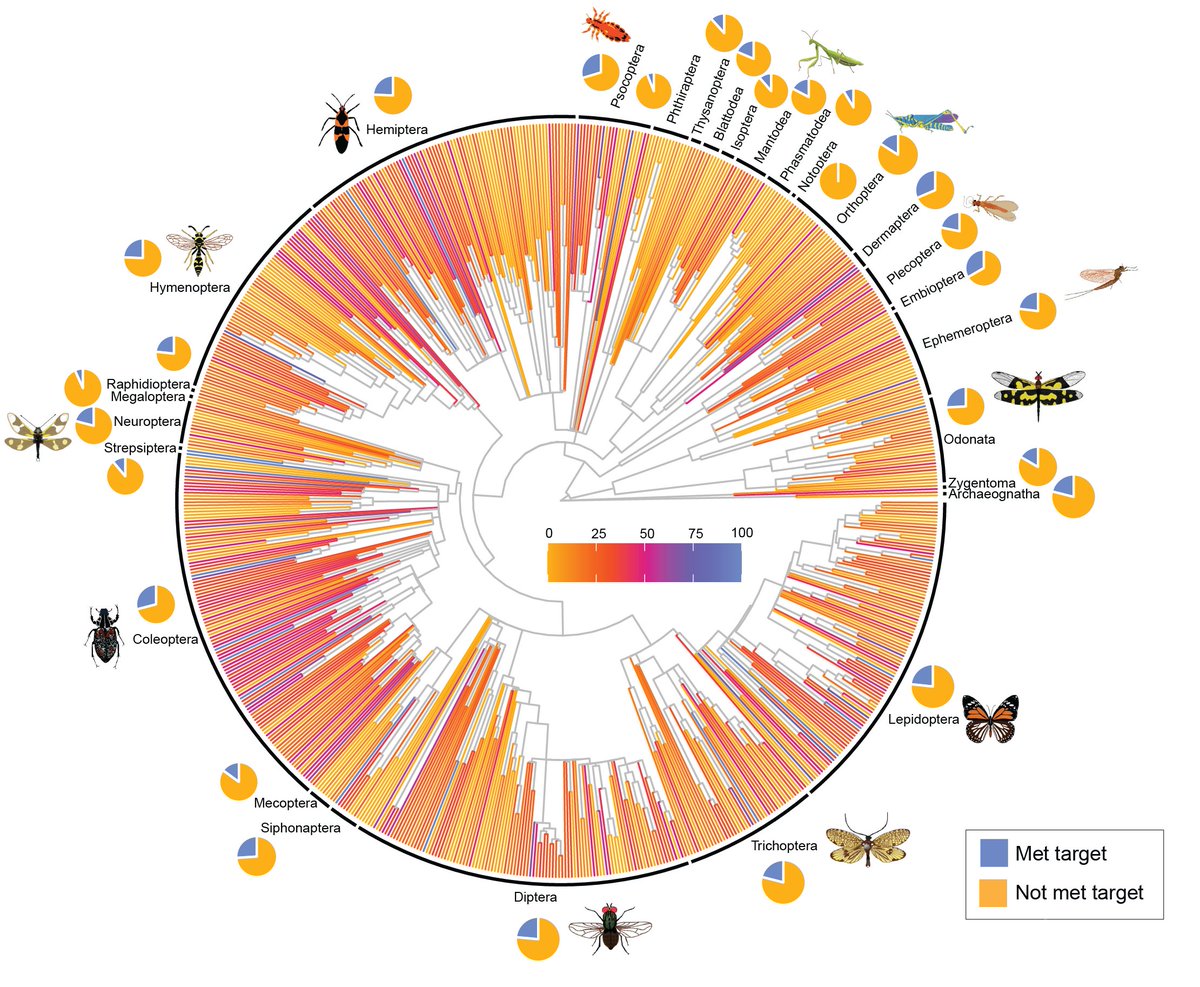
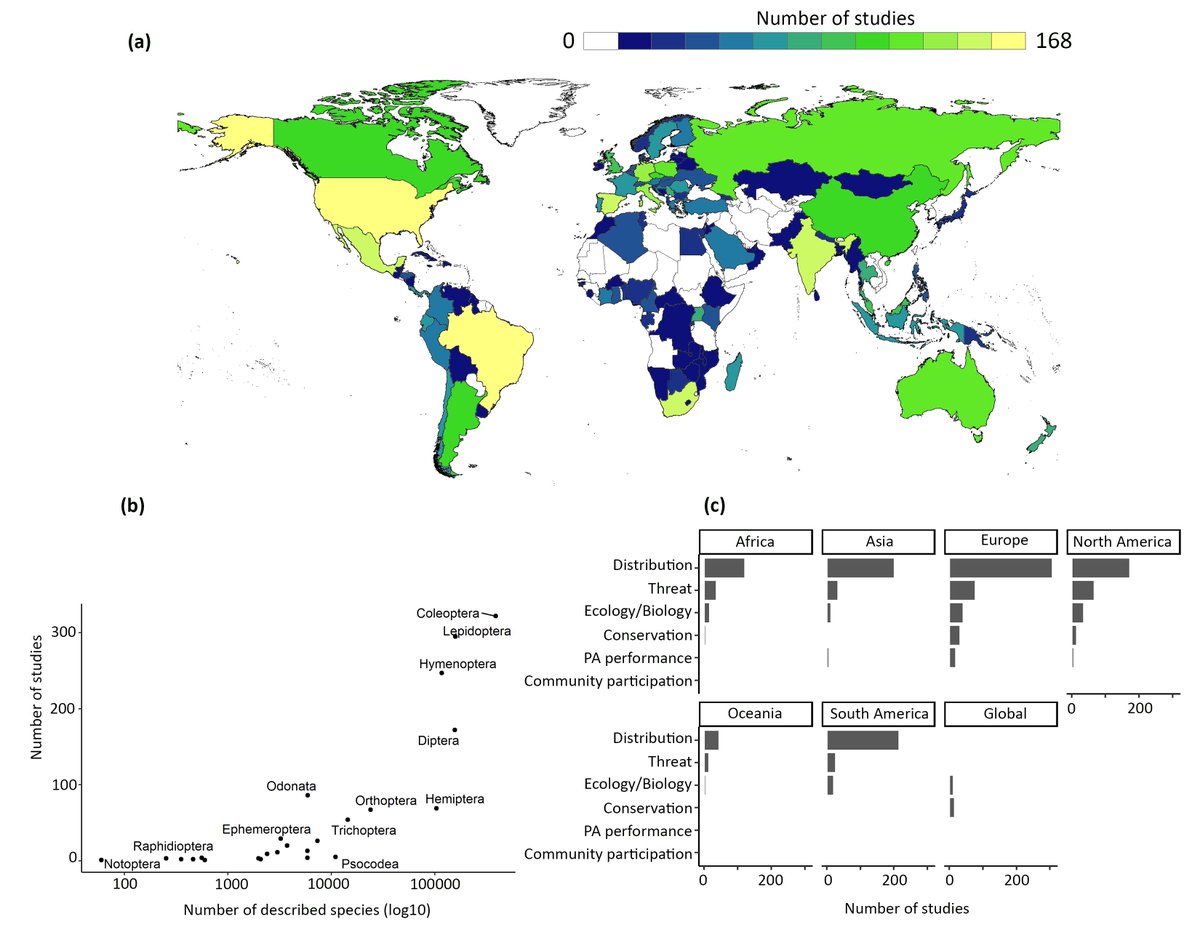
While PAs are a crucial part of biodiversity conservation, there has been little assessment of how well PAs conserve insects. In another study, we show that 76% of insect species are inadequately represented by PAs globally. https://t.co/gbSOHB1fi1 (2/17)
Our #review on protected areas and #insect#conservation is now published in @Trends_Ecol_Evo. In addition to summarising the current trend in literature, we propose a four-step research agenda to mitigate insect #decline. @UQ_CBCS @idiv https://t.co/aNr9SS2kFC (1/17)
Paltry spending means many species severely impacted by the Australian megafires were left in desperate trouble, potentially pushing some closer to extinction.
Research by @manammichelle, @ayeshatulloch + @cyclonewatson:
#Auspol@QUT@UQ_news
https://t.co/XmklQD1tFM
Habitat restoration to prevent extinctions after the 2019-20 bushfires needs $16 billion/year
The work of #UQ researchers also found part of the cost can be offset by the #carbon market
Read more: https://t.co/3nC1YWntY7
@UQ_sees @WWF_Australia @manammichelle @cyclonewatson