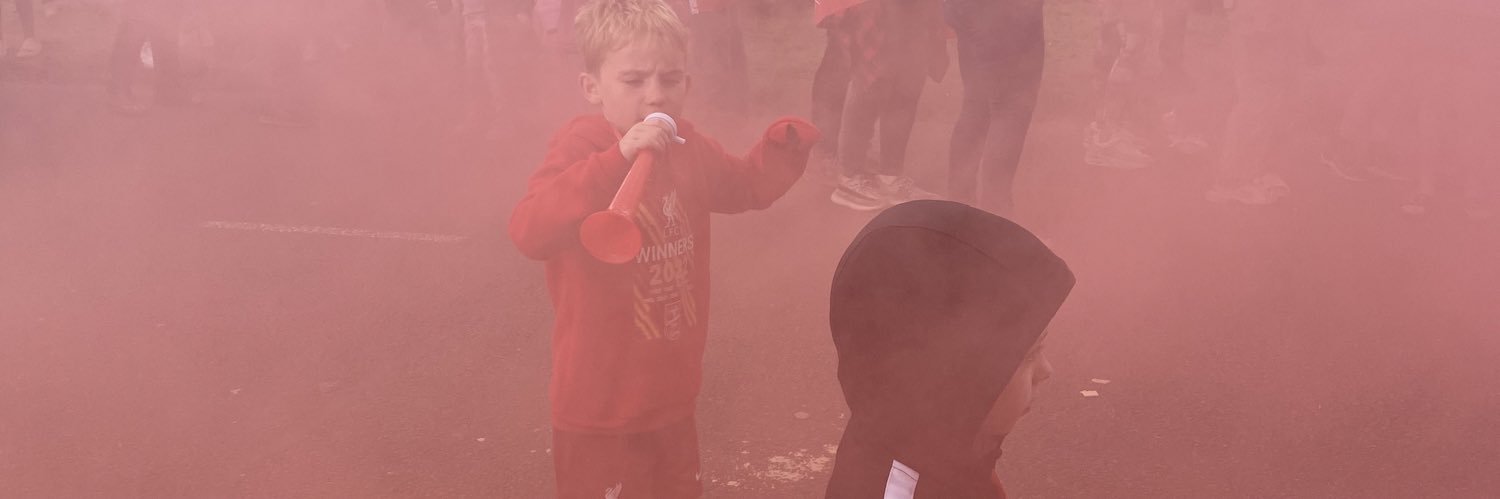
Liverpool: an English city… or Ireland’s second capital? 🇮🇪 👀
Few cities outside Ireland have been shaped by Irish people as profoundly as Liverpool. The accents, surnames, music, politics, football and even the character of the city carry generations of Irish influence. But why is that connection so strong? Here’s the answer. 👇
OFFICIAL PROMO 🎥
Most journeys begin at home… The rare ones end there too.
The golden girl from the Emerald Isle has changed the sport forever 🥹💚
#TaylorPili | Sat 5 Sept
Riding through the dead of night, under the moonlit skies of 18th century Ireland, they came. Disguised in masks and white smocks over their clothes these faceless rural avengers called themselves na Buachaillí Bána, the Whiteboys.
Emerging in the 1760s, first in Tipperary and soon across Munster and Leinster, the Whiteboys were not rebels seeking revolution but tenant farmers fighting for survival. Their enemies were not kings or parliaments, but rack-renting landlords, tithe hungry clergy, and the creeping enclosure of land that had once belonged to everyone and now belonged to profit.
Rack-rents were excessively high rents imposed on tenant farmers by absentee landlords. They bled the land dry, pushing farms to mere subsistence. This practice allowed landlords to maximize profits by exploiting high demand for land and the tenants' lack of tenure security. Rack-rents severely impoverished the rural population and were a primary cause of agrarian unrest.
Making this terrible situation worse were enforced Tithes, paid to the Protestant Church of Ireland by a largely Catholic peasantry. In addition to this were similiarly Priests' dues from their own faith. The knockout blow for rural communities were evictions and enclosures. Cattle replaced people, and grazing commons vanished behind hedges and ditches.
The Whiteboys responded in the only way they could. Their methods were brutal, theatrical, and symbolic. They levelled fences that enclosed once common land, tore down walls, and filled in ditches in what became known as “levelling.” They hamstrung cattle, not out of cruelty, but as protest against the economic shift to pasture farming. They issued threatening letters, written in florid, apocalyptic tones and signed by mythical figures like Captain Moonlight or Queen Sive Oultagh’s children.
They marched through villages in military formation, fifes playing, banners flying in an eerie pantomime of rebellion. They burned houses, freed prisoners, and brought a terrifying kind of justice to the landlords, tithe collectors, and “land grabbers” who dared take over evicted farms.
While their tactics unsettled both the authorities and the Catholic hierarchy, the Whiteboys weren’t anarchists. They weren’t trying to topple the state. They were defending a way of life they saw being destroyed. Though predominantly Catholic, their ranks could include Protestants too. What bound them together wasn’t religion, but class survival and a common moral cause.
The British response was swift and harsh. Troops were dispatched. Special laws, known as the Whiteboy Acts, were passed to allow for arrest without warrant, night raids, and brutal punishment. Some Whiteboys were executed. Others were transported to Australia, shipped across the world for the crime of demanding dignity.
The three great waves of Whiteboy activity were 1761–64, 1770–76, and 1784–86 but the term Whiteboyism became synonymous with rural unrest and secret justice. To some they were savages. To others, folk heroes. But to the history of Ireland, the Whiteboys remain a stark reminder of what happens when Irish people are cornered.
Buy the Dublin Time Machine a pint and support the DTM Book https://t.co/U7jtCrOTtb
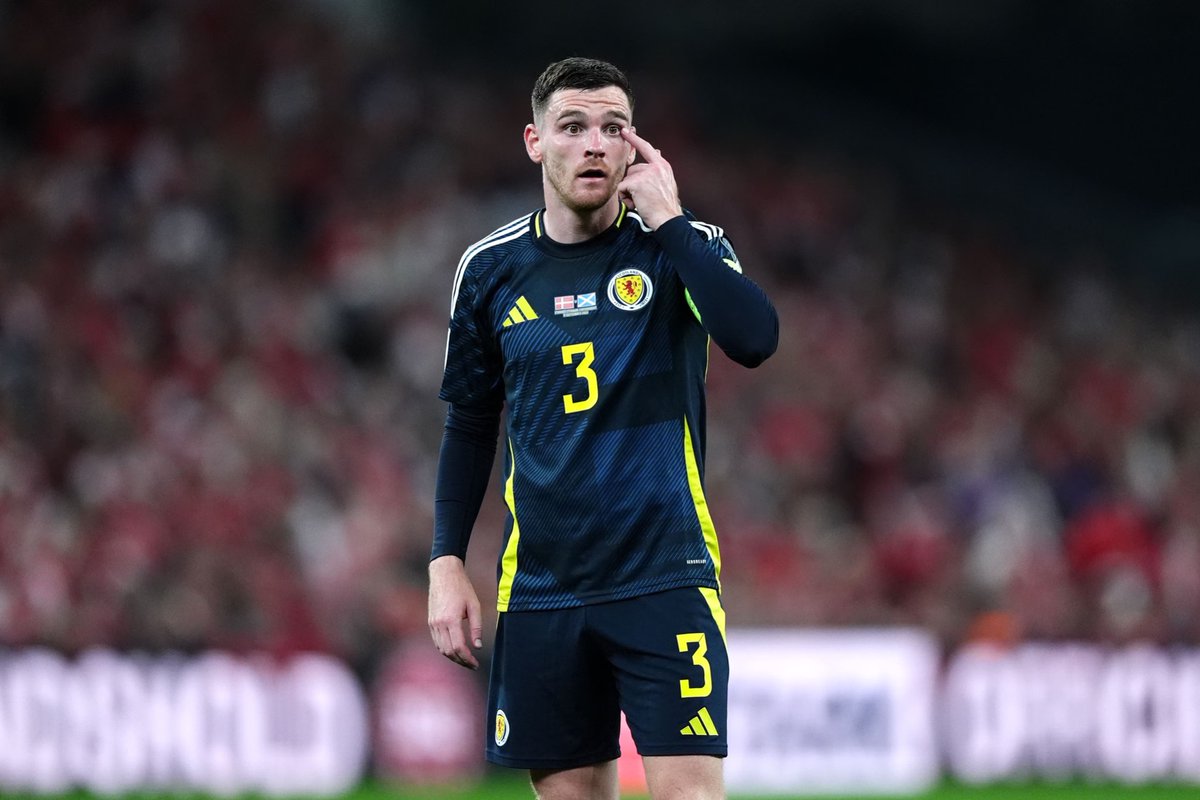
🗣️ Andy Robertson: "I need to start with a confession. Not many things bug me, but if there's one thing that does, it's the idea that my story is a football fairy tale.
I know when people say I'm some sort of Cinderella Man that it's meant as a compliment.
I appreciate that, but to be totally honest, it doesn't feel like one, because it isn't true.
No magic wands have been waved in my direction, I didn't win some kind of lottery to land a spot on one of the biggest clubs in the world. The reason why I'm a Liverpool player is the same reason why I'm captain of my country: I've worked my bollocks off to get where I am, and by doing that, l've been able to make the most of whatever talent I have.
Why does this matter? In truth, it doesn't matter to me as an individual. It probably doesn't matter to my family, either. It only matters because there are God knows how many little Andy Robertsons out there. Kids who are struggling to convince people that their talent deserves an opportunity. Kids who just need a break to get to wherever they deserve to be.
l've never wanted to be a poster boy, but if I'm going to be a poster boy for anything, it should be this — if you don't give up, and if you carry on believing in yourself when others are doubting you, you can make it. You can show that you are good enough."
Today in 1969, The Beatles performed their legendary rooftop concert on the roof of Apple Corps in London
They played for 42 minutes before being stopped by the police
It was John, Paul, George, and Ringo’s final public performance as “The Beatles”
After kicking five field goals for the Saints, Charlie Smyth was asked by a local reporter about it being a great year for sport in Northern Ireland, with Rory McIlroy's huge successes.
We loved his answer. 🇮🇪
📹New Orleans Saints
A great sketch can nail a concept so well, it becomes the final word. Since 1998, nobody has had to say or write another word about boorish, drunken British people in Indian restaurants, because Goodness Gracious Me's "Going For an English" was a literally unimprovable statement.