Full exploit code for CVE-2026-40369 - A Windows kernel arbitrary write vulnerability that allows browser sandbox escape from all browsers render process sandbox https://t.co/5crwyh7EXp
Three page-cache privilege escalation vulnerabilities in three weeks. Copy Fail, Dirty Frag, Fragnesia. The pattern is clear.
CIQ's response to Fragnesia was different. Instead of patching what researchers found and moving on, Sultan Alsawaf audited the kernel's networking stack for additional vulnerable code paths and found one. He built a proof-of-concept, confirmed it worked, and posted both the exploit and the fix to the Linux kernel mailing list the same day. The upstream maintainer folded it into the V3 patch within hours.
Nathan Blackham covers the full story: what Fragnesia is, how CIQ found a path the original researchers missed, and what proactive kernel security actually looks like in practice.
Read it here: https://t.co/OGb4YjiEhZ
#LinuxSecurity #EnterpriseLinux #RockyLinux #CVE #CIQ #LinuxKernel
It's confirmed, CVE-2020-17103 patch is ineffective and the vulnerability still exists,
A weaponized PoC can be found here -
https://t.co/7hnamkLsS1
Tested against fully patched Windows 11 and Server 2025 machines.
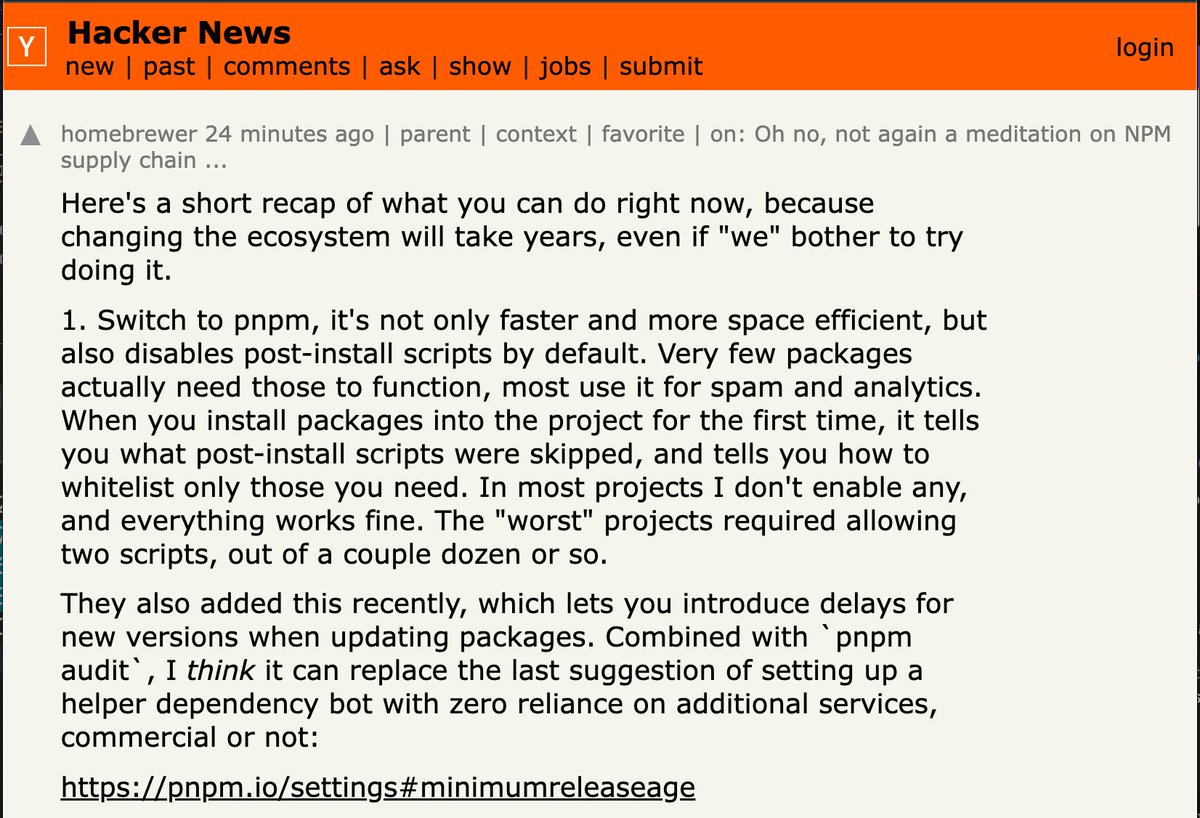
If you’re looking for ways to reduce the risk from compromised #NPM packages, here’s a solid post from Hacker News. I contains a few practical steps to harden your setup:
- Use pnpm. It’s faster, takes less space, and blocks post-install scripts by default. Most of them are useless or shady anyway.
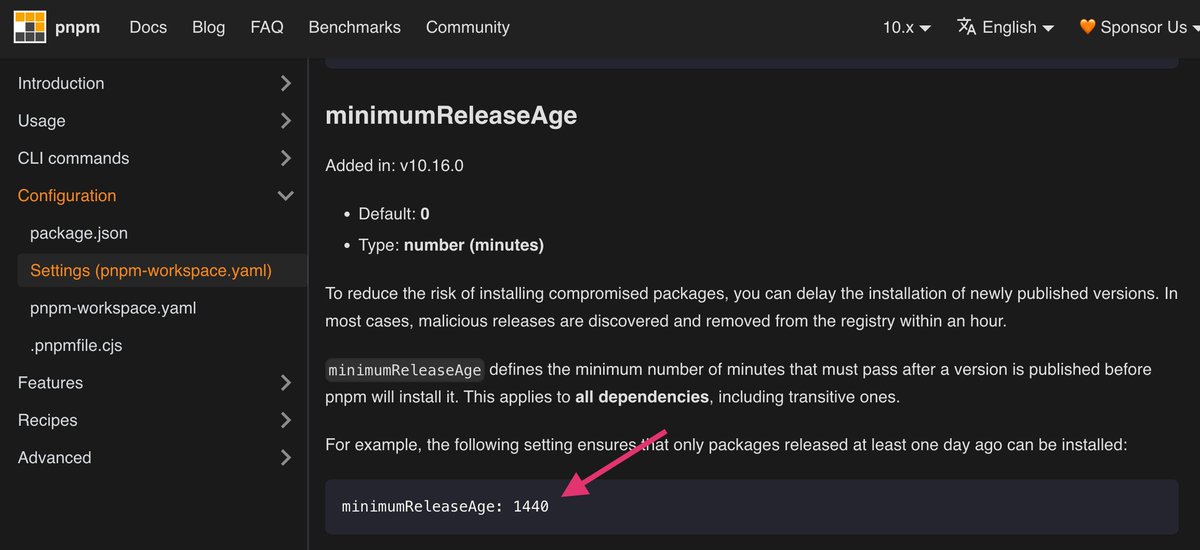
- Set minimumReleaseAge to delay fresh packages. In recent attacks, that delay alone would’ve been enough to avoid pulling malicious versions.
- On Linux, wrap your package manager in bubblewrap. Keeps the junk from touching sensitive files like ~/.ssh
No tools to buy. No pipelines to rebuild. Just small changes that help.
Hacker News post: https://t.co/oINpp9axR5
Config: https://t.co/X4aaQPrBNu
MongoBleed (CVE-2025-14847) is basically Heartbleed for MongoDB
- unauthenticated memory disclosure
- public POC, trivial to exploit
- leaks creds, tokens, cloud keys straight from RAM
- huge exposed surface on the internet
Good writeups and technical details here:
https://t.co/LgK4RABmJu
https://t.co/DWtByJQ3au
https://t.co/LUwfnF6uXG
Patch fast, rotate secrets, and assume exposed instances were scanned(!)
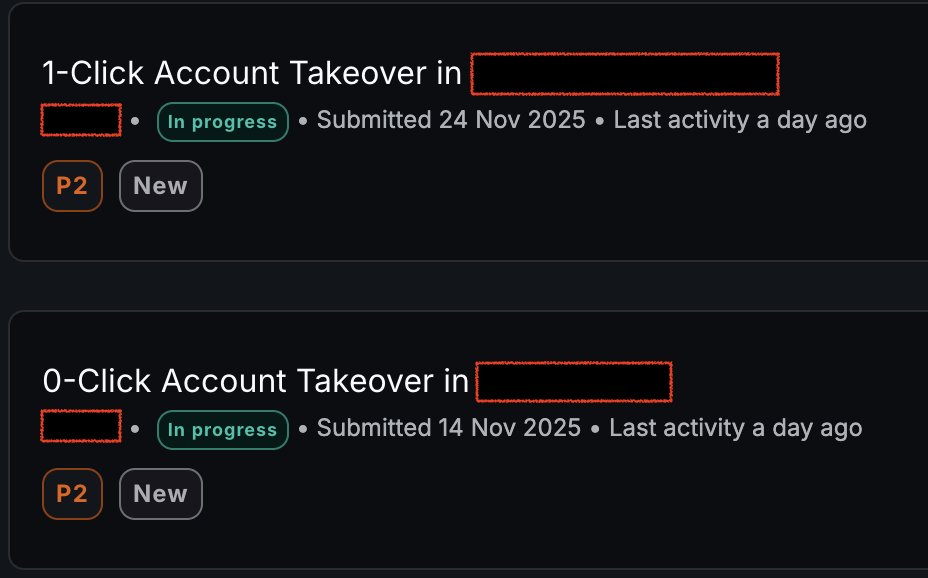
public program on BugCrowd, tip: in OAuth, check every "login with" seprately. Google, Apple, etc. each might have different implementaion and flaw, btw I'm going to write a blog post for 0-click, the scenario was interesting, happy hacking
🚩 Google Project Zero Details ASLR Bypass on Apple Devices
https://t.co/nDmvcpj806
A researcher from Project Zero has unveiled a clever serialization attack that leaks memory addresses on macOS and iOS, undermining Apple’s ASLR.
The exploit leverages how NSDictionary serialization and re-serialization handles the NSNull singleton and uses hash table bucket placement to infer address bits. No memory corruption or timing side channels are needed.
Apple patched this issue via updates released on March 31, 2025.
#AppleSecurity #ASLR #iOS #macOS #ProjectZero #CyberSecurity
🚨 Neue Phoenix-Rowhammer-Attacke umgeht DDR5-Schutzmechanismen! Forscher von ETH Zürich & Google flippen Bits in Hynix-Chips, ermöglichen Rechteausweitung in <2 Min. Alle getesteten DDR5-Module anfällig. Mehr:
https://t.co/JsyaQjICq2 #Cybersecurity#Rowhammer#DDR5
Memory Integrity Enforcement (#MIE) von Apple schützt iPhone 17 & iPhone Air durch Apple-Silicon-Hardware, sichere Allocatoren & EMTE vor Speicherangriffen – ohne Performance-Einbußen. Ein Meilenstein für Speichersicherheit! https://t.co/e00h97HnLB