Project 2025 is gradually dismantling federal responsibilities, including disaster management through FEMA. Trump’s vision aligns with the plan to shift FEMA’s roles to states, arguing that local governments can better manage disasters.
However, one major storm could decimate a state’s entire budget, leaving them financially crippled. Federal disaster relief exists to share the burden of unpredictable, large-scale events. If FEMA is defunded or dismantled, states will face overwhelming costs, forcing difficult choices between disaster recovery and essential services like healthcare and education.
The slow implementation of Project 2025 is leaving states unprepared for the financial fallout of natural disasters and other emergencies, setting them up for economic instability.
A lot of misinformation out there.
Just launched a new site to ensure the public has access to fact-based data around the Southern CA wildfires.
The TRUTH:
- CA did NOT cut our firefighting budget. We have nearly doubled the size of our firefighting army and built the world’s largest aerial firefighting fleet.
- CA has INCREASED forest management ten-fold since we took office.
- California will NOT allow for looting.
Get the facts: https://t.co/kgUOGhcC0D
🌟Each day, our students pick a sentence starter, like “Today I worked hard to accomplish…” and reflect on their achievements. This not only boosts their confidence but also helps them set goals for the week ahead!
https://t.co/nHGXPt9UaX
@MIsm4rt455 USPS doesn't decide what mail to bring. You getting junk mail is an issue with the sender not the carrier. The USPS is the only entity required to deliver to mail to every address, no matter how rural/weather etc. FedEx/Amazon use them for addresses they don't want to deliver to.
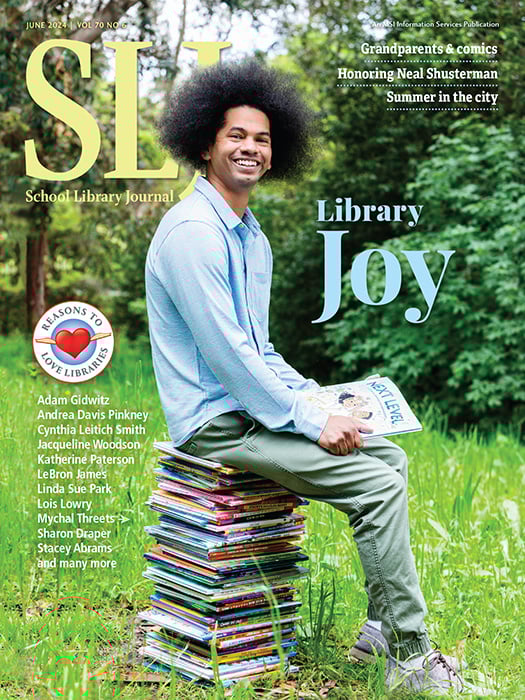
1. Everyone belongs. “There are unhoused people, mentally ill people, library kids, library teens, grandparents, autistic people, neurodivergent people who all use a library, and it belongs to all of them.” - Mychal Threets
#ReasonstoLoveLibraries
https://t.co/RVV9kbepfn
We learn more from reading on paper than on screens.
54 studies, 171k people: we process print more deeply than digital content—as long as it's informational rather than purely narrative.
The paper advantage holds across ages and has grown over time. Long live physical books.