💊 How to follow a Doctor’s Prescription — Know these abbreviations! 🩺
🧾 Rx = Treatment / Prescription
📜 Hx = History
🔍 Dx = Diagnosis
🕒 qd = Every day
📆 qod = Every other day
⏰ qh = Every hour
🚨 SOS = If needed
🍽️ AC = Before meals
🥗 PC = After meals
🌞 BID = Twice a day
☀️ TID = Thrice a day
🌤️ QID = Four times a day
🌙 OD = Once a day
😴 BT = Bedtime
🍳 BBF = Before breakfast
🍽️ BD = Before dinner
🗓️ Tw = Twice a week
💉 SQ = Subcutaneous
💪 IM = Intramuscular
💧 IV = Intravenous
🩹 ID = Intradermal
👩⚕️ Understanding your doctor’s handwriting starts with these!
#MedicalFacts #DoctorsNote #MedTwitter #MedicalStudents #Healthcare #MedLife
It's not about finding someone who completes you. It's about finding someone who accepts and loves you for who you already are.
#ThoughtsInBed#MotivationDaily
Real love is choosing the many things a person did right rather than the one thing he did wrong. True love does not keep the record of wrongs.
#sundayvibes#thoughtoftheday#motivationdaily
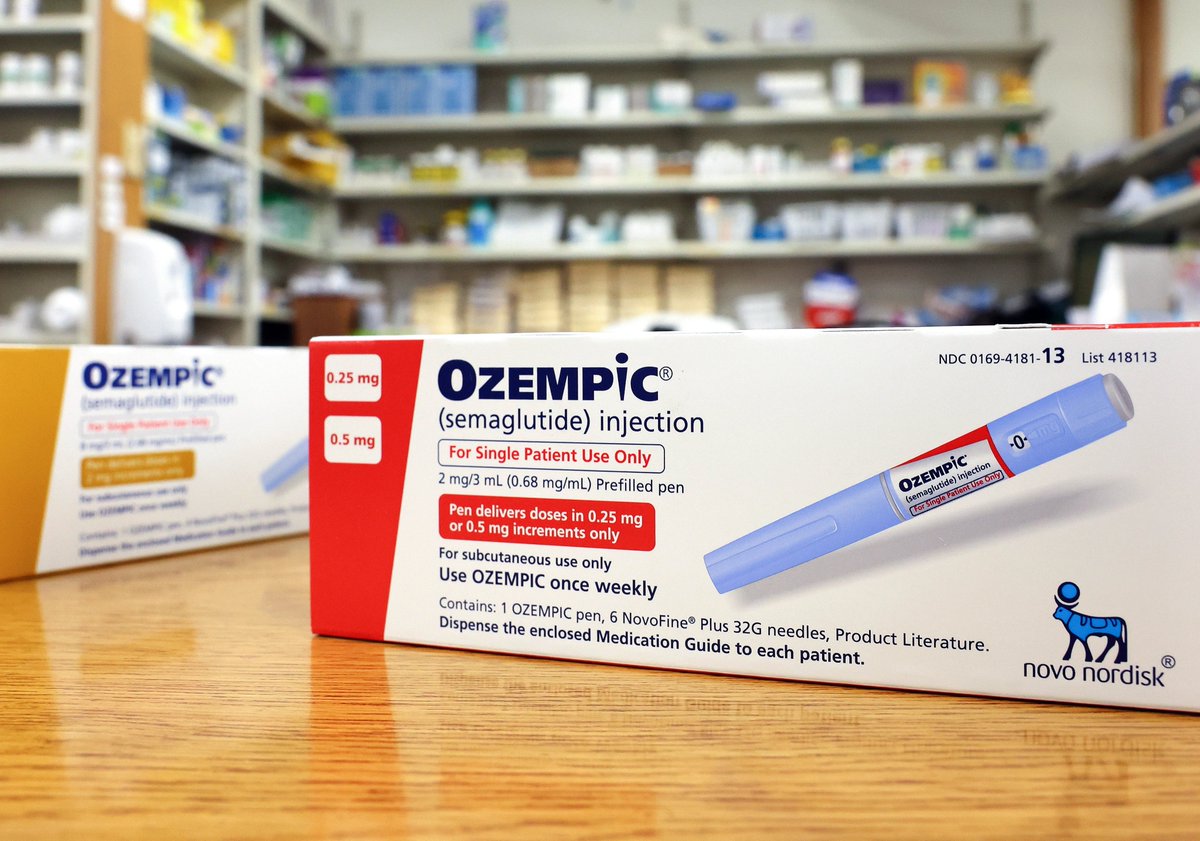
Ozempic® (Semaglutide): Key Facts
1. Drug class and mechanism
Ozempic contains semaglutide, a GLP-1 receptor agonist.
It mimics the incretin hormone GLP-1, leading to:
Glucose-dependent insulin secretion
Suppression of glucagon release
Delayed gastric emptying
Reduced appetite and caloric intake
2. Approved indication
Approved for the treatment of Type 2 diabetes mellitus in adults.
Used as an adjunct to diet and exercise to improve glycaemic control.
Also shown to reduce the risk of major adverse cardiovascular events in high-risk diabetic patients.
3. Administration
Given as a subcutaneous injection once weekly.
Common injection sites: abdomen, thigh, or upper arm.
Available dose strengths: 0.25 mg, 0.5 mg, 1 mg (some regions also 2 mg).
0.25 mg is a starter dose for tolerance, not for glycaemic control.
4. Effects on weight
Frequently causes clinically significant weight loss.
Weight reduction occurs due to appetite suppression and early satiety.
Although widely used off-label for obesity, Ozempic itself is not formally approved for weight loss (semaglutide for obesity is marketed as Wegovy®).
5. Glycaemic benefits
Lowers HbA1c by ~1–1.5% on average.
Effective both as monotherapy and in combination with other antidiabetic agents.
Low risk of hypoglycaemia when used alone (risk increases with insulin or sulfonylureas).
6. Common adverse effects
Gastrointestinal (most frequent):
Nausea
Vomiting
Diarrhoea
Constipation
These are usually dose-dependent and improve over time.
7. Serious warnings and precautions
Thyroid C-cell tumors observed in rodents; contraindicated in:
Medullary thyroid carcinoma (MTC)
MEN type 2
Use cautiously in patients with:
History of pancreatitis
Severe gastroparesis
May worsen diabetic retinopathy with rapid glycaemic improvement.
#MedicalFacts #DoctorsNote #MedTwitter #MedicalStudents #Healthcare #MedLife #diabetes #ozempic
How to prevent Childhood asthma
1. Reduce Exposure to Indoor Allergens
•House dust mites: Use mattress and pillow covers; wash bedding weekly in hot water.
•Pets: Avoid furry pets if there is a strong family history of asthma/allergy.
•Mold: Keep homes dry; repair leaks promptly.
•Cockroaches: Maintain clean kitchens and proper waste disposal.
⸻
2. Avoid Tobacco Smoke and Air Pollution
•No smoking during pregnancy or around children (including passive exposure).
•Avoid indoor biomass fuel smoke.
•Minimize outdoor exposure on days with high air pollution or smog.
⸻
3. Promote Healthy Pregnancy and Early Life Practices
•Adequate maternal nutrition during pregnancy.
•Exclusive breastfeeding for at least 6 months (protective against wheeze and infections).
•Avoid unnecessary antibiotics in infancy (unless clinically indicated).
⸻
4. Prevent and Control Respiratory Infections
•Ensure timely immunization (including influenza vaccine annually).
•Prompt treatment of viral respiratory infections.
•Encourage hand hygiene and respiratory etiquette.
⸻
5. Maintain a Healthy Lifestyle
•Balanced diet rich in fruits, vegetables, omega-3 fatty acids.
•Prevent childhood obesity (obesity increases asthma risk and severity).
•Encourage regular age-appropriate physical activity.
⸻
6. Early Identification of High-Risk Children
Children at higher risk include those with:
•Family history of asthma/allergic rhinitis/eczema
•Recurrent wheezing episodes
•Atopic dermatitis or food allergies
➡️ These children should be monitored closely and evaluated early by a clinician.
⸻
7. Reduce Environmental and Occupational Triggers
•Avoid strong perfumes, incense sticks, mosquito coils.
•Use child-safe, low-odor cleaning products.
•Ensure good ventilation at home and school.
⸻
8. Early Medical Intervention
•Do not ignore recurrent cough, wheeze, or night symptoms.
•Early diagnosis and controller therapy (when indicated) prevents airway remodeling and long-term morbidity.
#MedicalFacts #DoctorsNote #MedTwitter #MedicalStudents #Healthcare #MedLife #asthma
God will never place an unattainable goal in your heart. If you're dreaming of it, it's because God knows it can be yours.
#ThoughtsInBed#MotivationDaily
When two hearts are meant for each other, no distance is too far, no time is too long, and no other love can break them apart.
#ThoughtForTheDay#MotivationDaily
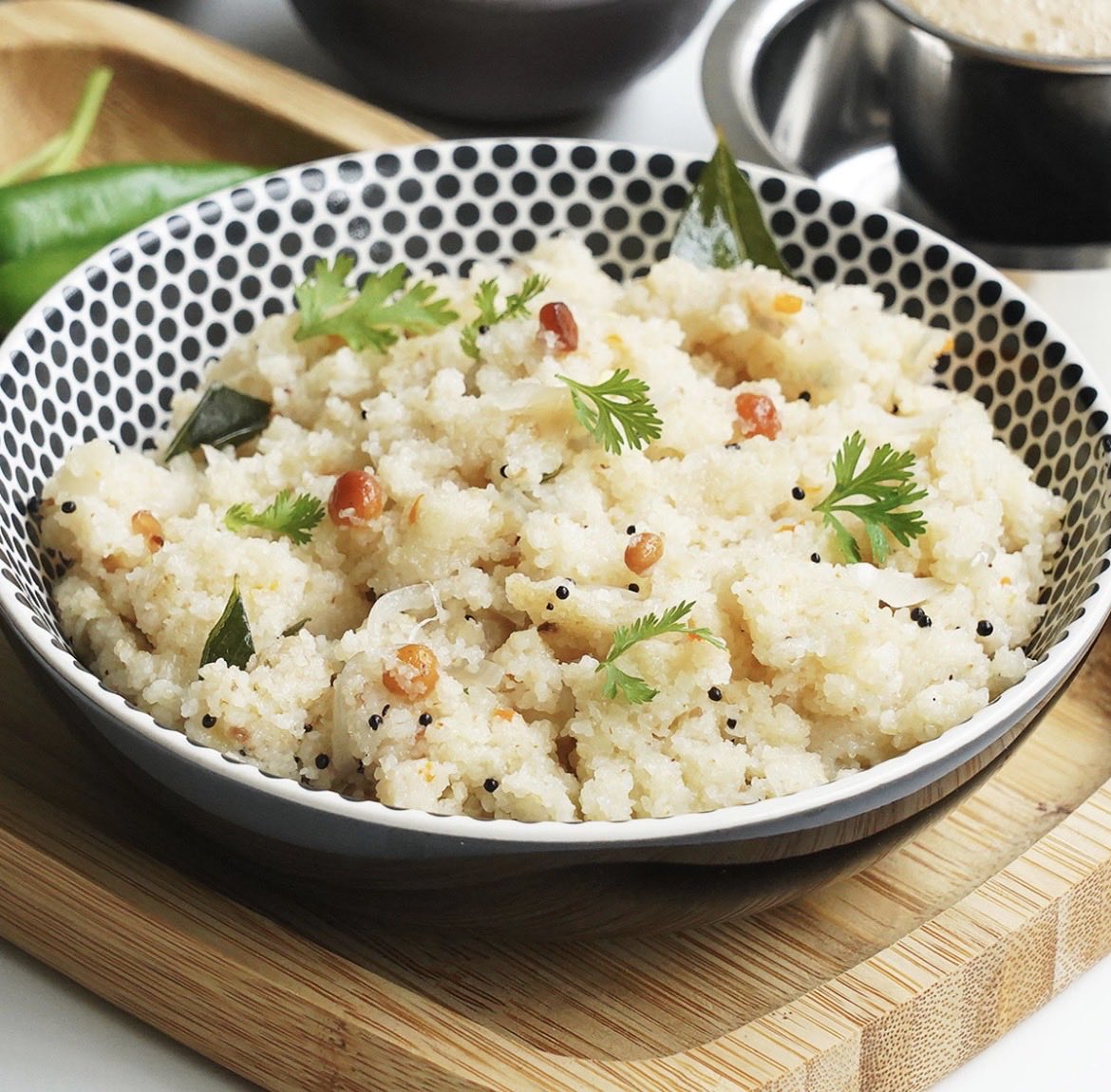
Health Benefits of Eating Upma
1. Provides Sustained Energy
•Traditionally made from semolina (rava/suji), a good source of complex carbohydrates.
•Releases glucose gradually, helping maintain steady energy levels.
2. Digestive-Friendly
•Rava is light, easy to digest, and suitable even for individuals with mild gastrointestinal discomfort.
•When prepared with vegetables and minimal oil, it supports smooth digestion.
3. Rich in Essential Vitamins & Minerals
Upma contains micronutrients depending on preparation:
•Iron, B-complex vitamins, and magnesium from semolina.
•Vitamin A, C, folate, fibre from vegetables (carrot, peas, beans, onions).
4. Good Source of Dietary Fibre (if vegetable-rich or made with millets)
•Adding vegetables increases fibre → improves gut health, bowel regularity, and satiety.
•Millets-based upma (ragi, jowar, foxtail, little millet) significantly improves fibre and micronutrient density.
5. Supports Weight Management
•Low in fat when cooked with little oil.
•High satiety index → reduces mid-meal cravings.
•Vegetable-rich upma helps maintain calorie control.
6. Heart-Healthy Option
•Contains negligible cholesterol.
•If prepared with healthy fats (olive oil/groundnut oil) and low salt, it supports cardiovascular wellness.
7. Can Be Protein-Enriched
Adding the following enhances protein quality:
•Roasted peanuts
•Chana dal/urad dal
•Boiled moong, soybean granules, or paneer cubes
•Making upma with dal-based or millet-based semolina
8. Versatile and Customizable
•Can be adapted for diabetic, hypertensive, or weight-loss diets by modifying ingredients.
•Suitable as a balanced breakfast, snack, or dinner.
Health Benefits of Eating Upma
Upma is a nutritious, easily digestible meal made from semolina or millets.
It provides steady energy through complex carbohydrates and supports digestive health. When prepared with vegetables, it offers essential vitamins, minerals, and dietary fibre. Upma is naturally low in fat and can aid in weight control and heart health when cooked with minimal oil. It can also be enriched with protein sources like dals, peanuts, or paneer. Overall, it is a versatile, balanced meal suitable for various dietary needs.
#MedicalFacts #DoctorsNote #MedTwitter #MedicalStudents #Healthcare #MedLife #healthyeats #breakfast