Integrative Forensic Genetics, Biochemical, and Histological Methods for Reconstructing Biological Profiles from Aged Human Skeletal Remains https://t.co/zceSsz3U2E
In 9 of 13 brain regions, volume differences between two living human groups were larger than the estimated differences between Neanderthals and early Homo sapiens. @PNASNews https://t.co/GDTxrCYn1c https://t.co/VmfzziaikW
Malaria was fundamental in shaping the course of human evolution, @CamZoology researchers have found.
From 74,000 to 5,000 years ago, early humans in Africa did not live in high-risk malaria areas.
This shaped how populations met and mixed, leading to the population structure seen today.
Read more about this new study in collaboration with the Max Planck Institute of Geoanthropology @MPI_GEA 👉 https://t.co/dmmNGPoFLU
Hypothesis: A modern human range expansion ~300,000 years ago explains Neandertal origins (preprint). A revolutionary hypothesis from David Reich https://t.co/Bn1wKo6hPp
La “sífilis más antigua” en Bogotá, de 5.500 años.
Eso publicamos todos. Sonó histórico.
Pero hay un detalle: hace más de 50 años, científicos colombianos ya habían contado esa historia.
Y los olvidaron🧵👇
Les cuento en @elespectador
https://t.co/eWQF5RGS4q
We are getting a clearer sense of where and how often Homo sapiens and Neanderthals interbred, and it turns out the behaviour was much more common than we first thought https://t.co/4eTK6mFCPV
El Instituto Humboldt, junto a @El_Icanh y la comunidad, identificó una cueva en Santander que tiene arte rupestre en su interior. Este hallazgo es un hito para la arqueología y la biodiversidad, pues es la primera de este tipo en el país.
| @classoalcala
https://t.co/eGHYbtZqgW
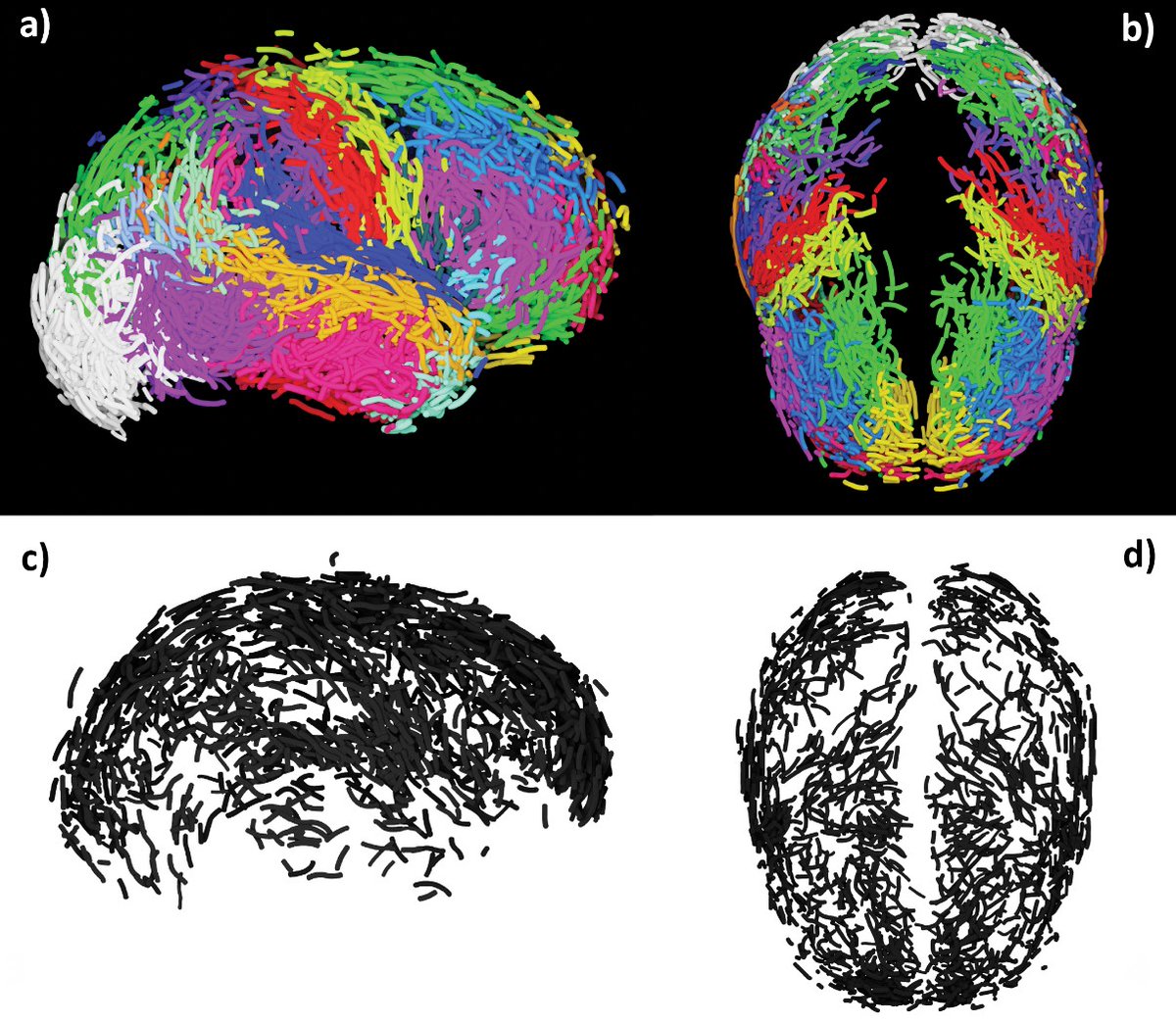
Our pluridisciplinary paper The ‘Rosetta Stone’ of palaeoneurology: A detailed study of the link between the brain and the endocast on 75 volunteers is available online!
https://t.co/hgQWyLoqc7
Archaeologists have identified 5,000-year-old whale-bone harpoons in southern Brazil, suggesting that organized whaling in the region began 1,000 years earlier than previously recorded anywhere in the world.
https://t.co/leOEyIobi9
Not all bones record the same isotopic history. This bomb-carbon study shows large differences in collagen turnover across skeletal elements, refining how stable isotope data should be interpreted in archaeology and paleoanthropology
#AJBA
https://t.co/tXkc3TaiG7
📝 ¿Tienes un estudio en ciencias forenses? #Antistio es una revista de acceso abierto y sin costos de publicación. Consulta la Guía para Autores y postula tu artículo aquí:
🔗 https://t.co/hJmJlLIVuJ #CienciaForense
El caso de 'Tina', o cómo los neandertales cuidaban a individuos con síndrome de Down 👉🏼 Un estudio demuestra por primera vez la presencia de individuos con síndrome de Down en los neandertales.
Fuente: @NatGeoEspana | Sergio Parra
https://t.co/eltIS3JsQI