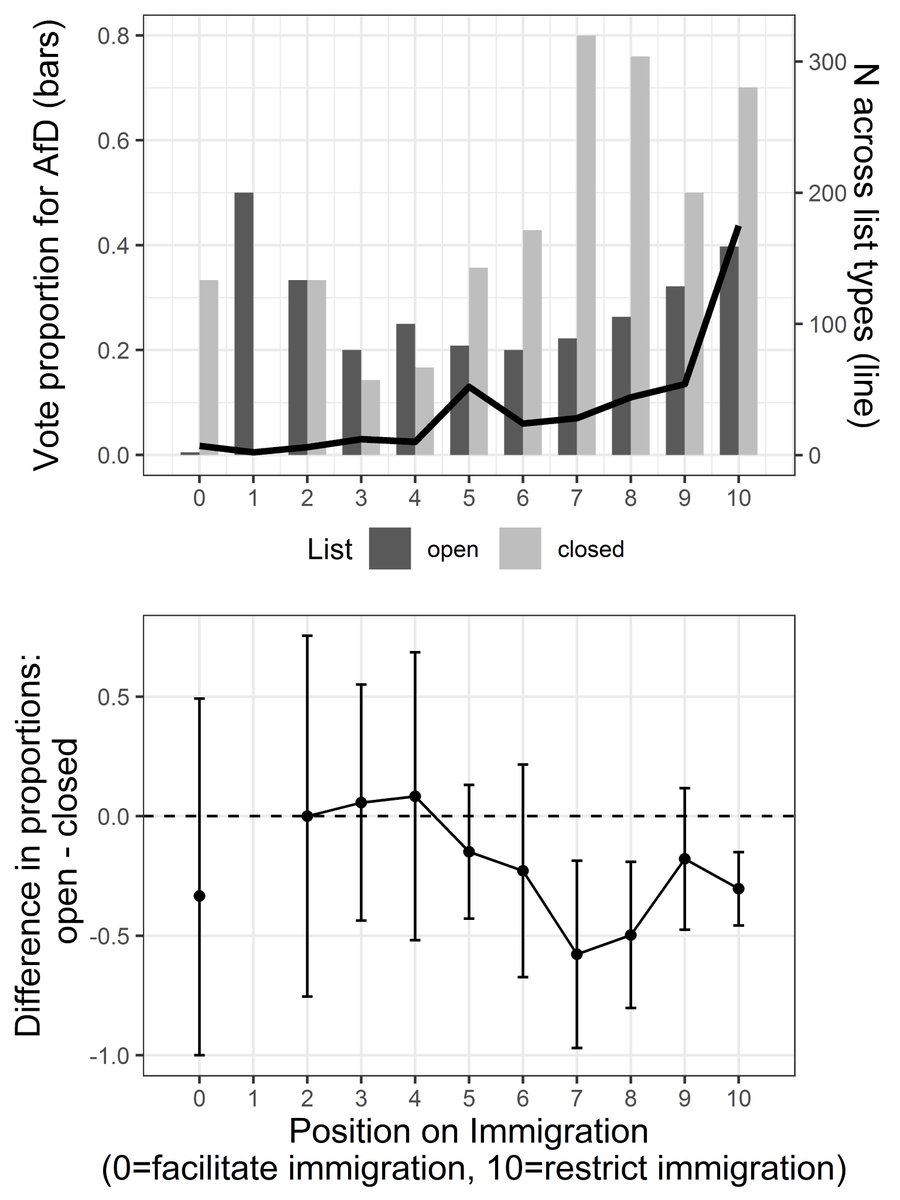
In the current debate on German electoral reform (#Wahlrechtsreform) only the AfD favors open lists. However, the CDU/CSU likely gains votes from the AfD in such a setting (#openaccess in new issue of @BJPolS w/ TBraeuninger, @LukRudolph, @Robert_A_Huber): https://t.co/GX3t3EAMjM
📢 Applications for UCD Iseult Honohan Doctoral Scholarship 2025 are now open!!
Deadline: Friday 31st January 2025
✅Covers full fees
✅Provides a living stipend of €25,000 per year for up to four years
✅Is open to EU and non-EU applicants
https://t.co/s44CBExdKr
📢We are hiring!
Teaching Fellow, Temporary 5 Months, starting in January 2025.
The closing date for applications is Monday 2 December.
https://t.co/CdBvxroKn0
📢Call Open📢The Government of Ireland Postgraduate and Postdoctoral Call 2025 is now open. We are delighted to partner with
@dfatirl@MetEireann@EPAIreland
@dcediy
#LoveIrishResearch
📢Find out more and apply visit: https://t.co/zPIiYKr5It
Does information affect vote choice in open-list PR systems? @phanxi_, @DaeublerT and I show survey-experimentally how voters use information on environmental policy positions of candidates to align voting with own standpoints. #openaccess@ElectoralStdies https://t.co/gHCFfSVMQj
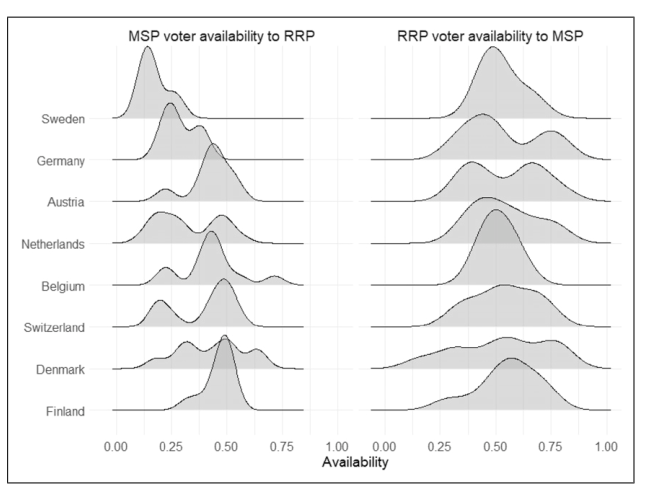
@ucdpolitics The findings provide new insights into the reactions of mainstream parties to challengers. They may also explain why mainstream parties accommodate, while previous work suggests it does not help them electorally. Electoral threat could be an omitted variable here. (3/3)
@ucdpolitics Using propensity-to-vote data, the analysis shows that mainstream parties (MSP) become more immigration-skeptic when there is a higher threat of losing voters to the radical right (RRP), but not when there is more opportunity to win voters back from these parties. (2/3)
🚨🚨🚨 PhD applications in Politics, IR, Development and Computational Social Sciences now open at @ucdpolitics
We are leading the way in 🇮🇪 by increasing PhD stipends to €25,000 per year
Apply by 9 Feb '24 for an Iseult Honohan Scholarship: https://t.co/II1qwCBp38:
@LukRudolph@PVS_journal @MartinRGross Vielen Dank an alle Involvierten! Mögen die Ergebnisse unserer Studie auch der Debatte um die #Wahlrechtsreform und Frauenquoten in der Politik neue Anstöße geben.
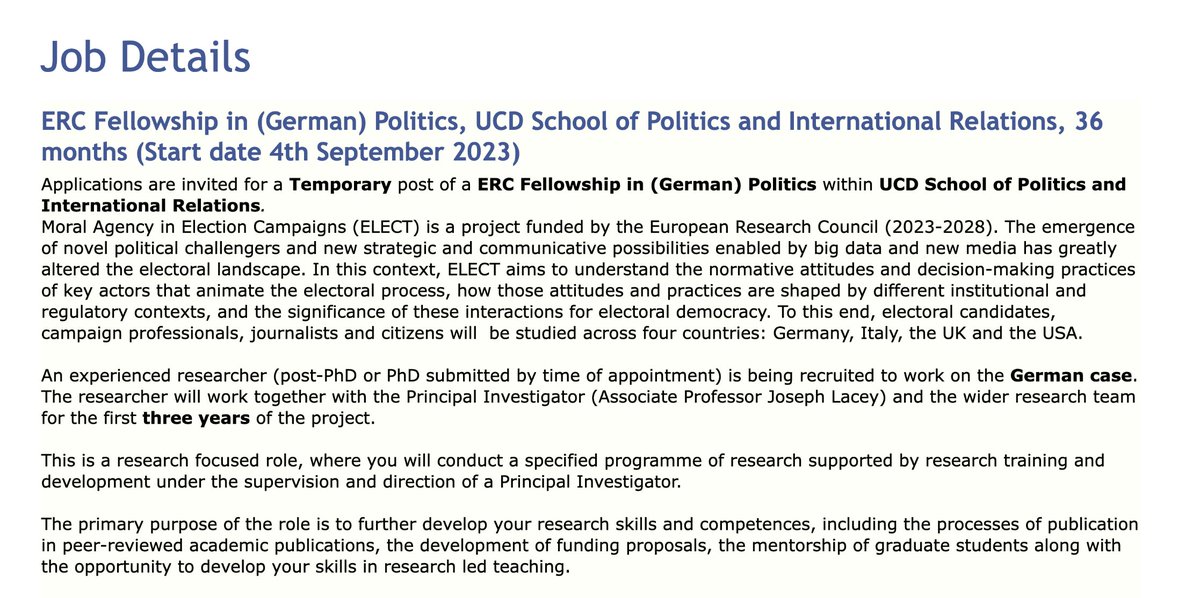
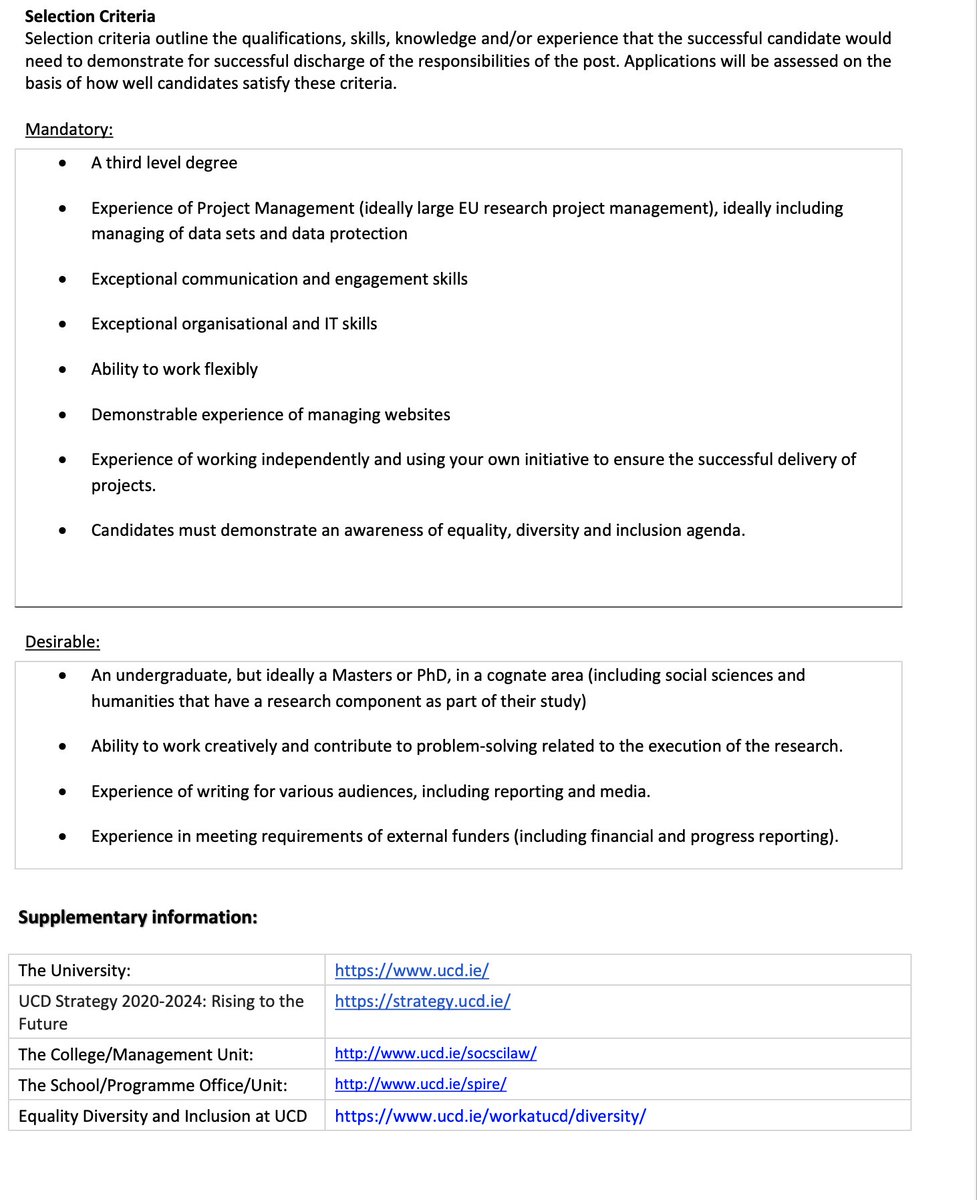
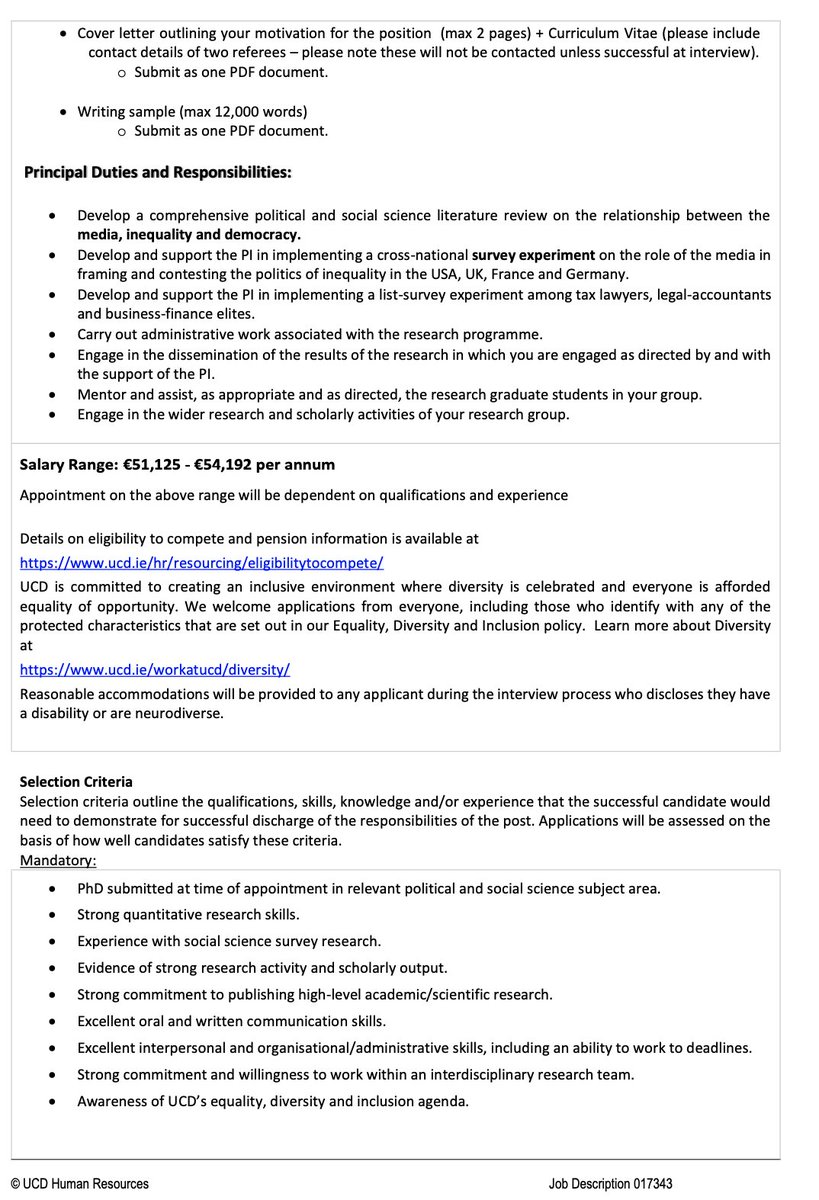
Job alert 🚨 3-year posdoc position in German Politics at @ucdpolitics on the ERC project, Moral Agency in Election Campaigns.
Deadline 4th July @ 5pm
Apply here: https://t.co/BKHP9ptNQS
[OUT] '#Candidate visibility, voter knowledge, and the #incumbency advantage in preferential-list PR', new paper by @jbpilet, Professor @SciencePoULB (#Cevipol), in collaboration with Thomas Bräuninger and Thomas Däubler, in Party Politics
https://t.co/Ifs0F1JMMG
Our colleague @JJJLacey is hiring a postdoctoral researcher for the @ERC_Research project Moral Agency in Election Campaigns.
The successful candidate will focus on the case of Germany.
– Duration: 36 months
– €42,126–€47,000 p.a.
– Deadline: 20 June
https://t.co/DT4a7Fx0RT
… und wer die Wahl zwischen geschlossenen Einer-Parteilisten im Wahlkreis mit einer Personenwahl verwechselt, nur weil sie in unserem Wahlrecht „Personalisierung“ genannt wird, glaubt wohl auch das Zitronenfalter wirklich Zitronen falten 🙈🙋♂️
@mq86mq@Mandaterechner @Arne_JJ Im jetzigen bayerischen System haben es reine Listenkandidierende aber auch schwer gegen unterlegene Direktkandidierende, da letztere in den Stimmkreisen keine innerparteiliche Konkurrenz haben.
@mq86mq@Mandaterechner @Arne_JJ Gut, aber man kann sich dann auch fragen: Möchte man zwingend so kleine Wahlkreise (gepaart mit einer innerparteilichen Allokation nach lokalem Ergebnis), oder dürfen alle zwischen allen Kandidierenden auf einer z.B. landesweiten offenen Liste auswählen?







![SciencePoULB's tweet photo. [OUT] '#Candidate visibility, voter knowledge, and the #incumbency advantage in preferential-list PR', new paper by @jbpilet, Professor @SciencePoULB (#Cevipol), in collaboration with Thomas Bräuninger and Thomas Däubler, in Party Politics
https://t.co/Ifs0F1JMMG https://t.co/bBUULO1K51](https://pbs.twimg.com/media/FxZJzsPaEAAoc00.jpg)