Ciliated protozoa have caused several aquatic diseases recently, including sea urchin mortality events around the Caribbean and beyond
In this study, first author @dageti84 and team @TeesUniSHLS@unidue identify a new ciliate pathogen of an #amphipod
https://t.co/fr1c7SbhxQ
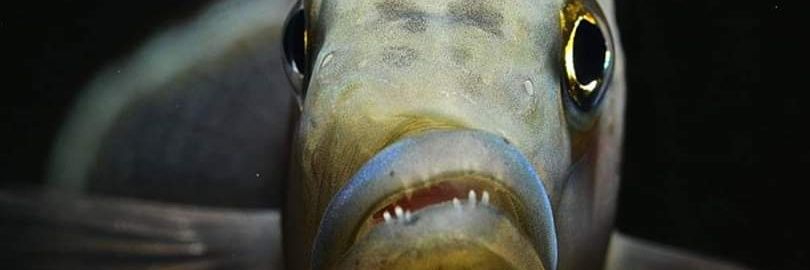
Back with new impressions from the Ichthyoparasitology Meeting 2024 in #Illmitz. Great to hook up with colleagues from @unidue, @NHM_Wien, @univienna, @unirostock, et al. and get insights into new aquatic parasitology projects.
I'm very glad to be invited to talk about issues related the release of pet traded species in European natural environments and their parasites.
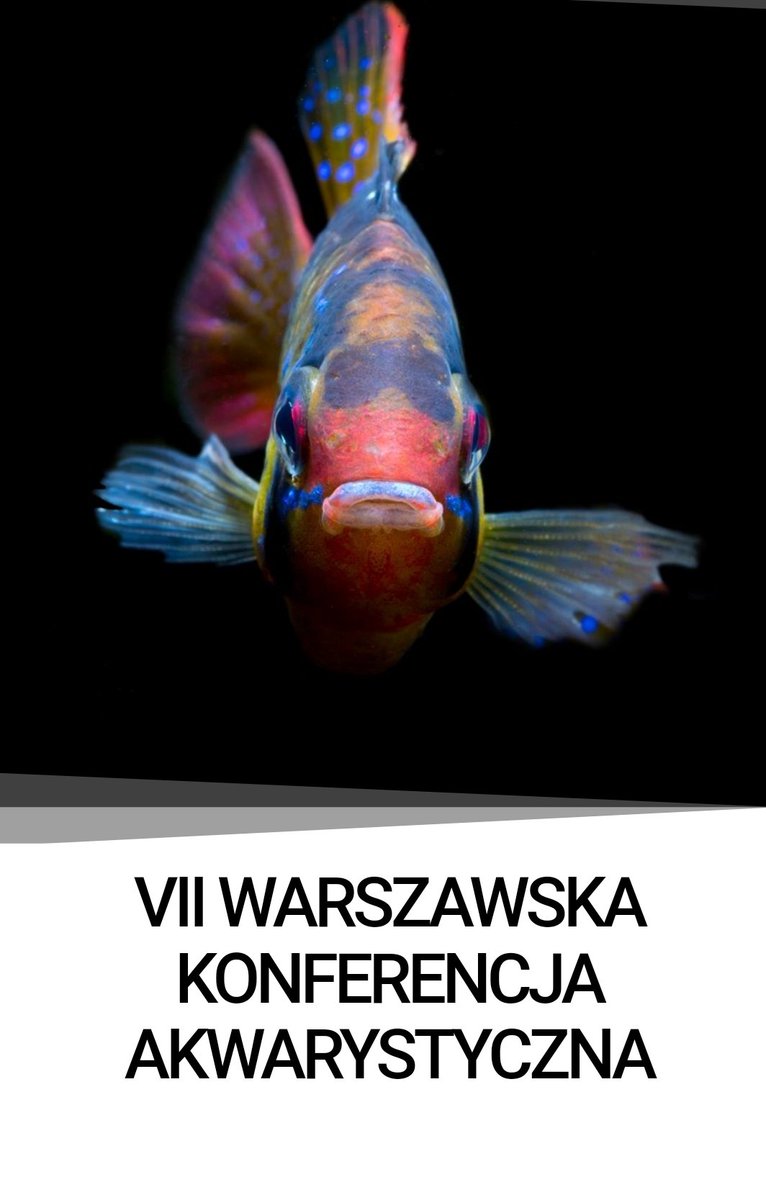
For more on that join us in Warsaw this weekend.
https://t.co/I0PIJWibyx
Congratulations to lead author @dageti84 on a fantastic new paper in @BioInvasions @Bernd_AquatEcol
This cheeky little cherry shrimp has become invasive in so many places! We show that it has carried with it EHP - a common #aquaculture#pathogen! 🦠
https://t.co/1O3RIZTNBc
@Bernd_AquatEcol @RESIST_CRC @zwu_ude @unidue@Jamiebojko@chris_sel I would like to thank very much all the people involved in the @RESIST_CRC for all the support given during these years, wich made my journey a fantastic experience and the great examiner cometee.
@chris_harrod Used to fish self sustaining Salvelinus namaycush at around 2600 m in southern Switzerland. In the same area I was fishing self sustaining S. Fontinalis at 2500 m, S. Alpinus at 2300 m, Thymallus thymallus at 2200 m, Salmo tutta fario at 2000 m
Are only macroparasites modulating diurnal drift of amphipods?
Microsporidians might possiblily do that as well.
@RESIST_CRC, @Julian_Enss, @Daniel_G1978, @ann_doli, @Bernd_AquatEcol
https://t.co/ZTDbJ0idcj
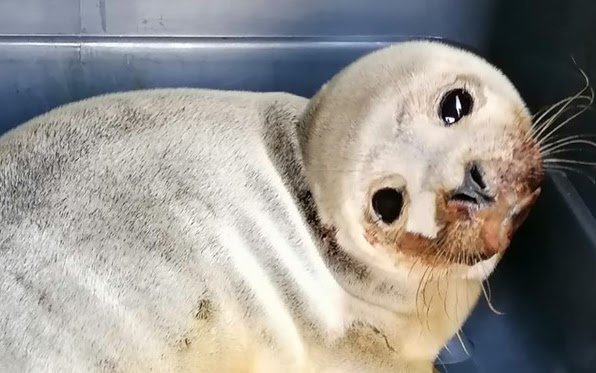
A deadly disease is killing seal pups!
Our team are developing rapid tests (like at-home #COVID tests) - detect infection on the beach, avoid infection in rehab centres, protect pups.
Please RT and support us - save the seals!
https://t.co/xS5Z9RNfX2
https://t.co/F5xjs92obu
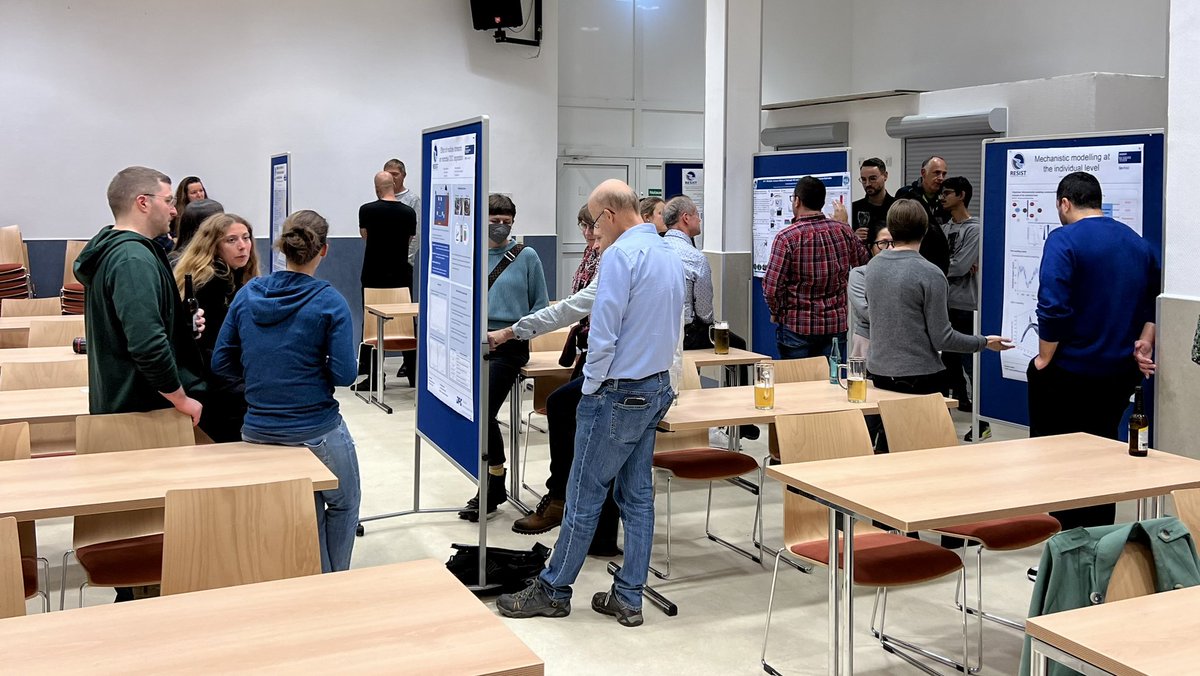
20 data presentations at @RESIST_CRC annual General Assembly show how active the team was & is; many results❗️ Some expected, some quite unexpected, fascinating, puzzling 🤯 Great job all ECRs 👏🏼 #freshwater#multiplestressors#biodiversity#ecology@dfg_public@unidue @zwu_ude
How stable are ontogenetic dietary niche shifts of two intraguild predators over a two decades period? And what are the implication for ecosystem functioning?
https://t.co/iu0feXtdi7
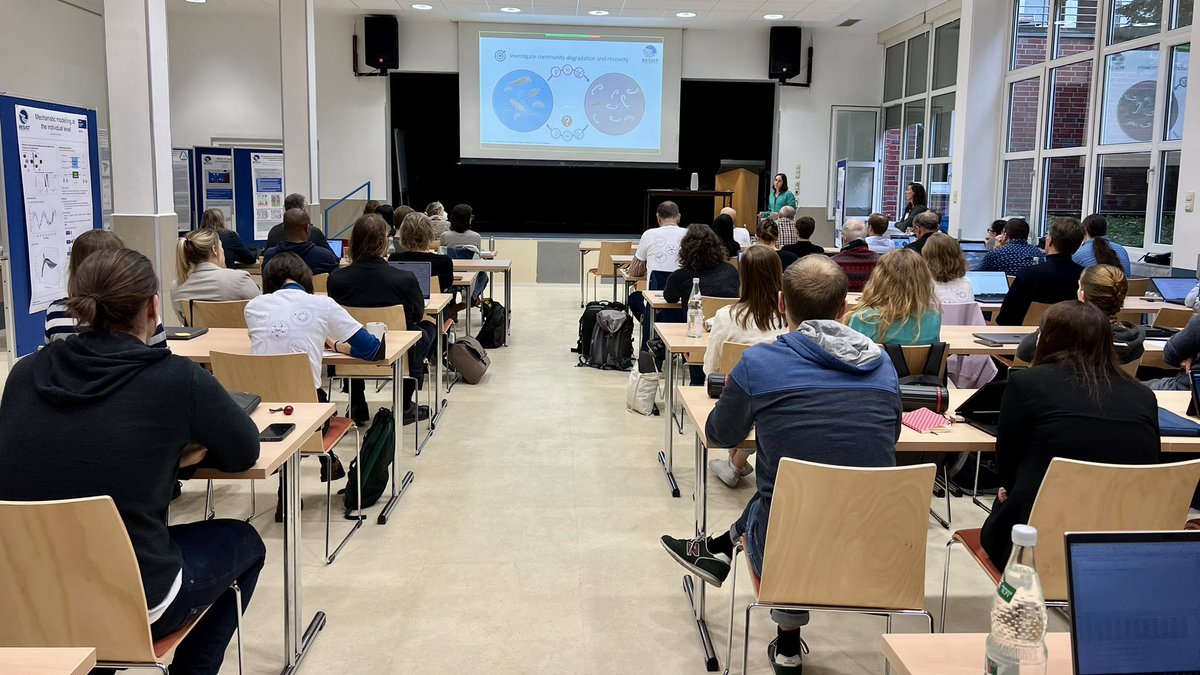
In person conferences such as @ICOPAnhagen is not only about attending amazing sessions but also, very importantly, meeting up with old friends and making new ones. Great evening yesterday with the groups of @Bernd_AquatEcol @DrChelseaLWood & @MPM_Vanhove
Can parasites of warm adapted pet shrimps survive in their host when these are released in novel colder environment?
First report of microsporidians in the non-native shrimp <i>Neocaridina davidi</i> from a temperate European stream
https://t.co/TrsSuqpEDV
If you’re into Microsporidia, this one is a must read 📖
We’ve put together a huge phylogenetic, pathological, morphological and ecological synthesis of microsporidian traits to inform on a new, stable, classical, taxonomy #GoodbyeClades
I’m really interested in your comments!
Yes! Still some seats available in our 1week practical course in one of the #biodiversity hotspots of 🇨🇭 - also for BSc and MSc students from other universities.
Details below
#freshwater#aquatichyphomycetes
I'm happy to announce the publication of our manuscript "Generalist parasites persist in degraded environments: a lesson learned from microsporidian diversity in amphipods" https://t.co/718DWj8drO
@RESIST_CRC, @Daniel_G1978, @SvenjaP93, @Bernd_AquatEcol